
Outdoor lighting plays a crucial role in enhancing the beauty and functionality of gardens and patios. Incorporating motion sensor and eco-friendly LED technology offers a sustainable and efficient way to illuminate outdoor spaces while respecting environmental concerns. These innovations not only improve safety but also contribute to energy savings and reduce carbon footprints.
Traditional outdoor lighting solutions often waste energy and require frequent maintenance. Transitioning to motion sensor and eco-friendly LED options addresses these challenges by providing intelligent lighting control and longevity. This shift allows homeowners to enjoy well-lit exteriors without excessive energy consumption or environmental impact.
In this article, we will explore seven essential approaches to outdoor lighting focused on motion sensor and eco-friendly LED technologies. Each section will delve into specific strategies, practical tips, and architectural insights to help you design thoughtful, climate-aware lighting solutions for your garden and patio spaces.
Innovative Motion Sensor Lighting Techniques for Outdoor Spaces
Adaptive Lighting Solutions for Gardens
Adaptive outdoor lighting equipped with motion sensors adjusts brightness and activation based on human presence, enhancing both security and convenience. These systems conserve energy by illuminating areas only when necessary, reducing light pollution. Integrating adaptive lighting into garden designs requires understanding human movement patterns and natural landscape features.
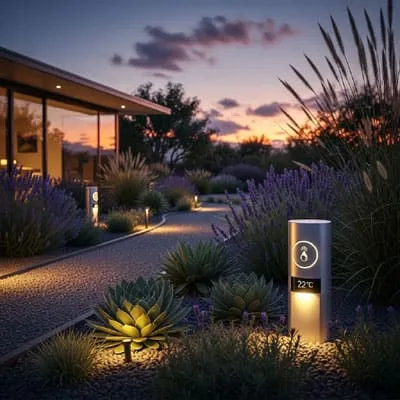
Motion sensors can be programmed to detect different ranges and speeds, optimizing functionality for different outdoor zones. For example, low-sensitivity settings avoid false triggers from small animals, while higher sensitivity can improve safety near pathways and entry points. This balance ensures lighting is purposeful, calm, and intentional.
Incorporating adaptive lighting encourages slow living by creating environments that respond subtly and respectfully to human activity. This method suits residential settings where natural rhythms and comfort are priorities.
Security Benefits of Motion Sensor Technology
Motion sensor lighting acts as a deterrent against intruders by illuminating areas sporadically, creating uncertainty for potential trespassers. This technology enhances perimeter security without the need for constant illumination, which can be intrusive and wasteful.
By integrating motion sensors with eco-friendly LEDs, homeowners achieve long-lasting, efficient security solutions. LEDs offer quick response times and the ability to maintain consistent brightness, while sensors ensure lighting operates only when needed.
This combination supports a human-centered approach to safety, preserving calm and minimizing unnecessary light exposure for neighbors and wildlife.
Integration with Smart Outdoor Systems
Smart home technology increasingly incorporates motion sensors for outdoor lighting, enabling remote control and automation.
These systems allow users to customize lighting schedules, sensitivity, and brightness from mobile devices, improving convenience and energy efficiency.
Integration with weather sensors can further optimize operation by adjusting settings based on environmental conditions. For instance, rain or fog detection can modify lighting intensity for enhanced visibility and safety.
Smart integration supports intentional design and efficient performance, aligning with climate-aware architectural practices that prioritize sustainability and user experience.
Eco-Friendly LED Lighting Solutions for Sustainable Gardens
Advantages of LED Technology in Outdoor Lighting
- Energy efficiency significantly reduces electricity consumption
- Long lifespan minimizes maintenance and replacement costs
- Low heat emission is safer for plants and outdoor environments
- Available in various color temperatures to enhance garden aesthetics
- Durability against weather elements ensures consistent performance
LED lighting is transforming outdoor illumination by offering a sustainable alternative to traditional bulbs. Their efficiency and adaptability make them ideal for eco-conscious garden designs.
Selecting suitable LED fixtures involves considering beam angles, color rendering, and compatibility with existing landscape features, ensuring harmonious integration without overpowering natural beauty.
Material and Design Considerations for LED Fixtures
Eco-friendly LED fixtures often feature recyclable materials such as aluminum and tempered glass, reducing environmental impact during production and disposal.
Architectural design emphasizes clean lines and subtle presence in the garden to avoid visual clutter.
Choosing fixtures with IP ( Ingress Protection) ratings suitable for outdoor exposure protects against moisture and dust, extending longevity. Matte finishes and muted colors help fixtures blend with natural surroundings.
Intentional design ensures lighting complements the environment, supporting calm and purposeful outdoor spaces.
Comparative Overview of LED Types for Outdoor Use
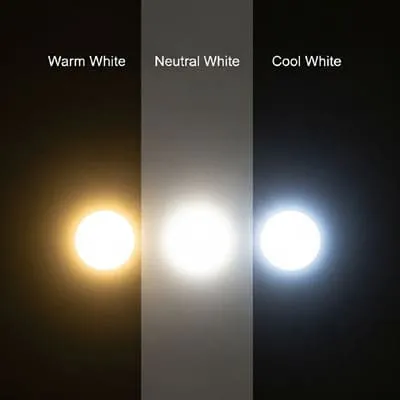
| LED Type | Color Temperature (K) | Typical Use |
| Warm White | 2700-3000 | Cozy ambiance, patios, seating areas |
| Neutral White | 3500-4100 | Pathways, garden beds, balanced illumination |
| Cool White | 5000-6500 | Security lighting, task illumination |
Smart Motion Sensor Applications for Efficient Outdoor Lighting
Customizable Sensor Settings and Zones
- Adjusting sensitivity for different outdoor areas
- Defining activation times based on natural light levels
- Using multiple sensors for layered coverage
- Integrating with timers and dimmers for energy conservation
- Programming sensor responses for various movement types
Optimizing motion sensor settings enhances user experience and energy efficiency. Defining zones allows precise control, avoiding unnecessary activation and improving system reliability.
Architectural planning involves mapping these zones carefully to align with pathways, entrances, and activity hubs within the garden or patio.
Technological Advances in Sensor Accuracy
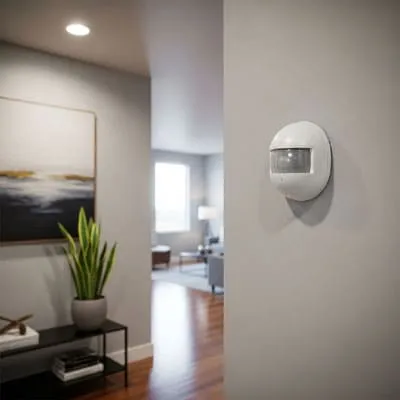
Modern motion sensors utilize infrared, microwave, and ultrasonic technologies to improve detection accuracy and reduce false triggers.
Combining sensor types ensures robust performance under varying environmental conditions.
Advanced algorithms filter out irrelevant movements such as swaying branches or passing animals, maintaining purposeful lighting activation. This precision supports calm and intentional outdoor environments.
Continuous improvements in sensor technology offer homeowners reliable, low-maintenance solutions aligned with sustainable outdoor lighting goals.
Energy Savings Through Sensor Integration
Integrating motion sensors with eco-friendly LED lighting significantly reduces energy consumption by limiting operating times. Studies show that sensor-controlled outdoor lighting can cut electricity use by up to 60% compared to traditional systems.
This reduction aligns with climate-conscious architectural practices aimed at minimizing environmental impact and operational costs. It also supports compliance with increasingly stringent energy regulations.
Smart sensors contribute to a slow living philosophy by promoting mindful resource use and reducing unnecessary light pollution.
Designing with Eco-Friendly LED Fixtures for Ambiance
Layered Lighting Techniques
- Combining ambient, task, and accent lighting
- Using dimmable LEDs to adjust mood and intensity
- Highlighting architectural features and plantings
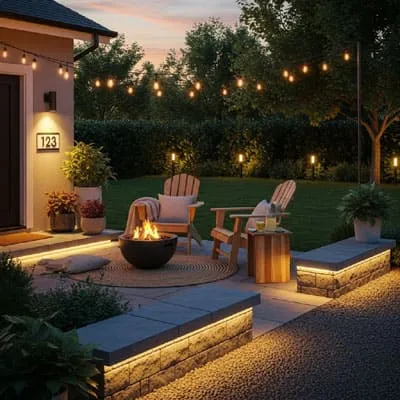
- Incorporating warm color temperatures for inviting atmosphere
- Balancing light distribution to avoid harsh contrasts
Layered lighting enriches outdoor spaces by creating depth and texture. Eco-friendly LEDs provide flexibility through variable brightness and color settings, enabling tailored experiences.
Designers focus on human-centric lighting that supports relaxation and social interaction while respecting natural circadian rhythms.
Comparing LED Fixtures by Application
| Fixture Type | Best Use | Energy Efficiency |
| Path Lights | Marking walkways and garden paths | High |
| Spotlights | Emphasizing trees and architectural details | Medium |
| String Lights | Creating cozy seating areas | Variable |
Material Sustainability and Fixture Lifespan
Eco-friendly LED fixtures are designed with sustainability in mind, prioritizing recyclable materials and reduced environmental impact during manufacturing.
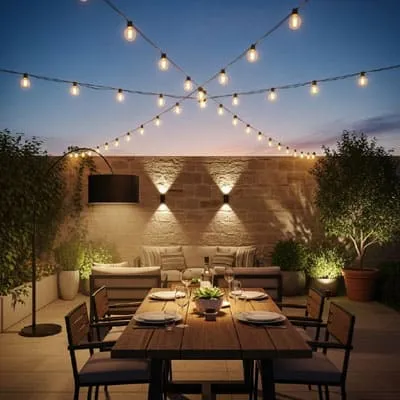
High-quality components extend operational lifespan, decreasing waste and resource demand.
Longevity is crucial for reducing maintenance disruptions and supporting slow, intentional living in residential outdoor spaces. Choosing durable fixtures ensures consistent performance and aesthetic integrity over time.
This approach promotes architectural respect for both human and environmental needs.
Combining Motion Sensors with Eco-Friendly LEDs for Safety
Illumination Strategies for Entry Points
- Motion-activated lighting near doors and gates
- Low-glare LED fixtures for clear visibility
- Timed overrides to maintain lighting during key hours
- Integration with security cameras and alarms
Effective lighting at entry points deters unauthorized access while providing safe passage. Combining motion sensors with eco-friendly LEDs balances security needs with energy conservation.
Architectural integration ensures fixtures are discreet yet functional, preserving the overall design harmony of the outdoor space.
Reducing Light Pollution with Targeted Lighting
Motion sensor LEDs enable focused illumination that minimizes light spill and disruption to neighbors and wildlife. Shielded fixtures and downward-directed beams further reduce environmental impact.
Targeted lighting maintains calm, natural surroundings while enhancing safety. This aligns with climate-aware design principles that respect ecosystem health.
Incorporating these strategies supports community well-being and sustainable outdoor living.
Cost-Benefit Analysis of Sensor-LED Systems
| System Feature | Initial Cost | Long-Term Savings |
| Traditional Lighting | Low | Minimal |
| LED Lighting Only | Moderate | Significant |
| Motion Sensor + LED | Higher | Maximized |
Practical Installation Tips for Motion Sensor LED Systems
Optimal Sensor Placement
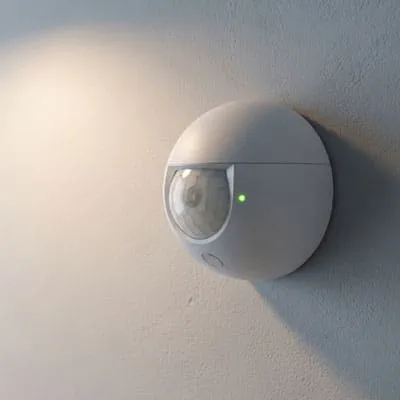
Correct sensor placement is essential for reliable detection and energy efficiency.
Install sensors at heights and angles that maximize coverage of intended areas, such as pathways and entrances, while minimizing false triggers.
Avoid positioning sensors near heat sources or reflective surfaces that can interfere with detection accuracy. Testing sensor range during installation ensures effective lighting response.
Thoughtful placement supports architectural coherence and user comfort.
Wiring and Power Considerations
Planning wiring routes and power sources for LED and sensor systems should prioritize safety and aesthetic discretion. Low-voltage wiring reduces energy loss and enhances installation flexibility.
Utilizing solar-powered or battery-operated options can simplify setup and increase sustainability. Proper grounding and weatherproofing are critical for outdoor durability.
Efficient electrical design complements eco-friendly lighting goals and reduces maintenance requirements.
Maintenance and Troubleshooting
- Regularly clean sensors and fixtures to maintain sensitivity and brightness
- Inspect wiring and connections for damage or corrosion
- Test sensor functionality seasonally and after weather events
Proactive maintenance extends system lifespan and ensures consistent performance. Troubleshooting common issues, such as false triggers or dim lighting, involves adjusting sensor settings or replacing components.
Maintaining outdoor lighting aligns with slow, intentional living by fostering long-term reliability and comfort.
Enhancing Aesthetics with Sustainable Outdoor Lighting
Balancing Functionality and Visual Harmony
Successful outdoor lighting design balances practical illumination with architectural aesthetics. Using eco-friendly LEDs with adjustable settings allows designers to highlight features without overpowering natural elements.
Soft, indirect lighting creates inviting atmospheres, while motion sensors ensure lighting is purposeful and nonintrusive. This approach respects human experience and environmental context.
Intentional lighting design supports calm and meaningful outdoor engagement.
Using Color Temperature to Influence Mood
Color temperature selection influences the emotional tone of outdoor spaces.
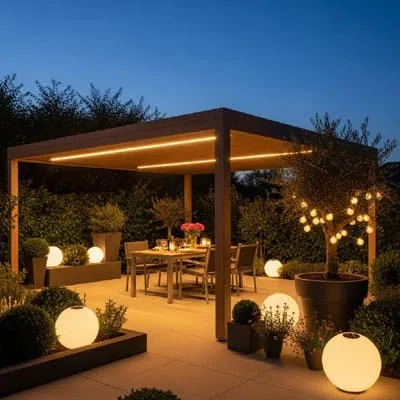
Warm white LEDs promote relaxation and intimacy, ideal for patios and seating areas.
Cooler temperatures enhance alertness and visibility, suitable for pathways and security lighting.
Mixing color temperatures strategically enhances spatial definition and user comfort. This technique integrates architectural insight with human-centered design.
Eco-friendly LED options provide flexibility in achieving these nuanced effects.
Incorporating Natural Elements with Lighting
Lighting that respects and accentuates natural elements such as trees, water features, and stonework creates immersive garden experiences. Eco-friendly LEDs with narrow beam angles highlight textures and shapes without disturbing wildlife.
Motion sensors can trigger subtle lighting changes that respond to movement, enhancing connection with the environment. This method embodies climate-aware, architectural sensibilities.
Thoughtful integration fosters a slow, intentional outdoor lifestyle grounded in nature.
Technologies solution
Integrating motion sensor and eco-friendly LED lighting offers a sustainable, efficient way to enhance gardens and patios. These technologies provide adaptive, intelligent illumination that supports safety, ambiance, and environmental responsibility.
By adopting smart design principles and thoughtful installation strategies, homeowners can create outdoor spaces that are both beautiful and climate-conscious. Embracing motion sensor and eco-friendly LED solutions encourages intentional living and lasting architectural harmony.
Frequently Asked Questions
What Are the Main Advantages of Motion Sensor Outdoor Lighting?
Motion sensor outdoor lighting conserves energy by activating only when movement is detected. It enhances security by deterring intruders and increases convenience by illuminating pathways and entry points automatically. This technology reduces light pollution and maintenance costs.
How Does Eco-friendly LED Lighting Benefit Outdoor Environments?
Eco-friendly LED lighting uses significantly less energy than traditional bulbs, reducing carbon emissions. LEDs have longer lifespans, minimizing waste and replacement frequency. Their low heat output protects plants and wildlife, supporting sustainable outdoor ecosystems.
Can Motion Sensors Be Integrated with Smart Home Systems?
Yes, modern motion sensors often connect with smart home platforms, enabling remote control, scheduling, and customization. Integration allows users to optimize lighting based on presence, time of day, and environmental conditions, improving efficiency and user experience.
What Factors Should Be Considered When Installing Outdoor Motion Sensor LEDs?
Consider sensor placement to avoid false triggers, choose appropriate sensor sensitivity, and select LED fixtures with suitable brightness and color temperature. Weatherproofing, wiring safety, and compatibility with existing systems are also important for reliable operation.
How Can Outdoor Lighting Reduce Light Pollution Effectively?
Using motion sensors limits lighting to when it is needed, reducing unnecessary illumination. Employing downward-directed, shielded LED fixtures minimizes light spill. Selecting warm color temperatures and dimmable options further decreases light pollution, benefiting both humans and wildlife.
For further details on sustainable lighting, visit the U.S. Department of Energy LED Lighting Guide. More architectural insights can be found at the Architectural Digest website.

Architect with extensive experience in residential and commercial design, including renovations and modular construction. Love to share information about Architecture, home and lifestyle in this blog.