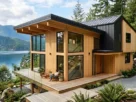
Landscape Design Can Create Privacy Without Fences
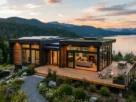
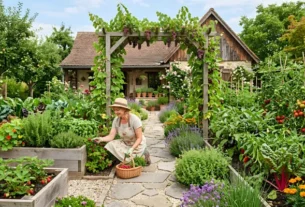
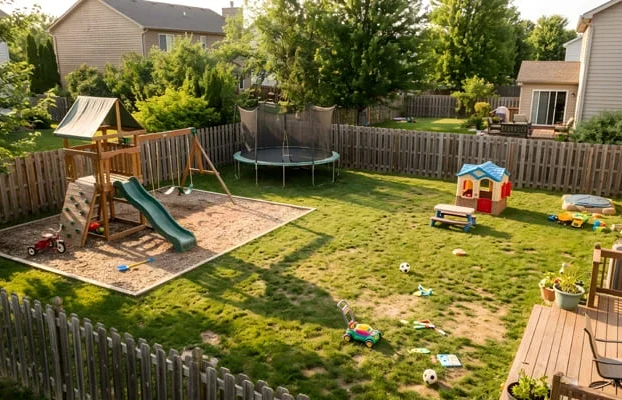
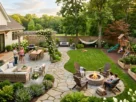
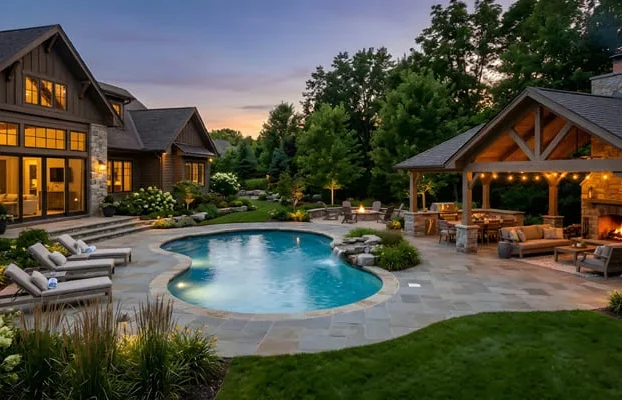
How thoughtful landscape design uses vegetation, topography, and architectural elements to create natural privacy in outdoor spaces without fences.
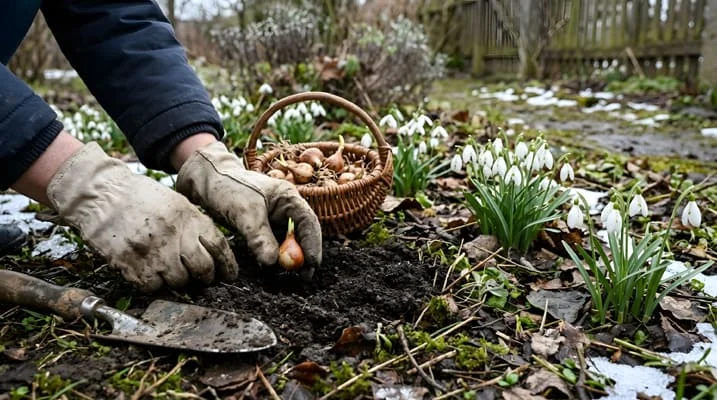
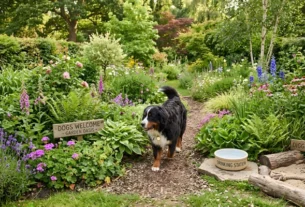
Overview of plant classifications highlighting vascular and non-vascular types, seed-producing groups, and their roles in ecosystems, gardening, and landscap…
How different window types and their placement affect natural light, ventilation, privacy, and architectural character to enhance comfort and energy efficien…
How typical homes in small cities and city centers adapt design, materials, and layout to regional climate and culture, balancing tradition and urban needs.
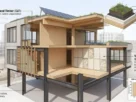
How intentional architectural design shapes a personal home through climate response, spatial flow, and cultural context to enhance comfort and belonging.
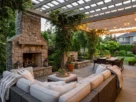
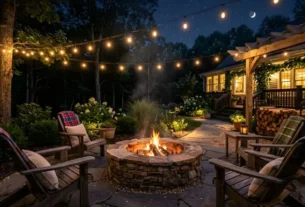
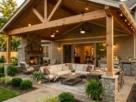
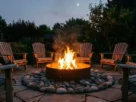
How outdoor rooms differ from outdoor living areas: architectural integration, design strategies balancing comfort and function, and enhancing home continuity.
How to grow lisianthus flowers in varied climates: soil needs, watering tips, and maintenance strategies to adapt care for healthy blooms indoors or outdoors.
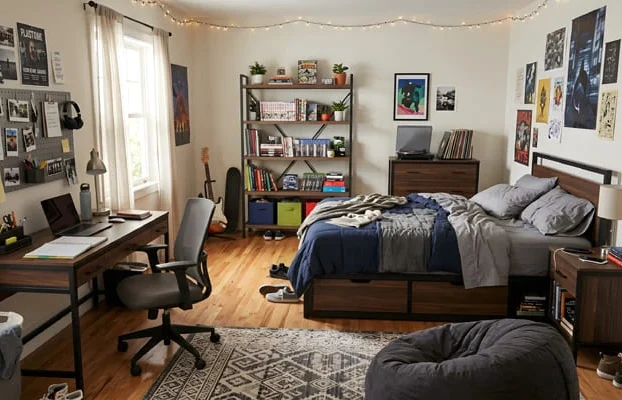
How intentional design balances physical and psychological comfort with minimalist living, creating homes that feel calm, functional, and inviting.
How everyday rituals shape residential architecture by aligning spatial design with human behavior, fostering comfort, well-being, and mindful living rhythms.
How natural materials and soft lighting create a calm, healthy baby room by improving air quality, tactile comfort, and supporting sleep and development.