
Landscaping architecture is the art and science of designing outdoor spaces that harmonize with the built environment. It is essential for creating residential environments that are climate-conscious, human-centered, and architecturally coherent. Skilled landscaping architecture enhances both the functionality and beauty of a property while respecting nature and the way people live.
Integrating landscaping architecture into residential projects presents unique challenges and opportunities. From adapting to local climates to ensuring spaces feel calm, intentional, and purposeful, this discipline requires a deep understanding of both architecture and ecology. Thoughtful design bridges the indoors and outdoors seamlessly, offering sustainable and comfortable living environments.
This article explores how to combine landscaping architecture with architectural design in a way that is residential-focused, climate-aware, and human-centered. It covers practical strategies, technical insights, and examples that convey a slow, intentional approach to outdoor spaces that truly serve their inhabitants.
Understanding the Fundamentals of Landscaping Architecture
Defining Landscaping Architecture in Residential Contexts
Landscaping architecture involves designing outdoor spaces with a focus on sustainability, aesthetics, and functionality within residential settings. It transcends mere decoration by embedding architectural principles that address how residents interact with their environment. This approach respects natural ecosystems while enhancing daily life.
By considering factors like topography, native vegetation, and climate, landscaping architecture creates spaces that are both beautiful and resilient. The design process includes site analysis, material selection, and long-term maintenance planning, ensuring spaces evolve gracefully over time.
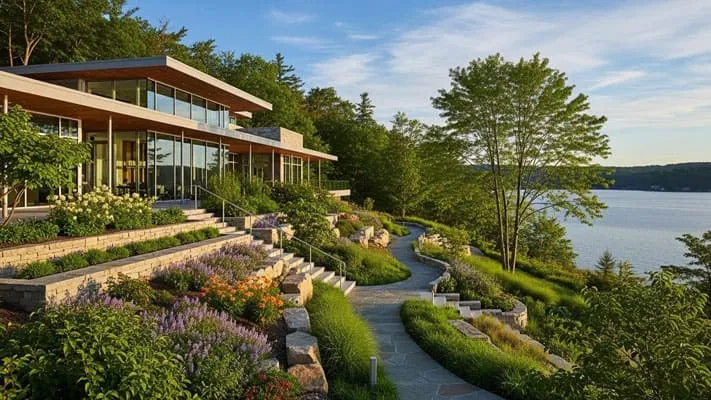
Residential landscaping architecture emphasizes a balance between built structures and the natural world, fostering environments that encourage relaxation, social interaction, and connection to nature.
Key Principles Guiding Landscaping Architecture Designs
Successful landscaping architecture relies on principles such as harmony, sustainability, functionality, and human-centered design. Harmony integrates natural and built elements to create cohesive spaces that feel intentional and calm. Sustainability focuses on using native plants, conserving water, and minimizing environmental impact.
Functionality addresses how spaces support daily activities and movement flow, while human-centered design prioritizes comfort, accessibility, and sensory experience. These principles ensure designs are not only visually appealing but also practical and meaningful.
Applying these concepts thoughtfully results in landscapes that enhance well-being and reflect the lifestyle and values of their users.
Benefits of Integrating Landscaping Architecture in Home Design
Integrating landscaping architecture into home design offers several benefits including improved thermal comfort, increased property value, and enhanced mental health.
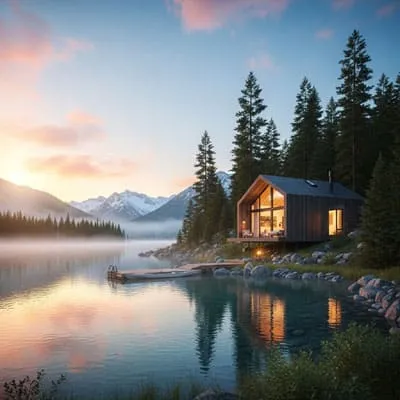
Thoughtful landscaping can mitigate urban heat, reduce energy use, and manage stormwater effectively.
On a social level, well-designed outdoor spaces foster community interaction and provide tranquil retreats, contributing to residents’ overall quality of life. This holistic approach also supports biodiversity by creating habitats for local wildlife.
Ultimately, landscaping architecture transforms outdoor areas from mere surroundings into integral parts of residential living.
Climate-Conscious Landscaping Architecture Strategies
Adapting Designs to Local Climate Conditions
- Analyze microclimates to optimize plant selection and placement.
- Incorporate shade structures and windbreaks to improve comfort.
- Utilize permeable surfaces to enhance water infiltration.
- Design water-efficient irrigation systems tailored to precipitation patterns.
- Choose native and drought-resistant species to reduce maintenance.
For effective climate adaptation, designers must understand the local environment’s nuances. Microclimates within residential sites influence temperature, sunlight, and wind exposure, shaping design decisions. Incorporating shading elements, such as pergolas or deciduous trees, helps moderate temperatures naturally.
Permeable paving and rain gardens manage runoff while supporting groundwater recharge. Selecting plants adapted to local climate reduces irrigation needs and fosters ecological balance.
Incorporating Sustainable Materials and Practices
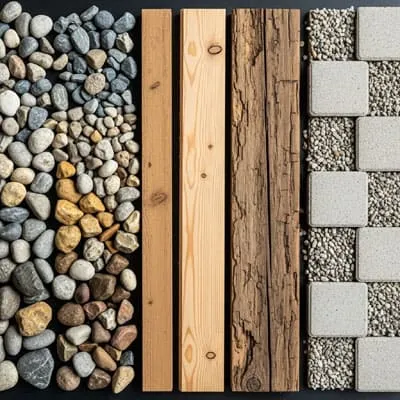
Sustainable landscaping architecture incorporates materials with low environmental footprints, such as recycled stone, sustainably harvested wood, and permeable pavers. These choices reduce resource extraction and promote durability.
Practices like composting, mulching, and organic pest control support soil health and biodiversity. Using rainwater harvesting systems and smart irrigation further conserves resources.
Such strategies align landscaping with broader goals of resilience and environmental stewardship, essential for modern residential projects.
Balancing Aesthetics and Environmental Responsibility
Achieving a balance between visual appeal and ecological function is crucial in climate-aware landscaping architecture. Native plants can be arranged to create dynamic textures and colors that evolve seasonally, offering year-round interest.
Designers integrate natural elements like stone and wood to complement architectural lines, ensuring the outdoor environment feels intentional rather than decorative. Wildlife-friendly features like birdhouses and pollinator gardens enrich habitat diversity.
This balance reflects a deep understanding of how beauty and sustainability coexist in residential landscapes.
| Material | Environmental Impact | Maintenance Requirements |
| Recycled Stone | Low – Reuses existing resources | Low – Durable and weather-resistant |
| Permeable Pavers | Moderate – Enhances water infiltration | Medium – Requires periodic cleaning |
| Sustainably Harvested Wood | Low – Renewable with certification | Medium – Needs treatment for longevity |
Human-Centered Approaches in Landscaping Architecture
Designing for Comfort and Accessibility
- Incorporate wide, smooth pathways for easy navigation.
- Include seating areas with ergonomic design and shade.
- Use lighting that enhances safety without glare.
- Create sensory-rich environments with diverse textures and scents.
- Ensure spaces accommodate all ages and abilities.
- Integrate shelter from elements for year-round usability.
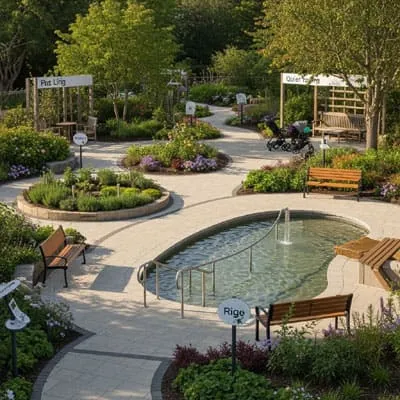
Human-centered landscaping architecture prioritizes the comfort and needs of residents. Accessibility is fundamental, with pathways designed for wheelchairs and strollers, and seating placed strategically for rest and socialization.
Lighting solutions enhance usability at night while maintaining ambiance. Sensory elements—such as fragrant plants and textured surfaces—engage users and foster connection with the environment, creating spaces that truly feel welcoming and inclusive.
Encouraging Social Interaction and Privacy
Effective landscaping architecture balances communal spaces with private retreats. Design elements like seating clusters promote conversation, while natural barriers such as hedges create intimate zones.
Outdoor rooms defined by hardscape and planting provide versatile spaces for gatherings or solitude. The layout considers sightlines and noise buffering to enhance both social connection and personal privacy.
This nuanced approach respects diverse lifestyle patterns and enhances residents’ emotional well-being.
Fostering Connection to Nature and Well-Being
Landscaping architecture supports mental and physical health by facilitating regular contact with nature. Features such as water elements, natural light, and views of greenery reduce stress and promote relaxation.
Gardening spaces and trails encourage physical activity and engagement, fostering a sense of purpose and accomplishment. Thoughtful plant selection enhances seasonal changes that enrich the sensory experience throughout the year.
These aspects create restorative environments that nurture holistic well-being.
Architectural Integration with Landscaping Architecture
Aligning Landscape and Building Design Language
- Match materials and colors between architecture and landscape elements.
- Extend architectural lines into outdoor spaces for visual continuity.
- Use complementary geometric patterns and forms.
- Create transitions that blend interior and exterior boundaries.
- Incorporate landscape elements that echo architectural features.
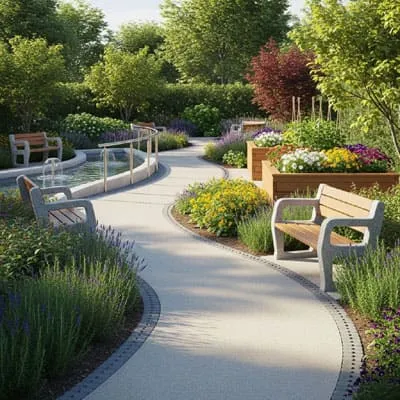
Successful integration of landscaping architecture with building design fosters a seamless flow between inside and outside environments. Material palettes and finishes carry over to patios and walkways, reinforcing design coherence.
Architectural motifs, such as repeating angles or curves, are echoed in planting patterns and hardscape, creating harmony. Transitional spaces like verandas or courtyards soften the boundary between built and natural realms.
This intentional alignment elevates both architecture and landscape as parts of a unified whole.
Designing Outdoor Spaces as Extensions of Interiors
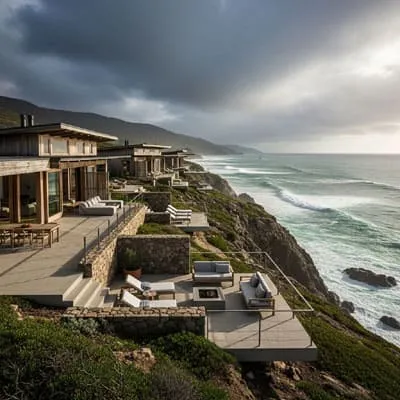
Outdoor areas can function as true extensions of interior living spaces, expanding usable square footage and enhancing lifestyle. Consider outdoor kitchens, dining areas, or lounges that mirror indoor functions.
Materials and furniture are selected for durability and comfort, aligned with interior style. Visual and physical connections, such as large sliding doors or floor-level thresholds, facilitate seamless movement.
This approach encourages residents to inhabit outdoor spaces effortlessly, enriching daily life.
Managing Scale and Proportion Between Landscape and Architecture
Maintaining appropriate scale and proportion is critical in landscaping architecture to prevent outdoor spaces from overwhelming or feeling disconnected from the home. Vegetation height and massing are balanced with building dimensions.
Hardscape elements use measured proportions to complement architectural features without dominating. Sightlines and focal points guide perception, creating balanced spatial relationships.
Thoughtful scale management ensures a calming, intentional environment that supports architectural intent.
| Element | Architectural Role | Landscape Counterpart |
| Material Palette | Façade cladding and finishes | Patios, walls, and paving |
| Lines & Forms | Building geometry and rhythm | Planting patterns and pathways |
| Transitions | Entryways and thresholds | Terraces and porches |
Slow and Intentional Landscaping Architecture Practices
Planning for Longevity and Growth
- Choose plant species suited for long-term development and climate resilience.
- Design spaces that evolve naturally with seasonal and ecological changes.
- Implement maintenance plans that support healthy growth cycles.
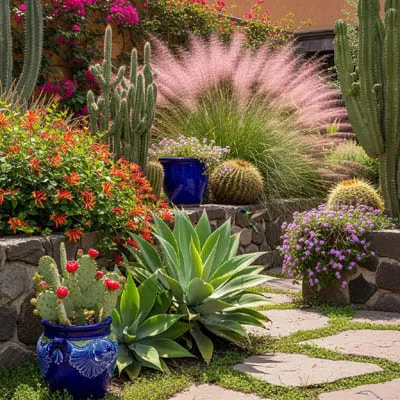
Slow landscaping architecture emphasizes patience and foresight, allowing outdoor environments to mature gracefully. Selecting robust, locally adapted plants reduces the need for frequent replacement and fosters dynamic ecosystems.
Planning anticipates growth patterns, ensuring that mature vegetation complements the architecture rather than obstructing or overwhelming it. Maintenance focuses on nurturing rather than reshaping nature.
Embracing Minimalism and Restraint
Intentional landscaping architecture avoids over-ornamentation, favoring simplicity that highlights natural beauty and architectural form. Minimalist designs use restrained palettes of plants and materials to create calm, uncluttered spaces.
This restraint encourages mindfulness and appreciation of subtle details, fostering a slower, more meaningful interaction with the environment. It also simplifies upkeep and reduces resource consumption.
Minimalism supports the overall ethos of calm and intentional living embedded in landscaping architecture.
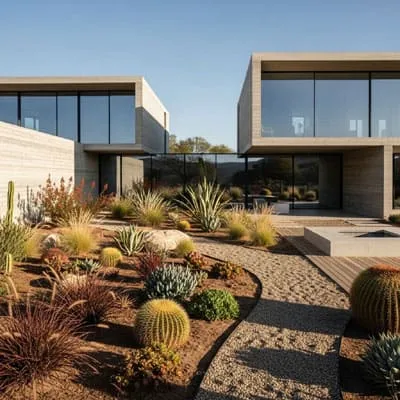
Encouraging Mindful Interaction with Outdoor Spaces
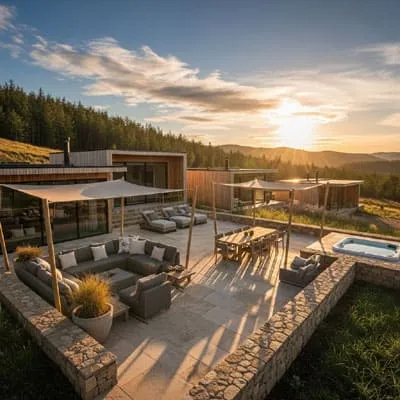
Designs promote activities that foster presence and connection, such as meditation areas, contemplative walks, or gardening corners. These spaces invite users to slow down and engage deeply with their surroundings.
Landscaping architecture incorporates sensory elements like textured plants, bird sounds, and water features to enrich experience. This mindful interaction enhances mental clarity and emotional balance.
By designing for intentional use, landscapes become living parts of residents’ wellness routines.
International Perspectives in Landscaping Architecture
Adapting Global Design Concepts to Local Contexts
Landscaping architecture benefits from international influences such as Japanese minimalism, Mediterranean drought-tolerant gardening, or Scandinavian naturalism. However, these concepts must be carefully adapted to local climate, culture, and ecology.
Successful adaptation respects native species, traditional practices, and community needs while incorporating global innovations. This fusion enriches residential landscapes with universal appeal grounded in place.
Designers balance inspiration with sensitivity to context, creating landscapes that feel both worldly and rooted.
Cross-Cultural Inspirations in Residential Landscapes
Elements like Zen rock gardens, Tuscan terraces, or tropical courtyard designs offer diverse approaches to outdoor living.
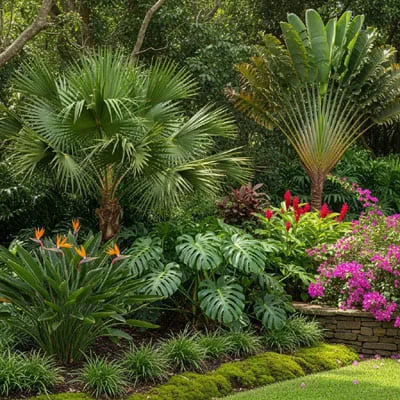
These styles emphasize harmony, comfort, and connection to nature, aligning well with contemporary landscaping architecture values.
Incorporating such inspirations requires understanding their symbolic meanings and functional roles to avoid superficial application. Thoughtful integration enhances the emotional and aesthetic quality of landscapes.
This cross-cultural dialogue fosters innovation and richness in residential outdoor design.
Global Trends Influencing Future Landscaping Architecture
Emerging trends include biophilic design, regenerative landscaping, and smart irrigation technologies. These advances reflect growing awareness of environmental challenges and human well-being.
Landscaping architecture increasingly incorporates digital tools for precision planning and monitoring, enhancing resource efficiency. Trends also emphasize inclusivity and multisensory experiences to meet diverse residential needs.
Staying informed about global developments equips architects and designers to create forward-thinking, resilient landscapes.
Performance and SEO-Optimized Landscaping Architecture
Optimizing Outdoor Spaces for Environmental Performance
- Implement green roofs and walls to improve insulation.
- Use rainwater harvesting to reduce potable water use.
- Design for natural ventilation and shading to lower cooling demand.
- Integrate solar lighting powered by renewable energy.
- Incorporate permeable surfaces to manage runoff efficiently.
Performance-focused landscaping architecture prioritizes ecological function alongside aesthetics. Green infrastructure elements improve energy efficiency and support biodiversity.
Water management through harvesting and permeable paving reduces strain on municipal systems and enhances site resilience. Renewable technologies ensure outdoor features operate sustainably.
These measures elevate both environmental and economic value of residential landscapes.
SEO Best Practices for Landscaping Architecture Content
Creating content on landscaping architecture optimized for search engines involves natural keyword integration, semantic variations, and readable structure. Using targeted phrases like “landscaping architecture” alongside related terms improves relevance.
Clear headings, bullet lists, and tables enhance scanability and user experience, factors valued by Google algorithms. Including authoritative external links supports credibility and search ranking.
Balancing keyword density without overuse maintains content quality, encouraging engagement and sharing.
Measuring and Improving Project Outcomes
Tracking metrics such as energy savings, biodiversity indices, and user satisfaction helps evaluate landscaping architecture success. Post-occupancy evaluations inform adjustments and improvements.
Digital tools and sensors provide data for ongoing performance monitoring, enabling adaptive management. This continuous improvement approach ensures landscapes remain efficient, beautiful, and user-friendly over time.
Documenting outcomes also supports marketing and educational efforts, demonstrating the value of thoughtful landscaping architecture.
| Performance Metric | Measurement Method | Improvement Strategy |
| Energy Savings | Utility bill analysis and thermal imaging | Plant native species and create wildlife corridors |
| Biodiversity | Species inventory and habitat assessments | Plant native species and create wildlife corridors |
| User Satisfaction | Surveys and behavioral observations | Adjust seating, lighting, and accessibility features |
Residential Landscaping Architecture: Materials and Techniques
Choosing Materials That Complement Architectural Style
- Natural stone for rustic and timeless appeal.
- Concrete for modern, clean lines.
- Wood for warmth and organic texture.
- Metal accents for industrial or contemporary aesthetics.
Material choice is crucial in landscaping architecture to create cohesion with residential architecture. Natural stone offers durability and integrates well with traditional designs, while concrete suits minimalist and modern homes.
Wood elements add warmth and softness, contrasting with hard surfaces, and metal can provide sleek details that emphasize structure. Selecting materials with appropriate finishes and maintenance requirements ensures longevity and aesthetic harmony.
Techniques for Sustainable Landscaping Construction
Employing sustainable construction techniques—such as minimizing soil disturbance, preserving existing trees, and using modular components—reduces environmental impact. Incorporating permeable pavements and bio-swales manages stormwater onsite.
Techniques also include integrating irrigation systems that optimize water use and selecting plants that require minimal chemical inputs. Using local materials reduces transportation emissions and supports regional economies.
These construction methods align with the principles of landscaping architecture focused on environmental responsibility and durability.
Innovations in Landscaping Architecture Materials
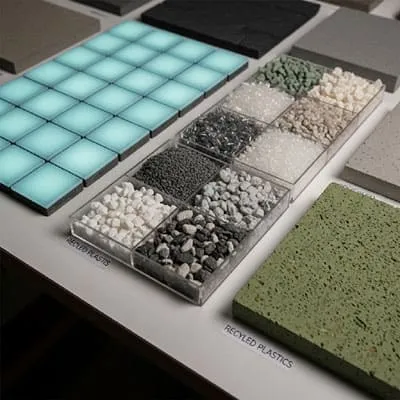
Innovative materials like photoluminescent pavers, recycled plastics, and green concrete are gaining traction. These options offer enhanced functionality, sustainability, and aesthetic possibilities.
Photoluminescent materials improve nighttime safety without electrical consumption, while recycled plastics reduce waste and provide durable surfaces. Green concrete incorporates waste byproducts, lowering carbon footprint.
Embracing such innovations helps create cutting-edge residential landscapes that remain environmentally and architecturally relevant.
Landscaping Architecture
Landscaping architecture is a vital discipline that intricately combines outdoor design with residential architecture to create sustainable, climate-aware, and human-centered environments. Through careful material selection, climate adaptation, and thoughtful integration, these landscapes become extensions of the home that enhance comfort, well-being, and ecological balance.
By embracing slow, intentional design and global perspectives, landscaping architecture offers timeless solutions that reflect how people truly live. Homeowners and designers alike benefit from approaching outdoor spaces with expertise and care, ensuring lasting beauty and functionality.
Frequently Asked Questions
What Distinguishes Landscaping Architecture from Traditional Landscaping?
Landscaping architecture applies architectural principles to outdoor spaces, focusing on sustainability, function, and integration with buildings rather than purely decorative gardening. It considers long-term site ecology and human experience.
How Does Landscaping Architecture Enhance Energy Efficiency in Homes?
By incorporating shading, windbreaks, green roofs, and water management, landscaping architecture reduces heating and cooling demands, lowers energy consumption, and improves thermal comfort inside homes.
Can Landscaping Architecture Increase a Property’s Value?
Yes, thoughtfully designed landscaping architecture enhances curb appeal, usability, and environmental performance, all of which contribute to higher property value and marketability.
Is Native Plant Selection Important in Landscaping Architecture?
Absolutely. Native plants are adapted to local climates, require less maintenance, support biodiversity, and help create resilient, sustainable landscapes aligned with architectural intent.
How Can Landscaping Architecture Accommodate Accessibility Needs?
Designs include smooth, wide paths, appropriate seating, clear lighting, and sensory elements that ensure outdoor spaces are enjoyable and usable by people of all ages and abilities.

Architect with extensive experience in residential and commercial design, including renovations and modular construction. Love to share information about Architecture, home and lifestyle in this blog.