
Creating a sustainable garden is essential in today’s world where environmental consciousness guides many aspects of residential living. A sustainable garden focuses on minimizing environmental impact while optimizing natural resources, making it a smart, climate-aware choice for homeowners. Understanding what a sustainable garden entails and why it matters is the first step toward cultivating a green space that thrives with minimal maintenance.
Many homeowners face challenges such as water scarcity, soil degradation, and biodiversity loss. These issues highlight the need for garden designs that respect ecological balance and reduce dependency on external inputs. A sustainable garden offers a solution by integrating climate-smart practices that enhance resilience and promote harmony with nature.
This article explores how to create a low-maintenance sustainable garden by focusing on practical architectural strategies, plant selection, and resource efficiency. The guidance provided aims to support homeowners in developing gardens that are not only environmentally responsible but also calm, intentional, and human-centered.
Design Principles for a Sustainable Garden
Integrating Climate-Adaptive Landscaping
Climate-adaptive landscaping is fundamental when planning a sustainable garden. It involves selecting plants and garden layouts that respond well to local weather patterns, reducing the need for excessive watering or artificial climate control. This approach enhances the garden’s ability to withstand droughts, floods, or temperature fluctuations.
Incorporating native plant species supports local ecosystems and requires fewer inputs like fertilizers or pesticides. Thoughtful placement of trees and shrubs can also provide natural shading and windbreaks, improving the microclimate of your garden and home.
By aligning garden design with regional climate realities, you ensure long-term sustainability and reduce maintenance efforts.
Efficient Water Management Techniques
Water conservation is a critical aspect of sustainable garden design. Employing rainwater harvesting systems and drip irrigation can significantly reduce water waste.
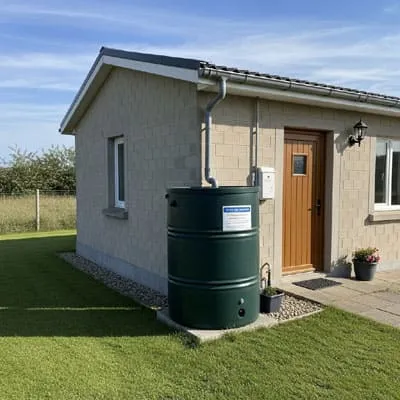
These techniques target water delivery directly to plant roots, minimizing evaporation and runoff.
Creating rain gardens or bioswales helps manage stormwater naturally, filtering pollutants and recharging groundwater. Mulching garden beds also retains soil moisture and suppresses weed growth.
Together, these water management methods contribute to a resilient garden that thrives on sustainable resource use.
Soil Health and Sustainable Practices
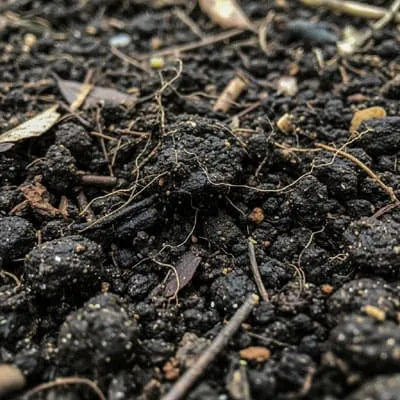
Maintaining soil health is vital for a sustainable garden. Avoiding chemical fertilizers and pesticides preserves soil biodiversity and prevents contamination.
Instead, use organic compost and green manures to enrich soil fertility naturally.
Implementing crop rotation and cover cropping techniques prevents nutrient depletion and erosion. Soil testing before planting helps tailor amendments to specific garden needs, ensuring optimal plant growth.
Healthy soil supports robust plants that require less maintenance and are more resistant to pests and diseases.
Choosing Plants for a Sustainable Garden
Native and Drought-Tolerant Species
- California Poppy (Eschscholzia californica)
- Lavender (Lavandula angustifolia)
- Succulents like Agave and Sedum
- Prairie Grasses such as Little Bluestem
- Wildflowers adapted to local conditions
Native plants are adapted to the local climate and soil, making them ideal for sustainable gardens. They demand less water, fertilizer, and care while supporting native wildlife such as pollinators. Drought-tolerant species further reduce irrigation needs, crucial in regions facing water restrictions.
Choosing a mix of these plants ensures year-round interest and biodiversity, enhancing the garden’s ecological value and resilience.
Perennials and Edible Plants
Incorporating perennials and edible plants creates a sustainable garden that offers both beauty and utility. Perennials return year after year, reducing the need for replanting and soil disturbance. Edible plants such as herbs, vegetables, and fruit bushes provide fresh, homegrown produce, decreasing reliance on commercial agriculture.
This combination supports a slow and intentional lifestyle, encouraging mindful interaction with your green space and fostering a deeper connection to nature.
Perennial root systems improve soil structure, while edible gardens can be designed to complement native landscaping for a holistic approach.
Plant Placement for Optimal Growth
Strategic plant placement is key to minimizing maintenance in a sustainable garden. Group plants with similar water and sunlight needs together to streamline care routines.
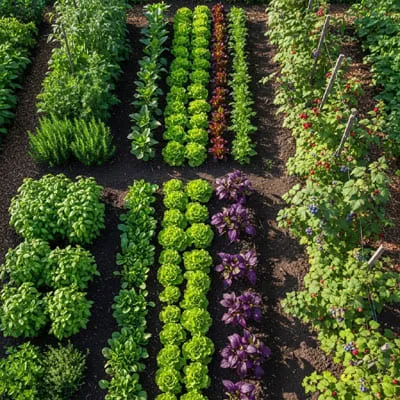
Position taller plants to provide shade for more delicate species, reducing water evaporation.
Consider plant layering—from ground covers to shrubs and trees—to maximize space and create natural habitats. This architectural approach not only enhances aesthetics but also supports energy conservation by influencing microclimates.
Proper spacing improves airflow, reducing disease risks and promoting healthy growth.
Materials and Infrastructure for Sustainability
Eco-Friendly Hardscaping Options
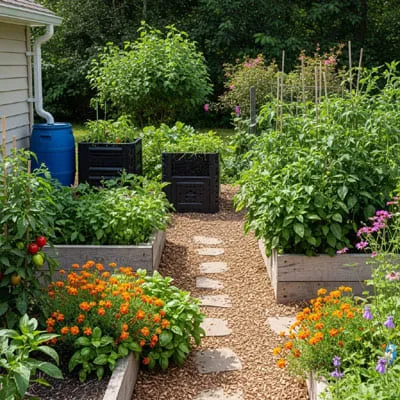
Hardscaping materials play a crucial role in sustainable garden design. Opt for permeable paving like gravel, porous concrete, or recycled materials that allow rainwater infiltration, reducing runoff and replenishing groundwater.
Using locally sourced stone or sustainably harvested wood decreases the carbon footprint associated with transportation and manufacturing. Avoiding non-biodegradable plastics and synthetic composites ensures that the garden infrastructure remains environmentally responsible.
These choices provide durability and functionality without compromising ecological integrity.
Composting and Waste Reduction Systems
A sustainable garden integrates composting systems to recycle organic waste into nutrient-rich soil amendments. Kitchen scraps, garden clippings, and fallen leaves can be composted on-site using bins or tumblers.
Reducing waste through composting lowers landfill contributions and cuts down on synthetic fertilizer use. It also supports soil health by returning valuable nutrients back to the earth.
Implementing waste reduction practices aligns with a slow, intentional lifestyle centered on resource stewardship.
Energy-Efficient Garden Lighting
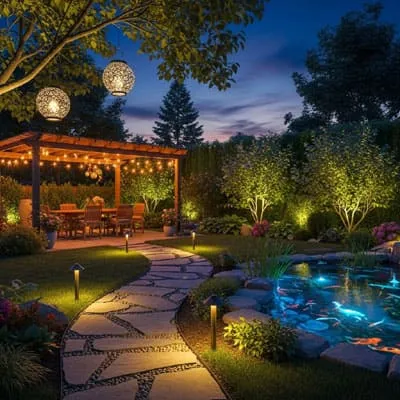
Lighting can enhance a garden’s usability while maintaining sustainability. Use solar-powered LED lights to illuminate pathways and focal points without increasing energy consumption.
Motion sensors and timers help minimize unnecessary use.
Choosing warm light tones preserves nocturnal wildlife and contributes to a calming garden atmosphere. Thoughtful lighting design balances functionality with environmental sensitivity.
This approach supports a human-centered garden experience that respects natural rhythms.
Water Conservation Strategies for Sustainable Gardens
Rainwater Harvesting Techniques
Rainwater harvesting is a smart strategy for reducing dependence on municipal water supplies. Installing rain barrels or cisterns collects runoff from roofs, which can be used for irrigation during dry periods.
This method conserves water and lowers utility bills. It also prevents erosion and pollution caused by excessive stormwater runoff.
Integrating rainwater systems with drip irrigation enhances efficiency and supports sustainable garden maintenance.
Mulching Benefits and Types
| Mulch Type | Benefits | Best Use |
| Organic Mulch (wood chips, straw) | Improves soil fertility, retains moisture, suppresses weeds | Flower beds, vegetable gardens |
| Inorganic Mulch (gravel, rubber) | Long-lasting, low maintenance, controls erosion | Pathways, xeriscapes |
| Living Mulch (ground cover plants) | Enhances biodiversity, prevents erosion | Gentle slopes, shaded areas |
Mulching reduces evaporation and moderates soil temperature. Selecting the right mulch type enhances the garden’s sustainability by improving soil conditions and minimizing weed growth.
Efficient Irrigation Systems
Drip irrigation and soaker hoses deliver water directly to plant roots, reducing waste and improving plant health. These systems can be automated with timers and soil moisture sensors for precision watering.
Compared to traditional sprinklers, efficient irrigation conserves water and lowers maintenance demands. Tailoring irrigation schedules to plant needs prevents overwatering and runoff.
Adopting these technologies supports a sustainable garden’s long-term water management goals.
Soil Management in Sustainable Garden Practices
Organic Soil Amendments
Using organic soil amendments such as compost, manure, and biochar enriches soil structure and fertility naturally. These materials improve water retention and nutrient availability, fostering healthy root development.
Organic amendments encourage beneficial microbial activity essential for nutrient cycling. Avoiding synthetic chemicals protects soil life and prevents contamination.
Integrating these amendments is key to sustaining productive garden ecosystems over time.
Cover Crops and Green Manures
- Legumes (clover, vetch) fix nitrogen in the soil
- Grasses (rye, oats) prevent erosion and improve organic matter
- Brassicas (mustard, radish) help control soil-borne pests
- Mixes tailored to specific soil needs enhance biodiversity
- Seasonal rotation supports continual soil nourishment
Cover crops and green manures protect and rejuvenate soil during off-season periods. They reduce weed pressure, improve soil texture, and contribute to sustainable nutrient management.
Employing these practices reduces the need for external inputs and supports a balanced garden ecosystem.
Soil Testing and Monitoring
| Test Parameter | Importance | Recommended Action |
| pH Level | Determines nutrient availability | Adjust with lime or sulfur as needed |
| Nutrient Content (N, P, K) | Essential for plant growth | Amend with organic fertilizers based on results |
| Soil Texture | Impacts water retention and drainage | Improve with organic matter additions |
Regular soil testing guides precise amendment applications, preventing overuse of fertilizers and enhancing sustainable garden performance. Monitoring soil conditions ensures that plants receive optimal support throughout their growth cycle.
Promoting Biodiversity in a Sustainable Garden
Attracting Pollinators and Beneficial Wildlife

Incorporating flowering plants, native shrubs, and water features attracts pollinators such as bees, butterflies, and birds. Beneficial insects like ladybugs and predatory beetles support natural pest control.
Design elements like insect hotels and birdhouses create habitats that encourage biodiversity and ecological balance. These wildlife-friendly features enhance garden health and productivity.
Promoting biodiversity aligns with sustainable gardening by fostering resilient ecosystems.
Creating Diverse Plant Communities
Planting a variety of species with different heights, bloom times, and ecological functions supports a dynamic garden environment. Diverse plant communities enhance soil health, improve pest resistance, and offer continuous habitat for wildlife.
This approach reduces the risk of monoculture failure and increases the aesthetic and ecological value of the garden.
Encouraging natural succession and plant interrelationships reflects an architectural mindset focused on long-term sustainability.
Natural Pest and Disease Management
- Encourage predators through habitat provision
- Use companion planting to deter pests
- Apply organic treatments only when necessary
- Maintain plant health to increase resistance
Natural pest management avoids chemical inputs, preserving soil and water quality. Companion planting, such as marigolds with vegetables, can repel harmful insects naturally.
This method supports a balanced ecosystem and reduces garden maintenance efforts.
Maintenance Practices for a Low-Upkeep Sustainable Garden
Seasonal Care and Pruning
Regular seasonal maintenance keeps a sustainable garden healthy and manageable. Pruning promotes airflow and growth control, preventing overcrowding and disease. Timing is essential to avoid disrupting pollinators or plant cycles.
Seasonal cleanup removes debris that can harbor pests while preparing plants for dormancy or growth phases. Planned maintenance reduces the need for intensive interventions later.
A calm and intentional approach to upkeep aligns with sustainable garden values.
Mulch Renewal and Soil Care
- Replenish organic mulch annually to maintain moisture retention
- Monitor soil health to adjust amendments as needed
- Avoid soil compaction by limiting foot traffic
- Integrate compost to enhance microbial activity
Maintaining mulch layers and soil vitality supports plant health and reduces weed growth. These practices sustain garden productivity with minimal labor.
They contribute to a slow gardening rhythm focused on ecosystem balance rather than quick fixes.
Monitoring and Adjusting Irrigation
Adjusting irrigation schedules seasonally ensures water efficiency and plant health. Excessive watering can lead to root rot, while insufficient moisture stresses plants. Monitoring soil moisture with sensors or manual checks helps optimize irrigation.
Automated systems can be fine-tuned to weather conditions, reducing waste. Periodic inspection of irrigation infrastructure prevents leaks and blockages.
This ongoing attention maintains a sustainable garden’s water balance with low hands-on effort.
Benefits of Sustainable Gardens for Residential Living
Environmental Impact Reduction
Sustainable gardens decrease water consumption, reduce chemical use, and enhance biodiversity. By adopting eco-friendly practices, homeowners contribute to mitigating climate change and habitat loss.
These gardens improve air quality and soil health, creating a healthier living environment for residents and wildlife alike.
The collective impact of sustainable residential gardens supports broader ecological resilience.
Enhanced Property Value and Aesthetic Appeal
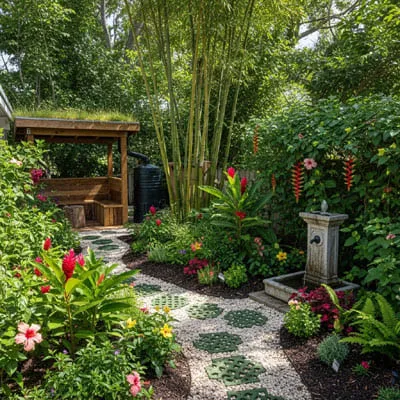
Well-designed sustainable gardens offer timeless beauty that integrates naturally with the home’s architecture. They provide serene outdoor spaces that promote mental well-being and relaxation.
Energy-efficient landscaping can lower utility costs and increase property marketability. Buyers increasingly value environmentally responsible features.
Investing in sustainability elevates both the functional and aesthetic qualities of residential gardens.
Health and Lifestyle Improvements
- Access to fresh, homegrown food improves nutrition
- Gardening supports physical activity and stress reduction
- Exposure to nature enhances mental clarity and mood
A sustainable garden encourages a mindful, slow lifestyle that reconnects people with nature. It fosters a sense of stewardship and community engagement through shared environmental responsibility.
This human-centered design approach enriches residential life beyond aesthetics.
Sustainable Garden
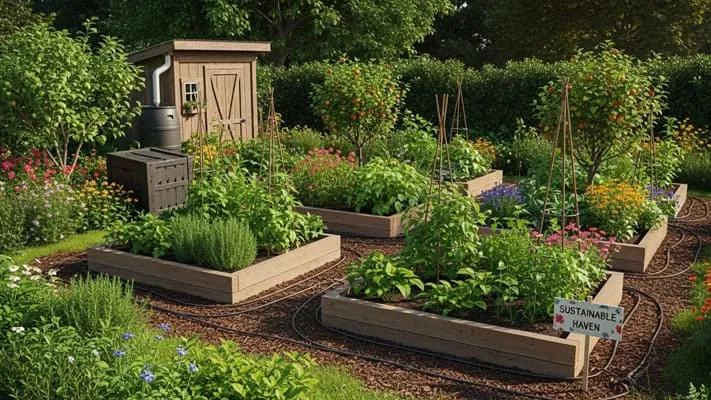
A sustainable garden combines thoughtful design, plant selection, and resource management to create a low-maintenance, environmentally responsible outdoor space. Employing climate-adaptive landscaping, efficient water use, and organic soil practices ensures long-term garden resilience and vitality.
By promoting biodiversity and embracing slow, intentional maintenance, homeowners can enjoy a peaceful, productive garden that supports both ecological health and personal well-being. Starting your sustainable garden is a meaningful step toward a greener, more balanced way of living.
Frequently Asked Questions
What is the First Step in Creating a Sustainable Garden?
Begin by assessing your local climate, soil conditions, and available space. This information guides plant selection and design choices that minimize resource use and maximize resilience. Planning with sustainability in mind ensures a successful, low-maintenance garden.
How Can I Reduce Water Use in My Sustainable Garden?
Implement rainwater harvesting, use drip irrigation, and apply mulch to retain soil moisture. Selecting drought-tolerant and native plants also decreases water demand. Efficient watering practices help conserve this vital resource while supporting healthy plant growth.
Are Native Plants Better for Sustainable Gardens?
Yes, native plants are adapted to local environments, requiring less water and fertilizer. They support local wildlife and pollinators, enhancing biodiversity. Using native species is a cornerstone of sustainable gardening, fostering ecological balance.
Can Sustainable Gardens Help Improve Soil Quality?
Absolutely. Sustainable gardening uses organic amendments like compost and cover crops to enrich soil naturally. These practices increase microbial activity, improve structure, and prevent erosion, leading to healthier and more productive soils over time.
What Maintenance is Required for a Low-maintenance Sustainable Garden?
Focus on seasonal pruning, mulch renewal, soil monitoring, and adjusting irrigation. These simple, intentional tasks keep the garden healthy and reduce the need for chemical inputs or intensive labor, aligning with a slow, sustainable gardening philosophy.
For further authoritative guidance, visit the EPA Green Infrastructure resources and USDA Organic Agriculture program.

Architect with extensive experience in residential and commercial design, including renovations and modular construction. Love to share information about Architecture, home and lifestyle in this blog.