
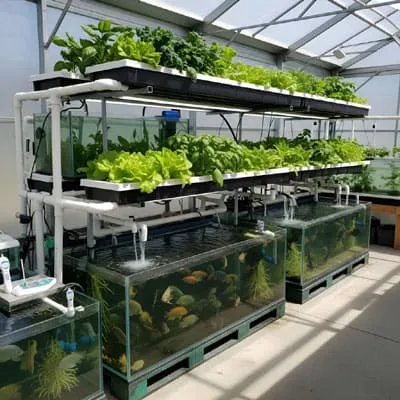
A sustainable garden represents a thoughtful approach to cultivating green spaces that prioritize ecological balance, resource efficiency, and long-term health of the environment. It embraces practices that minimize waste, conserve water, and foster biodiversity, making it essential for residential settings aiming to reduce their ecological footprint. Understanding how to implement an aquaponic garden is crucial for homeowners who want to create resilient, low-maintenance indoor and outdoor areas that harmonize with their local climate and lifestyle.
In urban and suburban homes, challenges such as limited space, water restrictions, and soil degradation necessitate innovative solutions for sustainable gardening. These constraints encourage adopting strategies that optimize plant selection, soil management, and water use, ensuring gardens not only survive but thrive sustainably. By integrating sustainable garden principles, homeowners can enhance their property’s value, support local ecosystems, and contribute to broader environmental goals.
This article explores diverse aspects of sustainable garden design and maintenance, emphasizing practical, climate-aware, and human-centered approaches. We will delve into efficient water use, soil health, plant diversity, and architectural integration to provide a comprehensive guide tailored for residential gardeners seeking intentional and calm green spaces.
Designing a Resilient Sustainable Garden
Principles of Sustainable Garden Planning
Creating a resilient sustainable garden begins with understanding the local environment and climate. This planning stage involves assessing sunlight, wind patterns, soil quality, and water availability to inform plant selection and layout. Sustainable garden design focuses on minimizing external inputs while maximizing ecosystem services like pollination and natural pest control.
Adopting native plants and drought-resistant species helps ensure the garden adapts to environmental stresses with minimal intervention. Additionally, integrating multi-functional elements such as rain gardens and permeable pathways supports water management and soil conservation.
Intentional design promotes slow, thoughtful development of the garden, allowing natural processes to guide growth and change. This approach aligns with human-centered principles, ensuring the space remains both functional and restful for its users.
Incorporating Climate-Smart Elements
Climate-smart gardening integrates techniques that anticipate and mitigate the effects of changing weather patterns. This includes using shade structures, windbreaks, and water-efficient irrigation systems.
Selecting plants adapted to projected climate conditions enhances the garden’s longevity and reduces maintenance demands.
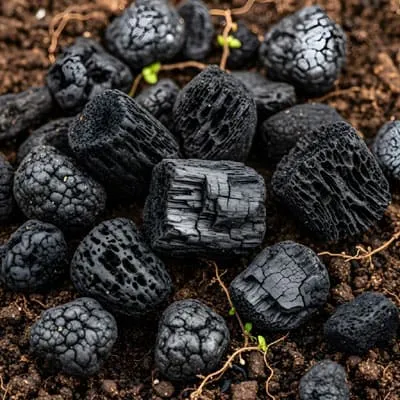
Soil amendments such as compost and biochar improve water retention and carbon sequestration, contributing to climate resilience. Incorporating rainwater harvesting systems further reduces dependence on municipal supply, promoting sustainability.
These measures not only reduce environmental impact but also create a calm and intentional garden space that aligns with architectural sensibilities and human comfort.
Materials and Tools for Sustainable Gardening
Choosing eco-friendly materials and tools is fundamental in sustainable garden construction and upkeep. Recycled or locally sourced materials minimize carbon footprint and support circular economy principles. Durable, low-impact tools reduce waste and encourage efficient gardening practices.
Organic fertilizers and natural pest controls preserve soil health and biodiversity, avoiding harmful chemicals. Employing manual tools instead of motorized equipment further lowers emissions and noise pollution.
Integrating these materials and tools reinforces the slow, intentional ethos of sustainable gardening, fostering a deeper connection between residents and their outdoor environment.
Water Management in Sustainable Gardens
Techniques for Efficient Water Use
- Drip irrigation systems to target roots directly
- Mulching to reduce evaporation and retain soil moisture
- Rainwater harvesting through barrels or cisterns
- Planting drought-tolerant native species
- Using greywater for irrigation where legal and safe
Efficient water management is paramount in sustainable gardens, especially in residential areas facing water scarcity. Employing drip irrigation allows precise water delivery, reducing waste significantly. Mulching not only conserves moisture but also improves soil structure and suppresses weeds.
Collecting rainwater provides an alternative water source, decreasing reliance on treated municipal supplies. Selecting plants adapted to local rainfall patterns ensures the garden remains lush without excessive watering. Implementing these strategies contributes to a climate-aware, resource-conserving landscape.
Rainwater Harvesting Systems Explained
| System Type | Capacity | Best Use |
|---|---|---|
| Rain Barrels | 50-100 gallons | Small gardens, supplemental irrigation |
| Cisterns | Over 500 gallons | Large water storage for extensive gardens |
| Underground Tanks | Variable | Space-saving, high-capacity storage |
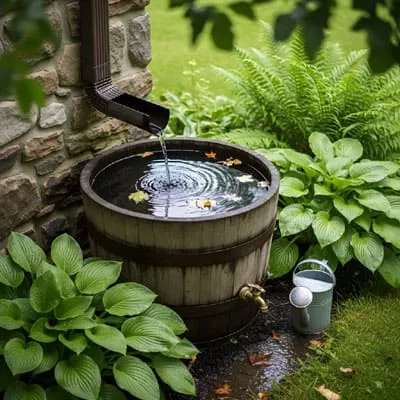
Rainwater harvesting captures and stores precipitation for later use, an essential sustainable garden practice. Rain barrels are affordable and easy to install, suitable for small-scale water collection. Larger cisterns provide substantial reserves, ideal for extensive gardens or multiple uses.
Underground tanks offer discreet storage solutions, preserving landscape aesthetics while maximizing capacity. Selecting the appropriate system depends on garden size, water needs, and budget, contributing to intentional water stewardship.
Soil Moisture Retention Strategies
Maintaining optimal soil moisture is critical for plant health and water conservation. Mulching with organic materials like wood chips or straw reduces surface evaporation and moderates soil temperature. These layers also enhance soil organic matter as they decompose.
Soil amendments, including compost and biochar, improve water retention and nutrient availability. Encouraging soil biodiversity through minimal disturbance supports natural moisture regulation and aeration.
These strategies collectively foster a slow, sustainable water cycle within the garden, aligning with climate-aware and ecological gardening principles.
Plant Selection for Sustainable Gardens
Choosing Native and Adapted Species
- Native perennials for habitat support
- Drought-resistant shrubs and groundcovers
- Pollinator-friendly flowering plants
- Edible plants suited to local conditions
- Low-maintenance grasses and sedges
Plant selection is a cornerstone of sustainable gardening. Native species are inherently adapted to local climate and soil, requiring less water and fertilizer.
Their presence supports native fauna, increasing biodiversity and ecological balance.
Drought-resistant plants reduce irrigation needs, essential in water-limited regions. Incorporating pollinator-friendly species encourages beneficial insects, enhancing garden resilience and productivity.
Intentional choice of plants ensures a garden that thrives naturally, reflecting an architectural understanding of space and environmental context.
Companion Planting and Biodiversity
Companion planting involves placing mutually beneficial plants together to improve growth, deter pests, and enhance soil health. This method reduces reliance on chemical interventions, promoting a sustainable ecosystem within the garden.
Increasing plant biodiversity creates habitats for a variety of organisms, supporting natural pest control and pollination services. This diversity also buffers the garden against disease and climate stressors.
Through thoughtful plant combinations, gardeners achieve a balanced, self-sustaining environment that aligns with slow and intentional gardening philosophies.
Seasonal Planting and Crop Rotation
Seasonal planting optimizes resource use by aligning garden activities with natural growth cycles. This approach reduces input waste and maximizes yields. Crop rotation prevents soil nutrient depletion and disrupts pest life cycles.
Incorporating cover crops during off-seasons maintains soil structure and fertility, minimizing erosion. These practices contribute to the long-term health of sustainable gardens, reflecting careful planning and ecological sensitivity.
Seasonal and rotational strategies help create calm, productive gardens that evolve harmoniously with environmental rhythms.
Soil Health and Sustainable Gardening
Building and Maintaining Healthy Soil
- Regular addition of organic matter
- Minimal soil disturbance and no-till methods
- Use of cover crops to enhance fertility
- Monitoring pH and nutrient levels
Healthy soil is the foundation of sustainable gardening. Adding compost and organic amendments replenishes nutrients and supports beneficial microorganisms. Reducing tillage preserves soil structure and microbial communities.
Cover crops protect against erosion and fix atmospheric nitrogen, improving soil fertility naturally. Routine soil testing informs adjustments to maintain optimal conditions for plant growth.
These practices embody a slow, intentional care for the garden’s living foundation, ensuring long-term productivity and resilience.
Composting and Organic Amendments
| Amendment Type | Benefits | Application |
|---|---|---|
| Compost | Improves soil structure, adds nutrients | Top dressing or soil mixing |
| Manure | High nutrient content, boosts fertility | Aged and applied pre-planting |
| Biochar | Enhances moisture retention and carbon storage | Mixed into soil in small amounts |
Composting transforms organic waste into nutrient-rich soil amendments, closing resource loops within the garden. Manure adds essential nutrients but must be properly aged to avoid burning plants.
Biochar improves soil’s physical properties and locks in carbon, contributing to climate mitigation. Applying these organic amendments supports sustainable garden health and aligns with ecological stewardship.
Soil Testing and Nutrient Management
Routine soil testing provides data on pH, nutrient levels, and organic matter content, guiding appropriate interventions.
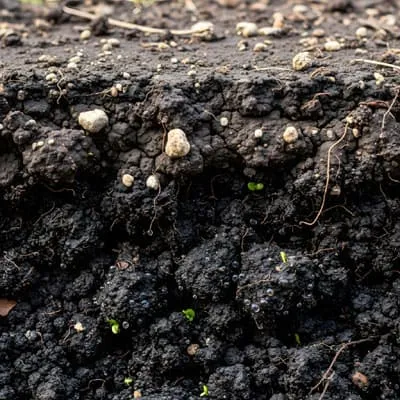
Balanced nutrient management prevents over-fertilization and nutrient runoff, protecting local waterways.
Adjusting soil chemistry with lime or sulfur ensures optimal availability of nutrients for plants. Tailored fertilization strategies promote plant health while maintaining ecosystem integrity.
This evidence-based approach reflects the authoritative expertise necessary for successful sustainable gardening in residential settings.
Integrating Sustainable Gardens with Residential Architecture
Harmonizing Garden and Home Design
Integrating sustainable gardens with residential architecture enhances both aesthetics and function.
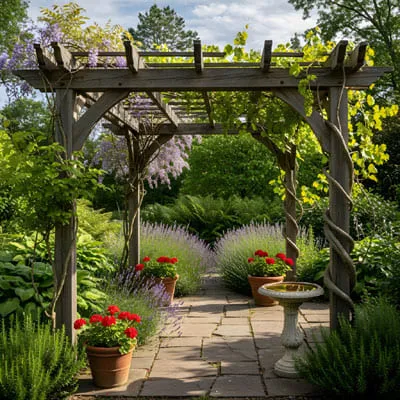
Thoughtful placement of green spaces can moderate indoor temperatures, provide privacy, and extend living areas outdoors.
Using native materials and architectural elements like pergolas or trellises supports the garden’s ecological goals while complementing the home’s style. This integration fosters a calm, human-centered environment.
Designing with an architectural lens ensures that gardens serve as intentional, slow-evolving extensions of the home, improving quality of life and environmental performance.
Creating Outdoor Living Spaces
Outdoor living areas anchored by sustainable gardens encourage residents to engage with nature regularly. Features like seating areas, edible gardens, and shaded patios contribute to wellness and social connection.
These spaces are designed to be low-maintenance and resilient, using climate-appropriate plants and materials. They provide a purposeful, calm retreat aligned with human comfort and environmental responsibility.
Such integration exemplifies how sustainable gardens can enrich residential life beyond mere decoration.
Energy Efficiency and Microclimate Benefits
Strategically designed gardens can reduce energy consumption by shading windows, blocking cold winds, and cooling surrounding air through evapotranspiration.
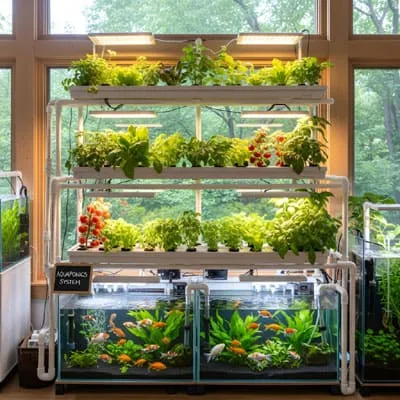
These microclimate effects lower heating and cooling loads for the home.
Green walls and roof gardens further insulate buildings and manage stormwater, contributing to sustainability goals. These architectural-garden synergies support climate-aware living.
Understanding these benefits allows homeowners to invest in gardens that are both beautiful and performative, reflecting expert design principles.
Maintenance Practices for Sustainable Gardens
Low-Impact Gardening Techniques
- Hand weeding and organic pest control
- Seasonal pruning to maintain plant health
- Use of mulch to suppress weeds and retain moisture
- Regular monitoring for early pest detection
- Minimizing machinery use to protect soil structure
Maintaining a sustainable garden requires adopting low-impact methods that preserve soil and biodiversity. Hand weeding avoids chemical herbicides, while organic pest management protects beneficial insects.
Mulching and pruning support plant vigor and reduce resource inputs. Regular observation allows for timely interventions before problems escalate.
These practices ensure the garden remains a calm, intentional space that aligns with its ecological purpose.
Seasonal Care and Adaptation
Adapting maintenance routines to seasonal cycles enhances garden resilience. Preparing soil in fall, planting in spring, and conserving water in summer reflect an intentional, slow gardening rhythm.
Adjusting practices based on climate variability and plant responses prevents stress and supports healthy growth. This sensitivity to natural cycles embodies sustainable garden philosophy.
Seasonal care routines also contribute to a calm, balanced garden environment that integrates seamlessly with residents’ lifestyles.
Tools and Equipment for Sustainable Garden Care
| Tool | Purpose | Sustainability Feature |
|---|---|---|
| Hand pruners | Precision trimming | Manual, low energy use |
| Compost bin | Organic waste recycling | Reduces landfill waste |
| Drip irrigation kit | Water-efficient irrigation | Minimizes water waste |
Choosing appropriate tools enhances sustainable garden maintenance. Manual tools reduce fossil fuel consumption and noise pollution. Compost bins facilitate organic recycling on-site, enriching soil health.
Water-efficient irrigation equipment supports precise watering, conserving resources. Selecting sustainable tools aligns with the philosophy of intentional, climate-aware gardening.
Community and Environmental Impact of Sustainable Gardens
Supporting Local Ecosystems
- Providing habitat for pollinators and wildlife
- Enhancing soil biodiversity through organic practices
- Reducing chemical runoff and pollution
- Promoting native plant conservation
- Improving air quality and carbon sequestration
Sustainable gardens contribute significantly to local ecosystem health by fostering biodiversity and protecting natural resources. Native plants and organic practices create supportive habitats for insects, birds, and soil organisms.
Reducing chemical inputs prevents contamination of water bodies and soils, promoting broader environmental integrity. These gardens act as small but vital ecological hubs within urban landscapes.
This community-oriented perspective aligns with a global vision grounded in local action and architectural intentionality.
Educational Opportunities and Social Benefits
Sustainable gardens serve as living classrooms, offering residents and visitors opportunities to learn about ecology, conservation, and responsible gardening. They foster community engagement and stewardship through workshops and shared spaces.
Social benefits include improved mental health, physical activity, and strengthened neighborhood connections. Such spaces encourage slower, mindful interaction with nature and each other.
These outcomes underscore the human-centered nature of sustainable garden design, reinforcing its role beyond aesthetics to purposeful living.
Measuring and Enhancing Sustainability Impact
Evaluating sustainable garden performance involves tracking water use, biodiversity indicators, soil health, and carbon footprint. This data informs ongoing improvements and validates ecological benefits.
Tools like ecological footprint calculators and plant health monitoring apps support this process. Continuous adaptation based on measurements embodies intentional, evidence-based gardening.
Through these efforts, sustainable gardens become dynamic, accountable components of residential and environmental well-being.
Sustainable Garden
Implementing a sustainable garden in residential settings requires deliberate planning, climate-aware strategies, and ongoing maintenance rooted in ecological principles. By focusing on efficient water use, soil health, thoughtful plant selection, and integration with architectural elements, homeowners create calm, intentional outdoor spaces that enrich their lives and the environment.
These sustainable garden practices support biodiversity, reduce resource consumption, and foster community connection, highlighting the profound impact of well-designed green spaces. Embracing this approach invites reflection on how we live with nature and challenges us to cultivate gardens that are not only beautiful but genuinely sustainable.
Frequently Asked Questions (FAQ)
What Defines a Sustainable Garden?
A sustainable garden prioritizes ecological balance by using native plants, conserving water, enhancing soil health, and minimizing chemical inputs. It aims to create resilient green spaces that support biodiversity and reduce environmental impact over time.
How Can I Conserve Water in My Garden Effectively?
Effective water conservation includes using drip irrigation, mulching to retain moisture, selecting drought-tolerant plants, and harvesting rainwater. These practices reduce waste and ensure plants receive water efficiently according to their needs.
Why is Soil Health Important for Sustainable Gardening?
Healthy soil supports plant growth by providing nutrients, retaining moisture, and fostering beneficial microorganisms. Maintaining soil health through composting, minimal disturbance, and cover crops is crucial for sustainable garden productivity.
Can Sustainable Gardens Work in Small Residential Spaces?
Yes, sustainable gardening principles apply well to small spaces by emphasizing vertical planting, container gardening, and efficient resource use. Thoughtful design maximizes biodiversity and ecological benefits regardless of garden size.
How Do Sustainable Gardens Contribute to Climate Change Mitigation?
Sustainable gardens sequester carbon through healthy soils and plants, reduce emissions by minimizing synthetic inputs and machinery use, and improve resilience to climate impacts. They play a meaningful role in local and global environmental health.

Architect with extensive experience in residential and commercial design, including renovations and modular construction. Love to share information about Architecture, home and lifestyle in this blog.