
The architectural landscapes and street art scenes in Sao Paulo, Buenos Aires, Miami, and Europe represent a dynamic intersection of culture, history, and urban life. Understanding how these global cities integrate design and artistic expressions is essential for appreciating their unique identities and how they shape human experiences within their environments. This article explores the architectural and street art elements that define these cities, revealing the intentional, climate-aware, and human-centered approaches behind their development.
As rapidly evolving metropolises, Sao Paulo, Buenos Aires, Miami, and various European cities face complex challenges related to urban density, climate adaptation, and cultural preservation. Examining their architectural frameworks alongside vibrant street art offers insight into how urban spaces can remain calm, intentional, and grounded despite growth pressures. This dual perspective highlights opportunities for sustainable, people-focused design in international contexts.
In the following sections, we delve into seven thematic areas exploring the nuances of architecture and street art across these cities. Each section addresses a variation of the main keyword, providing a comprehensive understanding of how global influences blend with local identity to create spaces that are both functional and expressive.
Urban Identity in Sao Paulo, Buenos Aires, Miami, and Europe
Defining Urban Identity Through Architecture
Urban identity in cities like Sao Paulo, Buenos Aires, Miami, and European capitals emerges from the interplay between historical context and contemporary architectural innovation. Each city reflects its unique cultural heritage through building styles, materials, and spatial organization, fostering a sense of place that resonates with residents and visitors alike.
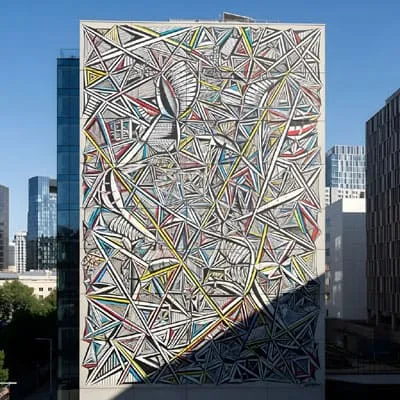
This identity is not static but evolves as architects incorporate climate-responsive designs and human-centered principles.
For example, Sao Paulo’s concrete brutalism contrasts with Miami’s Art Deco and tropical modernism, while European cities balance preservation with modern interventions. These diverse approaches contribute to a layered urban fabric that reflects complex histories and future aspirations.
Understanding this urban identity is critical for architects and planners aiming to create environments that support social cohesion and environmental resilience.
The Role of Street Art in Shaping City Character
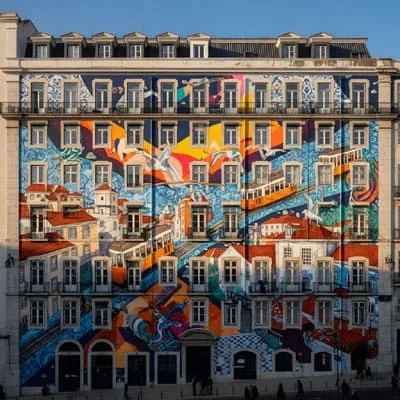
Street art serves as a vibrant layer of urban identity, reflecting socio-political narratives and community voices in Sao Paulo, Buenos Aires, Miami, and Europe. Murals and graffiti transform public spaces into galleries that engage passersby, fostering cultural dialogue beyond traditional art institutions. This human-centered art form often responds to local issues, climate realities, and social aspirations, making the city itself a living canvas.
In Buenos Aires, for instance, the colorful murals of neighborhoods like La Boca convey cultural pride, while Miami’s Wynwood Walls showcase international artists addressing global themes. European cities integrate street art into preservation areas carefully, balancing heritage with contemporary expression.
Street art’s ability to personalize urban environments underscores its importance in defining a city’s character and identity.
Interrelation Between Built Environment and Public Art
The built environment and street art in these global cities exist in a symbiotic relationship, where architecture provides the canvas and street art animates the urban experience. Thoughtful architectural design can complement and amplify street art, creating seamless transitions between structural form and cultural expression. This integration promotes pedestrian engagement, invites exploration, and enhances place attachment.
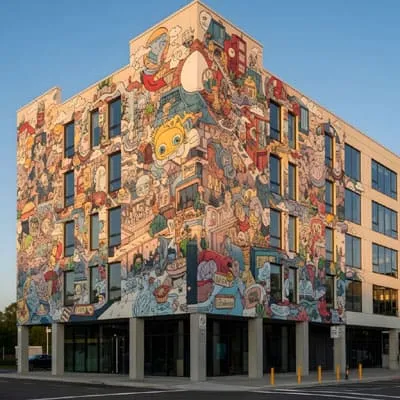
For example, Miami’s revitalized districts leverage architectural lighting and open spaces to highlight murals, while Sao Paulo’s façades act as backdrops for large-scale works that respond to the city’s climate and social fabric. European cities often adopt a curated approach, incorporating interactive public art within historically significant contexts.
Recognizing this interrelation encourages multidisciplinary collaboration aimed at enriching urban life through intentional design
Architectural Innovations in Sao Paulo, Buenos Aires, Miami, and Europe
Climate-Responsive Design Strategies
- Use of natural ventilation and shading to mitigate heat.
- Incorporation of green roofs and vertical gardens.
- Adaptive reuse of existing structures to reduce environmental impact.
- Integration of water management systems for flood-prone areas.
- Utilization of local materials to enhance sustainability.
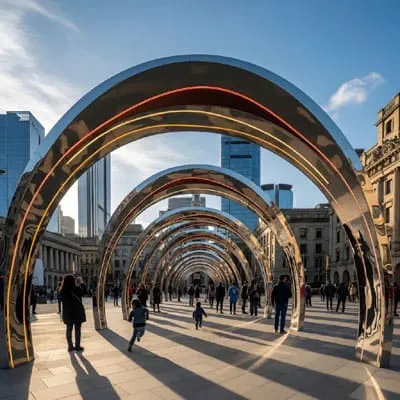
Architectural innovation in these cities increasingly prioritizes climate responsiveness. Sao Paulo’s tropical climate demands shading devices and airflow management, while Miami addresses hurricane resilience through elevated structures and impact-resistant materials. Buenos Aires incorporates temperate climate adaptations, blending traditional masonry with modern insulation technologies. European cities lead in energy-efficient retrofits and renewable energy integration, demonstrating how climate-aware architecture supports sustainability goals across diverse urban contexts.
These strategies not only reduce environmental footprints but also improve occupant comfort and urban livability.
Human-Centered Urban Planning
Architects and planners in Sao Paulo, Buenos Aires, Miami, and Europe emphasize human-centered design, focusing on accessibility, social inclusivity, and spatial quality. Public spaces are designed intentionally to encourage interaction, safety, and well-being, reflecting a slow and calm urban rhythm that counters hectic city life. This approach involves pedestrian-friendly streetscapes, mixed-use developments, and community-oriented amenities that foster belonging.
In Buenos Aires, walkable neighborhoods with plazas enhance social cohesion, while Miami promotes waterfront access and green corridors. European cities often balance historic preservation with modern interventions that improve pedestrian flow and reduce vehicle dependency.
Human-centered planning ensures that architecture serves people’s real needs, reinforcing social fabric and urban resilience.
Technological Advancements in Construction
Technological innovation drives architectural progress in the featured cities, from advanced building materials to digital fabrication methods. Sao Paulo’s skyscrapers benefit from high-performance concrete and glass technologies, while Miami incorporates smart systems for energy management and storm monitoring. Buenos Aires explores modular construction to accelerate affordable housing, and European cities pioneer BIM (Building Information Modeling) for precise design and maintenance.
This integration of technology allows for more efficient construction, enhanced durability, and adaptability to changing urban demands. It also supports climate-aware practices by optimizing energy consumption and resource use throughout a building’s lifecycle.
Technological advancements thus underpin the creation of resilient and sustainable urban environments.
Street Art Movements Across Sao Paulo, Buenos Aires, Miami, and Europe
Historical Contexts of Street Art
- Roots in political activism and social commentary.
- Evolution from graffiti to large-scale murals.
- Influence of local cultural traditions and indigenous art.
- Transition into recognized urban art festivals and events.
- Interaction with urban regeneration and gentrification processes.
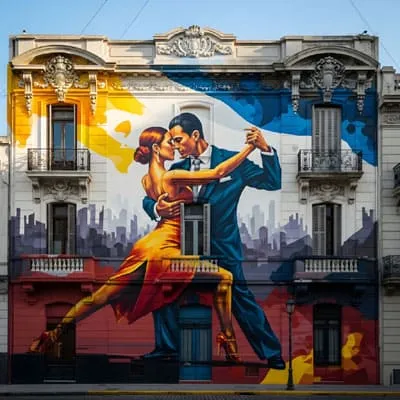
Street art in Sao Paulo and Buenos Aires originated as a form of resistance and expression amid social and political upheaval. Miami’s scene evolved from hip-hop culture, while European cities like Berlin and Barcelona developed rich graffiti traditions linked to post-war identities. Over time, these movements have gained legitimacy, influencing urban policies and tourism while maintaining their grassroots spirit.
Understanding this history is vital to appreciating street art’s role in shaping cultural narratives within these cities.
Prominent Street Art Districts
Each city boasts distinct neighborhoods where street art flourishes, becoming cultural landmarks. Sao Paulo’s Vila Madalena is renowned for its colorful murals and artist collectives, while Buenos Aires’ San Telmo district offers a blend of historic architecture and street art vibrancy.
Miami’s Wynwood neighborhood has transformed from industrial to an open-air gallery, attracting international artists and visitors. European cities like Lisbon and London feature multiple hubs where contemporary urban art engages diverse audiences.
These districts often serve as incubators for creative innovation and community identity, supported by public art policies and cultural programming.
They exemplify how street art contributes to urban regeneration and placemaking.
Impact on Local Communities
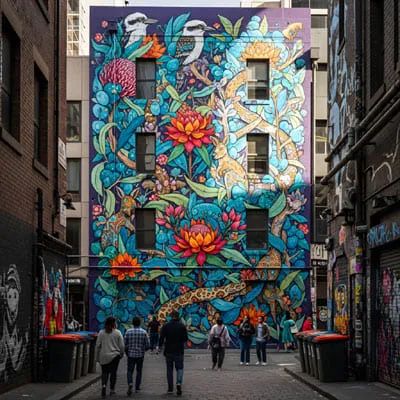
Street art positively impacts local communities by fostering cultural pride, creating economic opportunities, and encouraging social dialogue. In Sao Paulo and Buenos Aires, mural projects often collaborate with residents, reflecting neighborhood stories and aspirations. Miami’s street art festivals generate tourism and local employment, while European initiatives integrate art education and youth engagement. These activities promote inclusivity and resilience, essential for thriving urban communities.
However, challenges such as commercialization and gentrification require careful management to preserve authenticity and accessibility.
Ultimately, street art acts as a catalyst for community empowerment and cultural sustainability.
Comparative Urban Development in Sao Paulo, Buenos Aires, Miami, and Europe
Economic Drivers and Urban Growth Patterns
| City | Primary Economic Sectors | Urban Growth Characteristics |
|---|---|---|
| Sao Paulo | Finance, Industry, Services | Rapid expansion, informal settlements, verticalization |
| Buenos Aires | Manufacturing, Tourism, Culture | Historic core preservation, suburban growth |
| Miami | Trade, Tourism, Real Estate | Coastal development, mixed-use, climate adaptation |
| European Cities | Technology, Services, Tourism | Controlled expansion, heritage conservation |
The economic foundations of these cities influence their urban development trajectories. Sao Paulo’s industrial base drives dense vertical growth, while Buenos Aires balances manufacturing with cultural tourism, preserving historic neighborhoods. Miami’s economy supports coastal real estate development, requiring innovative climate resilience measures. European cities emphasize sustainable growth with strong regulatory frameworks protecting heritage and encouraging technological integration.
These diverse patterns illustrate how economic priorities shape urban form and strategic planning.
Infrastructure and Mobility Solutions
Urban mobility and infrastructure investments vary significantly across the cities. Sao Paulo faces congestion challenges addressed through expanded metro lines and bus rapid transit systems. Buenos Aires integrates bike lanes and pedestrian zones to enhance connectivity. Miami prioritizes multimodal transport, including water taxis and expanded public transit, while European cities invest heavily in integrated rail, cycling infrastructure, and smart mobility solutions.
These efforts reflect a commitment to reducing environmental impact and improving quality of life through intentional urban design.
Mobility solutions are critical for supporting the social and economic vitality of these global cities.
Urban Policy and Governance Models
Governance approaches influence how Sao Paulo, Buenos Aires, Miami, and European cities manage growth and cultural assets. Sao Paulo employs participatory planning to address informal settlements and social equity. Buenos Aires focuses on cultural heritage preservation within urban renewal. Miami’s policies emphasize climate resilience and economic development balance, while European cities implement comprehensive sustainability frameworks integrating architecture and public art.
Effective governance fosters collaboration among stakeholders, ensuring that urban development aligns with community values and environmental imperatives.
This multidimensional governance is essential for creating livable, resilient cities.
Architectural Styles and Influences in Sao Paulo, Buenos Aires, Miami, and Europe
Modernism and Its Legacy
- Sao Paulo’s embrace of brutalism and modernist concrete forms.
- Buenos Aires’ Art Deco and rationalist buildings.
- Miami’s iconic Art Deco Historic District.
- European modernist movements like Bauhaus and International Style.
- Influence on contemporary architectural practice and urban design.
Modernism profoundly shaped the architectural identity of these cities. Sao Paulo’s bold concrete structures symbolize industrial progress and social aspiration. Buenos Aires integrates modernist principles with local aesthetics, while Miami’s pastel-colored Art Deco buildings contribute to its tropical charm. European cities were the birthplace of many modernist ideas, influencing global architecture through functionalism and simplicity. This legacy continues to inform sustainable and human-centered design approaches today.
Understanding modernism’s impact allows for deeper appreciation of current urban form and architectural innovation.
Regional and Cultural Expressions
Regional influences manifest distinctly across the cities’ architecture and street art. Sao Paulo reflects Brazilian cultural diversity through eclectic designs and vibrant murals celebrating Afro-Brazilian heritage. Buenos Aires showcases European immigrant influences blended with Latin American traditions. Miami’s architecture incorporates Caribbean and Latin American motifs, while European cities retain strong vernacular styles adapted to climate and history.
This cultural layering enriches urban environments, fostering a sense of belonging and place specificity. Street art further enhances this expression by narrating local stories and identities through visual language.
Recognizing regional expressions is vital for architects committed to culturally responsive design.
Contemporary Trends and Future Directions
Contemporary architecture in Sao Paulo, Buenos Aires, Miami, and Europe increasingly emphasizes sustainability, digital innovation, and social engagement. Adaptive reuse projects, parametric design, and biophilic principles are common trends. Public art commissions reflect global dialogues on climate change, equity, and urban identity. Cities experiment with mixed-use developments that prioritize walkability and green infrastructure, signaling a future of calm, intentional, and human-centered urbanism.
These trends suggest an evolving architectural landscape where technology and tradition coexist, fostering resilient and meaningful urban experiences.
Future directions point toward integrative design solutions that balance global influences with local realities.
Climate Adaptation in Architecture and Urban Art
Designing for Resilience in Tropical and Temperate Climates
| City | Climate Challenges | Adaptation Strategies |
|---|---|---|
| Sao Paulo | Heat, heavy rainfall, urban heat island | Green roofs, permeable pavements, shading devices |
| Buenos Aires | Seasonal temperature variation, flooding | Flood-resistant infrastructure, insulation, natural ventilation |
| Miami | Hurricanes, sea-level rise, humidity | Elevated buildings, storm shutters, salt-resistant materials |
| Europe | Varied: cold winters, heatwaves, flooding | Energy-efficient envelopes, adaptive shading, flood barriers |
Climate adaptation in architecture and urban art is crucial for the sustainability of Sao Paulo, Buenos Aires, Miami, and European cities. Designers implement innovative solutions tailored to each city’s climate challenges, balancing aesthetics with functionality. Street art sometimes incorporates climate themes, raising awareness and fostering community engagement around environmental issues.
This holistic approach ensures that urban environments remain livable and resilient amid changing climate conditions.
Public Spaces as Climate Buffers
Public spaces in these cities serve as critical climate buffers, mitigating urban heat and improving air quality. Parks, plazas, and green corridors integrate native vegetation and water features that cool surroundings and absorb rainfall.
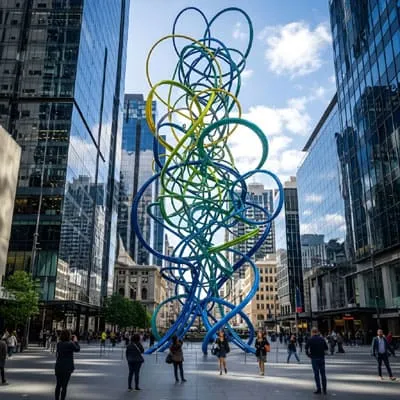
Sao Paulo’s expansive parks, Buenos Aires’ tree-lined boulevards, Miami’s mangrove restoration projects, and European urban forests exemplify this approach.
Street art in these areas often complements green infrastructure, creating spaces that are both visually engaging and ecologically functional. This synergy between design and nature supports climate adaptation while enhancing social interaction and well-being.
Such intentional design promotes healthier, more resilient urban ecosystems.
Community Engagement in Climate-Aware Urbanism
Engaging local communities in climate-aware design strengthens the effectiveness and acceptance of adaptation measures. Sao Paulo and Buenos Aires involve residents in mural projects addressing environmental topics, fostering stewardship. Miami’s public workshops on resilient architecture encourage citizen participation, while European cities integrate community feedback in urban regeneration plans.
This human-centered process ensures that climate adaptation strategies are socially equitable and culturally relevant. It also empowers communities to contribute actively to shaping their environments in response to climate challenges.
Community engagement remains a cornerstone of successful climate-aware urbanism.
Preservation and Innovation: Balancing Heritage with Contemporary Needs
Challenges in Protecting Architectural Heritage
- Urban growth pressures threatening historic neighborhoods.
- Climate impacts accelerating material degradation.
- Balancing modernization demands with preservation guidelines.
- Integrating new infrastructure without disrupting heritage.
Preserving architectural heritage in Sao Paulo, Buenos Aires, Miami, and Europe requires navigating complex challenges.
Rapid urbanization often conflicts with conservation efforts, while climate change exacerbates deterioration of historic materials. Architects and planners must reconcile the need for contemporary functionality with respect for cultural significance, ensuring that heritage remains a living part of the city fabric rather than a static relic.
Successful preservation strategies involve adaptive reuse, sensitive restoration, and community involvement.
Innovative Approaches to Adaptive Reuse
Adaptive reuse projects creatively transform historic buildings to meet modern needs without compromising their character. In Sao Paulo, former industrial structures become cultural centers and co-working spaces. Buenos Aires repurposes colonial buildings for boutique hotels and art galleries. Miami integrates historic Art Deco buildings with contemporary amenities, while European cities convert heritage sites into mixed-use developments with sustainability upgrades.
These innovations extend the life of architectural assets and contribute to sustainable urban development. They demonstrate how preservation and progress can coexist through intentional, context-sensitive design.
Adaptive reuse is a key strategy for maintaining urban identity amid change.
Policy Frameworks Supporting Heritage and Innovation
Robust policy frameworks underpin the balance between preservation and innovation. Sao Paulo and Buenos Aires have established heritage zones with specific design guidelines. Miami enforces coastal zone regulations that protect historic districts while promoting resilience. European cities adopt integrated heritage management plans combining conservation with urban regeneration and climate adaptation.
These policies facilitate collaboration among stakeholders and provide incentives for sustainable practices. They encourage architects to innovate within a framework that honors the past and anticipates future needs.
Effective governance ensures that heritage preservation supports broader urban sustainability goals.
Community-Led Initiatives and Cultural Integration
Grassroots Urbanism and Participatory Design
Community-led initiatives in Sao Paulo, Buenos Aires, Miami, and Europe champion grassroots urbanism and participatory design. Residents actively shape public spaces, street art projects, and neighborhood improvements that reflect local identity and needs. These bottom-up efforts promote social inclusion and empower marginalized voices, fostering a more equitable urban environment.
Participatory workshops, open studios, and collaborative murals illustrate how architecture and art become tools for cultural integration and community resilience. This approach aligns with the human-centered ethos guiding contemporary urbanism in these cities.
Grassroots urbanism enriches the social fabric and enhances place-making authenticity.
Multicultural Influences in Design and Art
The multicultural nature of these cities infuses their architecture and street art with diverse influences. Sao Paulo’s immigrant communities inspire hybrid designs blending global and local motifs. .
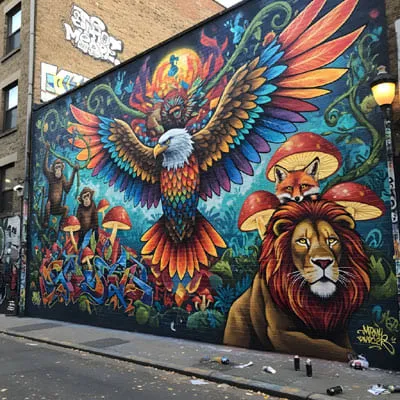
Buenos Aires’ European heritage mixes with Latin American traditions to create eclectic urban expressions. Miami’s Caribbean and Latin American diaspora shapes its vibrant artistic scene, while Europe’s cosmopolitan centers integrate multicultural narratives in public art and architecture.
This cultural integration fosters social cohesion and enriches urban aesthetics, reflecting the evolving identities of global cities.
Design and art thus become mediums for celebrating diversity and fostering dialogue
Social Impact of Creative Urban Practices
- Enhancing community pride and identity through public art.
- Stimulating local economies via cultural tourism.
- Building social networks and inclusive public spaces.
- Addressing social issues through artistic expression.
Creative urban practices in Sao Paulo, Buenos Aires, Miami, and Europe have profound social impacts. Public art initiatives and participatory design projects help build stronger communities by encouraging engagement and collective ownership. These efforts often address social inequalities and environmental concerns, creating more just and sustainable urban futures. Additionally, cultural activities attract visitors and investment, contributing to economic vitality.
Recognizing these social benefits underscores the importance of integrating art and architecture in urban development.
Global Cities and Art
The architectural and street art landscapes of Sao Paulo, Buenos Aires, Miami, and Europe reveal a rich tapestry of cultural identity, climate awareness, and human-centered design.
These global cities illustrate how intentional, calm, and slow urbanism can harmonize heritage with innovation, fostering resilient and inclusive environments that reflect their diverse inhabitants.
By integrating climate-responsive architecture, vibrant street art, and community engagement, these cities create meaningful urban experiences that transcend aesthetics. Understanding these dynamics encourages architects, planners, and policymakers to continue crafting spaces that truly serve people and place.
Frequently Asked Questions (FAQ)
What Makes the Architecture in Sao Paulo, Buenos Aires, Miami, and Europe Unique?
The architecture in these cities is unique due to its blend of historical influences, climate-responsive design, and cultural diversity. Each city incorporates local materials, traditions, and modern innovations that reflect their specific environmental and social contexts, creating distinctive urban identities.
How Does Street Art Influence Urban Life in These Cities?
Street art enriches urban life by fostering cultural expression, social dialogue, and community pride. It transforms public spaces into interactive cultural venues, often reflecting social issues and environmental themes, thereby enhancing the human experience in these cities.
What Are Key Climate Adaptation Strategies in the Architecture of These Cities?
Key strategies include natural ventilation, shading devices, green roofs, flood-resistant infrastructure, and use of durable, local materials. These approaches help mitigate heat, manage rainfall, and protect against extreme weather, ensuring resilient and comfortable urban environments.
How Do These Cities Balance Heritage Preservation with Modern Needs?
They employ adaptive reuse, sensitive restoration, and integrated policy frameworks that protect historic assets while allowing for contemporary functions and sustainability upgrades. This balance maintains cultural identity without hindering urban growth or innovation.
Why is Community Involvement Important in Urban Design and Street Art?
Community involvement ensures that urban design and street art reflect local needs, values, and identities. It promotes social inclusion, empowers residents, and enhances the relevance and acceptance of projects, leading to more equitable and vibrant urban spaces.

Architect with extensive experience in residential and commercial design, including renovations and modular construction. Love to share information about Architecture, home and lifestyle in this blog.