
Coliving and coworking have become essential architectural approaches in the evolving landscape of remote work living. These concepts merge residential and professional environments thoughtfully, addressing the modern need for flexible, community-oriented, and climate-conscious spaces. Understanding coliving and coworking is vital for designing spaces that support productivity, well-being, and social interaction in remote work settings.
The rise of remote work has created challenges and opportunities for architects and developers. Designing residential areas that seamlessly integrate coworking spaces demands a balance between privacy, collaboration, and sustainability.
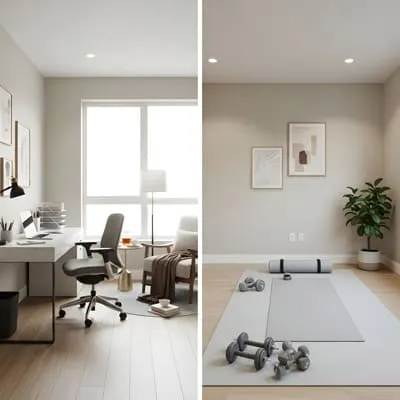
This architectural approach must be human-centered, calm, and intentional, reflecting how people truly live and work today.
This article explores seven key aspects of coliving and coworking architecture, focusing on their practical applications, environmental considerations, and international yet grounded design principles. We will uncover how these spaces foster community, optimize performance, and enhance quality of life for remote workers.
Innovative Strategies in Coliving and Coworking Design
Integrating Residential and Work Environments
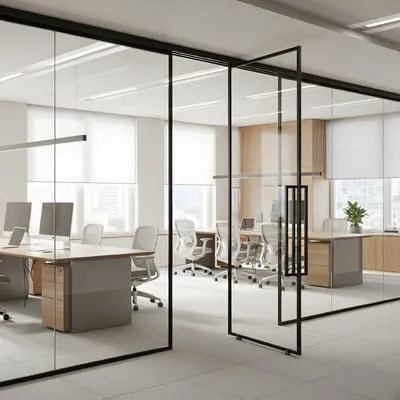
Successful coliving and coworking spaces harmonize residential comfort with professional functionality. Integrating these environments requires thoughtful architectural planning that respects privacy while encouraging interaction. Natural light, soundproofing, and ergonomic design all play crucial roles in creating spaces where residents can live and work without compromise.
Designers employ zoning techniques to define work areas separate from living quarters, ensuring mental clarity and focus. Shared amenities such as kitchens and lounges foster community while individual work pods or rooms provide solitude. This balance supports diverse user needs in a remote work context.
Material selection and spatial layout must also take climate awareness into account, reducing energy consumption and enhancing indoor environmental quality. Sustainable design strategies elevate both comfort and ecological responsibility in coliving and coworking projects.
Community Building Through Space Design
Architectural elements in coliving and coworking encourage social interaction and collaboration. Open floor plans, communal kitchens, and shared workspaces serve as hubs for connection.
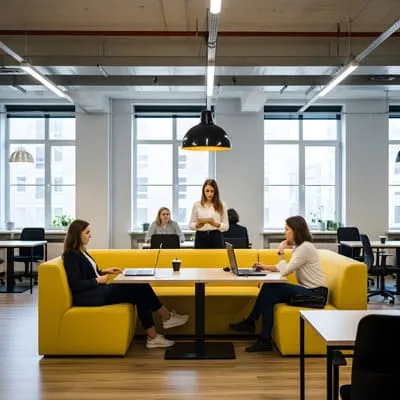
Thoughtful design invites residents to engage, share ideas, and build networks organically.
Flexibility is key; spaces can adapt to events, workshops, or informal gatherings, supporting community growth over time. Incorporating greenery and outdoor areas further enhances wellbeing and promotes a calm atmosphere conducive to creativity.
Intentional use of colors, textures, and lighting creates an inviting environment that balances energy and tranquility, essential for human-centered living and working experiences.
Technological Integration Enhancing User Experience
Modern coliving and coworking environments leverage technology to optimize comfort and productivity. Smart lighting, climate control, and high-speed internet are foundational elements. Home automation systems enable personalized settings, improving user satisfaction.
Security technologies such as biometric access and surveillance ensure resident safety without compromising openness. Digital platforms facilitate booking shared spaces and managing community events, fostering seamless interaction.
Architects collaborate with tech specialists to embed these systems unobtrusively, maintaining architectural aesthetics while delivering advanced functionality.
Architectural Principles for Sustainable Coliving and Coworking
Passive Design Techniques for Energy Efficiency
- Optimizing natural ventilation to reduce HVAC needs
- Maximizing daylight to minimize artificial lighting
- Using thermal mass materials for temperature regulation
- Implementing shading devices to control solar heat gain
- Incorporating green roofs and walls for insulation and biodiversity
Passive design is foundational in coliving and coworking architecture, reducing energy dependency and fostering environmental responsibility. These techniques create comfortable indoor climates naturally, aligning with climate-aware design goals.
By carefully orienting buildings and selecting materials, architects achieve efficiency without sacrificing aesthetic or functional quality. This approach supports long-term sustainability and lowers operational costs for residents and operators.
Material Selection for Environmental Impact
Sustainable material choices affect both ecological footprint and indoor air quality. Prioritizing locally sourced, renewable, and recycled materials reduces transportation emissions and resource depletion. Natural finishes and low-VOC ( volatile Organic Compound) paints promote healthier living environments.
Durability and adaptability are also critical; materials must withstand daily use in high-traffic coworking areas and flexible coliving spaces. Modular components allow for easy maintenance and future reconfiguration, extending building lifespan.
These strategies demonstrate how architectural decisions directly impact environmental stewardship and user wellbeing in coliving and coworking contexts.
Water and Waste Management Innovations
| System | Benefits | Application |
|---|---|---|
| Rainwater Harvesting | Reduces potable water demand | Garden irrigation, toilet flushing |
| Greywater Recycling | Minimizes wastewater discharge | Non-potable uses, landscaping |
| Composting Toilets | Decreases sewer load | Low-impact housing units |
Innovative water and waste management systems reduce environmental impact in coliving and coworking developments. Integrating these solutions supports sustainable lifestyles and operational efficiency.
Architects collaborate with engineers to embed these technologies seamlessly, ensuring they complement the architectural vision and provide practical benefits to users.
Human-Centered Design Approaches in Shared Living and Working Spaces
Ergonomics and Comfort in Workspace Layouts
Human-centered design prioritizes physical comfort and health in coliving and coworking environments. Ergonomic considerations reduce fatigue and improve productivity for remote workers.
Designers create adaptable spaces that respond to individual needs, promoting focus and wellbeing. This approach enhances overall user satisfaction and supports long-term engagement with the space.
- Adjustable furniture to accommodate diverse body types
- Acoustic treatments to reduce noise distractions
- Ample natural light and views to improve mood
- Clear circulation paths for ease of movement
- Accessibility features for inclusive use
Psychological Wellbeing Through Spatial Design
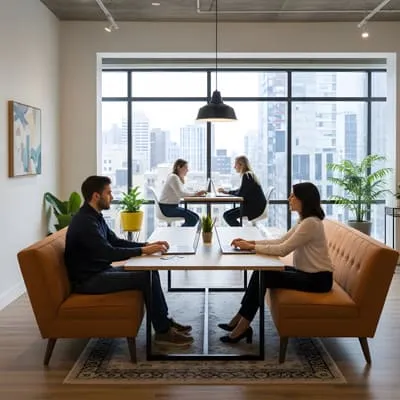
Architectural elements can profoundly affect mental health. Incorporating natural materials, biophilic design, and quiet zones fosters calm and reduces stress. Proper spatial proportions prevent overcrowding and encourage relaxation.
Color palettes and lighting schemes are chosen to support circadian rhythms and emotional balance. Personalization options empower residents to shape their environment, enhancing ownership and comfort.
These thoughtful design choices create nurturing environments that support creativity, collaboration, and rest.
Inclusive Design for Diverse Communities
Coliving and coworking spaces must address the needs of varied demographics, including different cultures, ages, and abilities.
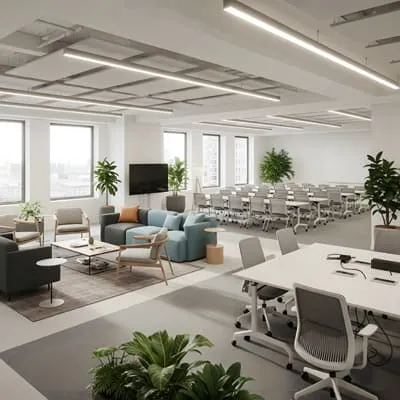
Inclusive design incorporates universal accessibility, gender-neutral facilities, and adaptable layouts.
Community input during design phases ensures spaces reflect users’ values and lifestyles. This participatory process strengthens social cohesion and fosters a sense of belonging among residents.
Architects strive to create welcoming environments that celebrate diversity and promote equity in shared living and working experiences.
International Perspectives on Coliving and Coworking Architecture
Global Trends Influencing Local Designs
International trends inform the evolution of coliving and coworking architecture worldwide. These trends intersect with local context to create unique, grounded designs that respond to global and regional demands.
Architects balance innovation with tradition to develop spaces that resonate culturally while embracing modern work and lifestyle shifts. This fusion enriches the built environment and user experience.
- Urban densification driving multifunctional spaces
- Technological advancements enabling smart environments
- Sustainability mandates shaping building codes
- Cultural values informing communal practices
- Remote work normalization altering spatial requirements
Case Studies from Diverse Regions
| Project | Location | Notable Features |
|---|---|---|
| The Collective | London, UK | Large-scale coliving with coworking hubs, sustainability focus |
| WeWork Campus | Seoul, South Korea | Technologically advanced coworking integrated with residential units |
| Selina CoLive | Mexico City, Mexico | Culturally immersive coliving with community events and wellness |
Analyzing international projects reveals diverse approaches to combining coliving and coworking functions. Each case reflects its environment’s social, economic, and climatic conditions, offering valuable insights for future developments.
These examples demonstrate how adaptable and scalable architectural principles can meet varied user needs globally.
Adapting International Models to Local Contexts
Successful adaptation requires understanding local climate, culture, regulations, and market demands. Architects modify international designs to optimize energy performance, material availability, and community engagement specific to the region.
Collaboration with local stakeholders ensures relevance and acceptance, while maintaining core values of coliving and coworking. This process nurtures innovation grounded in place, enhancing livability and sustainability.
Such context-aware design fosters resilient, human-centered environments that support remote work lifestyles worldwide.
Climate-Aware Architectural Features in Shared Living Spaces
Designing for Thermal Comfort and Resilience
- High-performance insulation and glazing
- Passive solar heating and cooling strategies
- Natural ventilation and cross-breezes
- Shading devices reducing heat gain
- Resilient materials for extreme weather resistance
Climate-aware architecture prioritizes thermal comfort while minimizing energy use. In coliving and coworking spaces, this ensures year-round usability and occupant wellbeing.
Resilience to climate extremes protects infrastructure and residents, prolonging building life and reducing maintenance. These features are essential in sustainable remote work environments.
Incorporating Renewable Energy Systems
Renewable energy integration reduces dependence on fossil fuels and lowers carbon footprints. Photovoltaic panels, solar water heating, and geothermal systems are increasingly common in coliving and coworking facilities.
Architectural design accommodates these technologies aesthetically and functionally, optimizing energy capture without compromising spatial quality.
This synergy between design and energy systems exemplifies intentional, slow architecture responding to climate imperatives.
Water Efficiency and Landscape Design
| Feature | Function | Benefit |
|---|---|---|
| Drought-tolerant landscaping | Reduces irrigation needs | Conserves water resources |
| Permeable pavements | Enhances stormwater infiltration | Mitigates flooding and erosion |
| Green roofs | Improves insulation and biodiversity | Reduces urban heat island effect |
Water-efficient landscaping complements architectural climate strategies by reducing resource use and enhancing site ecology. These measures support sustainable living and contribute to a calm, restorative environment.
Designers integrate these features to ensure the built environment respects and regenerates natural systems.
Performance Optimization for Remote Work Environments
Acoustic Design Enhancing Focus and Privacy
- Sound-absorbing materials in walls and ceilings
- Strategic space planning to separate noisy and quiet zones
- White noise systems minimizing distractions
- Private booths for confidential conversations
- Flexible partitions for adaptable acoustics
Acoustic performance is paramount in coworking and coliving spaces to ensure concentration and privacy. Architectural solutions reduce noise pollution and create pleasant auditory environments.
By addressing sound challenges, designers improve user satisfaction and productivity, reinforcing the human-centered design ethos.
Lighting Solutions Supporting Productivity
Lighting design balances natural and artificial sources to optimize circadian rhythms and reduce eye strain. Adjustable task lighting complements ambient illumination, catering to diverse activities.
Daylight harvesting systems and automated controls enhance energy efficiency while maintaining visual comfort. Exterior shading devices prevent glare and overheating.
These lighting strategies create environments conducive to focused work and relaxation, essential for remote work success.
Spatial Flexibility for Evolving Needs
| Feature | Benefit | Application |
|---|---|---|
| Modular furniture | Adapts to different group sizes | Meeting rooms, lounges |
| Movable partitions | Creates private or open spaces | Work areas, event spaces |
| Multipurpose rooms | Supports diverse activities | Workshops, social events |
Flexibility in spatial design addresses the dynamic nature of remote work and community life. Spaces that evolve with users’ needs sustain engagement and maximize utility over time.
This intentional approach reflects slow architecture principles, emphasizing quality and adaptability.
Future Directions in Coliving and Coworking Architecture
Emerging Technologies Impacting Design
Advances in AI, IoT, and building information modeling (BIM) are transforming how coliving and coworking spaces are designed and operated. These tools enable data-driven optimization of energy use, space utilization, and user experience.
Augmented reality assists in visualizing design iterations, fostering collaboration between architects and clients. Smart environments learn from occupant behavior to personalize settings and improve comfort.
Incorporating these technologies supports intentional, human-centered architecture that adapts over time.
Social and Economic Implications
The growth of coliving and coworking reflects shifting social norms and economic models. These spaces promote affordability, community resilience, and flexible lifestyles. Architecture must respond to these trends by creating inclusive, accessible, and scalable environments.
Designers play a critical role in shaping equitable urban futures where remote work and shared living coexist harmoniously. Thoughtful architecture can mitigate social isolation and foster economic opportunities.
This evolving context challenges architects to innovate responsibly and empathetically.
Designing for Long-Term Sustainability and Wellbeing
- Prioritizing materials with low embodied carbon
- Creating biophilic environments that support mental health
- Incorporating circular economy principles in construction
- Ensuring adaptability to climate change impacts
- Embedding community governance in space management
Future coliving and coworking architecture must emphasize longevity and holistic wellbeing. This involves integrating environmental, social, and economic sustainability at every scale.
Architects are tasked with designing spaces that not only serve immediate needs but also nurture future generations, embodying calm, intentional, and slow architectural values.
Remote work
Coliving and coworking represent transformative approaches in architecture that respond directly to the demands of remote work living. By integrating residential and professional functions through climate-aware, human-centered, and intentional design, these spaces enhance wellbeing, community, and sustainability.
Architects must continue to innovate with empathy, balancing global trends with local contexts to create adaptable, resilient environments. Embracing these principles will ensure coliving and coworking remain vital components of the future built environment.
Frequently Asked Questions (FAQ)
What is the Difference Between Coliving and Coworking?
Coliving refers to shared residential spaces designed for community and affordability, while coworking focuses on shared professional workspaces that foster collaboration. Both concepts often integrate to support remote work lifestyles, blending living and working environments intentionally.
How Does Climate-aware Architecture Benefit Coliving and Coworking Spaces?
Climate-aware design reduces energy consumption, enhances comfort, and increases resilience to weather extremes. It employs passive heating, cooling, sustainable materials, and renewable energy systems that collectively support environmental responsibility in shared living and working spaces.
Why is Human-centered Design Important in Remote Work Environments?
Human-centered design prioritizes ergonomics, comfort, mental wellbeing, and inclusivity. It creates spaces that support productivity, reduce stress, and accommodate diverse needs, making remote work more sustainable and enjoyable in coliving and coworking settings.
Can International Coliving and Coworking Models Be Adapted Locally?
Yes, successful adaptation requires understanding local climate, culture, regulations, and materials. Architects tailor global concepts to fit local contexts while preserving the core values of community, flexibility, and sustainability inherent in coliving and coworking.
What Future Trends Will Shape Coliving and Coworking Architecture?
Emerging technologies like AI, IoT, and smart systems will enhance personalization and efficiency. Social shifts towards affordability and community, alongside sustainability imperatives, will drive innovations in flexible, inclusive, and climate-resilient architectural designs.
For further reading on sustainable architecture and remote work environments, consider resources from the U.S. Green Building Council and the ArchDaily platform.

Architect with extensive experience in residential and commercial design, including renovations and modular construction. Love to share information about Architecture, home and lifestyle in this blog.