
Beach houses in Brazil, Australia, Hawaii, Tahiti, Maldives, Bali, and Papua New Guinea represent a unique architectural response to coastal living, shaped by climate, culture, and landscape. Understanding what makes these beach houses architecturally unique is essential for designing homes that harmonize with their natural surroundings and meet human needs with calm intentionality.
Each location presents distinct climatic challenges and cultural nuances that influence the form, materials, and spatial organization of beach houses. From tropical humidity to ocean breezes and vibrant local traditions, architecture here is not merely decorative but deeply functional and human-centered.
This article explores the architectural uniqueness of beach houses across these iconic regions. We will delve into design principles, material choices, and environmental adaptations that make these homes both resilient and serene, drawing insights relevant for architects and homeowners alike.
Architectural Characteristics of Beach Houses in Brazil, Australia, and Hawaii
Design Principles Shaping Coastal Homes
In Brazil, Australia, and Hawaii, beach house design is rooted in responding to the tropical and subtropical climates. Architects emphasize cross-ventilation, open floor plans, and integration with outdoor living spaces to maximize comfort without reliance on artificial cooling. The use of natural light is carefully balanced to reduce heat gain while enhancing interior brightness.
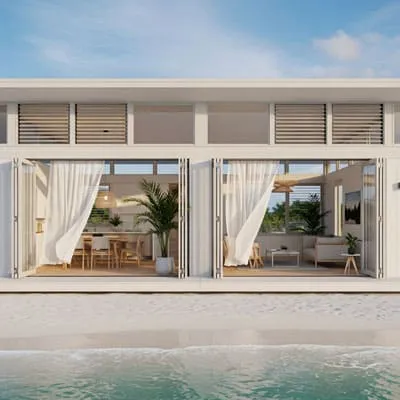
The coastal orientation often dictates the placement of windows and terraces, framing ocean views and capturing prevailing sea breezes. This intentional design fosters a strong connection between indoor and outdoor environments, essential for human well-being in these regions.
These principles reflect an understanding of how people live in coastal settings, prioritizing calmness, slow living, and environmental harmony.
Materiality and Sustainability in Coastal Environments
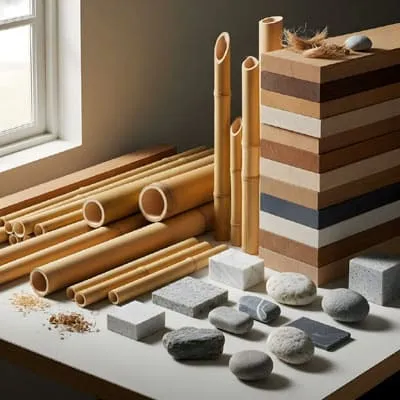
Material selection in these regions leans toward locally sourced, durable, and climate-resilient options. Timber, bamboo, and stone are common, chosen for their ability to withstand humidity, salt air, and storms.
In Australia and Hawaii, recycled and treated woods provide longevity while reducing environmental impact.
Sustainability is integral; many beach houses incorporate rainwater harvesting, solar shading, and passive cooling techniques. These strategies reduce the carbon footprint and promote self-sufficiency, crucial for remote or ecologically sensitive coastal zones.
By embedding sustainability into material and structural choices, these homes set benchmarks for responsible coastal architecture.
Relationship Between Culture and Coastal Architecture
- Brazilian beach houses reflect vibrant social lifestyles with expansive verandas and communal spaces.
- Australian coastal homes prioritize minimalism and blending with the rugged natural landscape.
- Hawaiian architecture incorporates native motifs and open lanais, emphasizing family and community.
- All three balance tradition and modernity, creating timeless coastal retreats.
This cultural layering enriches architectural language, producing houses that resonate with place identity while meeting contemporary demands.
Environmental Adaptations in Tahiti and the Maldives Beach Houses
Climatic Challenges and Architectural Responses
Tahiti and the Maldives face intense sun, heavy rainfall, and oceanic winds. Architecture here prioritizes durability and comfort through elevated structures and steeply pitched roofs that facilitate rain runoff. Elevated floors protect against tides and flooding, a crucial adaptation in these low-lying island environments.
Natural ventilation is optimized by wide openings and shutter systems that adjust for weather changes. The architecture embodies a slow, intentional rhythm, allowing occupants to engage with nature safely and comfortably.
These adaptations demonstrate how architecture can be a proactive mediator between humans and volatile environments.
Use of Indigenous Building Techniques and Materials
Traditional thatch roofing, woven palm walls, and coral stone foundations remain prevalent in Tahiti and Maldives beach houses.
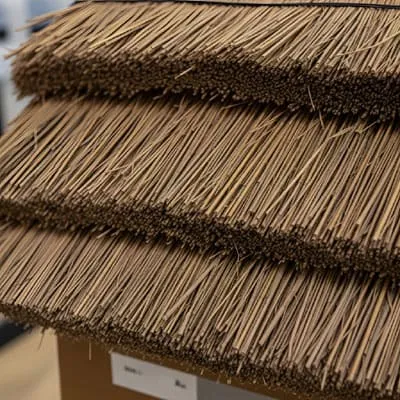
These materials provide excellent thermal insulation and blend seamlessly with the island landscape. Indigenous construction methods emphasize craftsmanship and ecological sensitivity, fostering homes that age gracefully within their context.
Modern adaptations enhance these techniques with treated materials and structural reinforcements, ensuring longevity without sacrificing cultural integrity.
Such architectural synthesis respects heritage while addressing contemporary needs.
Design Elements Encouraging Sustainable Living
- Rainwater collection systems integrated into roof designs.
- Solar panels discreetly installed to preserve aesthetic harmony.
- Natural shading from deep eaves and vegetation buffers.
- Use of permeable surfaces to maintain groundwater recharge.
- Locally sourced, biodegradable materials minimizing environmental footprint.
These elements highlight how beach houses in Tahiti and the Maldives embrace sustainability as a core design value.
| Adaptation | Tahiti | Maldives |
|---|---|---|
| Roof Type | Steep thatched roofs | Coral stone and thatch |
| Elevation | Raised on stilts | Raised platforms |
| Ventilation | Wide adjustable shutters | Open walls and lattices |
Spatial Organization in Bali and Papua New Guinea Beach Homes
Indoor-Outdoor Flow and Human-Centered Layouts
Bali and Papua New Guinea beach houses prioritize fluid transitions between interior and exterior spaces. Large sliding doors, open courtyards, and verandas create a seamless connection with the environment, supporting a lifestyle that embraces nature and community.
The spatial layout often includes distinct zones for socializing, relaxing, and dining, designed around climatic comfort and cultural customs. This encourages slow living and intentional use of space, aligned with human rhythms and environmental conditions.
Such spatial planning underscores the importance of designing homes that enhance day-to-day living experiences.
Materials Enhancing Sensory Experience
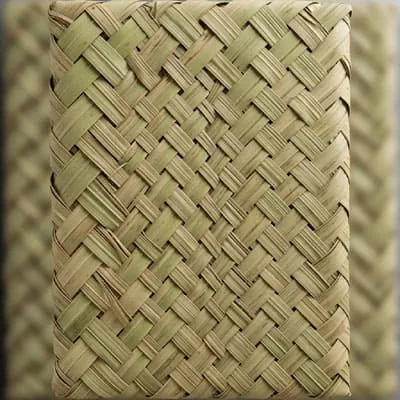
Locally harvested hardwoods, woven bamboo panels, and natural stone are integrated to stimulate tactile and visual senses. These materials age with grace, developing patina that reflects time and use, enriching the living environment.
The use of natural textures and colors harmonizes with surrounding landscapes, reinforcing a sense of place and belonging.
This sensory approach ensures the architecture is not only seen but felt and lived.
Community and Cultural Influences on Layout
- Communal open spaces for gatherings and ceremonies.
- Private zones shielded yet connected to nature.
- Multi-functional areas adapting to seasonal changes.
- Respect for ancestral spatial traditions in orientation and form.
- Integration of gardens and natural water features.
These influences create homes that are both functional and deeply meaningful within their cultural ecosystems.
Climate-Responsive Design Strategies Across Coastal Regions
Passive Cooling and Ventilation Techniques
Across Brazil, Australia, Hawaii, Tahiti, Maldives, Bali, and Papua New Guinea, passive cooling strategies are fundamental.
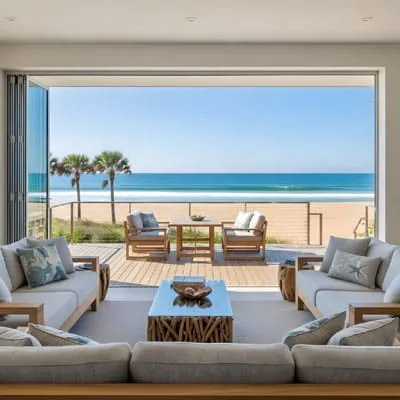
Cross-ventilation is maximized through carefully positioned openings, while shading devices reduce direct solar gain. Roof overhangs and louvers provide dynamic control over light and air flow.
These techniques reduce energy consumption and foster indoor comfort, demonstrating how climate-responsive design can be both elegant and efficient.
Such strategies are essential in tropical and subtropical beach environments where mechanical cooling is often costly or unsustainable.
Elevated Foundations and Flood Prevention
Many beach houses in these regions are elevated on stilts or raised platforms to mitigate flooding and storm surges. This approach not only protects structures but also promotes air circulation beneath the floor, reducing moisture accumulation and enhancing durability.
Elevated designs also respect natural coastal dynamics, allowing tidal waters and vegetation to persist unhindered.
Incorporating this architectural response is critical for resilience in the face of climate change.
Integration of Vegetation and Landscape
- Use of native plants to stabilize soil and reduce erosion.
- Green buffers for wind and sun protection.
- Landscaping that supports local biodiversity and water management.
- Designs that frame natural views and enhance privacy.
Vegetation is a strategic partner in climate-responsive architecture, enhancing the microclimate and reinforcing the connection between home and environment.
| Design Strategy | Function | Example Region |
|---|---|---|
| Cross-ventilation | Enhances airflow, reduces heat | Australia, Bali |
| Elevated foundations | Flood protection, moisture control | Maldives, Papua New Guinea |
| Green buffers | Sunshade, windbreak | Brazil, Hawaii |
Material Innovations and Construction Techniques in Coastal Homes
Durability Against Salt Air and Humidity
Coastal environments expose buildings to salt-laden air and high humidity, accelerating material degradation. Innovations such as treated hardwoods, corrosion-resistant metals, and composite materials extend structural life. In Australia and Bali, engineered timber and fiber cement boards offer resilience without sacrificing aesthetics.
These materials are selected for their ability to withstand harsh marine conditions while maintaining a natural appearance that complements the surroundings.
Optimizing durability is crucial for reducing maintenance and ensuring long-term habitation.
Prefabrication and Modular Construction
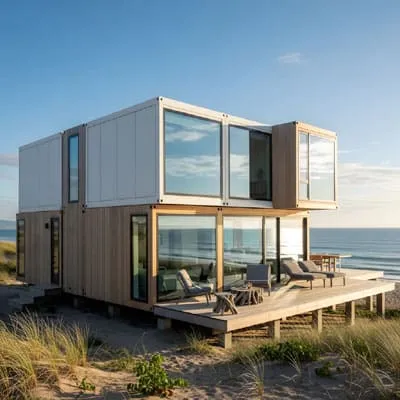
Prefabricated and modular systems are increasingly used in these regions to accelerate construction timelines and ensure quality control. In remote areas like Papua New Guinea and some parts of the Maldives, modular units allow for efficient assembly with minimal environmental disturbance.
These methods also enable flexibility in design, accommodating diverse site conditions and client needs while maintaining architectural integrity.
Prefabrication supports sustainable practices by reducing waste and optimizing resource use.
Natural Finishes Enhancing Longevity
- Natural oils and waxes for timber protection.
- Breathable lime plasters that manage moisture.
- UV-resistant finishes that prevent color fading.
- Non-toxic sealants ensuring indoor air quality.
Such finishes preserve material quality and contribute to the healthy indoor environments that beach houses demand.
Human-Centered Design Approaches in Coastal Residences
Comfort Through Spatial and Environmental Control
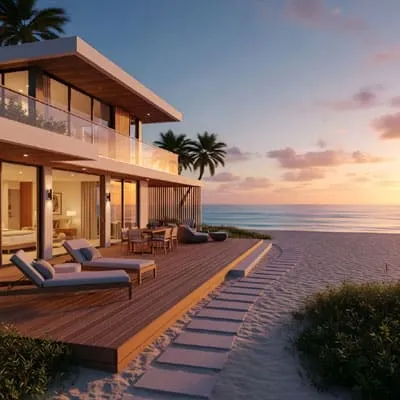
Human-centered design in beach houses prioritizes adaptable spaces that respond to changing needs and climates. Adjustable shading, flexible partitions, and multi-use rooms allow inhabitants to customize their environment for privacy, socializing, or solitude.
Environmental control extends to ventilation and daylight, creating interiors that feel calm and restorative.
This approach aligns architecture with how people truly live, supporting well-being and connection.
Accessibility and Inclusivity in Coastal Homes
Designs increasingly integrate universal accessibility, ensuring all users can navigate and enjoy beach homes safely.
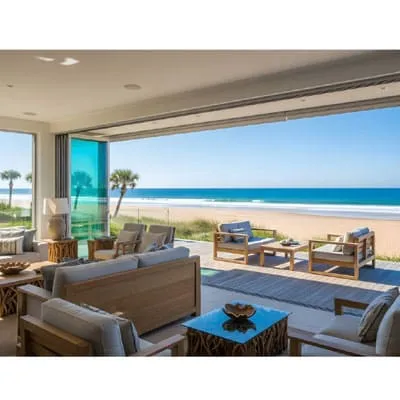
Features such as ramped entries, wide doorways, and barrier-free showers accommodate diverse abilities without compromising aesthetics.
Inclusive design is a hallmark of thoughtful architecture, reflecting social responsibility and respect for occupants.
These considerations enhance the long-term usability and desirability of coastal residences.
Wellness and Connection to Nature
- Biophilic design elements fostering mental health.
- Quiet zones oriented toward ocean views.
- Natural ventilation reducing indoor pollutants.
- Outdoor living spaces encouraging physical activity.
- Use of natural materials enhancing sensory comfort.
These features create homes that nurture the human spirit, essential in coastal lifestyles.
International Influences and Regional Adaptations
Cross-Cultural Architectural Dialogues
Beach houses in these diverse regions reflect a blend of local traditions and international architectural innovations. Australian minimalism meets Balinese craftsmanship; Hawaiian openness dialogues with Papuan materiality. This fusion results in unique homes that respect local identity while embracing global best practices.
Architects act as cultural translators, incorporating sustainable technology and indigenous wisdom.
This international grounding enriches architectural vocabulary and performance.
Adaptation to Regional Regulations and Standards
Coastal construction must navigate varied building codes and environmental protections. In Brazil and the Maldives, regulations address coastal erosion and habitat preservation. Compliance shapes architectural choices around footprint size, materials, and construction methods.
Understanding and integrating these frameworks ensures that beach houses are legally sound and environmentally responsible.
Regulatory adaptation is key to sustaining coastal communities over time.
Global Trends Influencing Local Coastal Designs
- Emphasis on net-zero energy and carbon neutrality.
- Increased use of smart home technologies for environmental control.
- Growing interest in modular and prefabricated construction.
- Focus on resilience against climate change impacts.
- Integration of wellness-oriented architectural features.
These trends are gradually reshaping coastal architecture worldwide, including in Brazil, Australia, and beyond.
Technological Integration in Beach House Architecture
Smart Environmental Controls
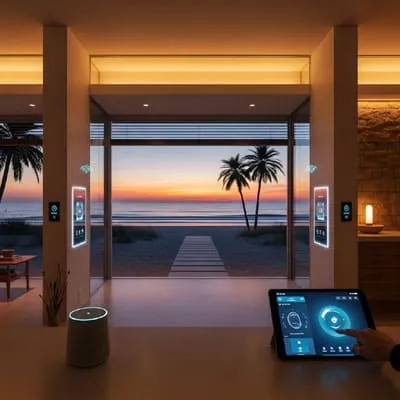
Technologies such as automated shading, climate sensors, and energy management systems are increasingly incorporated into beach houses. These smart controls optimize comfort and energy efficiency, adapting interior environments to weather and occupant preferences in real time.
In regions like Hawaii and Australia, such systems help balance sustainability with modern convenience.
Technology enhances the intentional, slow living ethos by reducing manual adjustments and energy waste.
Renewable Energy Systems
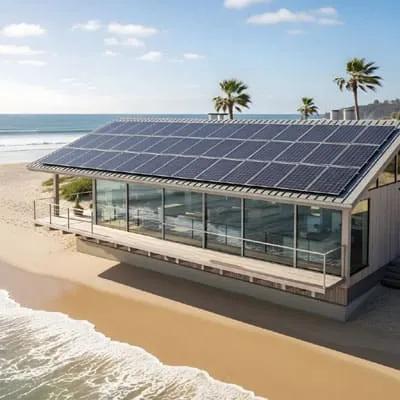
Solar panels, small-scale wind turbines, and battery storage are becoming standard in beach homes across these regions. The abundance of sun and wind resources makes renewable energy viable and attractive, reducing dependence on fossil fuels.
These systems are often integrated discreetly to preserve aesthetic integrity, particularly important in culturally sensitive or protected coastal zones.
Renewable energy is central to future-proofing coastal residences.
Water Management and Conservation Technologies
- Rainwater harvesting with filtration for potable use.
- Greywater recycling for irrigation.
- Smart irrigation systems reducing water waste.
- Moisture sensors monitoring soil hydration.
These technologies conserve precious water resources and support sustainable landscaping practices.
Resilience and Longevity in Coastal Housing Design
Storm and Flood Resistance Strategies
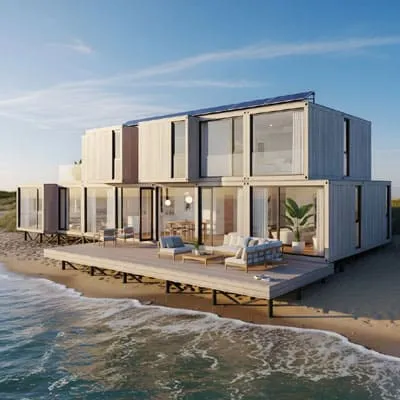
Coastal homes in these regions employ reinforced structures, hurricane-resistant glazing, and impact-resistant doors to withstand storms. Elevated designs and drainage systems mitigate flood risks, protecting both inhabitants and property.
These resilience measures are vital given increasing storm intensity linked to climate change.
Durable design ensures safety and reduces repair costs over time.
Maintenance and Adaptability for Long-Term Use
Designing for longevity involves using materials and construction methods that simplify maintenance. Modular components allow easy replacement or upgrading. Adaptable interiors can evolve with changing family needs or climate conditions.
Such foresight in design sustains the value and usability of beach houses across generations.
Intentionality in maintenance planning reflects a human-centered architectural approach.
Community Engagement and Environmental Stewardship
- Collaborative design respecting local ecosystems.
- Incorporation of traditional knowledge in resilience planning.
- Promotion of low-impact construction techniques.
- Engagement with coastal conservation initiatives.
These practices ensure beach houses contribute positively to their communities and environments.
Beach Houses
The architectural uniqueness of beach houses in Brazil, Australia, Hawaii, Tahiti, Maldives, Bali, and Papua New Guinea derives from their profound responsiveness to climate, culture, and human needs. These homes exemplify calm, intentional design that respects the environment while fostering deep connections between people and place.
Incorporating regional adaptations, sustainable materials, and modern technologies, beach houses in these regions offer models of resilient, human-centered coastal living. For architects and homeowners alike, embracing these principles invites a thoughtful approach to designing coastal residences that endure and inspire.
Frequently Asked Questions (FAQ)
What Are the Key Architectural Features of Beach Houses in Tropical Regions?
Key features include elevated foundations for flood protection, open floor plans promoting cross-ventilation, use of natural and durable materials like timber and stone, and large overhangs for shading. These elements ensure comfort, durability, and harmony with the coastal environment.
How Do Beach Houses in Brazil Differ from Those in Papua New Guinea?
Brazilian beach houses often prioritize social and communal spaces with vibrant designs, while Papua New Guinea homes emphasize indigenous materials and spatial arrangements rooted in cultural traditions. Both adapt to their climates but express distinct cultural identities.
What Sustainable Strategies Are Common in Maldives Beach Houses?
Common strategies include rainwater harvesting, solar energy integration, use of biodegradable materials, natural ventilation, and elevated structures to mitigate flooding. These approaches reduce environmental impact and enhance resilience to climate change.
How Does Cultural Context Influence Beach House Design in Bali?
Cultural context shapes the use of open courtyards, integration of natural elements, and spatial organization supporting community activities. Traditional craftsmanship and local materials reinforce a connection to heritage while accommodating modern living.
Can Modern Technology Be Integrated Without Compromising Coastal Aesthetics?
Yes, technologies such as solar panels, smart shading, and water management systems can be discreetly incorporated into beach houses. Thoughtful design ensures these elements enhance functionality without detracting from the natural beauty and cultural character of coastal homes.
For further authoritative insights, visit the ArchDaily and World Green Building Council.

Architect with extensive experience in residential and commercial design, including renovations and modular construction. Love to share information about Architecture, home and lifestyle in this blog.