
Living alone has become an increasingly significant lifestyle choice, especially in Brazil, in big city environments, like São Paulo and Rio de Janeiro . Embracing a single lifestyle means designing a home that reflects independence, functionality, and personal comfort. Understanding how to shape living spaces that cater to one person’s needs is essential for creating a sustainable and enjoyable residential experience.
In Brazil, the rise of single-person households presents both challenges and opportunities for residential design. From optimizing limited space to integrating climate-conscious solutions, architects must consider how to create homes that support a calm, intentional, and human-centered lifestyle. This approach goes beyond aesthetics, focusing on how people truly live and interact with their environments.
This article explores the nuances of single lifestyle housing in Brazil, emphasizing architectural strategies that enhance comfort, efficiency, and well-being. We will cover practical design principles, climate-aware features, and cultural considerations that help individuals thrive in their personal living spaces.
Understanding the Single Lifestyle Concept
Defining Single Lifestyle in Residential Design
The single lifestyle emphasizes autonomy and simplicity in living arrangements, often reflecting individual preferences and routines. In residential design, it means creating spaces that are tailored for one person’s daily activities, emotional needs, and social habits.
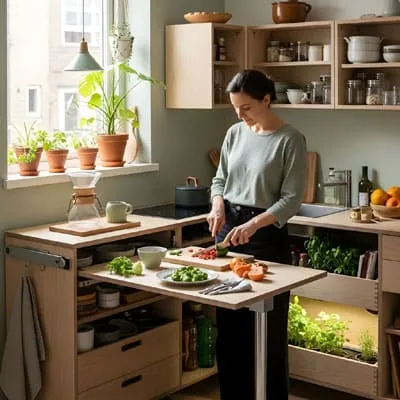
This focus encourages minimalism and intentionality, avoiding unnecessary complexity in the home environment.
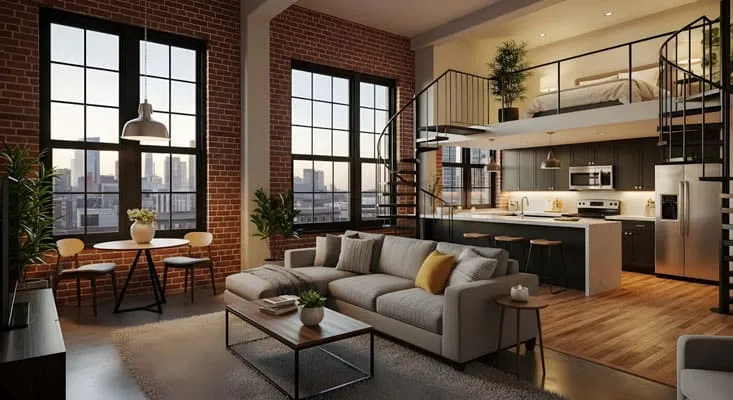
Designing for a single lifestyle often involves compact layouts, multipurpose furniture, and efficient use of natural light and ventilation. These elements contribute to a home that is both functional and calm, fostering a sense of well-being.
In Brazil, adapting to local cultural norms and climate conditions is crucial. The single lifestyle here integrates traditional warmth with modern minimalism, creating spaces that feel welcoming yet purposeful.
Benefits of Living Alone with Purposeful Design
Architectural design that supports a single lifestyle offers numerous benefits, including greater personal freedom and ease of maintenance. Homes designed for one person can maximize spatial efficiency, reducing clutter and improving organization.
Intentional design also enhances mental health by providing serene and adaptable spaces that respond to individual rhythms. This approach helps residents feel more connected to their environment, promoting relaxation and productivity.
Furthermore, sustainable and climate-responsive design reduces environmental impact, aligning with broader goals of responsible urban living in Brazilian cities.
Challenges of Single Living in Urban Brazil
Despite its appeal, single living faces challenges such as limited affordable housing options and social isolation.
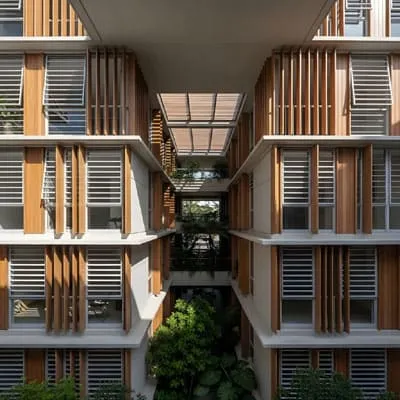
Urban settings in Brazil often have high real estate costs, making it difficult to find well-designed small homes that meet single lifestyle needs.
Additionally, designing spaces that balance privacy with social interaction requires thoughtful architectural solutions. Noise control, safety, and access to communal amenities are key factors.
Addressing these challenges demands innovation in building materials, layout planning, and community integration to foster vibrant, human-centered living environments.
Design Principles for Single Lifestyle Spaces
Spatial Efficiency and Flexibility
- Open floor plans to maximize usable space
- Multipurpose furniture like foldable tables and sofa beds
- Vertical storage solutions to reduce footprint
- Natural lighting to enhance perceived space
- Defined zones for work, rest, and leisure within limited areas
Designing for a single lifestyle prioritizes spatial efficiency, allowing each square meter to serve multiple functions. Flexibility in furniture and layout is essential to adapt to changing needs, such as working from home or hosting guests.
Natural light and ventilation improve comfort and reduce energy consumption, which is vital in Brazil’s diverse climates. Vertical storage keeps belongings organized without cluttering the floor space, making the home feel larger and more inviting.
Material Selection with Sustainability in Mind
Choosing sustainable materials enhances the environmental performance of single lifestyle homes. Locally sourced wood, recycled metals, and low-VOC ( volatile Organic Compounds) paints contribute to healthier indoor air quality and reduced carbon footprint.
Durability and ease of maintenance are essential, as single residents often prefer low-effort upkeep. Materials that age gracefully and resist wear improve the longevity of the living space.
Incorporating natural textures and tones supports a calm and intentional atmosphere, aligning with the human-centered design ethos.
Incorporating Climate Awareness in Design
| Climate Strategy | Design Feature | Benefit |
|---|---|---|
| Passive Cooling | Cross-ventilation and shading devices | Reduces indoor temperatures naturally |
| Thermal Insulation | Insulated walls and roofs | Maintains comfortable indoor temperatures year-round |
| Rainwater Harvesting | On-site collection systems | Supports water conservation and reuse |
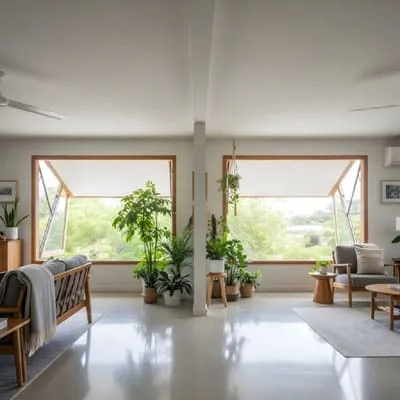
In Brazil’s varied climate zones, climate-aware design is crucial for comfort and sustainability. Passive cooling techniques like cross-ventilation and shading reduce reliance on air conditioning, lowering energy costs.
Proper insulation ensures temperature stability, while rainwater harvesting systems promote environmental responsibility. These features contribute to a home that is both efficient and pleasant for single occupants.
Optimizing Comfort for Solo Residents
Personalizing Space to Reflect Identity
- Customizable lighting options for mood adjustment
- Dedicated areas for hobbies and relaxation
- Art and décor that express individuality
- Ergonomic furniture tailored to personal needs
- Acoustic treatments to enhance privacy and calm
- Plants and natural elements to improve ambiance
Comfort in single lifestyle homes stems from spaces that resonate with personal identity. Lighting flexibility allows adaptation from work mode to relaxation, while dedicated hobby areas support well-being.
Incorporating art and plants fosters a connection to nature and culture, vital for mental health. Ergonomic choices prevent physical strain, and acoustic design ensures tranquility within the urban environment.
Technology Integration for Convenience
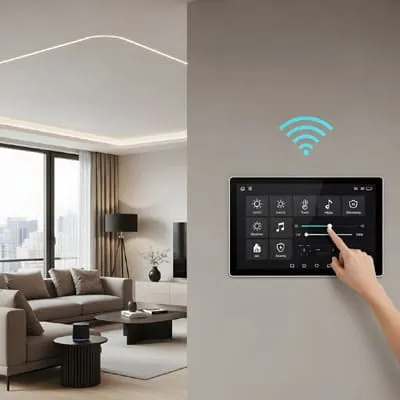
Smart home technologies enhance convenience and security for single residents. Automated lighting, climate control, and security systems allow seamless management of the home environment, tailored to individual schedules.
Voice-controlled assistants and energy monitoring devices contribute to efficiency and accessibility. These systems reduce the cognitive load on residents, enabling a more intentional lifestyle.
Integrating technology subtly into design avoids clutter and maintains a calm, architectural aesthetic.
Creating Social and Private Zones
Balancing social interaction and privacy is critical for single living. Design strategies include flexible partitions, soundproofing, and distinct spatial zones that accommodate guests without compromising solitude.
Outdoor terraces or balconies can serve as social extensions of the home, connecting residents to the community while preserving private interiors.
Thoughtful circulation paths and furniture placement also enhance this balance, supporting a dynamic yet calm lifestyle.
Efficient Use of Small Spaces
Compact Living Solutions
- Murphy beds and convertible sofas
- Fold-down desks and tables
- Under-stair or under-bed storage
- Integrated appliances in kitchenettes
- Sliding doors to save space
- Built-in shelving with multifunctional use
- Minimalist décor to reduce visual clutter
Small living spaces are common in Brazilian cities, making efficiency essential. Compact furniture solutions increase usability without sacrificing comfort.
Innovative storage and space-saving appliances optimize every corner. Sliding doors and integrated furnishings enhance flow and reduce obstruction, crucial for single lifestyle homes.
Designing Multi-Functional Rooms
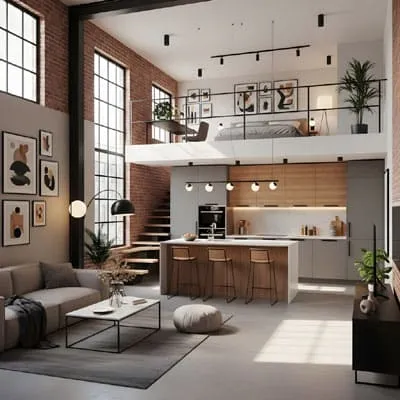
Rooms that serve multiple purposes maximize limited square footage. For example, a living room can double as a workspace or guest room through flexible furniture and layout.
Using neutral color palettes and consistent materials helps unify spaces, creating a sense of openness despite physical constraints.
Multi-functional design supports a slow, intentional lifestyle by reducing the need for excess belongings and promoting mindful living.
Lighting Strategies for Small Homes
| Lighting Type | Application | Effect |
|---|---|---|
| Ambient Lighting | Ceiling fixtures and wall sconces | Creates an even, comfortable base illumination |
| Task Lighting | Desk lamps, under-cabinet lights | Enhances focus and functionality in work areas |
| Accent Lighting | Spotlights and LED strips | Highlights architectural features and décor |
Effective lighting is vital in small homes to enhance spatial perception and mood. Layered lighting schemes allow residents to customize atmosphere and functionality according to their activities.
Natural light should be maximized via window placement and reflective surfaces. Artificial lighting complements this by providing warmth and visual interest, contributing to a calm, intentional environment.
Climate-Responsive Architecture for Single Dwellings
Adapting to Brazil’s Diverse Climates
Brazil’s climate zones range from tropical to subtropical, requiring tailored architectural responses for single lifestyle homes. Proper orientation, shading devices, and material selection help mitigate heat and humidity.
In cooler regions, insulation and passive solar gain strategies maintain comfort. The integration of greenery and water features can moderate microclimates around the home.
These climate-responsive principles ensure that homes remain energy-efficient and comfortable year-round, supporting sustainable living.
Natural Ventilation and Air Quality
- Cross-ventilation through operable windows
- Ventilation shafts and vents for airflow
- Use of breathable building materials
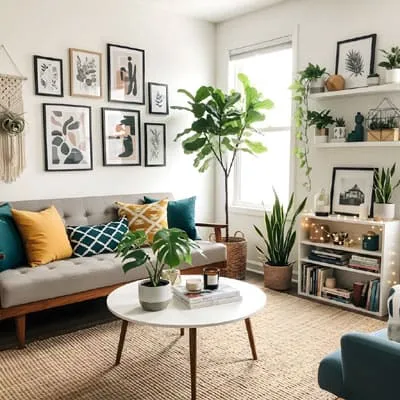
- Indoor plants to improve air quality
Maintaining air quality and temperature is critical for health and comfort.
Natural ventilation systems reduce dependence on mechanical cooling, lowering energy use and costs.
Choosing materials that allow moisture regulation prevents mold and enhances indoor climate stability. Indoor greenery further purifies air, promoting a healthier living environment for single residents.
Energy Efficiency and Renewable Solutions
Implementing energy-efficient appliances and renewable energy sources such as photovoltaic panels aligns with environmental responsibility. Single lifestyle homes benefit from scaled solutions that fit their size and consumption patterns.
Smart energy management systems optimize usage, balancing comfort with conservation. These technologies also support a slow, intentional lifestyle by encouraging mindful consumption.
Adopting these strategies helps reduce the ecological footprint of single-occupant homes in Brazil’s urban centers.
Furnishing and Decor for a Calm Single Lifestyle
Minimalist and Functional Furniture Choices
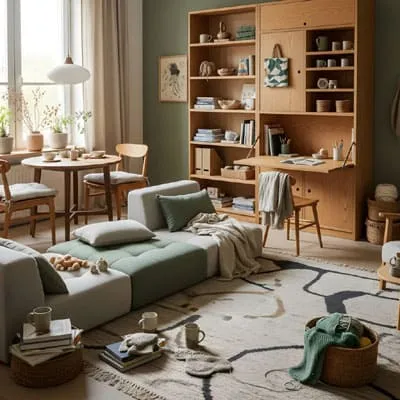
Furnishing a single lifestyle home requires a minimalist approach that prioritizes function without sacrificing comfort. Choosing neutral, calming colors and natural textures fosters a serene atmosphere.
Multipurpose furniture supports adaptability and reduces clutter. Comfort is essential, with ergonomic seating and supportive surfaces promoting well-being. Try to include in your home:
- Simple lines and neutral colors
- Multipurpose pieces to save space
- Natural materials like wood and linen
- Comfort-oriented seating options
Decor Elements That Enhance Well-Being
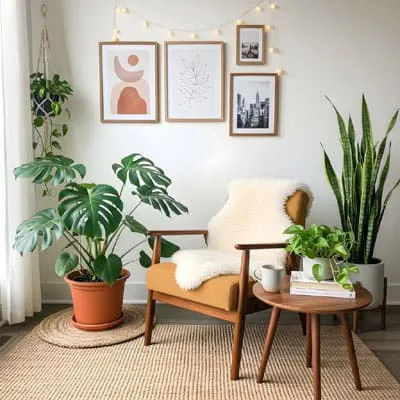
Decor in single lifestyle homes should support tranquility and personal expression.
Soft textiles, natural fibers, and curated art pieces create a welcoming, intentional environment.
Incorporating elements of nature such as plants and natural light connects residents to the outdoors, enhancing mood and reducing stress.
Decorative restraint avoids overstimulation, allowing the architecture and lifestyle to take center stage.
Creating a Sense of Home and Belonging
Personal touches such as family heirlooms, photographs, or souvenirs contribute to emotional attachment and identity within the home. These details make the space uniquely comforting for the individual.
Intentional arrangement of items and spaces fosters a sense of flow and harmony, critical for mental clarity and relaxation.
A calm, human-centered home supports a balanced single lifestyle, inviting peaceful reflection and mindful living.
Community and Social Aspects of Single Living
Designing for Social Interaction
- Shared outdoor spaces like courtyards and gardens
- Common areas for gatherings and events
- Flexible indoor spaces for hosting
- Proximity to community amenities
- Accessibility to public transportation
Despite living alone, single lifestyle residents benefit from community connections. Architectural design can foster social engagement through shared spaces that encourage interaction without compromising privacy.
Proximity to parks, cafes, and transit supports an active social life, essential for emotional well-being.
Designing neighborhoods with human-scale and intentional public areas nurtures a sense of belonging.
Balancing Privacy and Openness
Protecting privacy while encouraging openness is a design challenge. Techniques include strategic landscaping, sound barriers, and thoughtful window placement to shield interiors from public view.
At the same time, visual and physical connections to outdoor spaces and neighbors promote community ties, enabling residents to feel secure and engaged.
This balance is key to the success of single lifestyle housing in dense urban contexts.
Supporting Mental Health Through Architecture
| Architectural Feature | Impact on Mental Health |
|---|---|
| Natural Light | Improves mood and regulates circadian rhythms |
| Quiet Zones | Provide spaces for relaxation and focus |
| Green Spaces | Reduce stress and increase feelings of well-being |
Architectural elements that nurture mental health are vital for single lifestyle residents. Access to natural light, quiet retreat areas, and green spaces contribute to emotional balance and resilience.
These design strategies support a slow and intentional lifestyle, helping individuals thrive in their homes and communities.
Brazilian Lifestyle
The single lifestyle in Brazil demands architectural solutions that prioritize efficiency, comfort, and sustainability. Designing homes that are climate-aware, human-centered, and intentional enhances the quality of life for solo residents.
By integrating flexible spaces, natural materials, and community-focused features, architects can create calm and purposeful environments that truly reflect how people live alone. Embracing this approach fosters a more balanced, mindful, and fulfilling single lifestyle.
Frequently Asked Questions (FAQ)
What Defines a Single Lifestyle in Home Design?
A single lifestyle in home design focuses on creating spaces tailored for one person’s needs, emphasizing simplicity, functionality, and personal comfort. It often involves compact layouts, multipurpose furniture, and intentional use of space to support independence and well-being.
How Can Small Homes Be Optimized for Single Occupants?
Small homes for single occupants are optimized through flexible layouts, space-saving furniture like Murphy beds, vertical storage, and maximizing natural light. These strategies enhance usability and comfort without cluttering the space.
What Climate Considerations Are Important for Single Lifestyle Homes in Brazil?
Brazil’s diverse climates require designs that incorporate passive cooling, thermal insulation, natural ventilation, and rainwater harvesting. These features maintain comfort, reduce energy consumption, and ensure sustainability throughout the year.
How Does Architecture Support Mental Health for Single Residents?
Architecture supports mental health by providing access to natural light, quiet zones, and green spaces. These elements reduce stress, improve mood, and create a serene environment conducive to relaxation and focus.
Can Technology Enhance the Single Lifestyle at Home?
Yes, technology such as smart lighting, climate control, and security systems enhance convenience, comfort, and safety for single residents. Integrated smart solutions help manage the home environment efficiently and support an intentional lifestyle.
For further reading and authoritative insights on sustainable architecture and urban living, visit ArchDaily and the World Green Building Council.

Architect with extensive experience in residential and commercial design, including renovations and modular construction. Love to share information about Architecture, home and lifestyle in this blog.