
Understanding the various types of composting methods is essential for anyone aiming to implement sustainable waste management in urban homes. The types of composting vary significantly in technique, speed, and suitability depending on the environment and available resources. Recognizing these differences helps urban dwellers optimize their composting process, reduce waste, and contribute positively to their local ecosystem.
Urban composting presents unique challenges due to limited space, seasonal changes, and often fluctuating organic waste availability. Different types of composting systems address these issues by adapting to spatial constraints and climatic conditions. Evaluating the types of composting suitable for urban homes can lead to more effective and climate-aware waste reduction strategies that fit daily living patterns.
This article explores seven distinct types of composting, highlighting their characteristics, benefits, and practical applications for urban households. It will also provide comparative tables, detailed subsections, and actionable insights for readers seeking to adopt an environmentally responsible lifestyle through composting.
Common Types of Composting Methods
Overview of Popular Composting Types
The most common types of composting include aerobic, anaerobic, vermicomposting, and tumbling composting. Each type utilizes different biological processes to break down organic material, influencing the speed and quality of the compost produced. Aerobic composting, for example, requires oxygen and is typically faster with less odor, while anaerobic composting occurs in oxygen-deprived environments and tends to produce methane.
Understanding these types helps urban homeowners select the right method based on their space, waste type, and time availability. Additionally, the variations in composting types accommodate different organic waste streams, including kitchen scraps, garden waste, and paper products.
Below are some examples of popular composting types used in urban settings:
- Aerobic composting with open bins
- Vermicomposting using worms
- Tumbling composters for easy turning
- Indoor bokashi systems
- Sheet composting for garden beds
Key Characteristics of Each Type
Aerobic composting requires regular turning to maintain oxygen levels, typically producing compost within 3 to 6 months. Vermicomposting uses red wiggler worms that consume organic matter, accelerating decomposition in confined spaces. Anaerobic composting, while slower, is useful for sealed containers and can handle a variety of waste but requires gas management.
Tumbling composters are designed for ease of use, allowing frequent turning without physical labor, speeding the process in urban environments. Bokashi composting ferments waste using microbes, making it ideal for indoor use and reducing odors. Each method’s characteristics dictate suitability based on space, user effort, and waste composition.
Selecting the appropriate type depends on balancing these factors for optimal compost production and environmental benefit.
Comparing Types by Environmental Impact
The environmental footprint of each composting type varies. Aerobic systems emit less methane compared to anaerobic processes, making them preferable for urban sustainability. Vermicomposting enhances soil health through nutrient-rich worm castings and minimizes greenhouse gas emissions.
Conversely, anaerobic composting can produce methane if not properly managed, but its sealed nature reduces local odor issues. Bokashi composting’s fermentation process captures nutrients efficiently but requires follow-up composting after fermentation. Considering these environmental impacts is vital for cities aiming to reduce their carbon footprint.
A comparative table below highlights environmental factors associated with each composting type:
| Composting Type | Greenhouse Gas Emissions | Suitability for Urban Homes |
|---|---|---|
| Aerobic | Low | High |
| Vermicomposting | Very Low | High (Indoor & Outdoor) |
| Anaerobic | Moderate to High* | Medium (Requires Management) |
| Bokashi | Very Low | High (Indoor) |
Variations of Compost Types in Urban Settings
Adapting Compost Types for Small Spaces
Urban homes often face spatial limitations that require variations of traditional composting types. Compact systems like vermicomposting bins and bokashi buckets offer solutions that fit balconies, kitchens, or small yards.
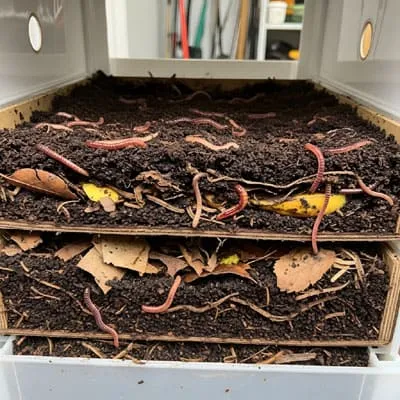
These types allow for seasonally adjusted composting where organic waste is processed indoors during colder months.
Implementing these variations enables year-round composting irrespective of weather. Additionally, modular compost bins allow residents to expand or reduce capacity as needed, promoting intentional and calm waste management practices tailored to personal living conditions.
These adaptations reflect a human-centered approach to composting that respects lifestyle and environmental constraints.
Seasonal Adjustments in Composting Types
Seasonal changes impact the efficiency of composting types, especially those relying on biological activity sensitive to temperature and moisture. For example, aerobic composting slows in winter but can be supplemented with insulated bins or indoor vermicomposting. Conversely, anaerobic systems maintain activity but require monitoring to prevent odor.
Urban composters may switch between types or modify their systems according to the season to maintain performance. These seasonal variations optimize decomposition rates and reduce waste accumulation during less active periods.
Understanding how seasons influence composting types is crucial for sustainable urban waste management.
Innovative Compost Types for Urban Sustainability
Emerging composting types aim to integrate technology and design for enhanced urban utility. Smart compost bins with sensors monitor moisture, temperature, and aeration, automating processes and minimizing user effort. These innovations support climate-aware practices by optimizing energy use and reducing emissions.
Other experimental composting types combine vermicomposting with hydroponic gardening or use biochar additives to improve carbon sequestration. These approaches demonstrate intentional and slow design thinking, merging human needs with ecological stewardship.
Such innovations reflect a forward-thinking perspective on urban composting types, aligning with broader sustainability goals.
Classification of Compost Types by Material Input
Green and Brown Material Types
Composting types are often classified by the balance of green (nitrogen-rich) and brown (carbon-rich) materials used. Green materials include kitchen scraps, fresh grass clippings, and coffee grounds, while brown materials encompass dried leaves, cardboard, and wood chips. Achieving the right ratio is critical for effective decomposition across all composting types.
Urban composters should aim for roughly a 2:1 brown-to-green ratio, though this can vary based on the specific composting method. Proper classification and management of input types ensure aerobic conditions and limit odors, pests, and slowdowns.
Awareness of input material types helps tailor composting systems to the specific waste streams generated by urban living.
Organic Waste Types Suitable for Each Composting Type
Different composting types process organic waste differently. Vermicomposting excels in breaking down soft kitchen waste but struggles with woody materials. Aerobic composting can handle a broader range of materials, including garden trimmings and paper. Anaerobic composting accepts various organic wastes but requires care to avoid toxic buildup.
Matching waste types to composting methods maximizes efficiency and quality of the final compost. Urban households benefit from segregating waste streams accordingly to fit their chosen composting type.
Adapting to organic waste types also reduces contamination and improves nutrient recovery.
Impact of Material Types on Compost Quality
The types of materials used directly influence the nutrient profile, texture, and maturity of compost. High nitrogen inputs accelerate microbial activity but risk ammonia odors if unbalanced. Carbon-rich materials stabilize the compost but slow decomposition if excessive. Proper mixing of material types in any composting type results in rich, friable compost suitable for urban gardens.
Material composition also affects moisture retention and aeration, critical parameters in composting efficiency. Urban composters must monitor input types carefully to produce high-quality compost consistently.
Understanding these relationships empowers residents to manage their composting practices effectively.
Distinctive Types of Compost Bins and Containers
Bin Designs for Various Composting Types
Compost bins come in numerous designs tailored to specific composting types. Aerobic composting often uses open or enclosed bins with ventilation to facilitate airflow.
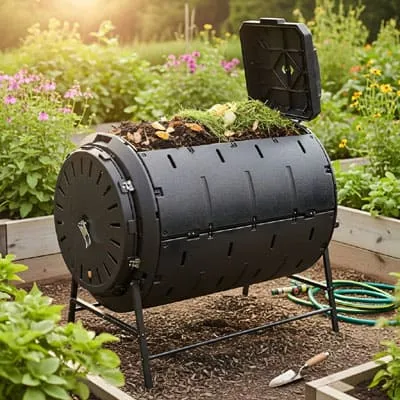
Vermicomposters are typically multi-tiered trays designed for worm habitation. Anaerobic composting requires sealed containers to limit oxygen exposure.
Urban homes favor compact, odor-resistant bins that align with interior or balcony use. Selecting the appropriate bin design supports the chosen composting type’s biological and environmental needs.
Bin material—plastic, metal, or wood—also affects durability, insulation, and aesthetics for residential settings.
Portable Vs. Fixed Compost Containers
Portable compost containers provide flexibility for urban residents who may relocate or have limited outdoor space. These units are lightweight and often include handles or wheels. Fixed containers, meanwhile, are larger and suited for gardens or communal compost areas.
Portable types support intentional, calm composting by enabling slow, manageable processing cycles without disruption. Fixed containers allow for greater volume and potentially faster composting but require dedicated space.
Choosing between portable and fixed containers depends on lifestyle, space availability, and composting type.
Maintenance Requirements by Container Type
Maintenance varies significantly across container types. Aerobic bins require regular turning and moisture checks to maintain airflow. Vermicomposting bins need worm feeding schedules and bedding replacement. Anaerobic containers must be monitored for gas buildup and leakage.
Understanding maintenance demands helps urban composters commit to sustainable practices without overwhelming daily routines. Proper upkeep prolongs container life and improves compost quality.
Designing maintenance-friendly systems aligns with a human-centered approach to composting.
Different Types of Composting Processes
Thermophilic Vs. Mesophilic Composting Types
Composting processes are divided into thermophilic (high-temperature) and mesophilic (moderate-temperature) types. Thermophilic composting involves microbial activity at temperatures between 104–160°F, rapidly breaking down materials and killing pathogens. Mesophilic composting occurs at lower temperatures, decomposing organic matter more slowly but with less odor.
Urban composters can choose a process type based on heat management capabilities and desired composting speed. Thermophilic is effective for bulk yard waste, while mesophilic suits small-scale or indoor systems.
Both processes contribute to nutrient cycling but differ in operational requirements.
Aerobic and Anaerobic Process Differences
Aerobic processes rely on oxygen to fuel microbial breakdown, producing carbon dioxide and water as byproducts.
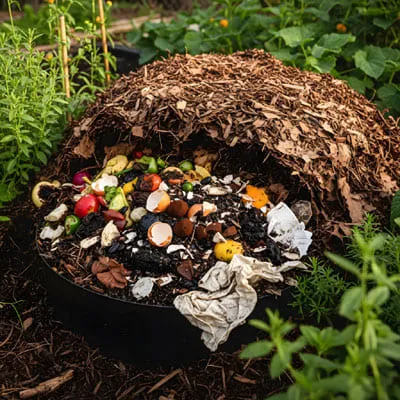
Anaerobic processes happen in oxygen-free conditions, generating methane and organic acids. Aerobic composting is preferred for urban homes due to its speed and odor control.
Anaerobic composting requires sealed containment and gas management but can be advantageous for food waste fermentation. Understanding these process differences informs appropriate system design and environmental impact mitigation.
Both processes are integral to comprehensive organic waste management strategies.
Stages of Composting in Various Types
Composting progresses through stages: initial mesophilic phase, thermophilic phase, cooling, and maturation. These stages vary in duration and intensity depending on the composting type. For example, vermicomposting maintains mesophilic conditions throughout, while aerobic composting includes a thermophilic stage.
Recognizing these stages helps urban composters monitor progress and adjust conditions to optimize decomposition. Proper timing ensures pathogen reduction and nutrient stabilization.
Awareness of composting stages promotes intentional and slow composting aligned with ecological cycles.
Types of Compost Products and Uses
Variations in Finished Compost Quality
Finished compost varies by type: worm castings from vermicomposting are nutrient-dense and fine-textured, while aerobic compost tends to be bulkier with more carbon content. Anaerobic compost may require curing to reduce acidity. Understanding these variations allows users to select compost types best suited for their gardening or landscaping needs.
Urban gardeners benefit from matching compost product types to soil conditions and plant requirements. Quality variance also influences microbial diversity and soil structure improvement.
Selecting the right compost product type enhances urban soil health sustainably.
Common Uses for Different Compost Types
- Soil amendment for gardens and potted plants
- Mulch to retain moisture and suppress weeds
- Potting mix ingredient to improve aeration
- Top dressing for lawns and landscaping
- Seed starting medium for enhanced germination
- Compost tea for foliar feeding and disease prevention
The versatility of compost types allows urban residents to engage in diverse gardening practices. Selecting appropriate compost for each use maximizes plant health and sustainability.
Tailoring compost application according to product type reflects a thoughtful and human-centered approach to urban gardening.
Comparative Table of Compost Product Types
| Compost Type | Texture | Best Use |
|---|---|---|
| Vermicompost | Fine, crumbly | Potting mixes, seed starting |
| Aerobic Compost | Coarse, chunky | Garden soil amendment |
| Anaerobic Compost | Dense, moist | Mulching after curing |
Types of Seasonal Composting Considerations
Adjusting Compost Types Across Seasons
Seasonal changes require shifts in composting methods to maintain efficiency. During colder months, aerobic composting slows, prompting a switch to indoor vermicomposting or bokashi systems. In warmer seasons, aerobic and thermophilic composting accelerate decomposition outdoors. These seasonal adjustments optimize the types of composting used throughout the year, reducing waste buildup and odors.
Urban residents can implement a hybrid approach by combining compost types seasonally. This strategy reflects intentional and calm design, respecting natural cycles and human schedules.
Understanding seasonal dynamics is key to sustainable urban composting.
Seasonal Material Types and Their Impact
Organic waste composition fluctuates seasonally, affecting composting types. Fall brings abundant brown materials like leaves, while summer produces more green trimmings. Seasonal waste profiles influence the carbon-to-nitrogen ratio, requiring composters to adjust input types accordingly for balanced decomposition.
Urban homes must adapt their composting types and material management to seasonal availability. This attentiveness ensures stable composting conditions and high-quality outcomes year-round.
Seasonal material awareness enhances the resilience of urban composting systems.
Managing Moisture and Temperature Seasonally
Moisture and temperature are critical parameters that vary with seasons, influencing composting types. Winter dryness or freezing can halt microbial activity in aerobic composting, while summer heat risks drying out materials. .
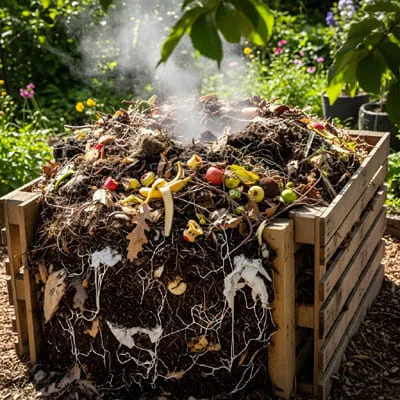
Indoor composting types like bokashi or vermicomposting mitigate these challenges by providing controlled environments.
Seasonal management involves insulating outdoor bins, adjusting watering schedules, and relocating containers as necessary. These practices maintain optimal conditions for decomposition across composting types.
Effective seasonal management supports a slow, intentional composting process aligned with climatic realities
Types of Composting Challenges and Solutions
Common Issues by Compost Type
Each composting type encounters specific challenges. Aerobic composting may suffer from poor aeration or moisture imbalance, causing odors or slow decomposition. Vermicomposting can face worm stress from temperature or overfeeding. Anaerobic systems risk methane buildup and odor if improperly maintained.
Recognizing these issues is the first step toward mitigating them effectively. Urban composters benefit from routine monitoring and timely adjustments tailored to their composting type.
Proactive problem-solving reflects an expert, human-centered approach to composting.
Practical Solutions for Urban Composters
- Regularly turn aerobic compost to maintain airflow
- Monitor moisture levels and add dry browns if too wet
- Feed worms appropriately and avoid acidic foods in vermicomposting
- Ensure sealed anaerobic bins are vented properly
- Use insulated bins or move containers indoors during extreme weather
These solutions help maintain composting efficiency and reduce nuisance factors such as pests and odors. Urban composters can integrate these practices into daily routines to support consistent results.
Simple, effective interventions align with intentional composting strategies.
Long-Term Benefits of Managing Compost Types Well
Proper management of compost types yields long-term environmental and personal benefits. High-quality compost reduces reliance on chemical fertilizers, improves soil health, and supports urban biodiversity. Effective composting also decreases landfill waste and associated greenhouse gas emissions.
Urban residents who master different composting types contribute to resilient, climate-aware communities. These benefits reinforce the value of investing time and effort in composting practices designed around human lifestyles and seasonal realities.
Long-term gains motivate continued commitment to sustainable urban living.
Urban Composting
Exploring the diverse types of composting reveals a spectrum of options suited for urban homes, each with unique benefits and challenges.
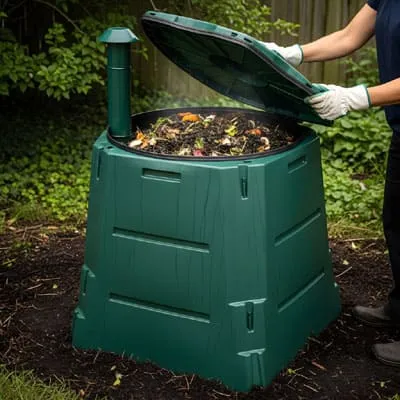
From aerobic to vermicomposting and seasonal adjustments, understanding these types empowers residents to implement effective, climate-conscious waste management.
The types of composting discussed offer pathways to reduce waste, enrich soil, and foster sustainable urban ecosystems.
Adopting the right composting type aligned with space, material availability, and seasonal considerations facilitates intentional, slow, and calm composting practices. Urban households are encouraged to experiment with these types to find the best fit, contributing positively to a greener future.
Frequently Asked Questions (FAQ)
What Are the Main Types of Composting Suitable for Urban Homes?
The primary types suitable for urban settings include aerobic composting, vermicomposting, anaerobic composting, and bokashi fermentation. Each type addresses different space constraints, waste types, and user preferences, allowing for flexible and efficient composting in limited environments.
How Do Seasonal Changes Affect Composting Types?
Seasonal variations impact temperature and moisture, influencing microbial activity and decomposition speed. Urban composters often switch to indoor methods like vermicomposting or bokashi during colder months and revert to aerobic composting outdoors during warmer seasons to maintain efficiency.
What Materials Are Best for Different Composting Types?
Green nitrogen-rich materials like kitchen scraps work well across all composting types, while brown carbon-rich materials such as leaves and paper help balance moisture and aeration. Some types, like vermicomposting, require softer, non-acidic inputs for optimal worm health.
How Can I Manage Odors in Anaerobic Composting?
Odor management involves ensuring proper sealing, adequate drainage, and regular emptying of anaerobic bins. Incorporating carbon-rich materials and preventing overfeeding helps reduce methane buildup and unpleasant smells in anaerobic systems.
What Are the Environmental Benefits of Using Different Composting Types?
Different composting types reduce landfill waste, lower greenhouse gas emissions, improve soil fertility, and promote biodiversity. Choosing the appropriate type for your urban home maximizes these benefits by optimizing decomposition and nutrient cycling efficiently.

Architect with extensive experience in residential and commercial design, including renovations and modular construction. Love to share information about Architecture, home and lifestyle in this blog.