
Small plants and tiny plants have become essential elements in contemporary residential design, offering both aesthetic appeal and functional benefits. These miniature botanical forms, especially , in terrariums contribute to wellness spaces by enhancing air quality, providing visual calmness, and promoting mindfulness. Understanding how to incorporate small plants thoughtfully can transform interiors into serene, sustainable environments that support overall well-being.
In modern homes, climate-aware and human-centered design prioritizes integrating natural elements meaningfully rather than as mere decoration. Small plants, particularly succulents and other compact species, are ideal for these architectural settings due to their minimal maintenance and adaptability. Their scale complements slow, intentional living while addressing spatial constraints and environmental considerations.
This article explores the role of small plants and tiny plants in wellness spaces, focusing on succulent terrariums as architectural elements. It covers practical design strategies, plant selection, environmental impacts, and maintenance techniques that align with climate-conscious residential living.
Benefits of Small Plants in Residential Wellness
Enhancing Air Quality and Indoor Environment
Small plants, such as succulents and miniature ferns, improve indoor air quality by filtering toxins and increasing humidity. Their compact size allows them to be strategically placed in areas prone to dryness or poor ventilation.
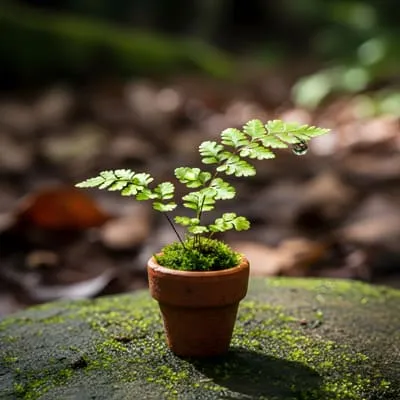
This natural purification supports respiratory health and creates a more comfortable living atmosphere.
Research shows that plants can reduce volatile organic compounds (VOCs) and particulate matter indoors, contributing to healthier environments. Choosing small plants is particularly effective in tight spaces where larger plants would be impractical or overwhelming.
Additionally, the presence of greenery has been linked to lower stress levels and enhanced mood, which is critical in wellness-focused residential design.
Creating Calm and Intentional Spaces
Incorporating small plants aligns with the philosophy of slow living by encouraging mindfulness and intentional interaction with natural elements. Their subtle presence fosters calmness without dominating the visual field, making them ideal for meditation corners, reading nooks, or office desks.
Small plants serve as tactile, living objects that invite care and attention, reinforcing a human-centered approach to space. Their scale supports architectural minimalism and integrates seamlessly into varied interior styles.
This intentionality is essential for designing wellness spaces that prioritize user experience over decoration, ensuring each element contributes functionally and emotionally.
Sustainable and Climate-Aware Choices
Choosing small plants reduces the environmental footprint of residential landscaping by minimizing water use and energy for maintenance. Succulents and drought-tolerant varieties are particularly climate-aware options, thriving with limited resources while maintaining visual vibrancy.
Integrating these plants into wellness spaces supports sustainable living goals and reflects a grounded, international design perspective sensitive to local climate conditions.
These choices promote resilience in interior environments, balancing ecological responsibility with human comfort.
Design Strategies for Tiny Plants in Interiors
Integrating Small Plants with Architectural Elements
- Use built-in niches or floating shelves to display tiny plants without cluttering surfaces.
- Incorporate terrariums within furniture pieces like coffee tables or sideboards for seamless integration.
- Position plants near natural light sources to maximize health and growth.
- Employ minimalist pots and containers that complement the architectural style.
- Use grouping techniques to create visual interest and texture.
Designing with small plants requires thoughtful placement to enhance spatial flow and maintain calmness. Architectural integration ensures these plants become part of the home’s structure, not just accessories. Their arrangement can subtly guide movement and attention within rooms, supporting a slow and intentional living rhythm.
Choosing Containers and Materials
Containers for small plants should reflect the overall design language, emphasizing natural materials like terracotta, glass, or matte ceramics.
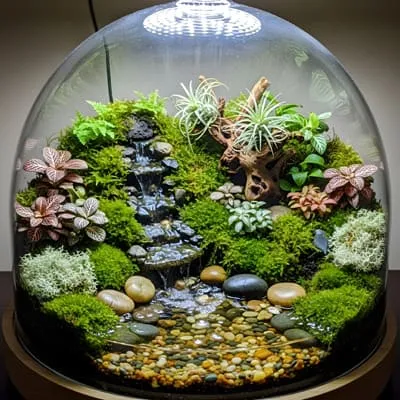
Lightweight, breathable pots support plant health and echo the calm aesthetic of wellness spaces.
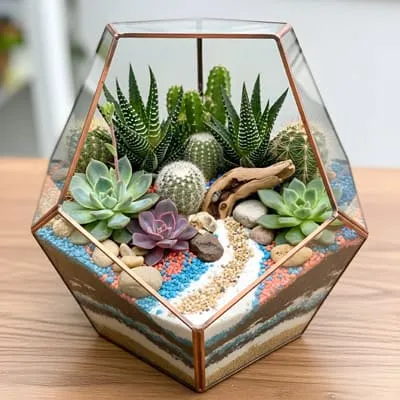
Material choice also impacts sustainability; opting for recyclable or repurposed containers minimizes ecological impact. Transparent glass terrariums allow light penetration and showcase soil and stones, adding depth to the design.
These choices balance functionality with architectural integrity, ensuring containers enhance rather than detract from spatial coherence.
Lighting and Placement Considerations
Proper lighting is critical for small plants’ vitality and visual impact. Positioning plants near windows with indirect sunlight supports photosynthesis without overheating. Artificial grow lights can supplement natural light in low-lit areas.
Placement should consider human interaction patterns, allowing easy access for watering and maintenance while preserving tranquility. Avoid overcrowding to maintain intentionality and visual calm.
Lighting design that complements small plants contributes to the overall ambiance, supporting wellness and sustainability goals.
| Plant Type | Light Requirement | Watering Frequency |
|---|---|---|
| Succulents | Bright, indirect | Biweekly |
| Air Plants | Indirect, moderate | Weekly misting |
| Moss | Low to indirect | Keep moist |
Varieties of Small Plants for Wellness Spaces
Succulents and Their Adaptability
- Echeveria – rosette shapes with vibrant colors
- Haworthia – textured leaves suitable for low light
- Crassula – compact growth, easy care
- Graptopetalum – trailing varieties ideal for hanging terrariums
- Sempervivum – hardy rosettes tolerant to cold
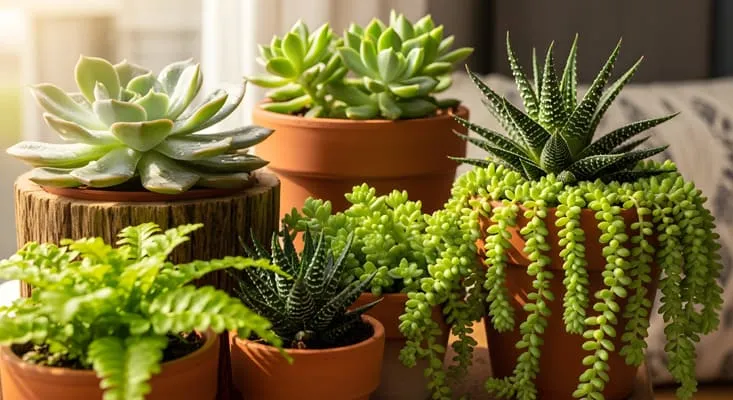
Succulents thrive in wellness spaces due to their low water needs and striking forms. Their adaptability to various light conditions makes them versatile for architectural integration. These plants contribute subtle texture and color without overwhelming the calm atmosphere.
Miniature Ferns and Mosses
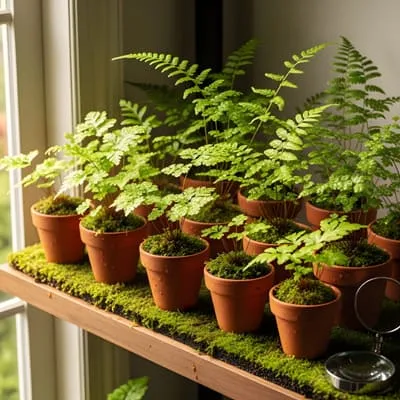
Miniature ferns and mosses introduce softness and lushness, contrasting succulent textures. Ferns like button fern or maidenhair are excellent for humid corners, supporting microclimate balance.
Mosses add a grounding element and thrive in shaded, moist environments.
Their presence encourages a tactile connection with nature and enhances air moisture, benefiting respiratory health. These plants require slightly more attention but reward with unique visual and sensory qualities.
Integrating moss and ferns complements succulents, creating layered, dynamic wellness environments.
Air Plants and Epiphytes
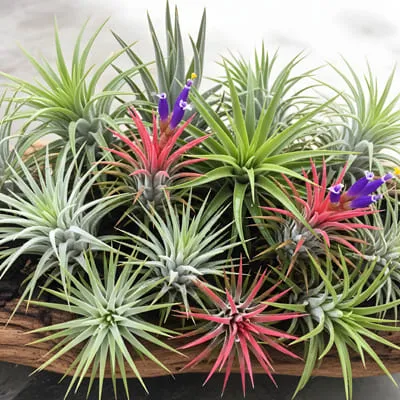
Air plants, or Tillandsia, are ideal for wellness spaces lacking soil or traditional planters. They absorb moisture from the air and require minimal care, perfect for intentional, slow living. Their sculptural forms add architectural interest without bulk.
Epiphytes can be mounted on wood or stone, integrating directly with architectural features. Their lightweight nature allows creative placement and interaction. These plants support biodiversity and enhance spatial complexity.
Incorporating air plants aligns with climate-aware design, reducing soil use and water consumption.
Maintenance Techniques for Small Plants and Terrariums
Watering Practices and Soil Management
- Use well-draining soil mixes suited for succulents and cacti.
- Water sparingly to avoid root rot; allow soil to dry between watering.
- Employ watering tools like droppers for precision in terrariums.
- Monitor humidity levels to match specific plant needs.
Proper watering and soil selection are essential for the longevity of small plants. Overwatering is a common issue, especially in enclosed terrariums. Therefore, understanding each plant’s moisture requirements supports sustainable care practices.
Adjusting soil composition with sand, perlite, or activated charcoal can improve aeration and drainage. These practices prevent fungal growth and maintain plant health.
Pruning and Growth Management
Regular pruning maintains the intended scale and form of small plants, essential in confined wellness spaces. Removing dead leaves and trimming overgrowth supports air circulation and visual clarity.
Growth management prevents plants from outgrowing their containers, preserving the minimalist aesthetic. It also encourages healthier, fuller foliage by redirecting energy.
Pruning fosters a deliberate relationship between the occupant and the living elements, reinforcing the slow, mindful lifestyle.
Cleaning and Pest Control
Terrariums and small plants require gentle cleaning to remove dust and prevent pests. Using soft brushes or cloths maintains surface integrity. Avoid harsh chemicals that can damage delicate foliage.
Natural pest control methods, such as introducing beneficial insects or neem oil, align with sustainable wellness practices. Regular inspection ensures early detection and treatment.
Maintaining cleanliness supports the overall health of the ecosystem within wellness spaces and enhances visual appeal.
| Maintenance Task | Frequency | Tools/Products |
|---|---|---|
| Watering | Weekly to biweekly | Dropper, watering can |
| Pruning | Monthly | Pruning shears, scissors |
| Cleaning | Biweekly | Soft brush, cloth |
Architectural Integration of Tiny Plants
Built-In Terrarium Features
- Recessed wall niches with glass covers
- Integrated planters in furniture design
- Suspended terrarium installations for spatial layering
- Floor-level plant beds for visual grounding
Architectural integration of tiny plants elevates their role from decoration to essential spatial elements. Built-in terrarium features provide permanence and coherence, responding to human scale and movement. These designs enhance slow living by embedding nature into the daily experience.
Materiality and Texture Coordination
Coordinating plant containers and architectural materials fosters harmony and tactility. Natural finishes such as wood, stone, and matte metals complement plant textures and colors.
Contrasting smooth glass terrariums with rough-hewn stone walls creates visual interest while maintaining calmness. Material choices reflect intentionality and support a multisensory connection to the space.
This approach strengthens the human-nature interface, essential in wellness-oriented residential design.
Spatial Planning and User Experience
Thoughtful spatial planning ensures small plants enhance rather than disrupt flow. Positioning at eye level or within peripheral vision supports passive engagement, promoting calm and mindfulness.
Architectural elements can frame or highlight plant arrangements, creating focal points that invite pause. This intentional placement respects human behavior and encourages slow interaction.
Designing with user experience in mind transforms small plants into living architecture that nurtures well-being.
Environmental Impact and Climate Awareness
Water Conservation and Drought Tolerance
- Select drought-resistant species like succulents and cacti
- Use soil amendments to retain moisture efficiently
- Implement rainwater harvesting for irrigation
- Minimize runoff with terrarium design
Water conservation is critical in climate-aware residential design. Small plants with drought tolerance reduce water consumption significantly. Integrating sustainable irrigation practices further supports environmental goals.
Terrariums can be designed to recycle moisture internally, creating microclimates that minimize external water needs. These strategies align with responsible stewardship of natural resources.
Carbon Footprint Reduction Through Plant Selection
Choosing native and low-maintenance small plants reduces the carbon footprint associated with transport, care, and replacement. Succulents grown locally minimize environmental impact.
By reducing the need for chemical fertilizers and pesticides, these plants support healthier indoor ecosystems. Their longevity and adaptability contribute to sustainable residential living.
This mindful approach to plant selection is a key component of climate-aware architectural design.
Enhancing Biodiversity in Urban Residences
Small plants contribute to urban biodiversity by providing habitats for insects and microorganisms. Including a variety of species supports ecological balance within the home environment.
Terrariums and plant clusters create miniature ecosystems that encourage natural processes. This integration fosters a connection to larger environmental cycles, even in dense urban settings.
Promoting biodiversity through tiny plants enriches wellness spaces beyond aesthetics, reinforcing ecological responsibility.
Innovative Applications of Small Plants in Architecture
Living Walls and Vertical Gardens
- Modular panels featuring succulents and moss
- Self-watering vertical systems
- Integration with HVAC for air quality improvement
- Customizable spatial partitions with plant features
- Use in small-scale balconies and terraces
Living walls and vertical gardens expand the use of small plants in architectural contexts. These installations optimize space and create immersive greenery experiences. They serve as functional art that supports wellness and climate responsiveness.
Terrariums as Architectural Objects
Terrariums can be designed as sculptural objects that complement architectural geometry. Their transparency and organic contents introduce dynamic interplay between light and shadow.
Custom terrariums reflect human scale and invite tactile engagement, breaking the boundary between built environment and nature. They support an intentional, slow lifestyle by requiring mindful care.
These objects serve as focal points and enhance the spatial narrative within wellness spaces.
Smart Integration and Automation
Emerging technologies enable smart watering systems and light sensors tailored for small plants. Automation improves plant health while reducing maintenance effort, ideal for busy residents.
Smart terrariums can adjust humidity and lighting to optimize growth conditions, extending the plants’ lifespan and visual appeal. This integration marries technology with biophilic design principles.
Such innovations promote sustainable and user-friendly wellness environments.
Residential environment
Small plants and tiny plants play a crucial role in designing wellness spaces that are both climate-aware and human-centered. Their integration into residential environments supports air quality, visual calm, and mindful living. Using succulent terrariums and other compact plant forms elevates architecture beyond decoration to a slow, intentional experience.
By focusing on sustainable plant choices, thoughtful design strategies, and maintenance practices, residents and architects can create enduring wellness spaces that harmonize with their environment. Embracing small plants invites ongoing connection to nature, fostering well-being and ecological responsibility within the home.
Frequently Asked Questions (FAQ)
What Are the Most Low-maintenance Small Plants for Indoor Wellness Spaces?
Succulents such as echeveria, haworthia, and crassula are among the easiest to care for. They require minimal watering and thrive in indirect light, making them ideal for indoor wellness spaces where maintenance needs to be simple and predictable.
How Do Succulent Terrariums Improve Indoor Air Quality?
Succulent terrariums enhance air quality by absorbing carbon dioxide and releasing oxygen through photosynthesis. Some succulents can also filter toxins and increase indoor humidity, contributing to a healthier living environment.
Can Small Plants Survive in Low-light Areas of a Home?
Yes, certain small plants like haworthia, snake plants, and some mosses tolerate low-light conditions well. However, providing some indirect natural or artificial light is usually necessary to keep them healthy and vibrant.
How Often Should I Water Tiny Plants in Terrariums?
Watering frequency depends on the plant species and terrarium type. Succulents typically need watering every two weeks, while mosses require more frequent misting. It is crucial to let the soil dry between waterings to prevent root rot.
Are Air Plants Suitable for Small Urban Apartments?
Absolutely. Air plants are perfect for urban apartments because they don’t require soil and need minimal watering. They can be displayed creatively in terrariums or mounted on various surfaces, fitting well in compact wellness spaces.
For further reading on plant care and wellness design, consider authoritative resources such as the Arbor Day Foundation, Royal Horticultural Society, and U.S. Green Building Council.

Architect with extensive experience in residential and commercial design, including renovations and modular construction. Love to share information about Architecture, home and lifestyle in this blog.