
Textured walls offer a sophisticated alternative to traditional paint, transforming residential interiors with materials like limewash, plaster, and microcement. These finishes provide depth, durability, and a tactile quality that enriches living spaces beyond mere color. Understanding these materials is essential for homeowners and architects aiming for climate-conscious, human-centered design that balances aesthetics with functionality.
In contemporary architecture, choosing the right wall finish is more than a decorative decision; it reflects environmental awareness and lifestyle needs. Limewash, plaster, and microcement each bring unique properties that address moisture control, thermal performance, and longevity, making them ideal for sustainable residential projects worldwide.
This article explores the characteristics, applications, and benefits of limewash, plaster, and microcement. It offers a detailed look at how these materials support calm, intentional spaces that resonate with how people truly live, blending international architectural wisdom with grounded, climate-aware solutions.
Limewash Alternatives for Sustainable Wall Finishes
Understanding Limewash and Its Historical Roots
Limewash is a traditional wall finish made from natural lime and water, prized for its breathability and subtle texture. Its historic use in architecture stems from its eco-friendly profile and ability to regulate humidity within interiors.
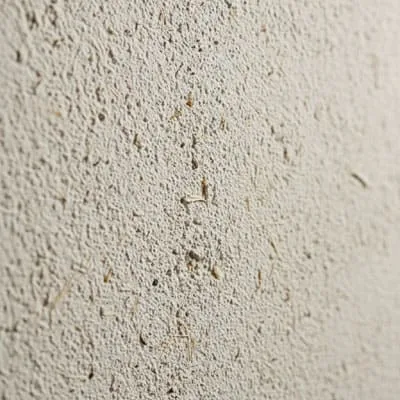
Limewash naturally reacts with carbon dioxide in the air, creating a durable and matte surface that ages gracefully.
Its mineral composition allows limewash to prevent mold growth and maintain indoor air quality, making it a popular choice in climate-conscious design. Beyond aesthetics, limewash contributes to a healthier living environment by enabling walls to “breathe.”
Architects favor limewash for its calm, understated appearance that complements natural materials like wood and stone. It aligns with slow design principles by offering a surface that evolves with time.
Environmental Benefits of Limewash Applications
Limewash is inherently sustainable due to its low embodied energy and non-toxic ingredients. It absorbs carbon dioxide during curing, partially offsetting its carbon footprint. This natural carbonation process also helps limewash surfaces self-heal minor cracks.
Unlike synthetic paints, limewash avoids volatile organic compounds (VOCs), protecting indoor air quality and occupant health. Its permeability allows moisture to escape, reducing condensation-related damage and improving wall durability in varying climates.
Choosing limewash supports ecological building practices and contributes to certifications like LEED and WELL. It’s especially effective in historic renovations and new builds prioritizing environmental stewardship.
Techniques and Tools for Applying Limewash
- Surface preparation: cleaning and repairing masonry or plaster base
- Multiple thin coats for even coverage and depth
- Use of natural brushes or sponges for texture variation
- Maintenance through periodic reapplication to preserve appearance
- Avoidance of synthetic sealants to maintain breathability
Plaster Innovations for Interior Wall Texture
Modern Plaster Types and Their Uses
Plaster has evolved from traditional gypsum to include various formulations such as Venetian plaster, lime plaster, and clay plaster. Each type offers different textures, finishes, and performance attributes suitable for residential walls.
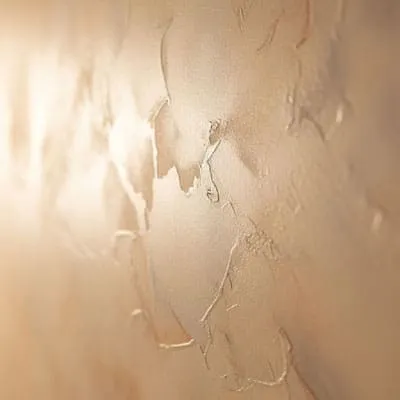
Lime plaster, for example, shares limewash’s breathability with added thickness and sculptural potential.
Venetian plaster provides a polished, marble-like finish that enhances light reflection while maintaining a natural feel. Clay plaster introduces a warm, earthy tone with excellent moisture regulation. Selecting the right plaster type depends on the desired aesthetic and functional requirements.
Advances in plaster technology also include additives that improve adhesion, flexibility, and resistance to cracking, broadening design possibilities.
Advantages of Plaster in Climate-Aware Design
Plaster’s ability to regulate humidity and temperature makes it an ideal choice for sustainable homes. Its thermal mass helps moderate indoor temperature swings, reducing reliance on mechanical heating and cooling. Additionally, plaster’s natural composition limits harmful emissions and allergens.
In humid climates, lime and clay plasters prevent moisture accumulation, reducing risks of mold and structural damage. These properties contribute to healthier interiors and long-term durability. Plaster finishes also support acoustic comfort by dampening sound transmission.
These benefits align with human-centered architecture, focusing on occupant wellbeing and environmental responsibility.
Application Methods and Finishing Techniques
- Scratch and brown coats for proper adhesion and leveling
- Troweling and burnishing for smooth or textured surfaces
- Layering colors and pigments for natural hues
- Use of breathable sealers when necessary to enhance durability
- Incorporation of decorative elements such as relief or stucco
| Plaster Type | Key Properties | Ideal Use |
|---|---|---|
| Lime Plaster | Breathable, mold-resistant, flexible | Historic restoration, moisture-prone areas |
| Venetian Plaster | Polished, reflective, smooth | Luxury interiors, accent walls |
| Clay Plaster | Natural, warm, humidity-regulating | Eco-friendly homes, living rooms |
Microcement: A Contemporary Textured Wall Solution
What is Microcement and Its Composition?
Microcement is a thin, polymer-modified cement-based coating applied in layers to create a seamless, durable surface. It consists of cement, resins, additives, and pigments, providing a versatile finish for walls and floors. Its minimal thickness (2-3 mm) allows it to be applied over existing surfaces without major demolition.
Microcement offers a modern, industrial aesthetic with customizable textures and colors. Its waterproof and abrasion-resistant qualities make it highly functional for residential interiors, especially in kitchens and bathrooms.
Its adaptability and fast application process make microcement a favored choice for renovations aiming at minimal disruption combined with high-performance surfaces.
Benefits of Using Microcement in Residential Spaces
Microcement’s seamless finish reduces joints and cracks where dirt and moisture can accumulate, enhancing hygiene and maintenance ease.
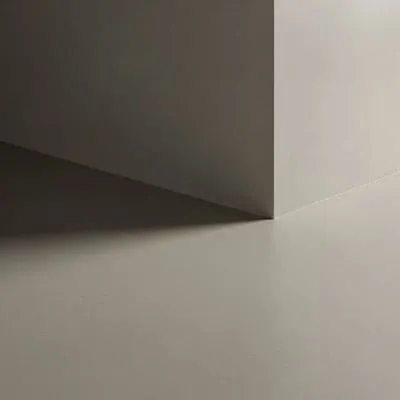
It is highly resistant to stains, wear, and chemicals, making it suitable for active households.
The material’s thin profile preserves space and allows for smooth transitions between floors and walls, supporting open-plan designs. Additionally, microcement’s range of finishes—from matte to polished—enables tailored visual effects aligned with architectural intent.
Its quick curing time reduces project timelines, which is beneficial for occupied homes undergoing improvements.
Installation Process and Surface Preparation
- Cleaning and priming existing substrate for adhesion
- Applying base coats followed by finishing layers
- Sanding between coats for smoothness
- Sealing with protective topcoat for waterproofing
- Allowing adequate curing time before use
Comparing Limewash, Plaster, and Microcement Performance
Durability and Maintenance Considerations
Limewash offers moderate durability but requires periodic reapplication to maintain appearance and protection. It is less resistant to abrasion but excels in breathability and moisture regulation. Plaster varies widely; lime and clay plasters need upkeep, while modern Venetian plaster is more durable but costly.
Microcement stands out for high durability with low maintenance, resisting stains and mechanical damage. However, it may require professional installation and occasional sealing to retain waterproofing.
Choosing between these depends on site conditions, desired lifespan, and maintenance capacity, balancing aesthetics and functional needs.
| Material | Durability | Maintenance |
|---|---|---|
| Limewash | Moderate | Periodic reapplication |
| Plaster | Variable | Depends on type, occasional repairs |
| Microcement | High | Low, sealing every few years |
Thermal and Moisture Regulation
Limewash and lime-based plasters contribute significantly to indoor humidity control, absorbing and releasing moisture to stabilize the environment. Clay plaster enhances this effect with natural insulating properties. Microcement, while waterproof, does not offer the same breathability but provides excellent vapor barriers when properly sealed.
These characteristics impact indoor air quality and energy efficiency, critical in climate-aware residential design. Using breathable finishes helps prevent condensation and related damage, supporting building longevity.
Integrating these materials strategically can optimize thermal comfort without compromising on texture or visual appeal.
Visual and Textural Qualities
Limewash imparts a soft, matte finish with subtle color variations, ideal for calm, natural interiors. Plaster offers a spectrum from rough, tactile surfaces to smooth, glossy finishes depending on the method and materials used.
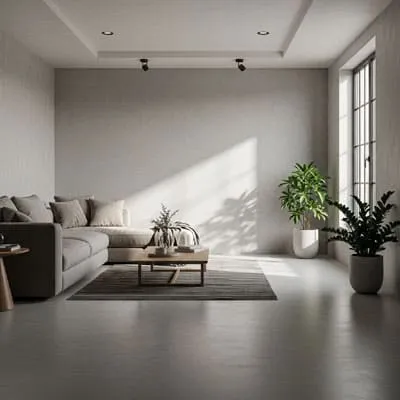
Microcement provides a sleek, contemporary look with customizable textures ranging from raw concrete to polished stone-like effects.
The choice of texture influences light interaction and atmosphere, shaping how residents experience and connect with their spaces. Each material supports intentional design philosophies focusing on slow, considered aesthetics.
Architects select these finishes not just for beauty but for their ability to foster wellbeing through sensory engagement.
Integrating Limewash, Plaster, and Microcement in Architectural Design
Design Strategies for Human-Centered Spaces
Incorporating textured wall finishes like limewash, plaster, and microcement requires an understanding of occupant needs and behaviors. These materials contribute to sensory comfort through tactile surfaces and subtle color palettes. Their natural origins reinforce connections to environment and place, essential in residential design focusing on wellbeing.
Architectural plans should consider the placement of these finishes in relation to lighting, furnishings, and daily activities to maximize their impact. For example, limewash suits quiet reading nooks, plaster can highlight feature walls, and microcement excels in multifunctional living areas.
Designers use these materials to create calm, intentional environments that encourage slow living and mindful engagement.
Combining Textured Finishes with Sustainable Building Practices
These materials align with green building by reducing synthetic chemical use and improving building envelope performance. Limewash and plaster’s breathability complement natural ventilation strategies, while microcement’s durability extends lifecycle and reduces waste.
Specifying locally sourced lime or clay plasters further minimizes environmental impact. Combining finishes with insulation, passive solar design, and water management enhances overall sustainability.
Such integration supports international sustainability goals while respecting local context and craftsmanship.
Case Studies of International Residential Projects
- Scandinavian homes utilizing limewash for light, airy interiors
- Mediterranean villas employing traditional lime plaster for climate control
- Urban lofts with microcement walls and floors for industrial chic aesthetics
- Eco-houses blending clay plaster with natural materials to optimize comfort
- Renovated heritage buildings restored with limewash to preserve authenticity
Maintenance and Longevity of Textured Wall Surfaces
Best Practices for Preserving Limewash and Plaster
Maintaining limewash involves gentle cleaning and occasional reapplication to areas exposed to wear or moisture. Avoiding harsh detergents preserves the delicate surface. Plaster repairs require matching materials and techniques to maintain breathability and appearance.
Routine inspections help identify cracks or damage early, preventing more extensive repairs. Proper ventilation supports longevity by controlling humidity and preventing mold.
Educating homeowners on care routines ensures these finishes remain functional and beautiful over decades.
Sealing and Protecting Microcement Surfaces
Microcement requires sealing to protect against stains and moisture infiltration. High-quality sealants enhance durability without compromising texture or color. Reapplication intervals depend on traffic and environmental exposure but generally range from 3 to 5 years.
Regular cleaning with neutral products maintains appearance and prevents buildup. Promptly addressing scratches or chips extends surface life. Professional maintenance is recommended for optimal results.
With proper care, microcement surfaces can last 15 years or more, representing a cost-effective investment.
Cost and Environmental Impact over Time
- Limewash: low upfront cost, moderate ongoing maintenance
- Plaster: variable cost depending on type, moderate lifespan
- Microcement: higher initial cost, low maintenance, long lifespan
- Environmental impact: limewash and plaster are low-impact; microcement’s polymer content increases footprint but durability offsets replacement frequency
- Overall value depends on project goals and occupant priorities
Emerging Trends and Innovations in Textured Wall Materials
Eco-Friendly Additives and Bio-Based Plasters
Recent developments in plaster and limewash formulations include natural fibers, recycled aggregates, and bio-based binders that enhance sustainability and performance. These innovations improve flexibility, reduce cracking, and increase insulation properties.
Experimentation with hemp, flax, and other plant-based materials supports circular economy principles and offers architects new design tools. Such bio-plasters align with regenerative building practices, promoting healthier indoor environments.
These materials are gaining traction in residential projects prioritizing low environmental impact.
Advanced Application Techniques with Robotics and Automation
Automation in plastering and limewashing is emerging to improve consistency, speed, and reduce labor costs. Robotic sprayers and troweling machines ensure even application, minimizing waste and human error. This technology also allows complex textures and patterns to be reproduced with precision.
Microcement application benefits from controlled layering systems that optimize curing and finish quality. These advancements help scale handcrafted aesthetics in larger projects.
While still niche, these innovations point toward a future where craftsmanship and technology coexist harmoniously.
Integration with Smart Home and Environmental Technologies
- Incorporating coatings that react to humidity or temperature changes
- Embedding sensors to monitor wall moisture and structural health
- Using finishes compatible with indoor air purification systems
- Developing self-cleaning or antimicrobial surface treatments
Wall finishes
Limewash, plaster, and microcement represent a trio of textured wall finishes that marry aesthetic subtlety with functional resilience in residential architecture. Each material offers distinct benefits in sustainability, moisture management, and sensory experience, supporting homes designed for real living in diverse climates.
By understanding their properties and appropriate applications, architects and homeowners can create intentional, calm interiors that stand the test of time. Embracing these finishes invites a slow, thoughtful approach to design—one that honors both people and place.
FAQ
What is the Main Difference Between Limewash and Plaster?
Limewash is a thin, breathable coating made from lime and water that creates a matte, textured finish, while plaster is a thicker material used to create smooth or textured surfaces with greater durability. Plaster offers more structural strength and sculptural possibilities compared to limewash.
Can Microcement Be Applied over Existing Painted Walls?
Yes, microcement can be applied over properly prepared existing surfaces, including painted walls, as long as the substrate is clean, stable, and free of loose materials. Proper priming and surface preparation are essential for adhesion and durability.
How Often Should Limewash Be Reapplied in Residential Settings?
Limewash typically requires reapplication every 3 to 5 years, depending on exposure to wear, moisture, and sunlight. Interior limewash tends to last longer than exterior applications due to less environmental stress.
Are Limewash, Plaster, and Microcement Suitable for Humid Climates?
Limewash and lime-based plasters are highly suitable for humid climates due to their breathability and moisture regulation. Microcement is waterproof when sealed but less breathable, so it requires careful installation to prevent moisture issues behind the surface.
What Maintenance is Needed for Microcement Walls?
Microcement walls need regular cleaning with neutral pH products and resealing every few years to maintain waterproofing and surface integrity. Prompt repairs of scratches or chips help extend the lifespan of the finish.

Architect with extensive experience in residential and commercial design, including renovations and modular construction. Love to share information about Architecture, home and lifestyle in this blog.