
The concept of modulor is a fundamental principle in architecture that bridges human proportions and spatial design. It serves as a measurement system that architects use to create spaces that feel naturally comfortable and harmonious. Understanding modulor is crucial because it ensures that buildings resonate with the human scale, improving usability and emotional connection.
Thank you for reading this post, don't forget to subscribe!In contemporary architecture, balancing the modulor with monumental scale presents both challenges and opportunities. While monumental scale evokes grandeur and presence, it can often overwhelm human interaction if not thoughtfully applied. Conversely, embracing the modulor fosters human-centered environments that consider comfort and functionality.
This article explores various dimensions of the modulor, its relevance in architectural design, and its relationship with monumental scale. We will delve into practical applications, historical context, and modern interpretations that demonstrate how modulor continues to shape thoughtful, intentional architecture.
Understanding the Modulor System in Architecture
Origins and Definition of Modulor
The modulor system was developed by the architect Le Corbusier as a response to the need for a universal scale in architecture based on human proportions. It combines the golden ratio and the height of an average human to create a flexible measuring system. This approach aims to achieve harmony between the built environment and its occupants, making spaces feel intuitively balanced.
By integrating anthropometric data, modulor provides a human-centered framework that architects use to design elements such as door heights, window placements, and furniture dimensions. The system’s modular nature allows for adaptability across different contexts and cultures.
Its application goes beyond mere measurement; it embodies a philosophy of design that respects the human experience, ensuring that spaces are not only functional but emotionally resonant.
Key Principles Behind Modulor
At the core of the modulor is the concept of human scale, which prioritizes the dimensions of the human body as a reference point. This principle ensures that architectural elements feel comfortable and accessible.
The modulor divides the human body into segments that correspond with spatial units, allowing proportional relationships to guide design decisions.
Another principle involves the use of the golden ratio, a mathematical constant found in nature and classical art. This ratio introduces aesthetic balance and a sense of natural order within architectural compositions. The modulor system blends these elements to create spaces that are both functional and pleasing.
Ultimately, modulor promotes an intentional and slow design process that respects the rhythm of human movement and perception.

Applications of Modulor in Modern Design
Architects today apply modulor principles in various ways, from large-scale urban planning to the detailing of interiors. By referencing human dimensions, designers ensure that spaces encourage ease of movement and natural interaction.

This can be seen in the proportions of staircases, corridors, and even furniture.
Modulor also informs sustainable design by optimizing material use and reducing waste through standardized dimensions. It fosters environments that adapt to human needs rather than imposing rigid architectural forms.
Designers leveraging modulor contribute to creating calm, intentional spaces that enhance well-being and promote a balanced relationship between people and their environments.
Human-Centered Modular Design Principles
Core Aspects of Human-Centered Modulor Design
- Emphasis on ergonomic proportions derived from human measurements
- Incorporation of adaptable modules for diverse user needs
- Use of natural light and ventilation aligned with human comfort
- Prioritization of scale that encourages social interaction and privacy
- Integration of sensory feedback through materials and textures
Human-centered design guided by modulor focuses on creating environments that respond to human behavior and physical dimensions. This approach strengthens the connection between people and space.
By emphasizing adaptability and ergonomics, architects can deliver inclusive designs that accommodate a broad spectrum of users, fostering equity and comfort.
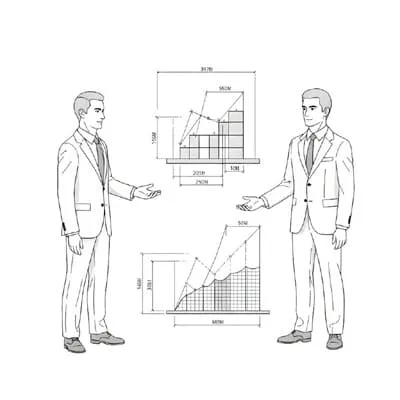
Modulor’s Role in Enhancing Spatial Experience
Modulor influences how occupants perceive and navigate a space. When proportions align with human scale, users experience a sense of ease and familiarity. This reduces cognitive load and enhances comfort.
Architectural elements designed through the modulor framework help create intuitive pathways and seating arrangements that naturally invite use. The interplay of scale and rhythm guides movement and defines social zones.
Through these strategies, modulor enhances not only physical comfort but also psychological well-being within built environments.
Comparative Table: Human-Centered Vs Conventional Architectural Scales
| Aspect | Human-Centered (Modulor) | Conventional Scale |
|---|---|---|
| Proportion Reference | Human body measurements | Arbitrary or functional dimensions |
| Design Focus | Comfort and usability | Monumentality and presence |
| Emotional Impact | Calm, welcoming | Imposing, formal |
Modulor and Monumental Scale: Balancing Opposites
Defining Monumental Scale in Architecture
- Large-scale structures designed to impress and symbolize power
- Use of grand proportions that extend beyond human dimensions
- Often associated with civic, religious, or cultural buildings
- Creates visual dominance within a landscape or cityscape
- Can foster awe but risks alienating users if overused
Monumental scale is a critical architectural tool that contrasts with the intimate human scale promoted by modulor. It emphasizes size and grandeur, often to convey significance or authority.
The challenge lies in integrating monumental elements without sacrificing human comfort or accessibility.
Harmonizing Modulor with Monumental Architecture
Successful designs blend the modulor’s human scale with monumental features by introducing gradations in scale. For example, a grand façade might be complemented by entrances and interior spaces sized according to human proportions.
This approach respects the need for visual impact while maintaining a welcoming atmosphere. The modulor acts as a mediator, ensuring that monumental buildings remain functional and approachable.
Careful modulation of scale can also enhance wayfinding and spatial identity, making large buildings more legible and user-friendly.
Comparative Table: Modulor Integration in Monumental Architecture
| Feature | Without Modulor | With Modulor |
|---|---|---|
| Entrance Scale | Oversized, intimidating | Proportional, inviting |
| Interior Spaces | Vast and impersonal | Human-scale zones within larger volumes |
| User Comfort | Often compromised | Enhanced through ergonomic design |
Practical Techniques for Applying Modulor in Design
Modular Grid Systems Based on Human Proportions
One effective technique involves establishing a modular grid that reflects modulor measurements. This grid guides the placement of structural elements, finishes, and furnishings. By using consistent modules, architects can maintain proportional harmony throughout a project.
The grid supports flexibility by allowing designers to adapt layouts while preserving scale coherence. It also simplifies construction processes, reducing errors and material waste.
This method is particularly useful in residential design, where comfort and function are paramount.
Material Selection and Texture Aligned with Modulor
Materials play a vital role in reinforcing the modulor’s human-centered values. Natural textures and finishes that correspond to human touch enhance sensory engagement. For example, warm woods, soft textiles, and tactile masonry surfaces create inviting atmospheres.
Choosing materials that scale visually and physically with the modulor helps maintain a calm and intentional environment. This consideration elevates the overall quality of space beyond mere form.
Material harmony complements proportion to create balanced, slow architecture that respects human experience.
Incorporating Light and Shadow Using Modulor Principles
Light profoundly influences how space is perceived and experienced. Modulor-based design uses natural and artificial light to accentuate proportions and create rhythm. The modulation of light and shadow helps define volumes and guides movement.
Architects can align window heights and openings with modulor measurements to optimize daylight penetration and views. Thoughtful lighting enhances the emotional ambiance and contributes to a sense of calm and intentionality.
These strategies ensure that architecture feels alive and responsive to its occupants.
Modulor’s Influence on Residential Architecture
Designing Homes with Human Proportions
- Room dimensions scaled for everyday activities
- Furniture and fixtures designed for ergonomic comfort
- Spatial flow that encourages ease of movement
- Integration of outdoor spaces at human scale
- Balance between privacy and social zones
- Use of modulor to inform ceiling heights and window sizing
Residential architecture benefits greatly from modulor by creating spaces that feel tailored to human needs. This leads to environments that support daily life comfortably and intuitively.
Such homes often exhibit a calm, intentional atmosphere where scale and proportion foster well-being.
Case Studies Demonstrating Modulor in Housing
Notable residential projects have incorporated modulor to varying degrees of success. For instance, Le Corbusier’s own houses exemplify the system’s principles through balanced volumes and human-scale details. Contemporary architects continue to reinterpret modulor in innovative ways, adapting it to modern lifestyles and sustainability goals.
These case studies reveal how modulor remains relevant as a tool for achieving timeless, livable architecture that respects both form and function.
They also highlight the importance of contextual sensitivity and cultural adaptation in applying modulor principles.
Challenges in Applying Modulor to Residential Projects
Despite its benefits, modulor can present challenges in residential design. Strict adherence may limit creative freedom or conflict with site constraints and client preferences. Additionally, average human measurements may not represent diverse populations, requiring adaptation.
Architects must balance modulor guidelines with practical considerations such as budget, technology, and building codes. Flexibility and thoughtful interpretation are key to successful integration.
Ultimately, modulor serves best as a guiding framework rather than a rigid formula.
International Perspectives on Modulor Use
Adapting Modulor for Different Cultures
While modulor originated in a Western context, its principles have been adapted worldwide to accommodate diverse anthropometric data and cultural expectations.
Architects in Asia, Africa, and Latin America reinterpret modulor to reflect local body proportions and spatial customs.
This international adaptation enriches the modulor concept and ensures it remains relevant globally. It also promotes cross-cultural exchange and innovation within human-centered design.
Respecting cultural differences while maintaining human scale is essential for creating globally grounded architecture.

Case Examples of Modulor Application Worldwide
Projects from Japan’s minimalist homes to Scandinavian sustainable housing show modulor’s versatility. These designs illustrate how human scale integrates with regional materials, climates, and lifestyles. In each case, modulor anchors the architecture in the lived experience of its users.
International architects often blend modulor with local vernacular traditions, resulting in hybrid spaces that are both innovative and contextually appropriate.
Such examples demonstrate modulor’s dynamic potential beyond its original formulation.
Global Trends in Human-Centered Architectural Metrics
Recent trends emphasize ergonomic research, biometric data, and digital modeling to refine human-centered metrics like modulor.

Advances in technology allow for the customization of scale to individual users and dynamic environments. This evolution complements traditional modulor concepts with precision and adaptability.
Moreover, sustainability and well-being have become central concerns, aligning closely with modulor’s ethos of intentional and slow design.
These trends indicate a future where modulor principles continue to guide innovative, inclusive, and climate-aware architecture.
Modulor in Climate-Aware Architectural Strategies
Designing for Thermal Comfort Using Proportional Systems
Modulor supports climate-aware design by informing building proportions that optimize natural ventilation and solar gain. Properly scaled windows, ceiling heights, and shading elements contribute to thermal comfort, reducing reliance on mechanical systems.
By aligning architectural features with human scale and environmental conditions, modulor enhances passive design strategies. This results in energy-efficient buildings that maintain occupant comfort year-round.
Such integration exemplifies slow, intentional architecture that respects both people and planet.
Material Efficiency Through Modulor-Based Dimensions
Using modulor to standardize dimensions facilitates efficient use of materials, minimizing waste and embodied carbon. Modular components and repetitive proportions simplify construction and allow for prefabrication.
These efficiencies support sustainable building practices by reducing environmental impact while maintaining design quality.
Modulor’s intrinsic modularity aligns with circular economy principles and long-term resilience.
Table Comparing Climate Benefits of Modulor-Driven Design
| Aspect | Modulor-Based Design | Conventional Design |
|---|---|---|
| Thermal Performance | Optimized natural ventilation and shading | Often reliant on mechanical systems |
| Material Use | Efficient, modular, minimal waste | Irregular, higher waste generation |
| Energy Consumption | Lower due to passive strategies | Higher due to HVAC dependence |
Slow and Intentional Architecture with Modulor
Philosophy of Slow Architecture
- Prioritizes quality over speed in design and construction
- Engages deeply with human needs and environmental context
- Emphasizes durability, adaptability, and timelessness
- Incorporates modulor to ensure proportional harmony
Slow architecture embraces a deliberate pace that values thoughtful design decisions. Modulor supports this by providing a framework that encourages reflection on human experience and materiality.
The result is architecture that fosters calm, intentional living environments resistant to transient trends.
Integrating Modulor Into Intentional Design Processes
Architects use modulor during iterative design phases to refine spatial relationships and material choices. This intentionality ensures that every element aligns with human scale and purpose.
Such processes involve collaboration with users and stakeholders to achieve meaningful outcomes. Modulor acts as a common language that harmonizes aesthetics, function, and context.
Intentional design guided by modulor leads to spaces that resonate emotionally and practically with occupants.
Benefits of Modulor-Based Slow Architecture
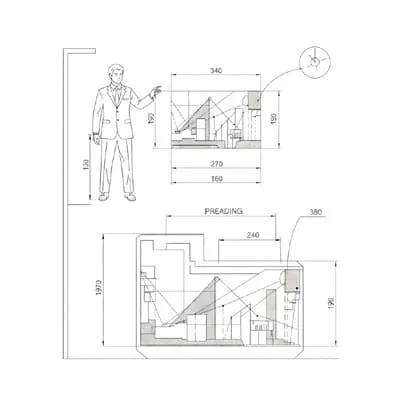
Applying modulor within slow architecture yields multiple benefits: enhanced occupant comfort, improved sustainability, and lasting cultural value. Spaces become more adaptable to changing needs and foster deeper connections between people and place.
This approach counters the disposability of fast architecture and contributes to healthier living environments.
Ultimately, modulor-based slow architecture represents a holistic vision of design that serves society and future generations.
Modular System
The modulor system remains a vital tool for architects seeking to create human-centered, climate-aware, and intentional spaces. By anchoring design in human proportions, modulor ensures comfort, functionality, and aesthetic harmony.
Balancing the modulor with monumental scale, integrating it into diverse cultural contexts, and applying it within slow architecture processes enriches built environments worldwide. Embracing modulor invites architects to design spaces that truly resonate with how people live, fostering calm and purposeful experiences.
Frequently Asked Questions (FAQ)
What Exactly is the Modulor System?
The modulor is a proportional system developed by Le Corbusier based on human body measurements and the golden ratio. It provides a universal scale that guides architecture to align with human dimensions, enhancing comfort and harmony in design.
How Does Modulor Differ from Other Measurement Systems?
Unlike arbitrary or purely metric systems, modulor integrates human anthropometry and aesthetic ratios. This human-centered approach prioritizes natural proportions, making spaces feel more intuitive and emotionally balanced for occupants.
Can Modulor Be Applied to Large Monumental Buildings?
Yes, modulor can be integrated within monumental architecture to balance grandeur with human scale. It helps design entrances, interiors, and details that remain accessible and welcoming despite the building’s size.
Is the Modulor System Relevant for Modern Sustainable Design?
Absolutely. Modulor supports sustainability by promoting efficient material use, passive climate strategies, and ergonomic spaces that reduce energy consumption and enhance occupant well-being.
How Do Architects Adapt Modulor for Different Cultures?
Architects modify modulor by incorporating local anthropometric data and cultural spatial practices. This ensures that the system remains relevant globally while respecting regional diversity and user needs.