
Last updated on September 14th, 2026 at 06:48 pm
Banking, leasing, money, and investments form the backbone of modern financial systems, playing a critical role in shaping economic growth and individual wealth management. Understanding how these elements interact is essential for anyone looking to make informed financial decisions or engage with affordable housing programs that rely heavily on financial mechanisms.
As urban populations swell and housing demands increase, leveraging bank financing, leasing options, and strategic investments becomes vital in developing sustainable and affordable residential solutions. These financial tools are not only pivotal for securing housing but also for fostering community development and climate-aware urban planning.
This article delves into how financial instruments like bank lending, leasing agreements, money management, and investments influence affordable housing programs worldwide. It reveals innovative approaches reshaping city living with a focus on residential needs, architectural sensibility, and long-term sustainability.
Financial Institutions and Their Role in Affordable Housing
Bank Financing for Residential Development
Banks serve as primary financiers for affordable housing projects, offering loans that enable developers to purchase land and construct homes. These financial institutions assess risk carefully, balancing returns with social responsibility. Through mortgage-backed securities and government incentives, banks support projects that might otherwise lack sufficient capital.
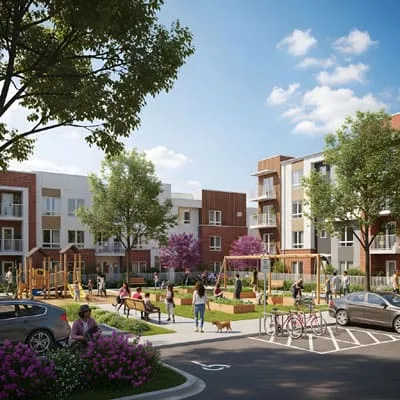
Moreover, banks often collaborate with housing authorities and nonprofit organizations to create tailored financing models. These models are designed to reduce barriers to entry for low-income buyers, ensuring equitable access to housing while maintaining financial viability.
In essence, bank financing acts as a catalyst, transforming urban spaces by enabling large-scale residential development that aligns with community needs and environmental considerations.
Leasing Models in Urban Housing Solutions
Leasing has evolved beyond traditional rental agreements into flexible financial instruments that support affordable housing. Lease-to-own options and long-term leases provide alternative pathways to homeownership, particularly for individuals with limited upfront capital.
Such leasing models often include maintenance and insurance, reducing the financial burden on residents. They also encourage sustainable living by incorporating energy-efficient designs and community-focused amenities within the leased properties.
By leveraging leasing agreements, cities can promote inclusive housing markets that accommodate diverse economic backgrounds, fostering social cohesion and stability.
Money Flow and Capital Allocation Strategies
Efficient money management and capital allocation are crucial for sustaining affordable housing programs. Financial planning at municipal and institutional levels determines how funds are distributed between acquisition, construction, and ongoing maintenance.
Strategic allocation ensures that investments generate long-term value rather than short-term gains, preserving affordability and quality. Transparency in money flows also enhances stakeholder trust and attracts further investment.
Ultimately, the prudent management of money within these programs supports resilient housing ecosystems that adapt to demographic and environmental changes.
Innovative Leasing Practices Shaping Housing Markets
Flexible Leasing Agreements Supporting Affordability
- Lease-to-own contracts providing gradual equity build-up
- Sliding scale rents based on income verification
- Inclusion of utilities and maintenance in lease payments
- Short-term renewable leases for transient populations
- Community land trusts partnering on lease terms
Flexible leasing agreements have become instrumental in mitigating the upfront costs typically associated with home acquisition. These innovative models allow residents to stabilize their finances while securing a place within growing urban environments.
By adapting lease terms to individual circumstances, housing programs foster inclusivity and long-term community retention.
Leasing as a Vehicle for Sustainable Housing
Leasing models increasingly incorporate sustainability clauses, incentivizing energy-efficient upgrades and environmentally responsible behaviors.
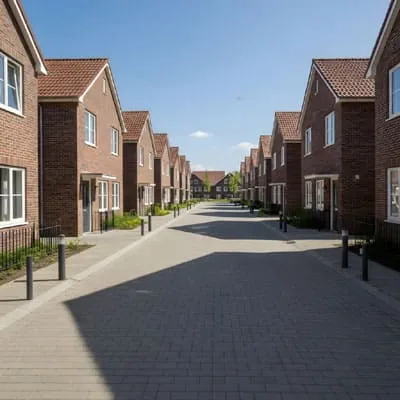
Property owners may offer reduced lease costs in exchange for tenant participation in green initiatives.
This integration enhances the overall impact of affordable housing by aligning financial interests with climate-conscious living. It also encourages the adoption of renewable resources and sustainable construction materials.
The result is a housing market that not only addresses affordability but also contributes to broader environmental goals.
Challenges in Implementing New Leasing Models
Despite their benefits, innovative leasing arrangements face regulatory, financial, and social hurdles. Legal frameworks may lag behind novel contract structures, complicating enforcement and tenant protections.
Financial institutions may also hesitate to underwrite non-traditional leases due to perceived risks. Additionally, educating residents about the benefits and obligations of such models is essential to ensure success.
Overcoming these challenges requires coordinated efforts among policymakers, banks, and community organizations to create supportive infrastructures.
| Leasing Model | Benefits | Potential Drawbacks |
|---|---|---|
| Lease-to-Own | Builds equity, encourages homeownership | Requires stable income, longer commitment |
| Sliding Scale Rent | Improves affordability, adjusts to income | Complex administration, potential for misuse |
| Short-term Lease | Flexible, suits transient populations | Lacks long-term security, higher turnover |
Investment Strategies Driving Affordable Housing Growth
Public and Private Investment Partnerships
- Joint ventures between government agencies and private firms
- Impact investing targeting social and financial returns
- Real estate investment trusts (REITs) focusing on affordable housing
- Green bonds financing climate-resilient construction
- Community investment funds pooling local capital
- Tax credit programs incentivizing affordable development
Collaboration between public institutions and private investors leverages diverse resources to expand affordable housing stock. These partnerships often balance profit motives with social impact objectives, creating sustainable financial ecosystems.
Well-structured investments attract capital while ensuring projects meet community standards and environmental criteria.
Money Management in Housing Investment Portfolios
Effective money management within investment portfolios is key to mitigating risk and ensuring steady returns.
Diversification across geographic areas and housing types reduces vulnerability to market fluctuations.
Active portfolio management also involves reinvesting dividends into maintenance and upgrades, preserving asset value and habitability. Transparency and reporting standards further bolster investor confidence.
Such financial discipline enables the long-term viability of affordable housing investments, benefiting both communities and stakeholders.
Leveraging Technology for Investment Efficiency
Technological advancements streamline investment processes, from due diligence to asset management. Platforms using big data and AI assess market trends and tenant demographics, informing smarter investment decisions.
Additionally, blockchain and smart contracts improve transparency and reduce transaction costs. These tools facilitate quicker capital deployment and enhanced oversight.
The integration of technology thus modernizes investments, aligning them with evolving housing needs and financial landscapes.
Banking Innovations Supporting Housing Affordability
Green Financing and Sustainable Loans
Banks increasingly offer green financing options that incentivize sustainable building practices in affordable housing. These loans come with favorable terms for developers who meet energy efficiency and environmental standards.
Green mortgages also enable homebuyers to invest in eco-friendly homes with lower interest rates or subsidies. This approach aligns financial incentives with climate-conscious living.
Such initiatives encourage widespread adoption of sustainable housing, reducing environmental impact while maintaining affordability.
Microfinance and Community Banking
Microfinance institutions and community banks play a pivotal role by providing small-scale loans tailored to low-income individuals. These financial products often bypass traditional credit barriers, facilitating home improvements or initial down payments.
By focusing on local needs, these entities foster financial inclusion and empower underserved populations. Their proximity to communities allows for personalized service and better risk assessment.
This grassroots banking approach complements larger institutional efforts, broadening access to affordable housing finance.
Digital Banking and Accessibility
The rise of digital banking platforms enhances accessibility to financial services for prospective homeowners and renters. Online applications, remote approvals, and digital wallets streamline the process, reducing time and paperwork.
This technology also supports financial literacy by providing educational tools and real-time account management. For affordable housing programs, digital banking simplifies rent collection and payment management.
Overall, digital banking fosters a more inclusive, efficient financial environment supporting housing affordability.
| Banking Innovation | Target Benefit | Impact on Housing |
|---|---|---|
| Green Financing | Lower interest rates, eco-friendly development | Promotes sustainable construction |
| Microfinance | Small loans, financial inclusion | Enables homeownership for low-income groups |
| Digital Banking | Access and convenience | Simplifies payments and applications |
Money Management Techniques in Affordable Housing
Budgeting for Long-Term Affordability
- Comprehensive cost forecasting including maintenance
- Contingency funds for unexpected expenses
- Regular financial reviews and adjustments
- Stakeholder engagement in budgeting decisions
- Integration of sustainability costs and savings
Effective money management ensures that affordable housing remains accessible and well-maintained over time. Budgeting must account for all operational costs, avoiding deferred maintenance that can degrade housing quality.
Including sustainability expenses upfront prevents future financial strain and enhances property longevity.
Capital Reserves and Funding Pools
Maintaining capital reserves acts as a financial buffer for affordable housing entities. These funds support emergency repairs, upgrades, and unforeseen costs without compromising project viability.
Funding pools, often created through pooled investments or grants, enable shared risk and resource allocation. They empower smaller projects to benefit from economies of scale.
Such financial strategies promote resilience and adaptability within housing programs.
Financial Transparency and Reporting
Transparency in money management builds trust among investors, residents, and regulatory bodies.
Regular financial reporting and audits ensure accountability and informed decision-making.
Accessible financial data also encourages community involvement, aligning budget priorities with resident needs. This openness fosters sustainable housing ecosystems.
Ultimately, clear financial communication is key to sustaining affordable housing initiatives.
Investment Risk Assessment in Housing Markets
Market Analysis and Forecasting
Risk assessment starts with detailed market analysis, including demographic trends, housing demand, and economic indicators. Forecasting enables investors and developers to anticipate shifts and adjust strategies accordingly.
Understanding local market conditions reduces the likelihood of overbuilding or underutilization. It also informs pricing models and tenant targeting efforts.
Robust forecasting supports prudent investment and sustainable housing growth.
Regulatory and Policy Risk Management
Affordable housing investments are sensitive to changes in zoning, tax policy, and subsidies. Monitoring regulatory environments helps mitigate risks associated with sudden policy shifts or compliance failures.
Proactive engagement with policymakers and legal experts ensures alignment with evolving standards and can unlock additional incentives.
Managing these risks is crucial for maintaining project feasibility and investor confidence.
Financial Instruments for Risk Mitigation
Various financial instruments, including insurance products, hedging strategies, and government guarantees, protect investments from volatility. These tools safeguard against interest rate fluctuations, construction delays, and market downturns.
Employing risk mitigation instruments enhances the attractiveness of affordable housing projects to cautious investors. It also stabilizes returns over the investment horizon.
Effective risk management balances opportunity with security.
Banking and Investment Trends Influencing City Living
Shift Toward Impact Investing
- Increased focus on social and environmental returns
- Growth of ESG (Environmental, Social, Governance) criteria
- Integration of affordable housing in sustainable portfolios
- Enhanced reporting standards on impact metrics
- Collaboration between investors and community stakeholders
Impact investing is transforming how capital flows into urban development. Investors seek measurable benefits beyond financial returns, aligning with global sustainability goals and housing equity.
This trend drives innovation in financing affordable housing that respects ecological and social dimensions.
Technological Disruption in Banking and Investments
Fintech innovations disrupt traditional banking by increasing efficiency and access. Crowdfunding platforms and peer-to-peer lending democratize investment opportunities in affordable housing.
Blockchain technology enhances transparency and trust, while AI-driven analytics improve decision-making accuracy. These advancements reshape the financial landscape supporting city living.
Technology’s role is expanding, creating more dynamic and inclusive markets.
Globalization and Cross-Border Investment
International capital flows increasingly target housing markets in diverse cities, seeking stable, long-term returns. Cross-border investments bring new funding but also introduce currency and regulatory complexities.
Globalization encourages knowledge exchange and adoption of best practices in housing finance and design. However, it necessitates careful balancing of local needs with investor expectations.
Understanding these dynamics is critical for sustainable urban housing development.
| Trend | Effect on Housing | Financial Implication |
|---|---|---|
| Impact Investing | Focus on sustainability and equity | Access to new capital sources |
| Fintech Innovations | Improved access and efficiency | Lower transaction costs |
| Globalization | Diverse funding and expertise | Increased market complexity |
Financial models
The integration of bank financing, leasing models, money management, and diverse investment strategies is redefining affordable housing worldwide. These financial mechanisms drive innovative, climate-aware, and human-centered residential solutions that adapt to urban challenges.
By understanding and leveraging these tools, stakeholders can foster sustainable city living that balances economic viability with social equity. Engaging with these financial frameworks is essential for anyone invested in the future of affordable housing.
Frequently Asked Questions (FAQ)
What Role Do Banks Play in Affordable Housing Development?
Banks provide essential financing through loans and mortgages, enabling developers to fund construction and buyers to access homes. They collaborate with governments and nonprofits to create tailored financial products that support affordability and sustainability.
How Does Leasing Contribute to Affordable Housing Solutions?
Leasing offers flexible housing options such as lease-to-own and income-based rents, reducing upfront costs and improving accessibility. These models foster inclusivity and long-term community stability by providing alternative paths to homeownership.
Why is Money Management Important in Housing Investments?
Effective money management ensures funds are allocated wisely, covering construction, maintenance, and contingencies. Transparency and strategic budgeting help sustain affordability and maintain housing quality over time.
What Are Some Innovative Investment Strategies for Affordable Housing?
Partnerships between public and private sectors, impact investing, green bonds, and community funds are innovative strategies that attract diverse capital while promoting social and environmental goals within housing projects.
How is Technology Influencing Banking and Investments in Housing?
Technology enhances access through digital banking, streamlines investment processes with AI and blockchain, and democratizes funding via crowdfunding platforms. These advancements improve efficiency, transparency, and inclusion in housing finance.

Architect with extensive experience in residential and commercial design, including renovations and modular construction. Love to share information about Architecture, home and lifestyle in this blog.