Last updated on September 14th, 2026 at 08:23 pm
Eco-friendly garden designs are essential for creating sustainable outdoor spaces that nurture both the environment and the people who inhabit them. These designs prioritize natural processes, resource conservation, and harmony with the surrounding ecosystem. Embracing eco-friendly principles not only reduces environmental impact but also fosters calm, intentional living through landscapes that feel both purposeful and restorative.
In today’s climate-aware world. residential garden designs must respond to challenges such as water scarcity, biodiversity loss, and urban heat islands. Incorporating green infrastructure, native plants, and sustainable materials offers the opportunity to build gardens that are resilient and climate-adaptive. This approach aligns closely with architectural thinking — focusing on how people experience and interact with their outdoor spaces daily, rather than mere decoration.
This article explores how to integrate eco-friendly garden designs with a calm, human-centered philosophy. We will cover practical strategies, plant choices, and structural elements that together produce landscapes intended for slow enjoyment, relaxation, and environmental stewardship.
Sustainable Approaches to Eco-Friendly Garden Designs
Water-Wise Strategies for Residential Gardens
Water conservation is a cornerstone of sustainable garden design. Employing techniques such as rainwater harvesting, drip irrigation, and the use of drought-tolerant plants can significantly reduce water consumption. These practices not only preserve a critical resource but also ensure gardens remain vibrant during dry spells.
Integrating permeable surfaces and rain gardens helps manage stormwater runoff, reducing erosion and protecting local waterways. By considering native hydrological patterns, designers create landscapes that mimic natural processes, enhancing ecological balance.
Smart irrigation controllers, combined with mulch and soil amendments, improve moisture retention and reduce evaporation. Such measures align with eco-friendly garden designs by fostering resilience and long-term sustainability.

Material Selection with Low Environmental Impact
Choosing sustainable materials is vital in eco-friendly garden designs. Opting for recycled, locally sourced, or renewable products minimizes carbon footprints and supports circular economies. Materials like reclaimed wood, natural stone, and sustainably harvested bamboo offer durability without compromising ecological integrity.
Additionally, non-toxic finishes and adhesives ensure that gardens remain safe for humans and wildlife alike. Avoiding synthetic chemicals in hardscape elements complements organic planting strategies, maintaining soil health and biodiversity.
Thoughtful material selection extends the lifespan of garden features, reducing waste and the need for frequent replacements, which are integral principles in creating intentional, slow garden environments.
Native Plants and Biodiversity Enhancement
- Promote local ecosystems by planting indigenous species
- Provide habitat and food sources for pollinators and birds
- Reduce water and fertilizer requirements compared to exotics
- Increase garden resilience to pests and diseases
- Support soil health through diverse root systems
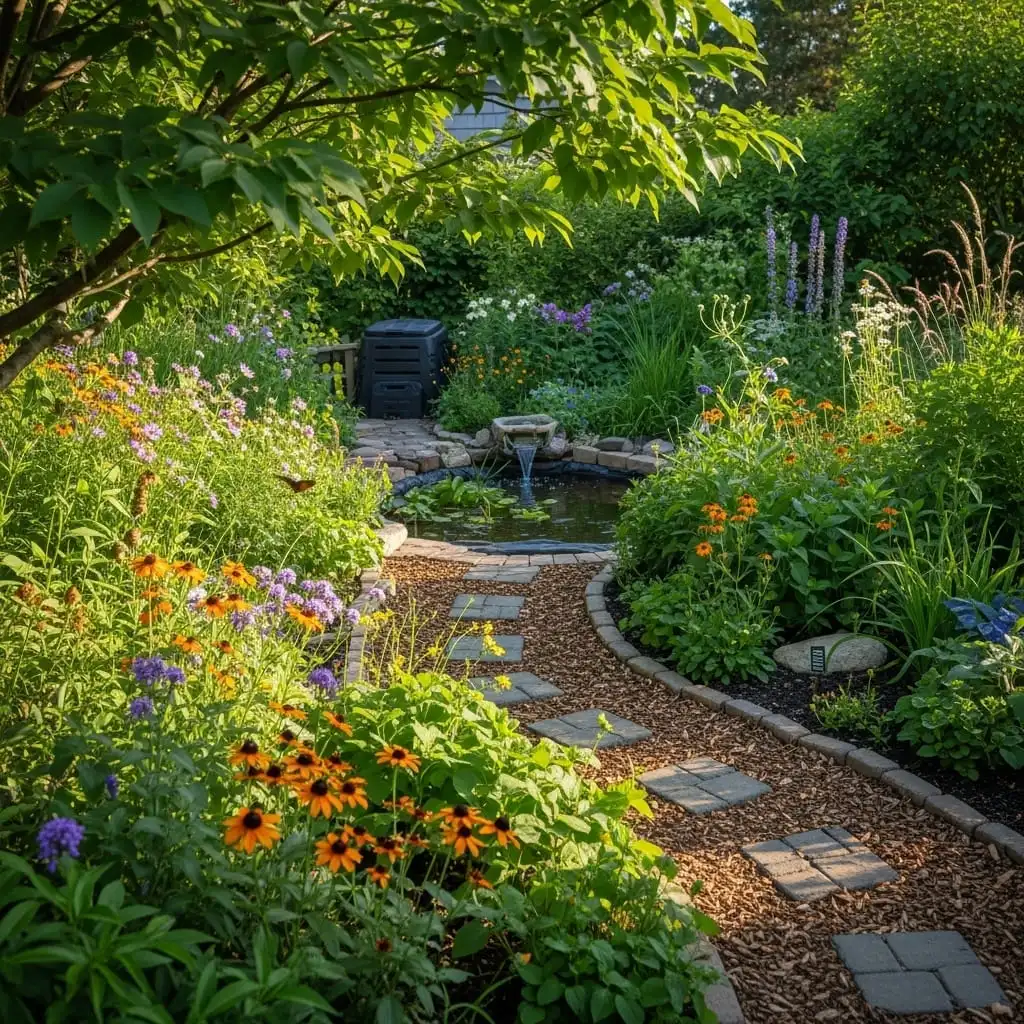
Incorporating native plants is a hallmark of eco-friendly garden designs. These species are adapted to local climate and soil conditions, requiring fewer inputs and supporting native wildlife. Their use fosters biodiversity and creates balanced ecosystems that thrive with minimal intervention.
Gardeners benefit from increased resilience and lower maintenance, making native plantings a pragmatic choice for sustainable, human-centered landscapes.
Climate-Responsive Design Principles in Eco-Friendly Gardens
Microclimate Analysis and Adaptation
Understanding and responding to microclimates is crucial in eco-friendly garden designs. Factors such as sunlight exposure, wind patterns, and soil moisture vary within a property and influence plant selection and placement. Tailoring designs to these conditions enhances plant health and comfort for garden users.
Strategic placement of shade trees, windbreaks, and reflective surfaces can moderate temperature extremes, creating inviting outdoor spaces year-round. This approach exemplifies architectural thinking applied to landscape design, focusing on how the environment shapes human experience.
Considering microclimates also reduces resource demands by optimizing natural conditions, aligning with sustainability goals
Incorporating Climate-Resilient Plant Species
- Use drought-tolerant perennials and shrubs
- Select plants with heat and cold tolerance as appropriate
- Include deep-rooted species for soil stabilization
- Integrate species that improve soil quality naturally
- Prioritize pest-resistant varieties to minimize chemical use
- Balance evergreen and deciduous plants for seasonal interest
- Consider native species adapted to local climate extremes
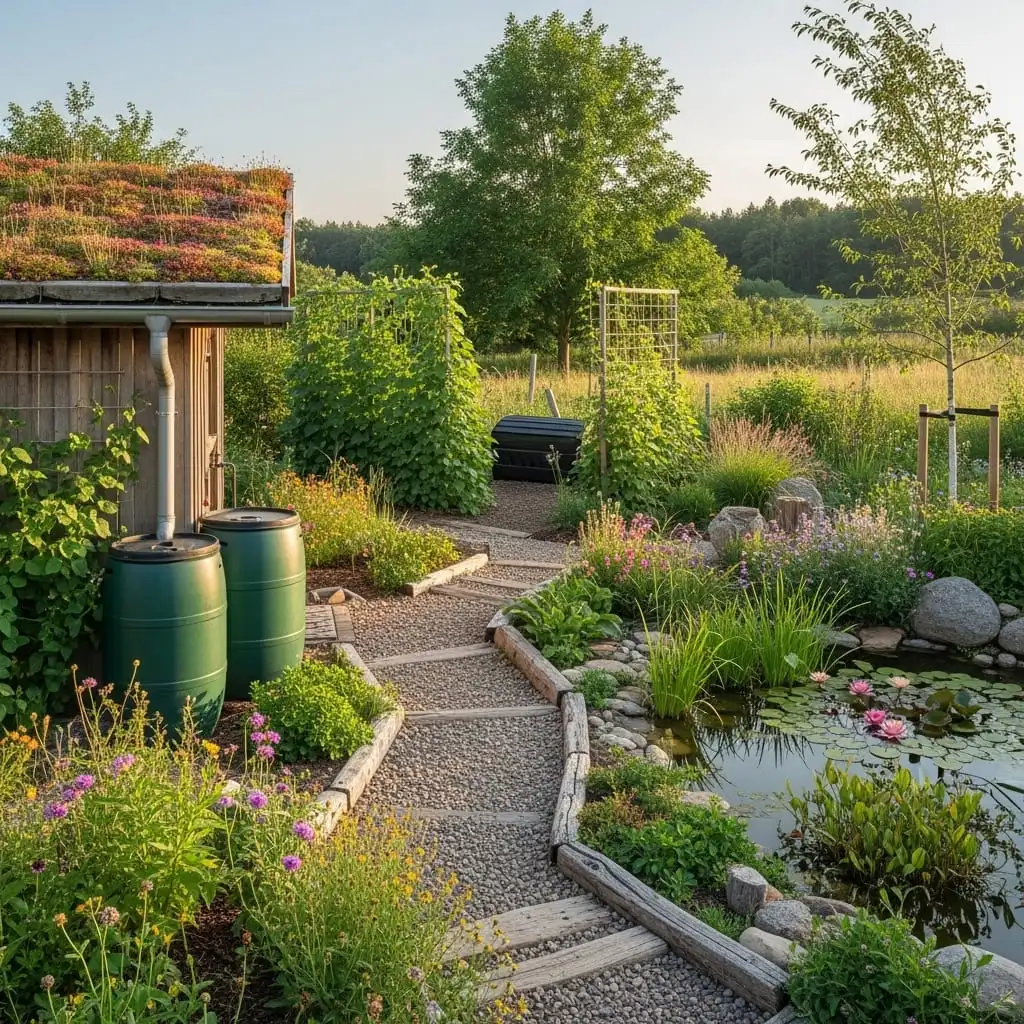
Plant selection is a core element of climate-aware garden design. By choosing species resilient to shifting weather patterns, gardens maintain their structure and function despite environmental stress. These choices support a long-term vision of sustainability and health.
Climate-resilient gardens reduce maintenance, conserve resources, and create serene, enduring spaces that enhance residents’ connection to nature.
Soil Health Management for Sustainable Gardens
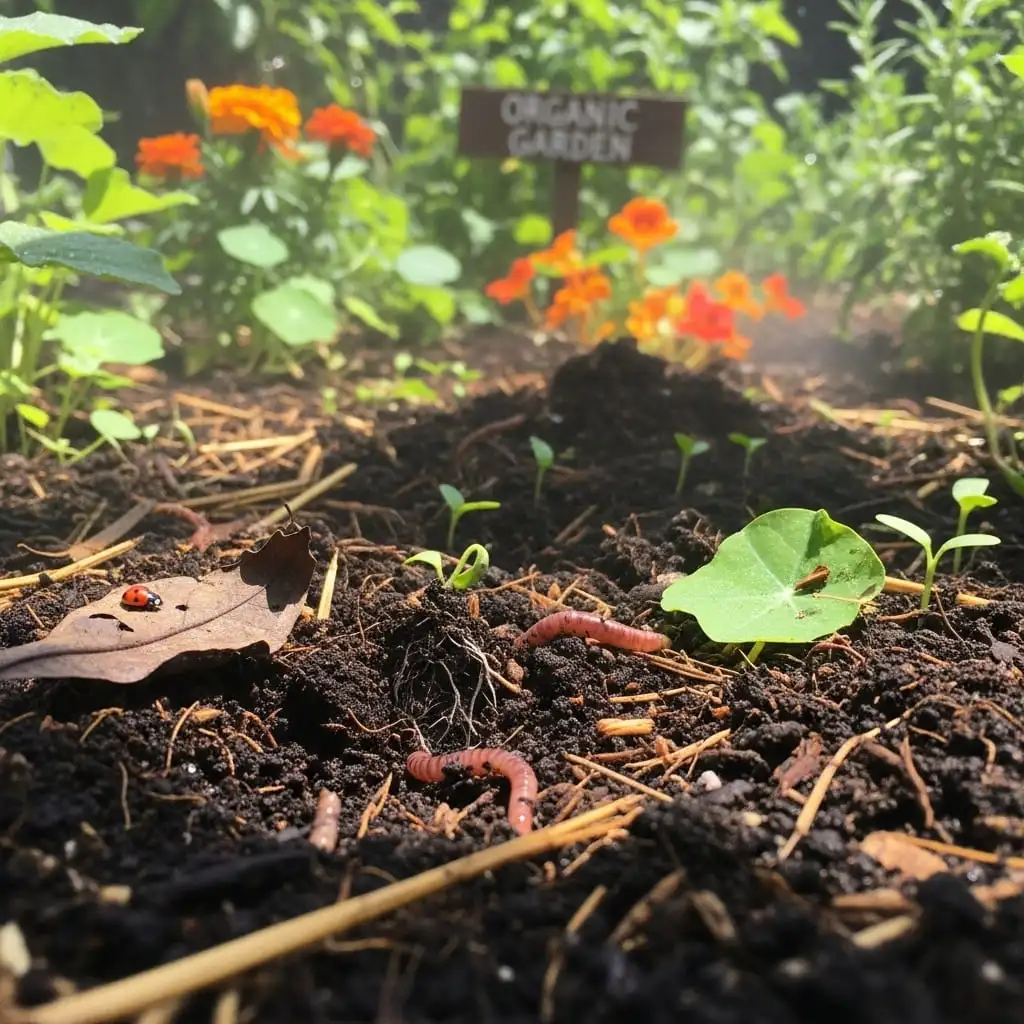
Healthy soil is the foundation of eco-friendly garden designs. Practices such as composting, mulching, and minimizing soil disturbance improve fertility and structure. This encourages beneficial microbial activity and supports robust plant growth.
Incorporating cover crops and organic amendments prevents erosion and nutrient depletion, fostering a living soil ecosystem. Such methods reduce reliance on synthetic fertilizers and pesticides, promoting environmental and human health.
Soil management is a slow, intentional process that reflects an architect’s understanding of how natural systems underpin thriving gardens.
| Technique | Environmental Benefit | Implementation Complexity |
|---|---|---|
| Rainwater Harvesting | Reduces potable water use | Moderate |
| Native Planting | Enhances biodiversity | Low |
| Permeable Pavement | Manages stormwater runoff | High |
Human-Centered Design in Eco-Friendly Gardens
Creating Calming and Intentional Spaces
Eco-friendly garden designs emphasize slow living and mindfulness, creating spaces that invite relaxation and contemplation. Thoughtful layout, natural materials, and tactile plantings engage the senses and foster a deep connection with nature.
Paths meander gently, seating areas are sheltered yet open, and plantings are layered to provide visual and textural interest without overwhelming the senses. This deliberate design approach supports mental well-being and encourages regular outdoor engagement.
Designers who understand human behavior incorporate these elements to craft gardens that feel like extensions of the home, tailored to real-life rhythms.
Accessibility and Inclusivity in Garden Design
- Use smooth, firm pathways for mobility
- Incorporate varied seating options at different heights
- Ensure clear sightlines for safety and enjoyment
- Include sensory plants for touch and scent stimulation
- Design gradual slopes instead of steps where possible
Designing accessible gardens aligns with human-centered eco-friendly principles. Inclusive spaces accommodate diverse needs, allowing people of all abilities to experience the benefits of nature. This approach enhances social sustainability and community connection.
Accessibility features are integrated seamlessly, maintaining aesthetic calm and intentionality without compromising functionality.
Integrating Outdoor Living with Natural Elements
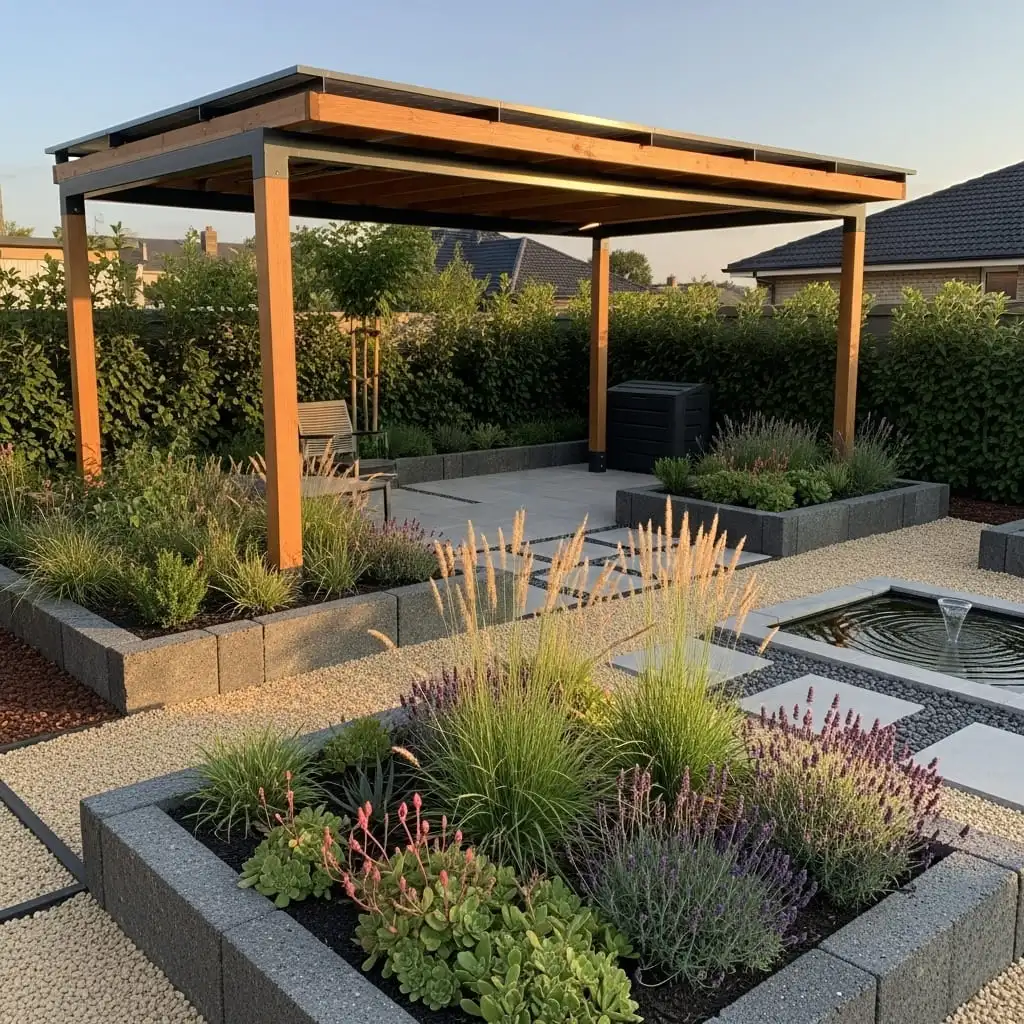
Blurring the boundaries between indoors and outdoors is a key strategy in eco-friendly garden designs. Features such as pergolas with climbing vines, natural stone seating, and water elements create transition zones that extend living spaces into the garden.
These elements are chosen for their tactile and sensory qualities, reinforcing calm and connection. Natural materials age gracefully and require minimal maintenance, supporting the slow garden ethos.
By embedding outdoor living within the context of ecological design, gardens become immersive environments that enrich daily life.
Innovative Techniques in Eco-Friendly Garden Designs
Green Roofs and Vertical Gardens
Green roofs and vertical gardens expand eco-friendly design into urban and limited-space contexts. They provide insulation, reduce heat islands, and create habitat in densely built environments. Incorporating native plants in these systems enhances their ecological benefits.
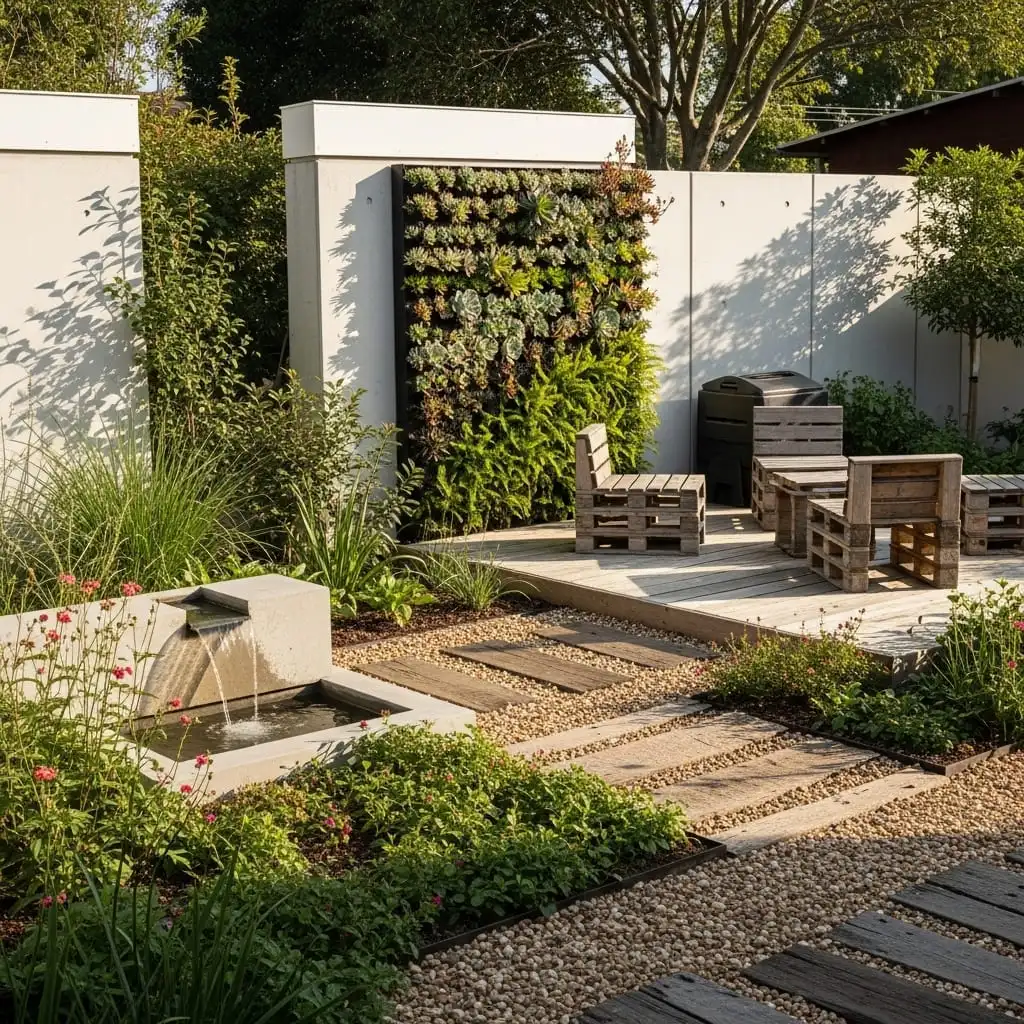
These techniques require careful structural consideration and irrigation planning but offer substantial environmental returns. They exemplify how architectural principles can be applied vertically, promoting sustainability beyond traditional horizontal gardens.
Vertical greening also adds visual interest and softens hard surfaces, contributing to a calming garden atmosphere.
Permaculture Principles Applied to Residential Gardens
- Design for energy efficiency and resource cycling
- Create multi-functional spaces supporting food and habitat
- Utilize companion planting to reduce pests naturally
- Implement zones based on frequency of use and maintenance
- Encourage soil regeneration and water conservation
- Adapt designs to local climate and ecosystems
- Foster community involvement and education
Permaculture integrates ecological and human needs in garden design, enhancing sustainability and productivity. It aligns closely with eco-friendly garden designs by emphasizing resilience, self-sufficiency, and ethical stewardship.
By applying permaculture, residential gardens become dynamic systems that evolve slowly over time, reflecting the rhythms of nature and human life.
Smart Technology for Sustainable Garden Management
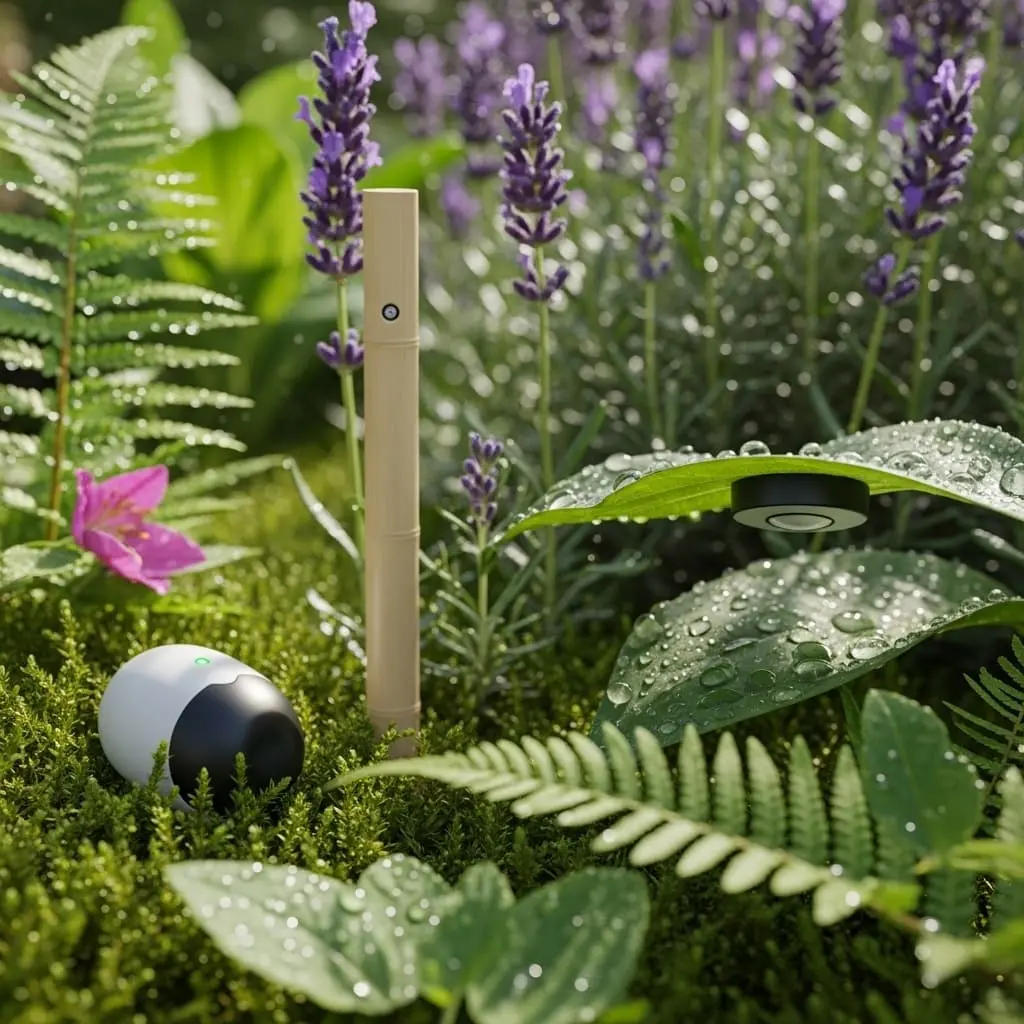
Emerging technologies such as soil moisture sensors, automated irrigation, and garden monitoring apps facilitate precision gardening. These tools optimize resource use, reduce waste, and support plant health, making eco-friendly designs more manageable and effective.
Smart systems provide real-time data and alerts, empowering gardeners to respond promptly to changing conditions. While technology should not dominate the design, it serves as a supportive element for intentional and climate-aware gardening.
Integrating smart technology complements slow, mindful gardening by enhancing efficiency without sacrificing ecological values.
| Technology | Benefit | Typical Cost |
|---|---|---|
| Soil Moisture Sensors | Prevent overwatering | US$ 7,00 per unit |
| Automated Irrigation Systems | Increase watering efficiency | US$3500-5000 depends project |
| Garden Monitoring Apps | Track plant health and weather | US$ 9,99 per month |
Designing for Biodiversity in Eco-Friendly Gardens
Supporting Pollinators Through Plant Selection
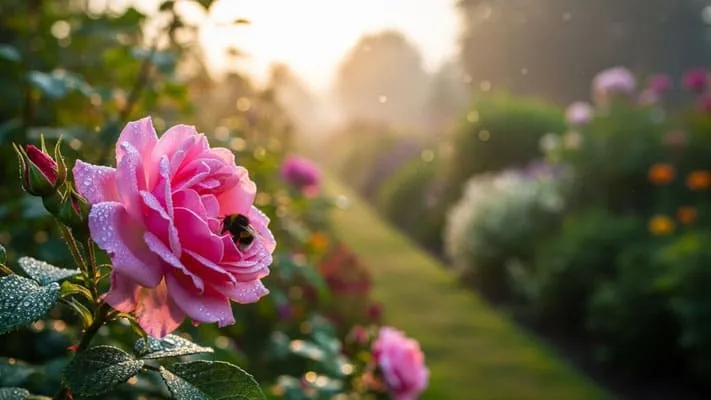
Pollinators like bees, butterflies, and birds are vital to ecosystem health. Eco-friendly garden designs incorporate a variety of flowering plants that provide nectar and pollen throughout the seasons. Native wildflowers, herbs, and shrubs create continuous food sources and nesting habitats.
Such plantings increase biodiversity and create dynamic, lively gardens. Supporting pollinators also benefits homegrown fruits and vegetables, linking beauty with productivity.
Designers strategically place pollinator-friendly plants near seating and pathways to encourage observation and connection.
Creating Habitat Zones for Wildlife
- Incorporate layered vegetation for shelter and food
- Install birdhouses and insect hotels
- Maintain small water features for amphibians
- Use brush piles and deadwood for habitat
- Limit chemical pesticide use to protect beneficial species
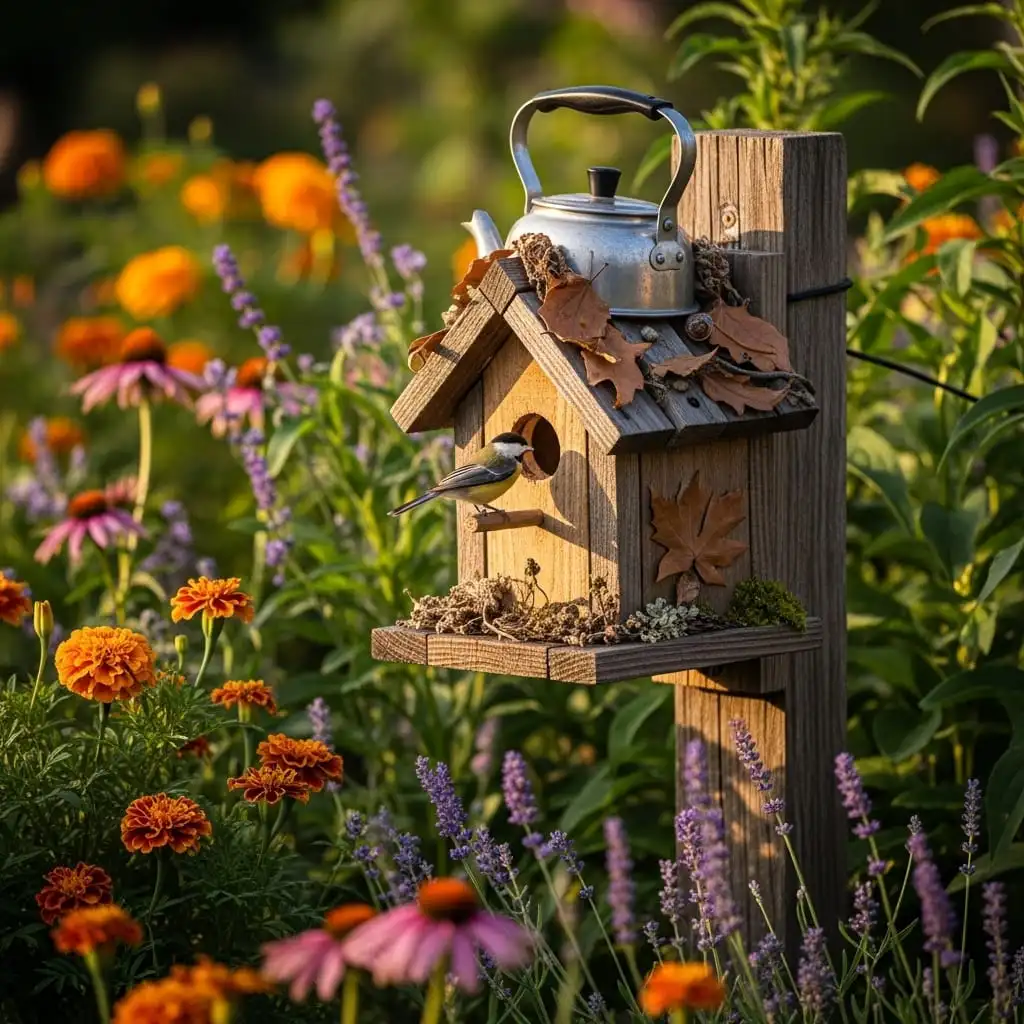
Habitat zones within eco-friendly garden designs provide refuge for diverse fauna. These microhabitats support ecological balance and foster natural pest control. Thoughtful zoning ensures coexistence between human activity and wildlife needs.
Such designs deepen the garden’s role as a living ecosystem, enhancing sustainability and enriching the user’s experience.
Managing Invasive Species and Promoting Native Flora
Control of invasive plants is crucial to preserving local biodiversity. Eco-friendly garden designs prioritize native flora and implement strategies to prevent and remove invasive species. This protects soil health and supports native pollinators and wildlife.
Regular monitoring and maintenance, combined with community education, help maintain ecological integrity. Gardeners are encouraged to source plants responsibly and avoid aggressive exotics.
This stewardship reflects an architectural mindset focused on the health and longevity of the garden environment.
Integrating Eco-Friendly Garden Designs Into Urban Residences
Maximizing Small Spaces Sustainably
Urban gardens often face space constraints, requiring creative eco-friendly solutions. Container gardens, vertical planting, and modular green walls maximize greenery in limited footprints. Selecting compact, climate-appropriate plants ensures sustainable growth and maintenance.
Incorporating multifunctional furniture and movable planters allows flexible use of outdoor areas. Such designs enhance urban dwellers’ access to nature while addressing environmental concerns like air quality and heat reduction.
These strategies reflect an architectural approach that balances form, function, and ecology in dense living contexts.
Community Gardens and Shared Green Spaces
- Promote social cohesion and shared stewardship
- Enable resource pooling and knowledge exchange
- Increase urban biodiversity through collective planting
- Provide educational opportunities on sustainability
- Enhance mental health and wellbeing through nature access
Community gardens exemplify how eco-friendly garden designs scale beyond individual residences. They foster inclusivity and environmental responsibility in urban neighborhoods. Collaborative management ensures diverse plantings and efficient resource use.
These spaces serve as models for sustainable urban living and eco-conscious community building.
Balancing Privacy and Openness in Urban Eco-Gardens
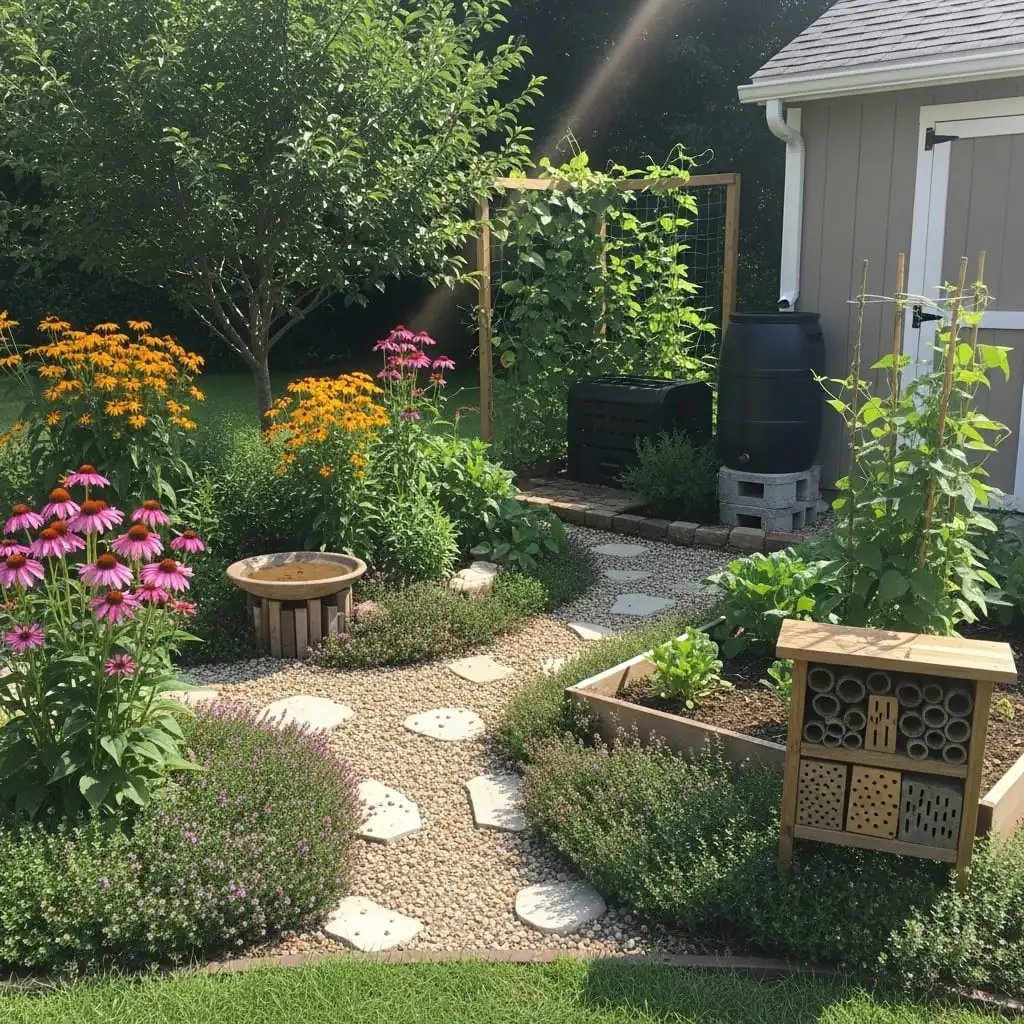
Privacy is a common concern in urban settings. Eco-friendly garden designs use natural screening such as hedges, bamboo, or trellises with climbing plants to create secluded areas without resorting to artificial barriers. This maintains visual softness and ecological benefits.
Balancing openness encourages social interaction and natural light, enhancing the garden’s livability. Thoughtful layering and spatial planning reflect architectural principles that prioritize user comfort and environmental harmony.
Such design choices create tranquil urban retreats that feel connected yet private.
Maintenance and Longevity in Eco-Friendly Garden Designs
Low-Maintenance Planting Schemes
Long-term sustainability depends on selecting plants that thrive with minimal intervention. Grouping species with similar water and sunlight needs reduces maintenance complexity. Perennials and native grasses often require less pruning and fertilization, supporting a slow garden philosophy.
Designers incorporate natural cycles of growth and dormancy, allowing seasonal rhythms to guide garden appearance and care. This reduces the gardener’s workload while preserving ecological balance.
Low-maintenance schemes make eco-friendly gardens accessible and enjoyable year-round.
Seasonal Care and Soil Management
- Mulching to retain moisture and suppress weeds
- Composting garden waste to enrich soil
- Pruning for plant health and air circulation
- Monitoring soil pH and nutrient levels
Regular seasonal care ensures garden longevity and productivity. Maintaining soil health through organic amendments and avoiding chemical inputs supports eco-friendly garden designs by nurturing living soil ecosystems. Proper pruning and mulching protect plants and conserve resources.
These practices reflect an intentional, cyclical approach to garden stewardship, preserving beauty and function over time.
Adapting Gardens to Changing Conditions
Climate change and urban development require adaptive management in eco-friendly garden designs. Monitoring plant performance and soil conditions enables timely interventions. Introducing resilient species or modifying irrigation systems helps gardens thrive despite environmental shifts.
Flexibility is key; designs that allow gradual evolution align with slow, mindful gardening principles. This approach acknowledges gardens as living, dynamic environments rather than static displays.
Adaptive maintenance ensures that gardens remain both sustainable and serene through changing seasons and years.
Eco-friendly Garden Design
Eco-friendly garden designs integrate sustainability, climate awareness, and human-centered principles to create outdoor spaces that are both beautiful and resilient. By focusing on native plants, resource-efficient techniques, and mindful layout, these gardens support biodiversity while enhancing everyday living.
Adopting eco-friendly garden designs encourages slow, intentional engagement with nature, fostering wellbeing and environmental stewardship. Whether in urban or suburban contexts, these strategies offer a meaningful path toward creating lasting, harmonious landscapes.
Frequently Asked Questions (FAQ)
What Are the Main Benefits of Eco-friendly Garden Designs?
Eco-friendly garden designs reduce environmental impact by conserving water and energy, supporting biodiversity, and improving soil health. They also create calming spaces that promote mental wellbeing and sustainable living practices for homeowners.
How Do I Start Implementing Eco-friendly Practices in My Garden?
Begin by assessing your site’s conditions, selecting native and drought-tolerant plants, and adopting water-wise irrigation. Gradually replace non-sustainable materials with eco-friendly alternatives and incorporate organic soil management techniques.
Can Eco-friendly Gardens Thrive in Urban Environments?
Yes, urban gardens can be designed sustainably by using container planting, vertical gardens, and selecting compact, resilient plants. Incorporating green roofs and community gardens further enhances urban biodiversity and resource efficiency.
How Much Maintenance Do Eco-friendly Gardens Require?
Eco-friendly gardens are generally low maintenance, especially when designed with native plants and grouped species with similar needs. Seasonal care like mulching and composting supports garden health without excessive effort.
Are Eco-friendly Garden Designs Expensive to Create?
Costs vary, but eco-friendly gardens often save money long-term through reduced water bills, less fertilizer use, and lower maintenance needs. Choosing locally sourced materials and plants can also reduce initial expenses.

Architect with extensive experience in residential and commercial design, including renovations and modular construction. Love to share information about Architecture, home and lifestyle in this blog.