Last updated on September 14th, 2026 at 08:34 pm
The single lifestyle has become a defining characteristic of modern living, influencing how individuals design their homes and organize their daily lives. Understanding the single woman life and single man life through the lens of residential architecture reveals much about cultural values, personal priorities, and social trends. This article explores these dynamics with a focus on calm, intentional, and human-centered spaces that resonate with the true nature of single living.
As more people embrace singlehood, the demand for residences that support independence, connectivity, and well-being grows. This shift presents opportunities for architects and designers to rethink traditional home layouts and create environments that reflect the diverse needs of singles. The single lifestyle is not just about living alone but about crafting a meaningful, balanced experience within the home.
Here, we delve into seven key aspects of single living, from spatial design to cultural implications, providing insights grounded in architectural expertise and climate awareness. Each section highlights variations of the single lifestyle, the realities of single woman life and single man life, and how thoughtful design can enhance these experiences.
Exploring the Dynamics of Single Lifestyle in Modern Homes
Defining the Single Lifestyle in Contemporary Architecture
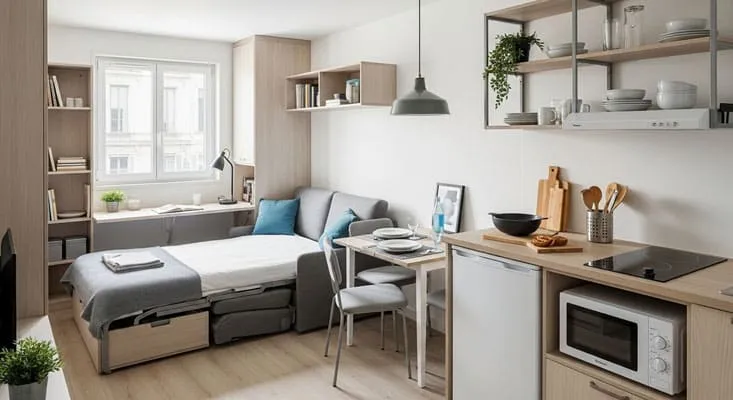
The single lifestyle today is about autonomy and personal expression, reflected clearly in the design of residential spaces. Architects are increasingly mindful of creating environments that facilitate both solitude and social interaction, adapting layouts to fit the fluid routines of singles. This trend emphasizes multifunctionality, allowing spaces to serve various purposes throughout the day.
Single living often requires homes that support flexibility, encouraging users to tailor their space to their evolving needs. This approach aligns with the slow living movement, promoting calmness and intention in how space is used. The single lifestyle is thus a catalyst for innovative architectural solutions balancing privacy and openness.
Understanding these dynamics is essential for designing homes that truly resonate with single individuals, whether they are single women or men. These designs prioritize comfort, functionality, and emotional well-being in equal measure.
Implications of Single Woman Life on Residential Design
The single woman life influences home design by prioritizing safety, comfort, and personal empowerment. Spaces are often designed to maximize natural light, create calming atmospheres, and incorporate smart security features.
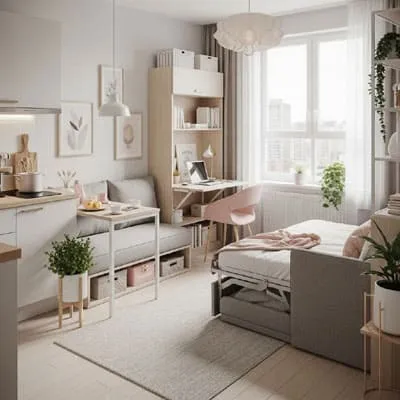
These elements contribute to a sense of well-being and independence, essential for solo female residents.
Additionally, storage solutions and adaptable layouts accommodate both professional and personal needs, reflecting the multifaceted lives of single women. Such homes often include dedicated areas for work, relaxation, and socializing, supporting a balanced lifestyle.
Architects consider these needs carefully, ensuring that designs not only meet functional requirements but also celebrate the identity and strength of single women.
How Single Man Life Shapes Home Environment Choices
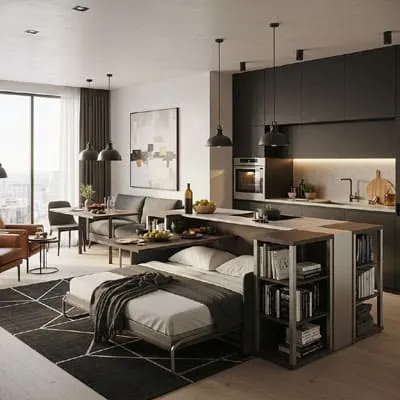
The single man life often emphasizes minimalist design, functionality, and technology integration. Homes tend to focus on open floor plans that facilitate social gatherings and personal hobbies while maintaining a sleek, uncluttered aesthetic.
This reflects a preference for efficiency and ease of maintenance.
Moreover, the single man lifestyle can influence the inclusion of dedicated spaces for fitness, entertainment, or creative pursuits. These specialized areas support a lifestyle that values both activity and relaxation within the home.
Designers working with single men often incorporate durable materials and smart home technologies that enhance convenience and security, aligning with the practical nature of this demographic.
Benefits and Challenges of Adopting a Single Lifestyle at Home
Advantages of Embracing the Single Lifestyle
- Greater control over personal space and environment
- Freedom to design and decorate according to individual taste
- Enhanced privacy and autonomy in daily routines
- Opportunity to cultivate a calm and intentional living space
- Flexibility to adapt spaces for work, hobbies, or socializing
Living alone allows individuals to tailor their homes to their precise needs, fostering a sense of ownership and comfort. This autonomy supports mental well-being and encourages a lifestyle that prioritizes intentionality and calm. The ability to customize spaces without compromise is a significant benefit for many embracing the single lifestyle.
Additionally, the absence of shared responsibilities in household management can translate into more efficient living and greater personal satisfaction. These advantages collectively enhance the quality of life for those living solo.
Common Challenges Faced in Single Living Arrangements
While the single lifestyle offers many freedoms, it also presents challenges such as potential social isolation and limited shared resources.
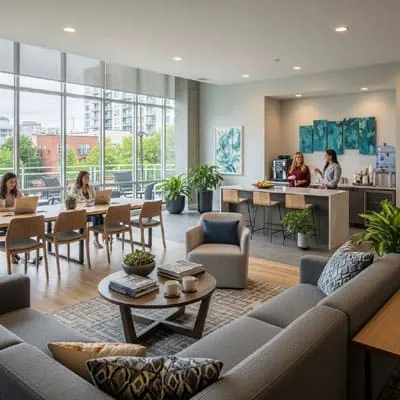
Single residents often need to balance the desire for privacy with the need for community engagement to maintain emotional health.
Financial considerations, such as bearing the full cost of housing and utilities alone, may also impact lifestyle choices and home design decisions. Additionally, maintenance and security can become more pressing concerns for those living solo.
Addressing these challenges requires thoughtful design solutions and community support systems that foster connection and security without compromising independence.
Strategies to Optimize Single Living at Home
Effective strategies to enhance single living include incorporating flexible spaces that can transform according to needs, such as combining work and leisure areas. Utilizing technology for home automation improves convenience and security, essential for solo dwellers.
Designers encourage incorporating communal spaces within residential complexes to create opportunities for social interaction, mitigating isolation. Additionally, sustainable design practices reduce costs and environmental impact, aligning with the intentional lifestyle embraced by many singles.
Intentional selection of furniture and layout can maximize space efficiency, creating an environment both practical and welcoming.
| Aspect | Benefit | Design Consideration |
|---|---|---|
| Privacy | Personal space control | Soundproof walls, private entrances |
| Flexibility | Adapts to lifestyle changes | Modular furniture, open layouts |
| Security | Peace of mind | Smart locks, surveillance systems |
How Single Woman Life Influences Interior and Exterior Home Features
Designing for Safety and Comfort
- Well-lit entryways and walkways
- Secure locks and alarm systems
- Open sightlines within the home for visibility
- Use of calming colors and natural materials
- Ergonomic furniture supporting relaxation and productivity
Safety is paramount in the single woman life, influencing both interior and exterior home elements. Architectural choices reflect this need through strategic lighting and secure access points. Comfort is enhanced by incorporating natural elements and soft textures, creating a sanctuary for daily living.
These features work together to foster a sense of well-being and control over the environment, enabling single women to feel secure and at ease within their homes.
Balancing Social and Private Spaces
Homes designed for single women often strike a balance between inviting social areas and private retreats.
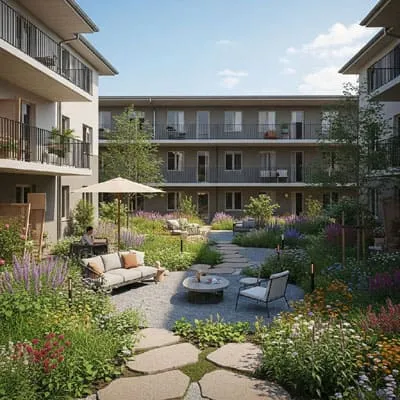
Open-plan kitchens and living rooms facilitate gatherings, while designated quiet zones support solitude and focus.
Outdoor spaces such as patios or small gardens extend the living area, offering safe environments to connect with nature or entertain guests. This balance reflects the nuanced needs of single women who value both connection and independence.
Designers incorporate flexible partitions and multipurpose furniture to maintain this equilibrium without sacrificing style or function.
Exterior Aesthetics Reflecting Individuality
The exterior of homes catering to single women often showcases minimalist yet expressive design elements.
Clean lines, natural materials, and thoughtful landscaping create an inviting but understated presence.
Architectural details emphasize sustainability and climate awareness, aligning with the values of many single women who prioritize environmental responsibility. This approach highlights the growing trend of homes that are both personal and globally conscious.
Such homes serve as a reflection of the occupant’s identity and lifestyle, reinforcing the importance of intentional design.
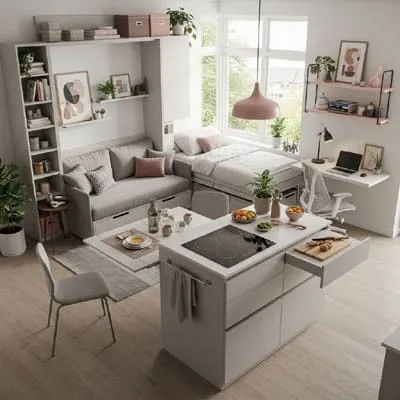
Single Man Life and the Evolution of Functional Living Spaces
Minimalism and Efficiency in Home Layout
- Open floor plans for multipurpose use
- Streamlined storage solutions
- Durable materials requiring low maintenance
- Integrated technology for automation
- Spaces dedicated to hobbies and fitness
- Neutral color palettes emphasizing simplicity
Single man life often embraces minimalist design principles that prioritize efficiency and ease of use. The home layout typically eliminates unnecessary partitions to create fluid spaces that support diverse activities. This approach reduces clutter and simplifies cleaning and upkeep.
Incorporating technology such as smart lighting and climate control further enhances the functionality of these homes, making daily routines more seamless and enjoyable.
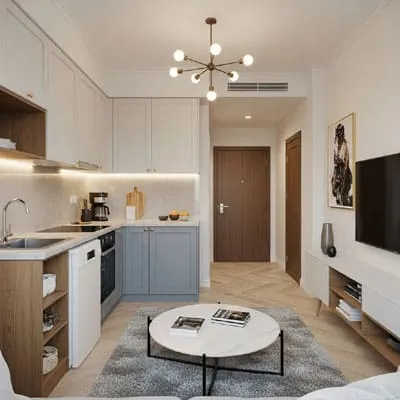
Incorporating Technology and Smart Home Features
Technology plays a significant role in homes designed for single men, offering convenience and enhanced control over the environment. Smart thermostats, security systems, and voice-activated assistants are common features that improve comfort and safety.
These elements allow for remote monitoring and automation, reducing the burden of home management for solo residents. The integration of technology also supports sustainable living through energy efficiency and resource management.
Smart home design is thus a key component of the modern single lifestyle, blending practicality with innovation.
Outdoor Spaces and Their Role in Single Man Lifestyle
Outdoor areas such as balconies, terraces, or small yards serve as vital extensions of the living space in single man homes. These zones provide opportunities for relaxation, exercise, or socializing, complementing the indoor environment.
Designers often include durable outdoor furniture and weather-resistant materials to ensure usability across seasons. Landscaping choices emphasize low maintenance while enhancing privacy and aesthetic appeal.
Well-designed outdoor spaces contribute to a balanced lifestyle, promoting well-being and connection with nature.
| Feature | Benefit | Example |
|---|---|---|
| Smart Security | Increased safety | Remote monitoring cameras |
| Flexible Layouts | Adaptable use | Fold-away furniture |
| Outdoor Living | Enhanced lifestyle | Private terraces |
Psychological and Social Aspects of Single Lifestyle Housing
Creating Spaces That Support Mental Health
Single lifestyle homes are increasingly designed to foster mental well-being by incorporating natural light, quiet zones, and biophilic elements. These features help reduce stress and improve mood, essential for solo dwellers who spend significant time at home.
Design strategies include calming color schemes, sound insulation, and spaces for mindfulness practices like yoga or meditation. Such environments encourage intentional living and personal growth.
Architectural choices that prioritize mental health contribute to a holistic living experience for singles.
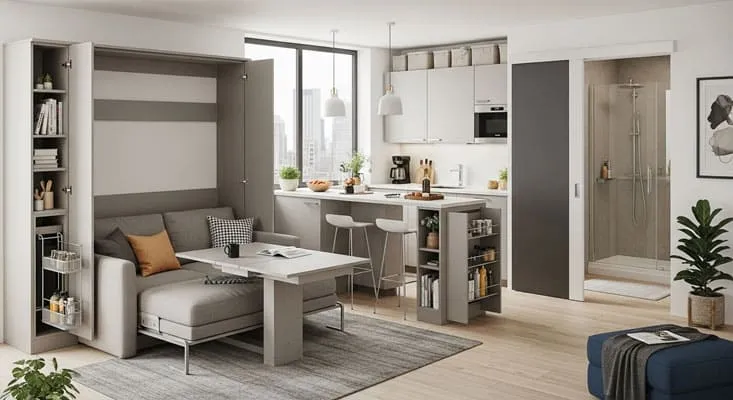
Encouraging Social Interaction Without Compromising Privacy
Balancing solitude and community is crucial in single lifestyle housing. Common areas in multi-unit buildings or shared gardens provide opportunities for socializing, helping to combat loneliness. At the same time, private units offer retreat from social demands.
Designers create transitional spaces such as semi-private lounges or courtyards that encourage casual encounters while respecting boundaries. This nuanced approach supports diverse social needs and enhances quality of life.
Such spaces reflect an understanding of the social realities of single living.
Impact of Cultural Norms on Single Living
Cultural attitudes toward singlehood influence how homes are designed and perceived.
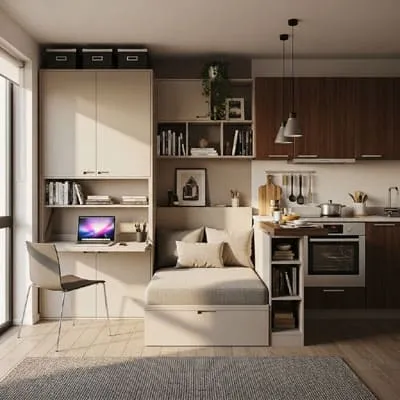
In some societies, single living is embraced as a sign of independence, while in others it may carry stigma, affecting housing demand and design priorities.
Architectural responses vary accordingly, from compact urban apartments to spacious suburban homes, each reflecting cultural values and economic factors. Recognizing these cultural dimensions is essential for creating relevant residential solutions.
Understanding cultural context enriches the discourse on single lifestyle housing and its future development.
Environmental and Climate Considerations in Single Lifestyle Homes
Sustainable Materials and Construction Methods
- Use of recycled and locally sourced materials
- Energy-efficient insulation and windows
- Low-impact foundation techniques
- Green roofs and walls for temperature regulation
- Water-saving plumbing fixtures
Single lifestyle homes are increasingly designed with sustainability in mind, reflecting the values of residents who seek to minimize their environmental footprint. Selecting eco-friendly materials and construction techniques reduces waste and energy consumption.
Such choices support long-term resilience and align with climate-aware living principles. Sustainable design also often results in cost savings through improved energy efficiency.
Energy Efficiency Tailored to Single Occupants
Homes for singles can optimize energy use by incorporating smart systems that adjust heating, cooling, and lighting based on occupancy patterns.
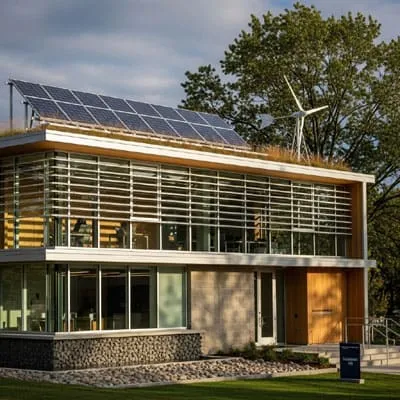
This targeted approach reduces unnecessary energy consumption and enhances comfort.
Solar panels, energy-efficient appliances, and LED lighting further contribute to sustainability goals. These features demonstrate how single lifestyle housing can lead the way in responsible resource use.
Energy-efficient design principles help create homes that are both comfortable and environmentally conscious.
Climate-Responsive Design for Diverse Geographies
Climate-aware architecture adapts to local environmental conditions, ensuring comfort and sustainability. In warmer climates, homes may use shading devices, natural ventilation, and thermal mass to regulate temperature. In colder regions, insulation and solar gain are prioritized.
Single lifestyle residences benefit from these strategies by maintaining ideal indoor conditions with minimal energy input. This responsiveness supports well-being and reflects an intentional, slow design philosophy.
Architects must consider climate context to deliver homes that meet the unique needs of single residents worldwide.
| Climate Zone | Design Strategy | Benefit |
|---|---|---|
| Temperate | Passive solar heating | Reduced heating costs |
| Tropical | Cross ventilation | Improved cooling and air quality |
| Arid | Thermal mass walls | Stable indoor temperatures |
Technology’s Role in Enhancing the Single Lifestyle
Smart Home Systems for Convenience and Security
- Voice-activated lighting and climate control
- Remote security monitoring
- Automated appliances for efficiency
- Personalized environmental settings
- Integration with mobile devices
Technology elevates single lifestyle homes by offering unprecedented control and convenience. Automated systems reduce daily chores and provide peace of mind, essential for individuals managing their households alone.
Smart security features protect residents and their belongings, while energy management tools support sustainability. These innovations make single living more comfortable and secure.
Virtual Connectivity and Community Building
Digital platforms enable single residents to maintain social connections and participate in communities beyond their physical environment. Virtual events, online interest groups, and neighborhood apps foster engagement and reduce isolation.
Homes equipped with high-speed internet and dedicated workspaces support remote work and social interaction, critical aspects of the modern single lifestyle.
This connectivity bridges the gap between privacy and social needs, enriching daily life.
Future Trends in Single Lifestyle Architecture
Emerging trends include modular housing, co-living arrangements, and adaptive reuse of urban structures to meet the evolving needs of singles. Integration of renewable energy and AI-driven home management systems will further transform living experiences.
Architects anticipate a growing demand for personalized, climate-responsive, and technology-integrated homes that reflect the values and habits of single residents.
These future-focused designs promise to enhance flexibility, sustainability, and quality of life for the single lifestyle demographic.
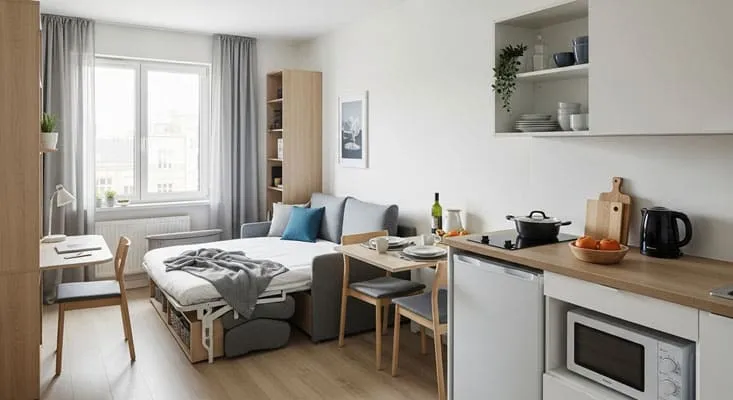
The single lifestyle
The single lifestyle, encompassing single woman life and single man life, is reshaping residential architecture with a focus on autonomy, flexibility, and intentional living. Thoughtful design that considers psychological, social, environmental, and technological factors creates homes that truly support the needs of singles.
As this demographic continues to grow, embracing sustainable and climate-aware practices alongside human-centered design will be essential. Reflecting on how single lifestyle homes reveal cultural and lifestyle values encourages architects and residents alike to prioritize spaces that nurture well-being and independence.
Frequently Asked Questions (FAQ)
How Does the Single Lifestyle Influence Home Design?
The single lifestyle encourages homes designed for flexibility, privacy, and personal expression. Spaces are often multifunctional, supporting both solitude and social activities. This approach prioritizes comfort, security, and adaptability to suit individual needs.
What Are Key Safety Features Important for Single Women in Homes?
Single women often require enhanced security measures such as well-lit entryways, secure locks, alarm systems, and clear sightlines within the home. These features provide peace of mind and contribute to a safe and comfortable living environment.
Why is Technology Important in Homes for Single Men?
Technology offers convenience and security, streamlining daily tasks through automation and smart monitoring. For single men, integrating tech solutions supports efficient living and enhances control over the home environment.
How Can Single Lifestyle Homes Address Social Isolation?
Designers incorporate communal and semi-private spaces within residential complexes to encourage social interaction. Virtual connectivity also plays a role, allowing residents to maintain relationships and community engagement beyond their homes.
What Sustainability Practices Are Common in Single Lifestyle Homes?
Sustainability in single lifestyle homes includes using eco-friendly materials, energy-efficient appliances, smart home systems, and climate-responsive design. These practices reduce environmental impact and promote long-term cost savings.

Architect with extensive experience in residential and commercial design, including renovations and modular construction. Love to share information about Architecture, home and lifestyle in this blog.