Last updated on September 14th, 2026 at 06:48 pm
Choosing the best finishing materials for modern residential projects is essential for architects and homeowners seeking innovation, cost efficiency, benefits, and long-term value. Selecting the right materials not only enhances aesthetic appeal but also supports sustainable living and durability, which are critical in today’s climate-aware design practices.
Understanding the balance between upfront costs and long-term benefits is vital. Many finishing materials boast innovative features that improve performance and reduce maintenance expenses over time, making them smart investments for residential buildings. This article explores these materials from a human-centered, architectural perspective, focusing on calm, intentional design choices that respect how people truly live.
We will examine diverse materials through seven key aspects related to innovation, cost, benefits, and longevity, supported by practical examples, comparative tables, and actionable insights for modern residential architecture.
Innovative Materials Transforming Residential Finishes
Cutting-Edge Technologies in Finishing Surfaces
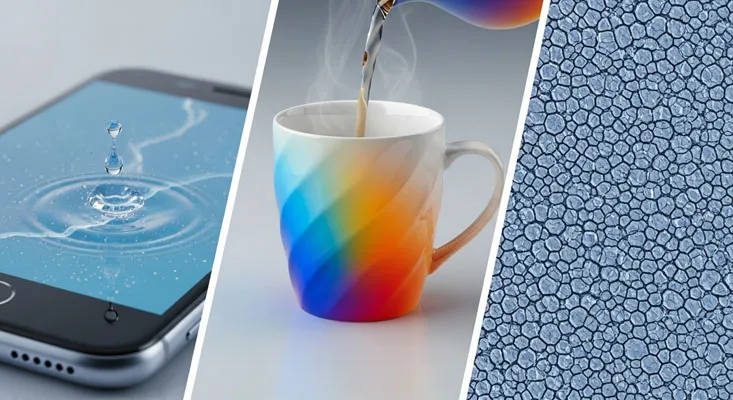
Innovation in finishing materials has revolutionized residential design by introducing surfaces that combine aesthetics with functionality. Technologies like nanocoatings, self-cleaning surfaces, and thermochromic finishes offer homeowners both beauty and practical benefits. These advancements reduce maintenance needs and improve durability, aligning with long-term cost savings.
Integrating such innovations can also enhance indoor air quality and energy efficiency, supporting climate-aware architecture. Architects must consider how these materials interact with other building systems to maximize their potential.
Choosing technologically advanced materials often requires upfront investment but yields significant benefits over the building’s lifecycle.
Eco-Friendly Innovations and Sustainability
Residential projects increasingly favor eco-friendly finishing materials that minimize environmental impact. Innovations include recycled composites, low-VOC paints, and bio-based surface treatments, which reduce carbon footprints and improve indoor environments.
These materials contribute to sustainable building certifications and often provide better long-term health benefits for occupants. Their adoption reflects a commitment to responsible design and human-centered living.
Though sometimes higher in initial cost, their environmental and health benefits offer compelling justification for selection.
Smart Finishes for Climate Adaptation
Smart finishing materials adapt to changing environmental conditions, enhancing comfort and resilience. Examples include phase-change materials that regulate temperature and moisture-resistant coatings that prevent mold growth.
These innovations reduce energy consumption and maintenance costs, supporting long-term savings and climate-aware design principles. Incorporating such materials demands careful planning but improves building performance.
Architects must evaluate local climate factors to select appropriate smart finishes that optimize benefits.
Cost Considerations in Selecting Finishing Materials
Understanding Initial Investment and Lifecycle Costs
- Material purchase price vs. installation costs
- Expected durability and maintenance frequency
- Energy efficiency implications
- Potential for future upgrades or replacements
- Impact on property value over time
Evaluating cost involves more than initial expenditure; it requires analyzing lifecycle costs. Some materials may be more expensive upfront but save money through reduced maintenance and energy efficiency. Architects and clients should consider total cost of ownership when making decisions.
Transparent cost-benefit analyses help balance budget constraints with long-term value, ensuring materials align with project goals.
Budgeting for Long-Term Savings
Investing in quality finishing materials often results in lower repair and replacement expenses. For instance, durable flooring or weather-resistant exterior finishes can prevent costly damage and reduce the frequency of renovations.
Planning for these savings within the project budget is a strategic approach to sustainable residential design. It requires understanding market trends and material performance data.
Clients benefit from guidance by experienced architects who can forecast long-term financial impacts accurately.
Cost Impact of Installation and Labor
Material cost is only part of the financial equation; installation complexity and labor costs substantially influence overall expenses. Some innovative materials require specialized skills, increasing labor fees.
Conversely, modular or prefabricated finishing systems can reduce installation time and costs. Balancing material innovation with practical installation considerations is crucial for cost-effective project delivery.
Engaging contractors early in the design phase ensures realistic budgeting and smoother workflows.
| Material | Initial Cost | Estimated Lifespan |
|---|---|---|
| Engineered Hardwood | Medium | 20-30 years |
| Porcelain Tiles | High | 30-50 years |
| Bamboo Flooring | Low-Medium | 15-25 years |
Benefits of Sustainable Finishing Materials
Health and Indoor Air Quality Improvements
- Low or zero VOC emissions
- Natural, non-toxic components
- Allergen resistance
- Improved ventilation compatibility
- Enhanced occupant wellbeing
Sustainable finishing materials contribute significantly to healthier indoor environments. Products free from harmful chemicals prevent respiratory problems and allergies, directly benefiting occupants’ quality of life.
These materials often work synergistically with HVAC systems to maintain optimal indoor air quality. Their use reflects a human-centered design philosophy that prioritizes occupant comfort and health over mere aesthetics.
Environmental Impact and Resource Efficiency
Using renewable, recycled, or rapidly renewable materials reduces the environmental footprint of residential projects. Finishes such as reclaimed wood or recycled metal divert waste from landfills and conserve natural resources.
Resource-efficient manufacturing processes further enhance sustainability credentials. Projects incorporating these materials often qualify for green building certifications, enhancing market appeal.
Long-term environmental benefits include lower embodied carbon and reduced waste generation, aligning with climate-aware architectural goals.
Energy Efficiency Through Material Selection
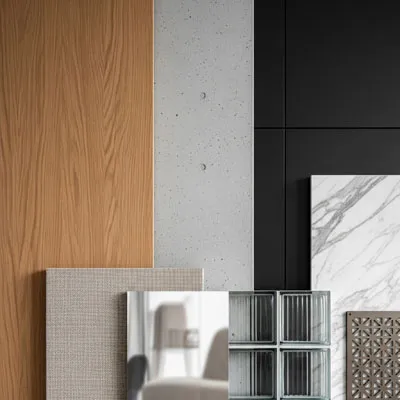
Finishing materials can influence a building’s energy consumption by contributing to thermal insulation and reducing heat gain or loss. Reflective coatings and insulated wall finishes help maintain comfortable indoor temperatures with less reliance on mechanical systems.
These benefits translate into lower utility bills and reduced carbon emissions, providing economic and environmental advantages over the building’s lifespan.
Architects should prioritize finishes that complement passive design strategies for maximum efficiency.
Long-Term Performance and Durability of Finishes
Material Longevity and Resistance
Durability is a critical factor when selecting finishing materials, especially for residential projects expected to last decades. Materials that resist wear, moisture, UV radiation, and chemical damage reduce the need for frequent repairs.
High-performance finishes such as quartz countertops and fiber cement siding exemplify long-lasting options. Their robustness supports the long-term value of the property and lowers lifecycle costs.
Understanding local environmental conditions is essential to predict material performance accurately.
Maintenance Requirements over Time
Maintenance demands vary widely among finishing materials. Some require regular sealing, polishing, or cleaning with specialized products, while others need minimal upkeep.
Lower maintenance finishes are preferred for busy households and reduce operational costs and effort. This supports a calm, intentional lifestyle consistent with human-centered design.
Architects should provide clients with clear maintenance guidelines to ensure finishes perform as intended.
Adaptability to Future Trends and Renovations
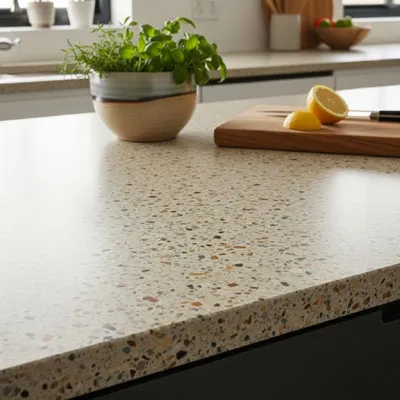
Finishing materials that allow for easy updates or modifications extend a home’s usability and aesthetic relevance. Modular panels, paintable surfaces, and interchangeable fixtures enable adaptability without major structural changes.
This flexibility supports long-term investment by accommodating evolving design preferences and technological advancements.
Strategic choices in finishes can future-proof residential spaces, reducing waste and renovation costs.
| Finish Type | Maintenance Frequency | Typical Lifespan |
|---|---|---|
| Natural Stone | Annual sealing | 50+ years |
| Laminate | Minimal cleaning | 10-15 years |
| Paint | Every 5-7 years | 7-10 years |
Cost-Benefit Analysis for Residential Finishing Choices
Quantifying Long-Term Value
- Comparing upfront costs with maintenance savings
- Evaluating impact on energy bills
- Considering property resale value enhancement
- Assessing durability and replacement frequency
A thorough cost-benefit analysis enables stakeholders to make informed decisions by quantifying the financial and non-financial advantages of different finishing materials. This approach highlights innovations that justify their cost through long-term gains.
It also supports climate-aware decisions by factoring in environmental cost savings and social benefits.
Risk Mitigation Through Material Choices
Choosing appropriate finishes reduces risks related to water damage, mold, and material degradation. Materials with proven resilience mitigate costly repairs and health issues, providing peace of mind for homeowners.
Risk analysis includes understanding local climate risks and selecting finishes accordingly, thereby protecting long-term investment.
Architects play a key role in advising on risk-appropriate material selections.
Financial Incentives and Rebates
Many jurisdictions offer financial incentives for using sustainable, energy-efficient finishing materials. Rebates, tax credits, and grants can offset initial costs and encourage innovation adoption.
Understanding available programs requires research but can significantly improve project affordability.
Clients should be informed about such opportunities to maximize benefits.
Integrating Innovation with Architectural Intent
Human-Centered Design and Material Selection
Architectural finishes must support the way people live, balancing innovation with comfort and usability. Materials that feel natural to touch, age gracefully, and enhance spatial experience align with human-centered design principles.
This approach prioritizes calm, intentional environments over flashy or purely decorative choices.
Selecting finishes that respond to human needs improves satisfaction and long-term acceptance.
Climate-Aware Architectural Strategies
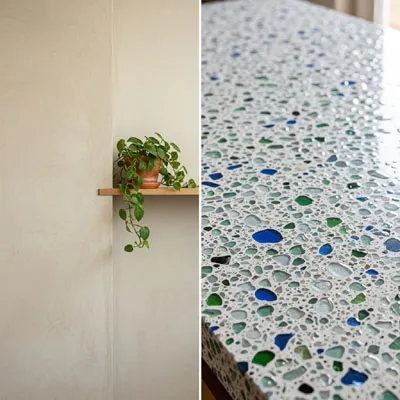
Materials chosen must respond to the climate context, assisting in passive heating, cooling, and moisture control. Climate-aware finishes reduce reliance on mechanical systems and lower operating costs.
These strategies improve resilience and sustainability of residential buildings, addressing global environmental challenges.
Architects must integrate climate data and material science for optimal results.
Balancing Aesthetics and Functionality
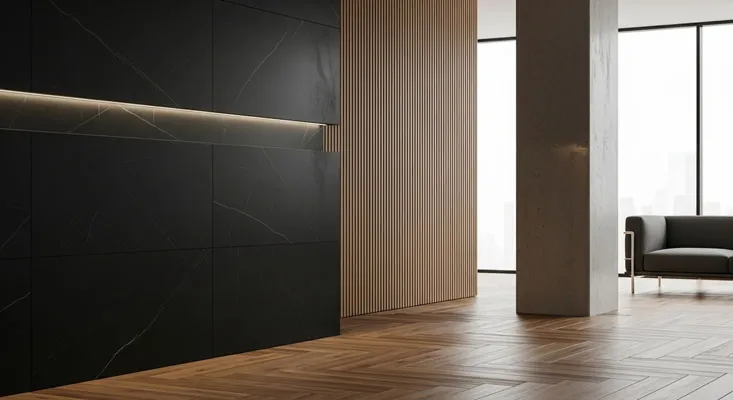
Modern residential projects demand finishes that are both visually appealing and performance-oriented. Innovation enables materials to meet these dual goals, offering versatile textures, colors, and finishes without compromising durability.
Intentional design ensures finishes support architectural narratives while delivering practical benefits.
Collaboration between designers, clients, and suppliers is essential to achieve this balance.
Future Trends in Residential Finishing Materials
Emerging Innovations on the Horizon
- 3D-printed finishes
- Self-healing surfaces
- Bio-based and living materials
- Advanced nanomaterials
- Integrated sensor technology
- Smart color-changing coatings
The future of finishing materials is exciting, with innovations that promise enhanced sustainability, interactivity, and durability. These emerging technologies will transform residential architecture by offering unprecedented control and adaptability.
Early adoption can confer competitive advantages but requires thorough evaluation.
Anticipated Cost and Benefit Shifts
As new materials mature, costs are expected to decrease, making innovation more accessible. Benefits will expand beyond durability to include health monitoring, environmental responsiveness, and personalized aesthetics.
Understanding these shifts allows architects and homeowners to plan for upgrades and renovations strategically.
Long-term project success depends on flexibility and openness to technological advancements.
Long-Term Impact on Residential Architecture
Ongoing research and collaboration will be key to realizing this vision.
Innovative finishing materials will redefine architectural possibilities, enabling more sustainable, efficient, and comfortable homes. Their integration supports slow, intentional design philosophies that honor human experience and environmental stewardship.
These materials will contribute to resilient communities and improved quality of life, reflecting an international yet grounded architectural approach.
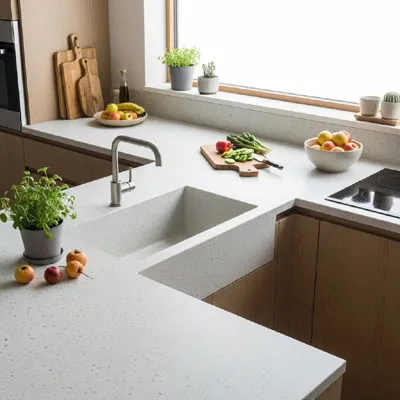
Material choices
The selection of finishing materials in modern residential projects is a critical decision that intertwines innovation, cost, benefits, and long-term considerations. Choosing the right materials ensures not only aesthetic value but also durability, sustainability, and occupant wellbeing, aligning with climate-aware, human-centered architectural practices.
By understanding the interplay of these factors and leveraging emerging technologies, architects and homeowners can create resilient, beautiful, and efficient homes that stand the test of time. Thoughtful material selection is an investment in both the present comfort and future legacy of residential spaces.
Frequently Asked Questions
What Defines Innovation in Residential Finishing Materials?
Innovation refers to new or improved materials that enhance performance, sustainability, or aesthetics. It includes technologies like self-cleaning surfaces, eco-friendly composites, and smart finishes that improve durability and occupant comfort.
How Do Costs of Innovative Materials Compare to Traditional Ones?
Innovative materials often have higher upfront costs but offer long-term savings through durability, reduced maintenance, and energy efficiency. Total lifecycle cost analysis is essential for informed decision-making.
What Are the Primary Benefits of Sustainable Finishing Materials?
Sustainable materials improve indoor air quality, reduce environmental impact, and enhance energy efficiency. They contribute to occupant health and support climate-aware building practices.
How Important is Maintenance in Material Selection?
Maintenance requirements affect lifecycle costs and user experience. Selecting low-maintenance materials minimizes upkeep, supporting calm and intentional living environments.
Can Innovative Materials Adapt to Future Design Trends?
Yes, many advanced finishes offer modularity and flexibility, allowing updates and renovations without major disruptions. This adaptability extends the lifespan and relevance of residential projects.
For further authoritative information on sustainable materials and innovation in architecture, visit the U.S. Green Building Council and Architectural Digest.

Architect with extensive experience in residential and commercial design, including renovations and modular construction. Love to share information about Architecture, home and lifestyle in this blog.