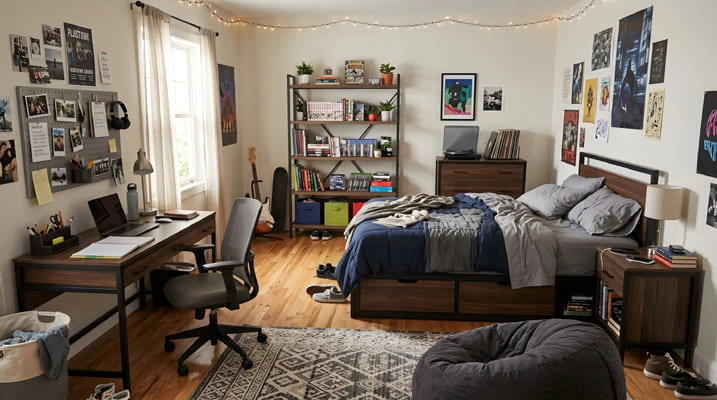
A teen bedroom that grows with its owner relies on a few durable, flexible furniture pieces: a full-size bed, a proper desk, and generous storage. Leave style to easy swaps like paint, bedding, and lighting. Plan four zones for sleep, study, storage, and hobbies, and keep the layout simple enough to rearrange.
Most parents have bought a room full of furniture that a thirteen-year-old loved and a sixteen-year-old rejected. The bunk bed looks childish.
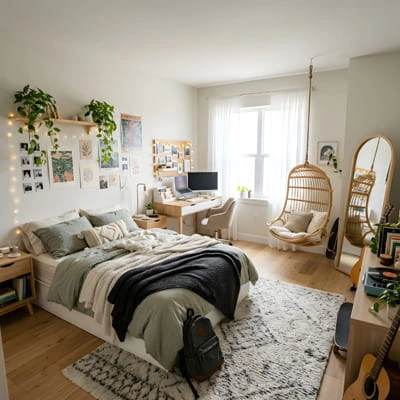
The desk is too small for a laptop and a stack of books. The wardrobe cannot hold a growing wardrobe of clothes and gear. A teen bedroom changes faster than any other room in the house, so it needs a different kind of planning.
The room also has a job beyond decoration. It has to support sleep, and many teens do not get enough. The American Academy of Sleep Medicine recommends 8 to 10 hours a night for teens, yet CDC data show that more than two-thirds of teens miss 8 hours on school nights, according to the AASM’s sleep education team. Furniture, lighting, and layout all affect that number.
Good planning solves both problems. You invest once in strong basics, then let your teen’s taste evolve through low-cost changes. This guide walks through the layout, the furniture choices, the sleep-friendly details, the safety steps, and the budget logic that keeps a teen bedroom useful from the first year of secondary school to the last.
What a Teen Bedroom Actually Needs
A teenager uses a bedroom very differently from a child. It becomes a bedroom, a study space, a hangout, a studio, and a retreat, all at once. A teen bedroom must handle four jobs.
- Sleep: a comfortable bed in a calm, dark, quiet spot.
- Study: a desk with a real chair, good light, and room for a laptop.
- Storage: space for clothes, books, gear, hobbies, and growing collections.
- Social and creative time: a place to sit with friends, practice an instrument, or draw.
Snippet: A teen bedroom is a multi-use room that must support sleep, study, storage, and social or creative time. It works best with flexible furniture and a layout that can change as interests and needs shift.
Teens also need privacy and a sense of ownership. Experienced designers treat that as a real requirement, not a luxury. A room that feels like theirs gets used and cared for. A room that feels like a leftover from childhood becomes a place to avoid.
Think in stages. A 13-year-old may want a bed, a desk, and a place to display collections. A 17-year-old may want a larger bed, a more serious workspace, and an adult-looking room. If you buy basics that suit both stages, you avoid a full replacement in the middle.
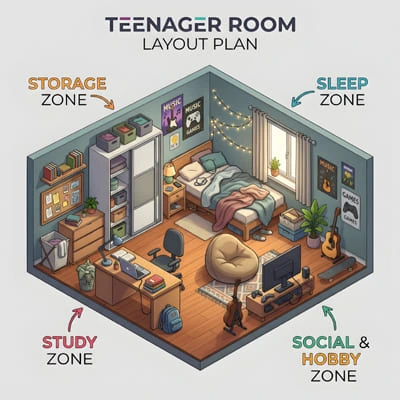
Plan the Teen Bedroom Layout Around Four Zones
Zoning is the simplest tool for any bedroom. It means giving each main activity its own area, even in a small room.
| Zone | Core Furniture | Placement Rule | Grows-With-Them Upgrade |
|---|---|---|---|
| Sleep | Bed, nightstand, lamp | Away from the door and noise; headboard on a solid wall | Swap bedding and headboard for a more mature look |
| Study | Desk, chair, task light | Near natural light; face the wall or window, not the bed | Add a larger desktop or monitor arm |
| Storage | Wardrobe, dresser, shelves | Along the longest wall; keep clear of the door swing | Add modular shelves or a second hanging rail |
| Social and hobby | Beanbag, small sofa, easel, instrument stand | In the open area by the window | Replace seating with a loveseat or lounge chair |
Try to keep the study zone separate from the sleep zone. Akron Children’s Hospital notes that if a teen often studies in bed, the bed can become linked with stress, which makes falling asleep harder, according to the hospital’s teen sleep guidance.
A desk at the opposite side of the room helps the brain treat the bed as a place for rest.
In a small room, zones can overlap. A loft bed with a desk beneath it saves floor space. A desk can double as a vanity.
A window seat with storage can serve as a reading nook and a place for friends to sit. Keep each overlap clear so the room does not feel cluttered.
Leave Space to Move
Aim for about 30 inches (76 cm) of clear walkway along at least one side of the bed and in front of the wardrobe. A teen bedroom with no room to move feels cramped, and clutter builds fast.
Quick tip: Draw the room on paper, with the door, window, and radiator marked. Cut out paper shapes for each piece of furniture and move them around before you buy anything.
Choosing Teen Bedroom Furniture That Lasts
Furniture is the largest investment in the room, so choose with care. Buy for the 17-year-old, not only the 13-year-old.
The Bed
The bed is the anchor. Many families upgrade from a twin to a full or queen as teens grow. A taller teen may need a Twin XL or longer mattress.
| Bed Size | Approx. Mattress Size | Best For | Notes |
|---|---|---|---|
| Twin | 38 x 75 in | Small rooms, early teens | Often outgrown by taller teens |
| Twin XL | 38 x 80 in | Tall teens, small rooms | Extra length; common for dorms later |
| Full | 54 x 75 in | Most teen bedrooms | Good balance of comfort and space |
| Queen | 60 x 80 in | Larger rooms, older teens | Needs about 10 x 10 ft of room to feel comfortable |
A full bed is the most flexible choice for most teen bedrooms. It suits a growing teen and still fits in a modest room. Choose a bed frame with built-in drawers or space for storage boxes if floor space is tight.
The Desk and Chair
Teens spend hours at the desk. Give it a proper surface, enough depth for a laptop and books, and a chair that supports good posture. An adjustable-height chair grows with the user. Place the desk where it gets natural light, and add a task lamp for evening homework.
Storage Furniture
Storage is the most common failure in a teen room. Clothes, shoes, sports gear, and hobby items pile up quickly. Plan more storage than you think you need. Useful options include:
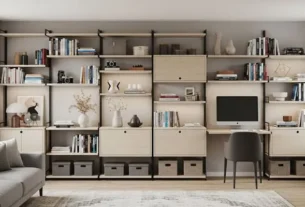
- A wardrobe with adjustable shelves and rails
- A dresser with deep drawers
- Under-bed boxes or drawers
- Wall shelves for books and display
- Hooks and a hanging organizer for bags and jackets
Seating
A beanbag, a small armchair, or a window seat gives friends a place to sit without sitting on the bed. This also supports the idea that the bed is for sleep.
Materials
Choose solid, repairable materials where you can. A sturdy wood or high-quality veneer desk can last through college. Laminate surfaces are cheaper but chip more easily. Avoid furniture that is hard to adjust or that looks too young, such as pieces covered in cartoon themes.
Sleep-Friendly Design for a Teen Bedroom
A teen bedroom should help teens sleep. Design choices can make a real difference.
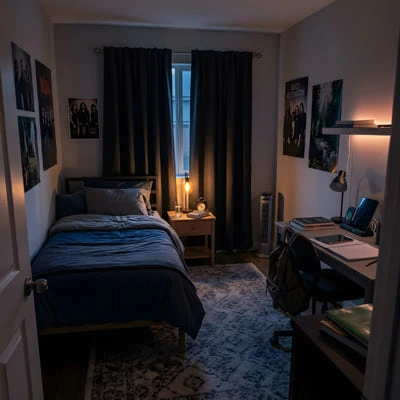
Experts describe the best sleep setting as a cool, dark, quiet room, according to an Associated Press report on teen sleep carried by News4Jax. The same report notes that nearly 80% of American teens do not get the recommended sleep, and suggests turning off screens an hour before bedtime.
Snippet: A sleep-friendly teen bedroom is cool, dark, and quiet, with the bed reserved for sleep, devices kept away from the bed, and lighting that dims in the evening.
Practical Design Moves
- Add room-darkening curtains or shades. They block early light and streetlights.
- Use warm, dimmable lighting. Bright overhead light in the evening works against winding down.
- Move the desk away from the bed. Keep study and sleep separate.
- Create a device charging spot. Akron Children’s suggests keeping electronics such as TVs, game systems, and phones out of the bedroom at night. A charging shelf near the door makes this easier. Each family will set its own rules, so discuss it with your teen.
- Control noise. Rugs, curtains, and bookshelves absorb sound. A white-noise machine or fan can help.
- Keep the room cool. A warm bedroom can make it harder to fall asleep and stay asleep.
- Choose calming colors. Soft blues, greens, and warm neutrals suit the sleep zone. Let the teen add bold color with art and accessories.
Not every teen will follow every rule. A design that makes good habits easy is more useful than a list of strict demands. Involve your teen in the plan so the choices feel shared.
Storage, Lighting, and Safety in a Teen Bedroom
Storage, lighting, and safety are the details that decide whether the room works day to day.
Storage Strategies
Most teen rooms need to store clothes, sports gear, books, tech, and hobby items. Tall shelves use vertical space. Under-bed drawers hold off-season clothes. A pegboard or wall grid holds accessories and keeps the floor clear. Label bins so items go back where they belong.
Layered Lighting
A single ceiling light is rarely enough. Layer three kinds of light:
- Ambient: a ceiling fixture or wall lights for general light
- Task: a desk lamp for homework and a reading light by the bed
- Accent: string lights, an LED strip, or a small lamp for mood
Layered lighting lets one room serve study, rest, and hangouts without changing the furniture. Put the bed lamp and the overhead light on dimmers if you can.
Furniture Safety
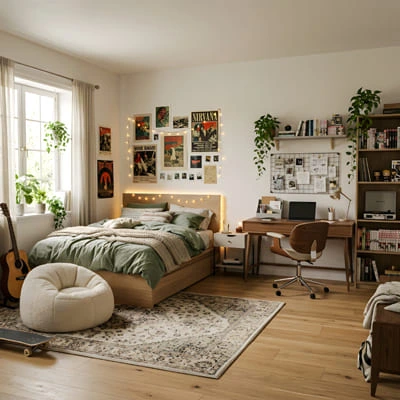
Safety matters even in a teenager’s room. Tall dressers and bookcases can tip, especially if drawers are open or heavy items sit on top.
The U.S. Consumer Product Safety Commission found an average of 17,800 emergency-room-treated injuries a year from furniture and TV tip-overs between 2020 and 2022, and children suffered 44% of them, according to a report summarized by Kids In Danger.
The same summary notes that the STURDY Act, which took effect on September 1, 2023, requires stricter stability standards, but furniture bought earlier may still pose a risk. Experts recommend anchoring all furniture to the wall.
Anchor wardrobes, dressers, bookcases, and TV stands. Use a wall stud where possible. This is especially important if younger siblings or visitors use the room.
Other safety points:
- Keep walkways and exits clear of clutter.
- Use cable ties and covers to keep cords tidy and away from walkways.
- Do not overload power strips.
- Test smoke alarms and keep one in or near the room.
Make the Teen Bedroom Evolve: Budget, Style, and Common Mistakes
The smartest way to design a teen bedroom is to separate what you buy once from what you change often.
Buy Once, Swap Often
| Buy Once (Long-Lasting) | Swap Often (Low Cost) |
|---|---|
| Bed frame and mattress | Bedding and pillows |
| Desk and chair | Wall color, posters, art |
| Wardrobe and dresser | Desk accessories and lamp shades |
| Neutral rug or flooring | Throws, cushions, string lights |
| Window treatments | Wall hooks, shelves, and displays |
This approach keeps costs steady and gives your teen a say in the changes they care about. A coat of paint, a new duvet, and a fresh set of prints can change the whole feel of the room for a modest cost.
Involve Your Teen
Ask your teen what they use the room for. Ask what bothers them about it. Let them choose colors, art, and some accessories. When teens have a voice, they care for the room and keep it tidy more often. Keep final say on safety and budget, and be clear about those limits from the start.
Common Mistakes to Avoid
- Buying small furniture that teens outgrow within a year or two
- Choosing themed pieces that date quickly
- Skimping on storage, which leads to clutter and floor piles
- Placing the desk next to the bed, which blends study and sleep
- Forgetting to anchor tall furniture
- Relying on one overhead light, which makes the room hard to use at night
- Making every decision without your teen, which can lead to a room they ignore
- Overspending on trendy items instead of strong basics
Building a Room That Grows With Them
A good teen bedroom starts with sturdy, flexible basics: a full-size bed, a proper desk, and plenty of storage, arranged in four clear zones.
Add sleep-friendly details such as room-darkening curtains, warm dimmable light, and a device charging spot. Anchor tall furniture, and let style evolve through paint, bedding, and accessories your teen helps choose.
Start by measuring the room and sketching a layout this week. If you have redesigned a teen room, tell me in the comments which change made the biggest difference.
Important Notice: The information in this article is for informational and educational purposes only and is not a substitute for the evaluation or guidance of a healthcare professional. Always consult a doctor before making any decisions regarding your treatment or diagnosis.

Architect with extensive experience in residential and commercial design, including renovations and modular construction. Love to share information about Architecture, home and lifestyle in this blog.