Last updated on September 14th, 2026 at 06:41 pm
The entryway architecture, the front façade is the architectural face of a building, serving as the first point of visual contact and an essential element in shaping first impressions. Understanding the nuances between luxury, medium class, and poor façades reveals much about social status, economic context, and design intent. The front façade, luxury, medium class, poor façade distinctions matter because they influence not only aesthetic appeal but also functionality and cultural expression.
Across residential architecture, the quality and design of the front façade reflect the lifestyle and values of its inhabitants. Luxury façades often showcase refined materials and deliberate architectural gestures, while medium-class façades balance cost and design, and poor façades reveal constraints and improvisation. Recognizing these differences helps architects and homeowners make informed decisions that align with climate, culture, and human-centered design.
This article explores the critical aspects of front façades across social classes. We will analyze the architectural elements that define luxury, medium class, and poor façades, emphasizing climate awareness and intentional design. This comprehensive insight aims to guide readers toward thoughtful entryway architecture that creates meaningful first impressions.
Understanding Front Façade Variations Across Social Classes
Defining Characteristics of Luxury, Medium Class, and Poor Façades
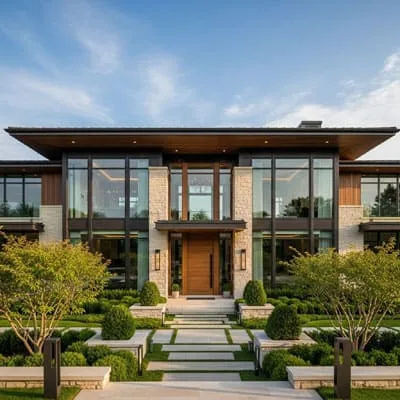
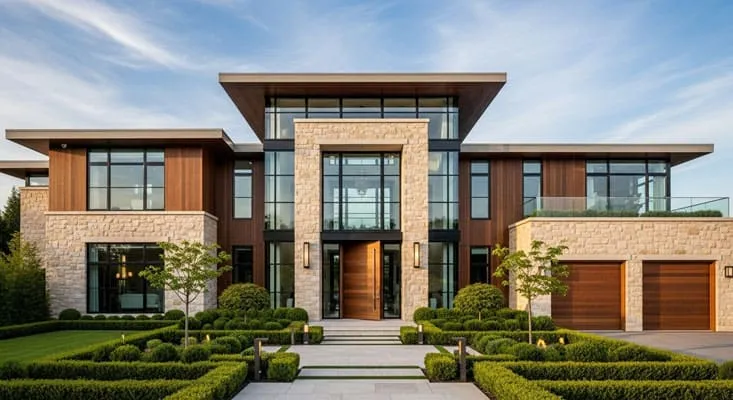
Luxury façades typically exhibit high-quality materials, intricate detailing, and custom architectural features that convey exclusivity. These façades often incorporate natural stone, treated wood, or premium metals, combined with sophisticated lighting strategies.
In contrast, medium-class façades prioritize durability and cost-efficiency, using materials like brick veneer or painted stucco with modest ornamentation. Poor façades usually rely on affordable, sometimes improvised materials with minimal design considerations, reflecting budget constraints.
Visual Language and Social Signifiers in Façade Design
The front façade acts as a social symbol communicating economic status and cultural identity. Luxury façades use symmetry, scale, and refined textures to suggest permanence and prestige. Medium-class façades balance practicality with modest stylistic cues, sometimes blending contemporary and traditional elements. Poor façades often emphasize function over form, with patchwork repairs or plain surfaces that prioritize shelter over aesthetics. These variations send powerful social messages to viewers.
Impact of Façade Quality on Neighborhood Perception
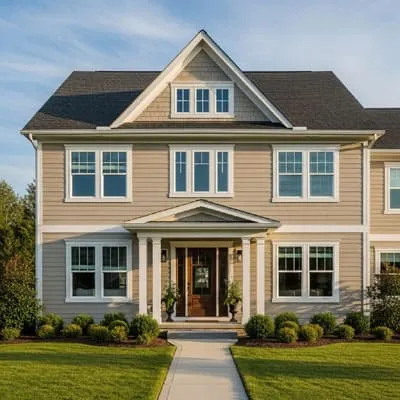
Neighborhoods with predominantly luxury façades typically attract higher property values and investment, encouraging further architectural innovation.
Medium-class areas display a diverse architectural vocabulary that can foster community identity but may face challenges in maintenance and upgrading. Poor façades, while sometimes stigmatized, highlight resilience and adaptability but may also deter investment and affect social cohesion. Understanding these dynamics is crucial for urban planners and architects.
Material Choices and Sustainability in Front Façade Design
Eco-Friendly Materials for Luxury and Medium-Class Façades
- Reclaimed hardwoods with natural finishes
- High-performance insulated glass systems
- Locally sourced natural stone for durability
- Low-VOC paints and sealants
- Photovoltaic-integrated façade panels
Luxury and medium-class façades increasingly incorporate sustainable materials to reduce environmental impact. These materials not only enhance thermal performance but also contribute to a building’s aesthetic longevity.
Cost-Effective Sustainable Options for Poor Façades
Affordable sustainability solutions include recycled metal sheets, bamboo cladding, and lime-based renders. These materials offer improved insulation and weather resistance without high upfront costs. Their use supports both environmental goals and social equity, providing better living conditions for lower-income households.
Comparative Table of Common Façade Materials and Sustainability Ratings
| Material | Typical Class Usage | Sustainability Rating |
|---|---|---|
| Natural Stone | Luxury | High |
| Brick Veneer | Medium Class | Medium |
| Concrete Blocks | Poor Façade | Low |
| Reclaimed Wood | Luxury/Medium Class | High |
Architectural Elements Enhancing Front Façade Appeal
Use of Texture and Depth to Create Visual Interest
- Layered cladding systems
- Relief moldings and cornices
- Window recesses and protrusions
- Material contrasts for tactile richness
- Strategic lighting to emphasize features
Texture and depth are essential in elevating the front façade’s presence. Whether in luxury or medium-class homes, these elements add dimension and break monotony, enhancing curb appeal and inviting closer inspection.
Incorporating Climate-Responsive Design Features
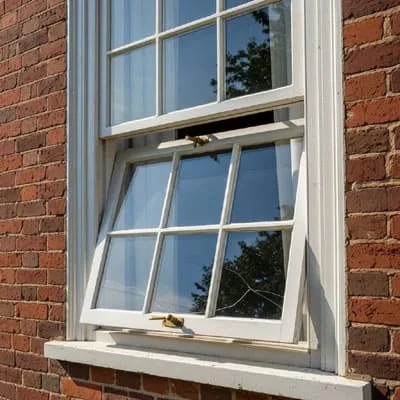
Shading devices, overhangs, and operable windows help regulate solar gain and promote natural ventilation.
Luxury façades often integrate automated shading systems, while medium and poor façades benefit from simple, cost-effective solutions like pergolas or louvers.
These features improve comfort and reduce energy consumption, aligning with climate-aware design principles.
Balancing Ornamentation with Human-Centered Design
Luxury façades may include intricate carvings or bespoke elements that enhance identity. Medium-class façades focus on subtle ornamentation that supports usability and maintenance, such as durable trim and well-proportioned entryways. Poor façades prioritize functional simplicity but can still incorporate human-centered touches like accessible doorways and protective awnings, fostering dignity and comfort.
Entryway Architecture as a Reflection of Social and Cultural Values
Luxury Entryways: Statement and Exclusivity
- Grand doors with custom hardware
- Integrated lighting and landscaping
- Use of symmetry to evoke formality
- Use of high-end finishes such as marble or brass
Luxury entryways serve as deliberate statements of exclusivity and refinement, often featuring expansive porches and elaborate detailing. These design choices underscore social status and establish a welcoming yet prestigious threshold.
Medium-Class Entryways: Balance of Function and Aesthetics
Entryways in medium-class homes prioritize accessibility and durability without sacrificing style. Materials like composite doors, modest glass panels, and weather-resistant finishes are common. The design often reflects local cultural motifs, maintaining a connection to community values while ensuring practicality.
Poor Façade Entryways: Adaptation and Resourcefulness
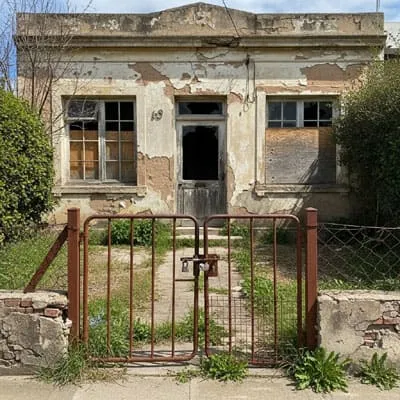
Entryways in poor façades emphasize security and protection from elements, frequently featuring metal gates or basic awnings.
These are often designed or modified by residents themselves to meet immediate needs. Despite limited resources, such entryways reveal creativity and resilience in the face of economic challenges.
Performance Optimization in Front Façade Design
Thermal Performance and Insulation Strategies
Optimizing thermal comfort begins with selecting façade materials that reduce heat transfer. Luxury façades often include multi-layered insulated panels and triple-glazed windows. Medium-class façades use insulated bricks and reflective coatings, while poor façades benefit from added shading and simple insulation retrofit techniques. These methods collectively improve energy efficiency and occupant comfort.
Durability and Maintenance Considerations
Luxury façades employ long-lasting materials requiring minimal upkeep, such as treated stone or metal cladding. Medium-class façades balance upfront costs with maintenance frequency, choosing materials that age gracefully. Poor façades favor materials that are easy to repair or replace, accepting trade-offs between longevity and affordability to maintain habitability.
Comparative Table of Façade Performance Metrics by Class
| Performance Aspect | Luxury Façade | Medium Class Façade | Poor Façade |
|---|---|---|---|
| Thermal Insulation | Excellent | Moderate | Basic |
| Material Longevity | 20+ years | 10-15 years | 5-8 years |
| Maintenance Frequency | Low | Medium | High |
Integrating Climate-Aware Design Principles in Façades
Passive Solar Design Techniques
Proper orientation and shading elements minimize heat gain while maximizing daylight. Luxury designs often feature automated shading and optimized window placement, while medium-class façades incorporate fixed shading devices. Poor façades may rely on natural vegetation or simple awnings to moderate climate impacts, illustrating the spectrum of passive design strategies.
Ventilation and Airflow Management
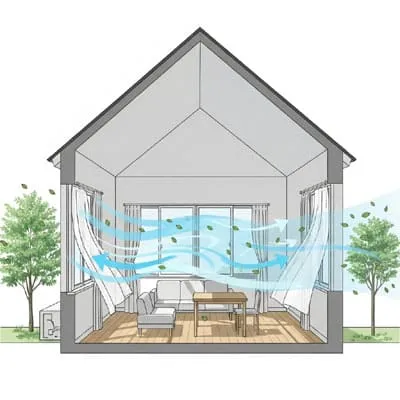
Cross-ventilation and operable windows enhance indoor air quality and thermal comfort. Luxury façades might integrate advanced ventilation controls, whereas medium and poor façades focus on maximizing natural airflows through strategic openings and lightweight materials.
These designs prioritize occupant wellbeing within local climate contexts.
Water Management and Façade Resilience
Effective rainwater drainage and moisture control protect façades from weathering. Luxury façades use integrated gutter systems and water-repellent coatings. Medium-class designs balance cost with functionality, employing sloped roofs and fascia boards. Poor façades often adapt with improvised solutions such as plastic sheeting or patched gutters, demonstrating resilience despite limited resources.
Human-Centered Approaches to Front Façade Design
Designing for Accessibility and Inclusivity
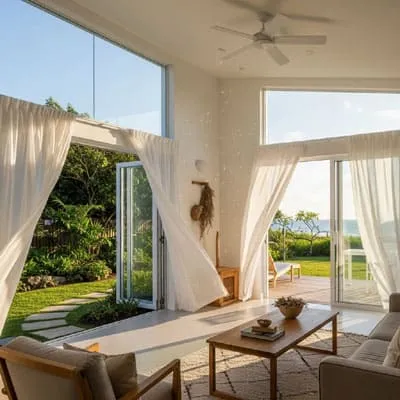
- Step-free entrances and wide doorways
- Clear sightlines and safe lighting
- Use of tactile materials for navigation
- Comfortable transitional spaces
- Adaptable elements for varying needs
Inclusive front façades consider all users, including those with mobility challenges.
Luxury and medium-class designs often integrate universal design principles seamlessly, while poor façades can implement cost-effective modifications to improve accessibility and safety.
Psychological Impact of Façade Design
The front façade influences occupants’ mood and sense of belonging. Luxury façades evoke pride and security, medium-class façades promote familiarity and comfort, and poor façades can foster resilience despite austerity. Thoughtful color palettes, textures, and scale contribute to a calm and intentional atmosphere that supports wellbeing.
Community and Cultural Identity Through Façade Expression
Façades act as cultural canvases, expressing heritage and collective memory. Luxury façades may incorporate artful motifs, medium-class façades blend modernity with tradition, and poor façades reflect vernacular improvisation. This diversity enriches neighborhoods and anchors residents socially and emotionally.
Façade Design
The front façade, luxury, medium class, poor façade distinctions serve as powerful indicators of architectural intent, social context, and environmental responsiveness. From material selection to entryway design, these façades shape human experience and community perception. By integrating climate-aware, human-centered principles, architects and homeowners can craft façades that are both beautiful and functional across social classes.
Understanding these nuances encourages purposeful design that respects cultural identity and promotes sustainability. As first impressions matter, investing in thoughtful façade design creates lasting value and meaningful connections between people and place.
Frequently Asked Questions ( FAQ)
What Defines a Luxury Front Façade Compared to a Medium-class One?
A luxury front façade typically uses premium materials, detailed craftsmanship, and sophisticated design elements conveying exclusivity. Medium-class façades focus on durable, cost-effective materials with balanced aesthetics, often blending practicality with modest ornamentation.
How Can Poor Façades Be Improved Sustainably on a Budget?
Improving poor façades sustainably involves using affordable, recycled materials, enhancing insulation with low-cost solutions, and integrating passive design elements like shading and ventilation. These strategies improve comfort and durability without significant expenses.
Why is Climate-aware Design Important for Residential Façades?
Climate-aware design optimizes energy efficiency, enhances occupant comfort, and increases building longevity by responding to local weather conditions. It reduces environmental impact and operational costs while improving indoor living quality.
What Role Does Entryway Architecture Play in Social Perception?
Entryway architecture shapes first impressions and communicates social status, cultural values, and hospitality. A well-designed entry invites and reassures visitors, reflecting the personality and lifestyle of residents.
How Can Architects Balance Aesthetics and Function in Front Façades?
Architects balance aesthetics and function by selecting materials and design elements that are visually appealing yet durable and climate-responsive. Prioritizing human-centered features ensures façades serve both beauty and practical needs effectively.
For further reading on sustainable materials and architectural best practices, visit the ArchDaily and the U.S. Green Building Council. These sources provide authoritative guidance on integrating performance and design in front façades.

Architect with extensive experience in residential and commercial design, including renovations and modular construction. Love to share information about Architecture, home and lifestyle in this blog.