Last updated on September 14th, 2026 at 08:32 pm
Achieving a clutter-free home involves more than tidying up; it demands intentional living and thoughtful decisions about what remains in your space. Donate plays a vital role in this process—choosing to give away items not only frees physical space but fosters a sustainable cycle of reuse.
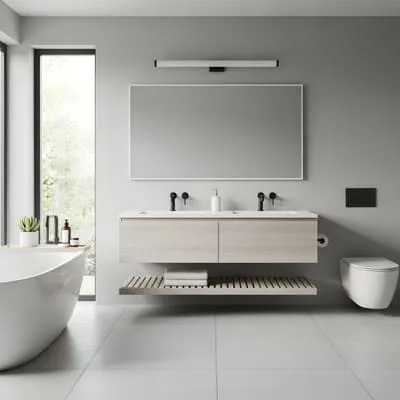
Together, these concepts form the cornerstone of a living environment designed to support calm, function, and adaptability.
In an era of increasing consumption and environmental urgency, embracing clutter-free living combined with strategic donation offers both ecological and psychological benefits. It counters the ongoing accumulation of unnecessary objects, reduces waste, and aligns residential design with principles of slow, intentional living that prioritize human experience over mere aesthetics.
Key Insights
- Clutter-free living is rooted in intentional selection, not minimalism for minimalism’s sake, focusing on function and well-being across home environments.
- Donating items responsibly extends their lifecycle, supports communities, and reduces landfill waste, making it a crucial step in sustainable home organization.
- Room-by-room strategies empower residents to assess needs contextually, creating systems that reflect real daily use, not idealized models.
- Architectural design principles support clutter-free spaces by integrating storage solutions that respect natural flow and human interaction.
- Successful clutter-free organization balances permanence and flexibility, adapting to changing household dynamics without sacrificing calm or purpose.
Why Clutter-Free and Donate Define Lasting Home Organization
Understanding clutter-free living begins with recognizing clutter as more than mess—it is the presence of items that disrupt functionality and psychological ease. Donate is not merely a disposal method but a deliberate act to redistribute value and reduce environmental impact. These principles shape how homes can be designed and lived in with intention.
Defining Clutter-Free: Beyond Tidying
Clutter-free means creating spaces where every item has a purpose or meaning, eliminating excess that detracts from usability. This goes beyond cleaning; it requires ongoing curation, informed by how spaces are actually used. Studies have linked clutter with increased cortisol levels and stress, emphasizing the need for environments that promote mental clarity. Hence, a clutter-free home is also a mental reset zone.
The Role of Donation in Sustainable Living
Donation is a critical step in the clutter-free workflow because it redirects unwanted but usable items into the community. According to the Environmental Protection Agency (EPA), about 30% of waste could be diverted through donation and reuse, substantially lowering carbon footprints. Effective donation requires understanding what local organizations accept and how to prepare items, ensuring they contribute positively to others rather than becoming waste.
Room-by-Room Strategies for Intentional Clutter-Free Design
Applying clutter-free and donation principles requires tailored approaches for each room, recognizing unique functions and user behaviors. This section outlines architectural and practical strategies that respect these differences while fostering harmony throughout the home.
Living Areas: Balancing Display and Function
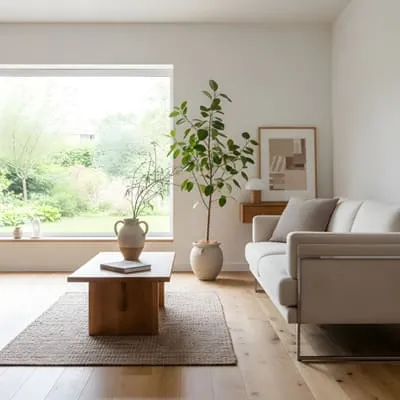
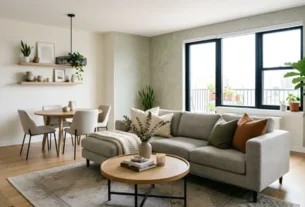
Living rooms often become catch-alls. To maintain clutter-free balance, integrate storage that complements traffic flow and limits surface accumulation.
Design built-ins or cabinetry that conceal items without isolating them from everyday use. Encourage donation cycles for items that no longer align with your lifestyle or aesthetic. For example, books or décor that no longer inspire can find new life elsewhere.
Kitchens and Pantries: Streamlining Daily Efficiency
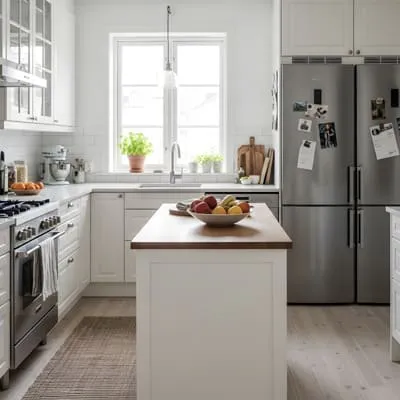
In kitchens, clutter impedes efficiency. Adopt a system where only frequently used tools and ingredients remain accessible. Excess duplicates or expired items should be removed and donated when possible.
Modular storage and clear labeling reduce visual noise, supporting focused cooking experiences. Donation here might include canned goods or appliances in good condition but no longer needed.
Architectural Principles Supporting Clutter-Free Living
Architecture shapes how clutter accumulates or dissipates. Thoughtful design anticipates storage, circulation, and sensory experience, making clutter-free living a built-in feature rather than an afterthought.
Integrated Storage Solutions
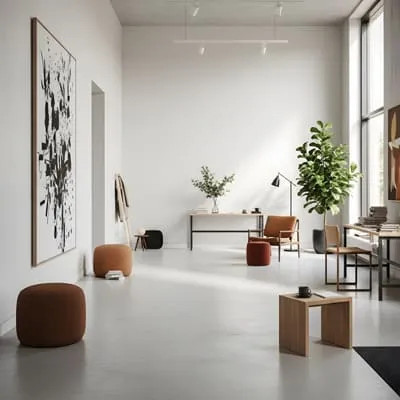
Architectural storage that blends invisibly into walls or furniture maintains spatial calm. For instance, recessed shelves or multi-functional furniture offer places for essentials without visual disruption. This method respects slow living principles by encouraging deliberate use and return of items, preventing clutter build-up.
Homes must adapt as household needs evolve. Flexible layouts and storage systems that can be reconfigured reduce premature disposal. This flexibility supports the donation cycle, as surplus items can be reassessed regularly without structural compromise. Architects who design with adaptability in mind facilitate a sustainable lifestyle intrinsically tied to clutter-free success.
Common Pitfalls in Achieving Clutter-Free and Successful Donation
Despite best intentions, many falter in maintaining clutter-free homes and effective donation practices. Identifying these pitfalls helps preempt setbacks and supports sustainable habits.
- Accumulating “maybe” items that create indecision and stalled donation efforts.
- Ignoring the emotional attachment that complicates letting go, leading to clutter retention.
- Failing to research donation centers’ policies, resulting in wasted effort or discarded goods.
- Overlooking room-specific needs and forcing uniform solutions that don’t fit practical use.
- Neglecting regular reassessment, which causes clutter to accumulate gradually over time.
Addressing these errors requires intentional reflection and systemization. For example, setting quarterly “donate days” ties decluttering to actionable deadlines, while consulting donation centers’ websites ensures compliance and efficiency.
How to Embed Clutter-Free and Donation Practices Into Your Daily Routine
Lasting change demands habits that integrate clutter-free and donation seamlessly into life, rather than sporadic efforts. This section translates theory into sustained practice.
Creating Donation Habits
Set up designated collection points for items to donate, making the process visible and accessible. This reduces friction and increases follow-through. Pair donations with community outreach by choosing organizations aligned with your values, reinforcing the positive impact of your actions.
Maintaining Clutter-Free Discipline
Adopt a “one-in, one-out” rule to prevent accumulation. Use checklists for each room to periodically evaluate possessions against use and need. Embrace slow living by resisting impulse acquisitions and favoring quality over quantity, which naturally limits clutter.
Leveraging Technology and Design
Use digital inventories or apps to track possessions and donation activities, providing clarity and motivation. Architecturally, design spaces that encourage routine tidiness through accessible storage and natural lighting, which psychologically supports order and calm.
Next Steps for Implementing Clutter-Free and Donation in Your Home
Implementing clutter-free living combined with intentional donation is a transformative process. Begin by assessing your space honestly, identifying areas where clutter disrupts flow and well-being. Prioritize donation as a meaningful act, not just disposal, linking your choices to environmental and social benefits.

Design interventions should support these efforts through adaptable storage and spatial clarity. Commit to regular review cycles to maintain momentum, recognizing that clutter-free living is dynamic, not static. With patience and discipline, your home can become a model of calm, intentional living that honors both human needs and planetary limits.
Ultimately, the combination of clutter-free principles and donation practices offers a profound opportunity to reshape how we inhabit our homes—and our world.
Frequently Asked Questions (FAQ)
What Items Are Best Suited for Donation in a Clutter-Free Home?
Items that are gently used, functional, and clean are ideal for donation. This includes clothing, furniture, books, kitchenware, and electronics that still serve a purpose but no longer fit your needs. Avoid donating broken or heavily worn goods, as these often cannot be reused and may be discarded by charities. Research local donation centers to confirm accepted items, ensuring your donations make a positive impact and reduce landfill contributions.
How Often Should I Review My Home for Clutter and Donation Opportunities?
Regular reviews are essential to maintain a clutter-free environment. A quarterly assessment balances frequency and feasibility, allowing you to identify items no longer useful and prepare them for donation. Some high-traffic areas may require monthly attention, while less-used spaces might only need biannual checks. Consistency is key—regularly scheduled reviews prevent clutter build-up and support sustainable habits over time.
Can Architectural Design Truly Influence Clutter-Free Living?
Yes, architectural design has a significant impact on clutter management. Thoughtful design integrates storage solutions that blend with the home’s aesthetic and function, reducing visual noise and improving usability. Flexible layouts allow spaces to adapt to changing needs, reducing the temptation to accumulate unnecessary items. Natural light and clear circulation paths also contribute to psychological calm, encouraging residents to maintain order and intentionality in their living spaces.
What Are Common Emotional Barriers to Donating Items, and How Can I Overcome Them?
Emotional attachment to objects often hinders donation efforts. Sentimental value, guilt, or fear of future need can cause hesitation. Overcoming these barriers requires reframing: focus on the item’s potential to improve someone else’s life rather than its past meaning. Creating a “waiting period” box for uncertain items helps clarify attachment over time. Counseling or support groups for decluttering can also provide encouragement and guidance.
How Does Donation Contribute to Environmental Sustainability Within a Residential Context?
Donation extends the life cycle of goods, reducing demand for new products and lowering waste. This decreases the environmental impact from manufacturing, transportation, and disposal. In homes, donating items prevents accumulation that often leads to landfill waste, which contributes to greenhouse gas emissions. By circulating usable goods within communities, donation fosters a circular economy, aligning residential living with broader climate and resource conservation goals.

Architect with extensive experience in residential and commercial design, including renovations and modular construction. Love to share information about Architecture, home and lifestyle in this blog.