Last updated on October 12th, 2026 at 07:51 am
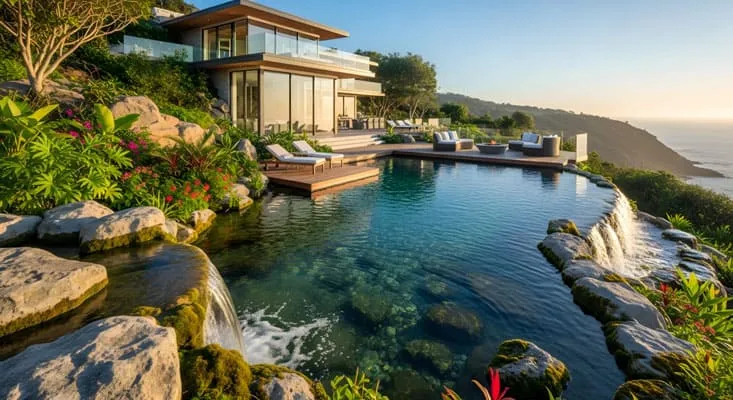
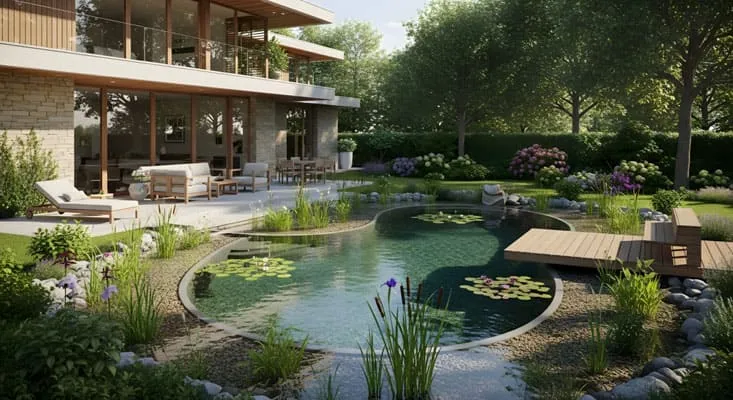
Natural pool construction principles for residential homes are essential for creating sustainable, eco-friendly aquatic environments that blend seamlessly with the landscape. Understanding the material, types, price, durability, and construction methods is crucial for homeowners seeking a lasting and functional natural pool. This approach not only enhances property value but also promotes environmental harmony.
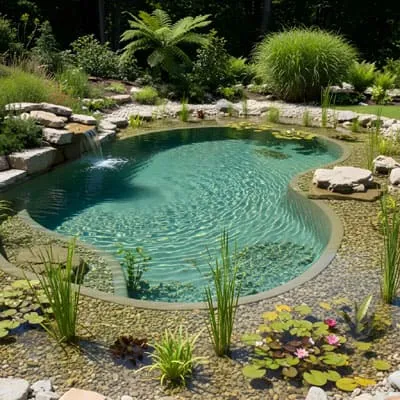
With increasing demand for chemical-free and low-maintenance swimming options, natural pools offer a viable alternative to traditional pools while addressing climate considerations and human-centered design. The choice of construction materials, pool types, cost factors, and durability directly influences the pool’s performance and longevity.
This article explores the core principles of natural pool construction, focusing on material selection, types of natural pools, price considerations, and durability factors. It provides an architectural perspective grounded in practical living, aiming to guide homeowners and professionals toward informed decisions.
Understanding Materials in Natural Pool Construction
Essential Building Materials for Natural Pools
The foundation of any natural pool lies in selecting appropriate materials that ensure structural integrity and environmental compatibility. Common materials include concrete, reinforced liners, natural stone, and clay, each offering distinct benefits and limitations. Concrete provides durability and form stability, while liners offer flexibility and water retention.
Natural stone adds aesthetic value and blends with surroundings, supporting the pool’s ecological balance. Clay liners present a more traditional, natural option but may require additional maintenance. Choosing the right materials directly affects the pool’s lifespan and interaction with natural filtration systems.
Material choices also influence construction techniques and costs, making it imperative to align selection with site conditions and desired pool type.
Material Sustainability and Environmental Impact
Natural pool construction prioritizes materials with low environmental footprints. Sustainable sourcing and recyclable or biodegradable options reduce ecological impact. For instance, locally quarried stones minimize transportation emissions, and non-toxic sealants preserve water quality.
Designers must consider lifecycle assessments to balance durability with sustainability. Materials like natural wood and bio-composites can complement pool surroundings while maintaining ecological integrity. Using permeable materials in surrounding landscaping enhances groundwater recharge and supports native flora.
Such material choices contribute to climate-aware construction practices, aligning with broader environmental goals.
Material Performance and Longevity Factors
Durability is paramount in natural pool materials to ensure resistance against water erosion, UV exposure, and biological growth. Concrete mixes with additives enhance strength and prevent cracking, while high-quality liners resist punctures and UV damage for extended periods.
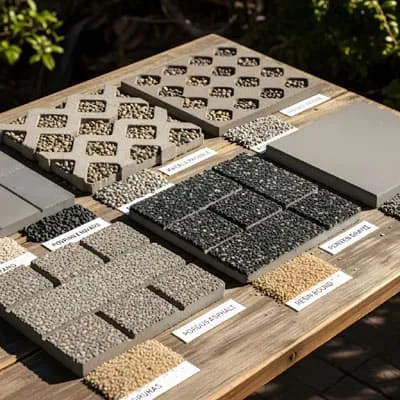
Stone materials vary in hardness and porosity, affecting their ability to withstand freeze-thaw cycles and algae growth. Proper sealing and maintenance extend longevity. Understanding how materials age in specific climates helps optimize pool performance and reduce repair costs.
Regular inspection and targeted material reinforcement can prevent premature deterioration.
Exploring Different Types of Natural Pools
Common Natural Pool Designs and Varieties
- Regeneration Zone Pools: Separate filtration zones with aquatic plants.
- Integrated Biofilters: Pools with built-in biological filtration systems.
- Swimming Ponds: Larger pools designed for both swimming and wildlife.
- Plunge Natural Pools: Compact pools focused on relaxation and cooling.
- Natural Water Gardens: Aesthetic pools emphasizing biodiversity.
Each type varies in complexity, maintenance needs, and spatial requirements. Homeowners must balance aesthetic preferences with functional goals and site constraints.
Choosing the appropriate natural pool type ensures compatibility with local climate and landscape, fostering sustainable water use and natural purification.
Comparing Types Based on Material and Construction
Natural pools differ in their reliance on materials like concrete shells, synthetic liners, or earthen basins. Regeneration zone pools often use liners combined with gravel beds and aquatic plants, while swimming ponds may incorporate natural clay liners and stone edging.
Construction complexity varies: some pools require advanced hydraulic engineering for circulation, while others depend on passive flow systems. Material choice influences structural requirements and integration with surrounding ecosystems.
Understanding these distinctions aids in selecting a pool type that aligns with durability and maintenance expectations.
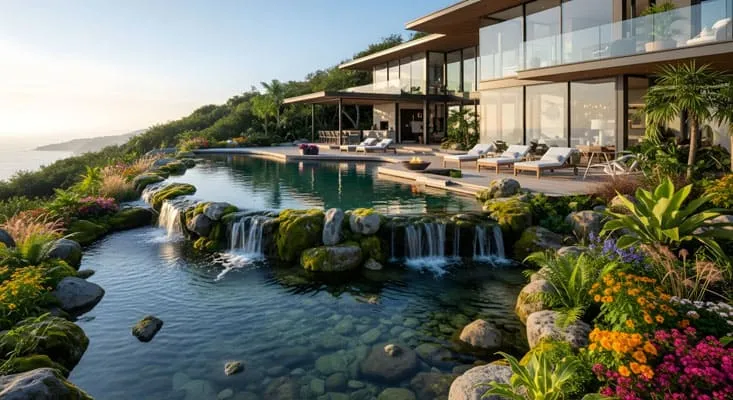
Price Range Differences Among Natural Pool Types
Natural pool costs fluctuate based on size, materials, filtration methods, and landscaping. Regeneration zone pools typically incur higher initial costs due to complex filtration infrastructure. Simpler plunge pools demand less investment but offer limited ecological function.
Factors such as excavation, liner quality, and plant installation affect pricing. Maintenance costs also vary, with biofilter systems requiring periodic renewal of plants and substrates.
Budget planning must account for both upfront and long-term expenses to ensure sustainable ownership.
| Natural Pool Type | Estimated Price Range | Maintenance Level |
|---|---|---|
| Regeneration Zone Pool | $40,000 – $70,000 | High |
| Swimming Pond | $30,000 – $60,000 | Medium |
| Plunge Natural Pool | $15,000 – $30,000 | Low |
Price Factors in Natural Pool Construction
Material Costs and Their Influence on Budget
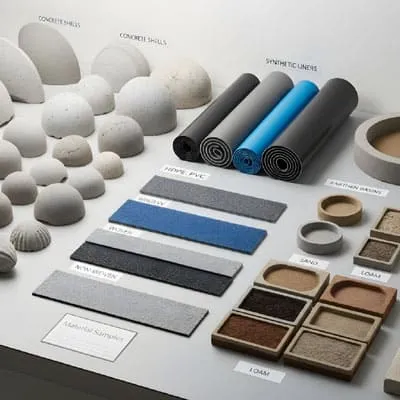
Material expenses constitute a significant portion of the total pool cost. Premium materials elevate durability but increase upfront investment. Economical options may reduce initial cost but could risk shorter lifespan or higher maintenance.
Balancing material quality with budget constraints is essential for long-term value and performance. Check this options:
- Concrete and reinforcement materials
- High-quality liners and sealants
- Natural stone and gravel supply
- Aquatic plants and biofilters
- Excavation and site preparation
Labor and Installation Costs
Construction labor varies depending on the complexity of the pool design and local market rates. Skilled workers are required for precise excavation, material installation, and biofilter setup. Labor-intensive tasks, such as stone masonry or hydraulic system integration, increase costs.
Specialized expertise in natural pool construction ensures optimal performance but may come at premium rates. Homeowners should consider labor quality as an investment in durability and function.
Efficient project management and vendor selection can optimize labor expenses.
Maintenance and Operational Expenses
Natural pools reduce chemical usage but require ongoing care for biological filtration systems, plant health, and water quality. Seasonal cleaning, plant replacement, and equipment checks contribute to operational costs.
Energy consumption for pumps and filters must be factored in, with some systems designed for low power use. Anticipating these costs supports sustainable pool ownership.
Regular maintenance extends pool lifespan and ensures user safety and comfort.
| Cost Component | Estimated Range | Notes |
|---|---|---|
| Materials | $20,000 – $50,000 | Depends on quality and type |
| Labor | $10,000 – $30,000 | Varies with complexity |
| Maintenance (Annual) | $1,000 – $3,000 | Includes plants and equipment |
Durability Considerations for Long-Lasting Natural Pools
Factors Affecting Structural Durability
Natural pools must endure environmental stresses such as freeze-thaw cycles, water pressure, and UV exposure. Using additives in concrete mixes improves resistance to cracking. Liners should be UV stabilized and puncture-resistant for longevity.
Proper drainage around the pool prevents soil erosion and structural shifting. Stone and clay materials require careful selection based on local climate conditions to avoid degradation.
Frequent inspection and preventative maintenance mitigate risks of damage and extend structural life.
Biological Durability and Ecosystem Stability
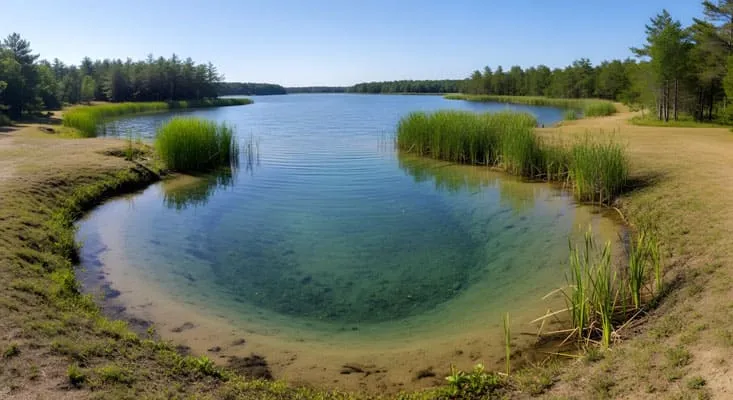
A stable aquatic ecosystem supports pool durability by maintaining water clarity and preventing algae overgrowth. Balanced plant populations and natural filtration reduce the need for mechanical intervention.
Introducing native species encourages ecological resilience and reduces invasive plant risks. Monitoring nutrient levels prevents eutrophication, which can degrade pool surfaces and materials.
Long-term biological health is key to sustainable pool operation and user safety.
Design Strategies to Enhance Durability
Architectural design plays a critical role in enhancing natural pool durability. Incorporating gradual slopes, overflow systems, and shaded areas reduces wear and stress on materials. Integrating passive solar heating can moderate temperature fluctuations.
Using modular components simplifies repairs and upgrades. Selecting corrosion-resistant fixtures and fittings prevents premature failure.
Intentional, climate-aware design extends pool life and minimizes environmental impact.
Material Innovations in Natural Pool Construction
Emerging Eco-Friendly Materials
- Bio-based composites
- Recycled rubber liners
- Natural hydraulic lime mortars
- Permeable paving stones
- Algae-resistant coatings
Innovations focus on reducing carbon footprint and enhancing compatibility with aquatic ecosystems. These materials often offer improved flexibility, reduced toxicity, and better integration with natural filtration systems.
Adopting new materials can contribute to cost savings over time and improve the pool’s ecological performance.
Advantages of Advanced Material Technologies
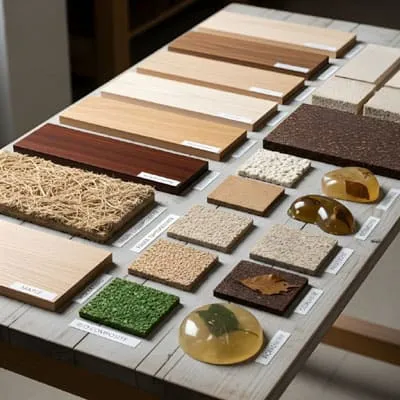
Advanced materials provide superior resistance to environmental challenges, such as microbial degradation and UV damage. They also enable more precise construction tolerances and easier installation.
Technologies like self-healing concrete and nanocoatings enhance structural integrity and waterproofing. These innovations reduce maintenance frequency and extend functional lifespan.
Incorporating such materials aligns with climate-aware, slow design philosophies.
Challenges and Considerations for New Materials
Despite their benefits, innovative materials may have higher upfront costs and limited availability. Compatibility with existing construction methods and local regulations must be evaluated.
Long-term performance data is often limited, requiring cautious implementation. Training for contractors and architects on new materials is essential for success.
Careful assessment ensures innovations complement traditional materials without compromising durability.
Cost-Benefit Analysis of Material Choices
Balancing Initial Investment with Longevity
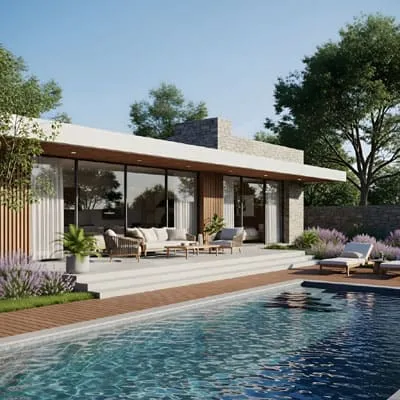
Investing in higher-quality materials typically results in lower maintenance and repair costs over the pool’s lifetime. While premium options demand more upfront capital, they reduce risks of structural failure and water quality issues.
Homeowners should weigh short-term savings against potential long-term expenses. Durable materials contribute to sustainable, cost-effective pool ownership.
Financial planning must consider lifecycle costs rather than just construction price.
Impact of Material Durability on Resale Value
Natural pools constructed with durable, high-quality materials enhance property value and appeal to environmentally conscious buyers. Pools with visible wear or frequent maintenance needs may deter potential purchasers.
Durability signals quality and longevity, supporting premium pricing in real estate markets. Transparent documentation of material choices and maintenance routines builds buyer confidence.
Architectural integrity influences both marketability and user satisfaction.
Environmental and Economic Trade-Offs
- High durability materials often require more energy-intensive production.
- Eco-friendly materials may reduce environmental impact but cost more initially.
- Maintenance frequency affects operational costs and resource use.
- Local sourcing reduces transportation emissions and supports the economy.
Balancing these factors requires an integrated approach considering climate, budget, and design goals.
| Material Type | Durability | Approximate Cost |
|---|---|---|
| Concrete with Additives | High (30+ years) | $$$ |
| Reinforced Liners | Medium (10-20 years) | $$ |
| Natural Stone | High (25+ years) | $$$ |
Maintenance and Longevity Strategies
Routine Care for Material Preservation
Maintaining natural pools involves regular cleaning of debris, inspecting liners and seals, and managing aquatic plant health. Preventative maintenance identifies issues early, minimizing costly repairs.
Seasonal adjustments, such as winterizing components, protect materials from weather damage. Using non-toxic cleaning agents preserves ecological balance and material integrity.
A proactive maintenance schedule extends pool lifespan and supports water quality.
Effective Management of Biological Systems
Balancing microbial populations and nutrient levels prevents algae blooms and sediment buildup. Introducing beneficial bacteria and maintaining plant diversity enhances natural filtration.
Regular monitoring of water chemistry ensures healthy ecosystem dynamics. Adjusting plant species based on seasonal changes supports durability.
Biological system management complements structural maintenance to sustain pool function.
Long-Term Planning for Upgrades and Repairs
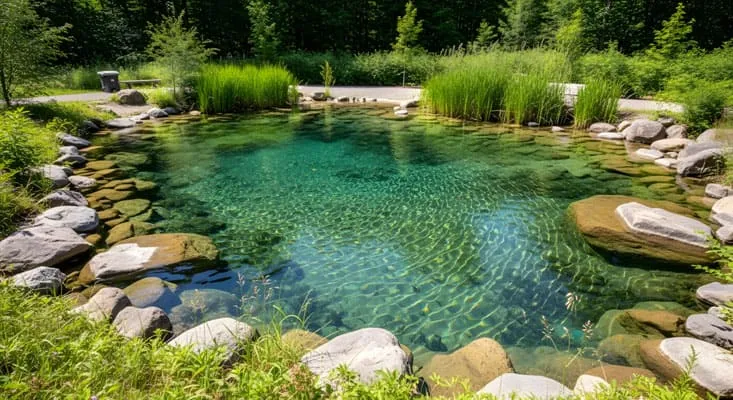
Designing pools with modular components allows for easier upgrades and part replacement. Planning for periodic liner replacement or stone resealing ensures continuous durability.
Incorporating flexible infrastructure accommodates future technological improvements in filtration and circulation. Budgeting for long-term care reduces unexpected expenses.
Intentional, slow design principles guide sustainable maintenance practices.
Your new pool
Natural pool construction for residential homes demands a deep understanding of material, types, price, and durability to achieve sustainable, climate-aware aquatic environments. Selecting appropriate materials and pool types influences cost, performance, and lifespan, directly impacting user experience and environmental harmony.
By integrating thoughtful design, advanced materials, and diligent maintenance, homeowners can create natural pools that are not only beautiful and functional but also resilient and eco-friendly. Embracing these principles ensures a lasting investment in healthful living spaces and responsible stewardship of natural resources.
Frequently Asked Questions (FAQ)
What Materials Are Best for Long-lasting Natural Pools?
The best materials for durable natural pools include reinforced concrete with additives, high-quality synthetic liners, and natural stone. These materials resist environmental stresses such as UV exposure, freezing, and water pressure. Proper sealing and maintenance further enhance lifespan.
How Do Different Natural Pool Types Affect Construction Cost?
Natural pool types vary in complexity, influencing costs. Regeneration zone pools with biological filtration are more expensive due to advanced systems, while plunge pools are simpler and less costly. Material choice and site conditions also impact total expenses.
What Maintenance is Required to Ensure Pool Durability?
Routine maintenance involves cleaning debris, managing aquatic plants, inspecting liners, and monitoring water quality. Seasonal care like winterizing and non-toxic treatments preserve materials and ecosystem health, preventing premature deterioration.
Are Eco-friendly Materials More Expensive for Natural Pools?
Eco-friendly materials may have higher upfront costs due to specialized production and sourcing. However, they often provide long-term savings through durability, reduced maintenance, and environmental benefits, aligning with sustainable construction goals.
Can Natural Pools Increase Property Value?
Yes, natural pools built with durable materials and thoughtful design can enhance property appeal and value. They attract buyers seeking eco-conscious and low-maintenance swimming options, especially when well-maintained and integrated with the landscape.
Sources: Natural Pools Official, ArchDaily, EPA – Sustainable Construction

Architect with extensive experience in residential and commercial design, including renovations and modular construction. Love to share information about Architecture, home and lifestyle in this blog.