Last updated on September 14th, 2026 at 08:32 pm
Understanding the various types of pipes and the technology behind them is essential for architects, engineers, and builders aiming to design efficient and sustainable residential systems. Irrigation Systems play a crucial role in water supply, drainage, and heating, influencing both the functionality and longevity of a building’s infrastructure. Recognizing the materials and technological advances in pipe manufacturing helps optimize performance and reduce environmental impact.
The challenge lies in selecting the right type of pipe and integrating modern technologies to meet climate-aware and human-centered design principles. This includes considering durability, ease of installation, and compatibility with smart systems that enhance water management. As climate concerns intensify, leveraging innovative pipe technology is an opportunity to build resilient and sustainable homes worldwide.
This article explores the most relevant types of pipes and the latest technological advancements. We will analyze materials, applications, benefits, and how these choices support architectural goals focused on intention, calm, and long-term performance.
Common Varieties of Pipes in Residential Construction
Traditional Metal Pipes and Their Applications
Metal pipes, such as copper, steel, and galvanized iron, have been foundational in residential plumbing for decades. Copper pipes are prized for their durability and resistance to corrosion, making them ideal for water supply lines. Steel pipes, especially galvanized steel, offer strength but are prone to rust over time, reducing lifespan. Each metal type requires specific installation techniques to ensure longevity and leak prevention.
Despite their robustness, metal pipes can be costly and labor-intensive to install. They also conduct heat, which can be a disadvantage in some climate conditions. Nevertheless, metal remains preferred in applications demanding high pressure resistance and fire safety compliance.
Incorporating metal pipes in homes requires understanding their properties to balance cost, performance, and sustainability.
Plastic Pipes Revolutionizing Plumbing Systems
Plastic pipes, including PVC (Polyvinyl Chloride), CPVCU (Chlorinated Polyvinyl Chloride) , and PEX( Cross-linked Polyethylene), have transformed residential plumbing by offering lightweight, corrosion-resistant, and flexible alternatives. PVC (polyvinyl chloride) is widely used for drain, waste, and vent systems due to its affordability and ease of installation. CPVC (chlorinated PVC) can handle higher temperatures, making it suitable for hot water lines.
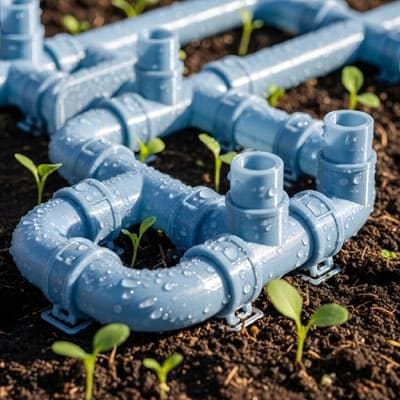
PEX (cross-linked polyethylene) is highly flexible and resistant to scale and chlorine, ideal for both hot and cold water distribution. Its adaptability to complex layouts reduces the need for fittings, decreasing leak risks.
Plastic pipes also provide better thermal insulation, contributing to energy efficiency.
The technology behind plastic pipes continues to evolve with improvements in durability and environmental impact, making them a popular choice in modern residential construction.
Composite Pipes Integrating Multiple Materials
Composite pipes combine the strengths of various materials to optimize performance. Commonly, multilayer pipes use a plastic core with metal or aluminum layers, enhancing flexibility, pressure resistance, and lifespan. These pipes are particularly effective in radiant heating systems and potable water supply.
Composite pipes reduce the disadvantages of single-material pipes by balancing corrosion resistance, thermal conductivity, and mechanical strength. Their design allows for easier installation, fewer joints, and better adaptability to temperature fluctuations.
As composite pipe technology advances, their use in residential systems is growing, favored for their efficiency and reliability in climate-adaptive designs.
Innovative Pipe Technologies Enhancing Plumbing Systems
Smart Pipe Systems with Integrated Sensors
Smart pipe technology integrates sensors to monitor flow rates, pressure, and water quality in real-time. These systems detect leaks early and optimize water usage, aligning with sustainable building practices. Sensors can communicate with home automation systems, alerting homeowners and maintenance professionals promptly.
- Real-time flow monitoring
- Leak detection and alerts
- Pressure regulation
- Water quality assessment
- Remote system management
Such innovations enhance water conservation efforts and reduce maintenance costs, critical for climate-aware residential designs.
Advanced Coatings and Corrosion Resistance Technologies
Modern pipes benefit from coatings that extend their lifespan and improve performance. Epoxy, polyethylene, and cement mortar coatings protect metal pipes from corrosion, scaling, and chemical degradation. These coatings ensure water purity and structural integrity over decades.
Technological advancements in coating materials also reduce installation downtime and environmental footprint by avoiding frequent replacements. Coating technology is crucial for pipes exposed to aggressive soil or water conditions.
Choosing the appropriate coating technology depends on pipe material, application, and local environmental factors.
Prefabrication and Modular Pipe Systems
Prefabricated and modular pipe systems allow offsite manufacturing of standardized segments, accelerating installation and reducing onsite labor. These systems improve quality control and minimize waste, fitting well with slow, intentional architectural processes.
Modular designs facilitate easier upgrades and maintenance, adapting to evolving residential needs and technologies. They also enable integration with smart irrigation and heating systems, enhancing overall building performance.
Incorporating prefabricated pipes aligns with sustainable construction by optimizing resource use and reducing project timelines.
| Technology | Benefits | Typical Applications |
|---|---|---|
| Smart Sensors | Leak detection, water efficiency, real-time monitoring | Residential plumbing, irrigation |
| Advanced Coatings | Corrosion resistance, longer lifespan | Metal pipes, harsh environments |
| Modular Systems | Faster installation, quality control | New builds, renovations |
Material Selection Based on Climate Considerations
Durability in Cold and Freezing Conditions
Choosing pipe materials that withstand cold climates is vital to prevent freezing and bursting. PEX pipes excel due to their flexibility and freeze resistance, reducing costly repairs. Metal pipes often require additional insulation and protection in these environments.
Climate-adapted design integrates pipe routing and insulation techniques, minimizing exposure to cold air. Including freeze-proof valves and pressure relief systems adds resilience to the plumbing network.
Understanding local climate risks guides the selection of pipe materials and installation methods to ensure durability and reliability.
Heat Resistance for Hot Climates
In warmer regions, pipe materials must endure high temperatures and UV exposure. CPVC and certain composites tolerate heat better than standard PVC, maintaining structural integrity under stress. Metal pipes like copper also perform well but may require insulation to prevent heat loss.
Sunlight exposure can degrade plastic pipes if not properly shielded. Designers must consider shading, burial depth, or UV-resistant coatings to prolong pipe life.
Proper material selection reduces maintenance and supports sustainable water management in hot climates.
Corrosion Risk and Soil Interaction
Soil chemistry varies internationally, affecting pipe corrosion rates. Acidic or alkaline soils accelerate metal pipe degradation, necessitating corrosion-resistant materials or protective coatings. Plastic and composite pipes offer superior resistance in corrosive environments.
Conducting soil analysis before installation informs material choices and protective measures, preventing premature failures. Cathodic protection systems may be employed for metal pipes in aggressive soils.
Addressing corrosion risk enhances system longevity and reduces environmental impact.
Installation Techniques and Best Practices
Trenching and Burial Considerations
Proper trenching depth and soil compaction are critical for pipe protection and longevity. Pipes must be placed below frost lines in cold climates to prevent freezing.
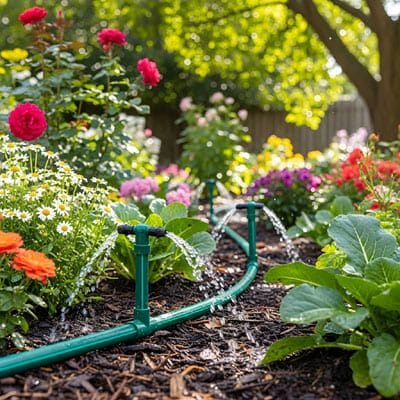
Bedding material, such as sand or fine gravel, cushions pipes and prevents damage from shifting soil.
Technological advances include laser-guided trenching and GPS mapping to optimize pipe placement and reduce disturbances. These methods support intentional and calm construction processes with minimal environmental impact.
Adhering to best practices ensures functional and durable pipe installations aligned with architectural goals.
Joining Methods and Leak Prevention
Reliable pipe joining is essential to prevent leaks and maintain system integrity. Techniques vary by material: soldering for copper, solvent welding for PVC/CPVC, and mechanical fittings for PEX and composites. Innovations include push-fit and press fittings that speed installation without compromising quality.
Correct training and quality control during joining reduce future maintenance. Leak detection sensors complement these methods by identifying issues early.
Choosing the appropriate joining method supports system durability and user confidence.
Integration with Smart Home Systems
Modern residential plumbing increasingly integrates with smart home technology. Pipes equipped with sensors connect to home automation platforms, enabling remote monitoring and control. This integration supports sustainable water use and proactive maintenance.
Installation must consider access points for sensors and wireless communication reliability. Collaboration between architects, plumbers, and technology providers ensures seamless system functionality.
Smart integration elevates residential infrastructure to meet contemporary living standards and environmental goals.
| Joining Method | Suitable Pipe Types | Advantages |
|---|---|---|
| Soldering | Copper | Strong, leak-proof joints |
| Solvent Welding | PVC, CPVC | Quick, chemical bond |
| Push-Fit | PEX, Composite | Tool-free, fast |
Environmental Impact and Sustainability of Pipe Materials
Life Cycle Analysis of Common Pipe Materials
Evaluating the environmental footprint of pipe materials includes extraction, manufacturing, installation, use, and disposal phases. Metal pipes like copper have high embodied energy but are often recyclable. Plastic pipes consume less energy to produce but pose challenges in end-of-life management.
Composite pipes balance material use but can complicate recycling due to mixed components. Life cycle analysis informs responsible material selection aligned with climate-aware building practices.
Architects and builders must weigh trade-offs to minimize environmental impact across a pipe’s lifespan.
Water Conservation Through Efficient Pipe Design
Pipe diameter, layout, and material influence water pressure and flow efficiency. Properly sized pipes reduce energy consumption for pumping and minimize water loss. Smooth internal surfaces in plastic pipes decrease friction, enhancing flow rate.
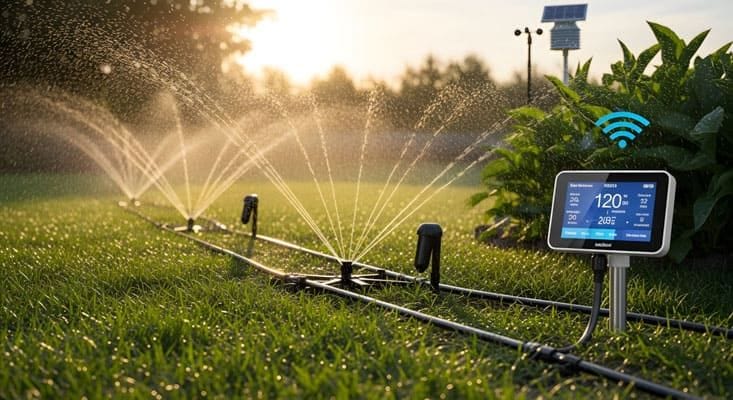
Innovations like smart pipes enable dynamic control of water delivery, reducing waste. These technologies support sustainable water management in residential landscapes and irrigation systems.
Intentional design of pipe systems contributes significantly to overall water conservation goals.
Recycling and End-of-Life Options
Recycling of pipe materials is critical to reducing construction waste. Copper and steel pipes have well-established recycling streams, recovering valuable metals. Plastic pipes require sorting and specialized processes to be repurposed effectively.
Advances in biodegradable and bio-based plastics show promise but are not yet widespread. Designing for disassembly and reuse aligns with slow, sustainable architecture principles.
End-of-life planning for pipes ensures responsible stewardship of resources and reduces landfill impact.
Emerging Trends in Pipe Technology and Materials
Nanotechnology and Coating Enhancements
Nanotechnology introduces coatings with self-cleaning, anti-bacterial, and enhanced corrosion resistance properties. These innovative layers extend pipe life and improve water quality by inhibiting biofilm formation. Nano-coatings also reduce friction, improving hydraulic efficiency.
Research continues to optimize these materials for cost-effectiveness and environmental safety. Adoption of nanotech coatings may redefine standards in residential plumbing.
Such progress aligns with human-centered design by promoting healthier and more reliable water systems.
3D Printing in Pipe Fabrication
3D printing technology allows custom pipe components and fittings with complex geometries tailored to specific site conditions. This reduces waste and accelerates prototyping of pipe systems. Additive manufacturing supports modular construction and rapid repairs.
While still emerging, 3D printed pipes hold potential for innovative water management solutions, especially in retrofit projects and remote locations.
Architects and engineers should monitor this trend for future integration opportunities.
Biodegradable and Eco-Friendly Pipe Materials

Bioplastics and plant-based composites are being developed to reduce reliance on fossil fuels and improve biodegradability.
These materials aim to maintain performance while minimizing environmental footprint. Current challenges include durability and cost.
Pilot projects explore their application in non-pressurized or temporary irrigation systems. Continued innovation may soon make them viable for broader residential use.
Eco-friendly pipes reflect a growing commitment to sustainable and climate-resilient architecture.
Maintenance and Longevity of Pipe Systems
Routine Inspection and Preventive Care
Regular inspection of pipe systems ensures early detection of wear, corrosion, and leaks. Techniques include visual checks, pressure testing, and smart sensor data analysis. Preventive maintenance extends pipe lifespan and reduces emergency repairs.
Scheduling inspections according to pipe material and environmental conditions optimizes resource use and supports calm, intentional home management.
Educating homeowners and maintenance staff about best practices is essential for system health.
Repair Techniques and Technologies
Modern repair methods include trenchless technologies such as pipe relining, slip lining, and cured-in-place pipe (CIPP). These approaches minimize disruption and preserve landscaping and structural elements. Spot repairs use epoxy coatings and clamps to address localized damage.
Integration with smart monitoring alerts users to repair needs promptly, reducing water loss and property damage.
Choosing appropriate repair methods depends on pipe type, damage extent, and budget considerations.
Extending Service Life Through Upgrades
Upgrading pipe systems with advanced materials or smart technologies can significantly extend service life. Replacing outdated metal pipes with PEX ( Cross-linked Polyethylene) or composites reduces corrosion issues. Adding sensor networks facilitates proactive management.
Incremental upgrades align with slow architecture principles, allowing adaptation without full system replacement. This approach balances performance, cost, and environmental responsibility.
Long-term planning for pipe system upgrades ensures sustainable and resilient residential infrastructure.
Pipes and Technology for Irrigation
Exploring the various types of pipes and the evolving technology behind them reveals a landscape rich with opportunities for sustainable, efficient, and human-centered residential design. Selecting the right pipe materials and integrating smart technologies enhances durability, water conservation, and climate resilience. This approach supports architectural goals that prioritize calmness, intention, and long-term performance.
By understanding the benefits and applications of metal, plastic, and composite pipes, along with innovative installation and maintenance methods, architects and builders can create plumbing systems that truly reflect how people live. Embracing these technologies invites a thoughtful and future-proof approach to residential infrastructure.
Frequently Asked Questions ( FAQ)
What Are the Main Types of Pipes Used in Residential Plumbing?
Residential plumbing typically uses copper, PVC, CPVC, PEX, and composite pipes. Each material offers different benefits such as durability, flexibility, corrosion resistance, and ease of installation, making them suitable for various applications like water supply and drainage.
How Does Smart Pipe Technology Improve Water Management?
Smart pipes integrate sensors that monitor flow, pressure, and leaks in real-time. This technology helps detect issues early, optimize water usage, and reduce waste, supporting sustainable water management and reducing maintenance costs in residential systems.
What Factors Influence the Choice of Pipe Material in Different Climates?
Climate influences pipe selection based on temperature tolerance, freeze resistance, UV exposure, and soil corrosion risk. For example, PEX is favored in cold climates for freeze resistance, while CPVC is better suited for hot climates due to heat tolerance.
Are Plastic Pipes Environmentally Friendly Compared to Metal Pipes?
Plastic pipes generally have a lower production energy footprint and resist corrosion, but they pose recycling challenges. Metal pipes like copper are recyclable but have higher embodied energy. Life cycle analysis helps determine the overall environmental impact of each material.
How Can Proper Maintenance Extend the Life of Pipe Systems?
Routine inspections, timely repairs, and preventive care prevent leaks and corrosion, significantly extending pipe lifespan. Utilizing smart monitoring systems further aids in early problem detection, reducing costly failures and supporting system longevity.

Architect with extensive experience in residential and commercial design, including renovations and modular construction. Love to share information about Architecture, home and lifestyle in this blog.