Last updated on September 14th, 2026 at 07:49 pm
Religion, ritual, and faith form the foundation of many individuals’ lives, shaping worldviews and cultural practices. Understanding these concepts is crucial for exploring how humans seek meaning, community, and connection in their daily routines. These elements influence behavior, social structures, and even residential architecture designed for living and worship.
The relationship between religion, ritual, and faith presents a profound opportunity to examine how built environments accommodate spiritual practices and everyday rituals. This intersection highlights the role of intentional design that respects cultural nuances while fostering calm and purposeful living. By considering these factors, architects and planners can create spaces that nurture both individual and collective experiences.
This article delves into the multifaceted aspects of religion, ritual, and faith, exploring their influence on architecture, human-centered design, and cultural continuity. It will address themes such as ritual spaces, the embodiment of faith in built environments, and the slow, intentional rhythms that define spiritual and residential life.
Exploring the Essence of Religion in Built Environments
Defining Religion and Its Spatial Dimensions
Religion is a complex system of beliefs and practices centered around the sacred and the divine. It often manifests physically through dedicated spaces like temples, churches, mosques, and shrines. These environments are carefully designed to evoke reverence, community, and a connection to the transcendent. Understanding the spatial needs of religious practice is essential to fostering meaningful experiences.
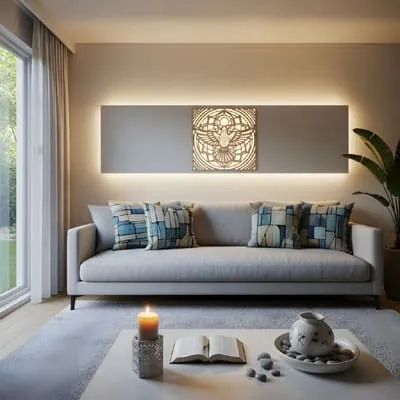
In residential contexts, incorporating elements of religion requires sensitivity to privacy, symbolism, and functionality. Spaces for meditation or prayer should be calm and intentional, allowing occupants to engage in rituals without distraction. This integration reflects a deeper understanding of how faith shapes daily living.
Architects who engage with religious spatial design must balance tradition with contemporary living needs, ensuring that spaces serve both spiritual and practical purposes. This balance fosters environments where faith is lived and expressed naturally.
Religion’s Role in Shaping Cultural Identity
Religious beliefs profoundly influence cultural identity, informing customs, festivals, and social behaviors. Architecture becomes a vessel for expressing these identities, embedding symbols and forms that resonate with community values. This cultural embedding helps preserve traditions and fosters a sense of belonging.
In multicultural societies, designing spaces that acknowledge diverse religious expressions promotes inclusivity and respect. Such designs encourage dialogue and understanding, weaving faith into the social fabric. The challenge lies in creating environments that honor multiple narratives while maintaining coherence.
Recognizing religion’s cultural role encourages architects to consider non-visual elements like acoustics, light, and materiality, which enhance spiritual ambiance and cultural resonance.
Architectural Responses to Religious Needs
Religious architecture varies widely, from monumental cathedrals to modest home altars. Each type responds uniquely to ritual requirements, spatial hierarchy, and symbolic meaning. Designing for religion demands knowledge of liturgical practices and an appreciation of sacred symbolism.
Innovative architectural solutions include flexible spaces that adapt to different rites and community gatherings. Incorporating natural elements and sustainable materials often aligns with religious principles valuing harmony with nature.
Ultimately, successful religious architecture creates spaces that support ritual acts while fostering emotional and spiritual well-being.
Ritual Practices and Their Influence on Space
Understanding Ritual as a Structured Practice
- Rituals are repeated actions with symbolic meaning.
- They create rhythm and order in daily life.
- Ritual spaces require intentional design for focus and calm.
- They often involve community participation and shared experience.
- Materials and sensory elements enhance ritual engagement.
Rituals structure moments in time, offering participants a sense of stability and meaning.
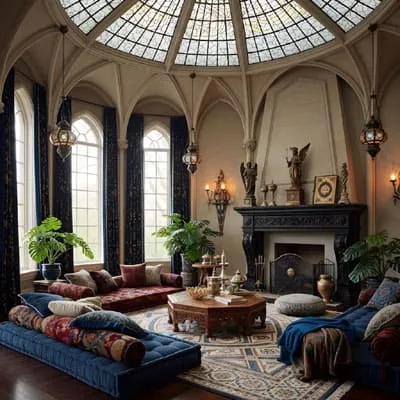
The spaces where rituals occur must reflect this order, often emphasizing simplicity and intentionality.
These environments allow individuals to fully immerse in the symbolic acts that define their faith traditions.
Designing for ritual involves considering circulation, sightlines, and acoustics to support collective and individual experiences. These factors contribute to creating spaces that feel sacred and grounded, even within residential settings.
Daily Rituals in Residential Architecture
In residential design, daily rituals such as morning prayers, meditation, or family meals shape the use of space. Architects who understand these routines can create environments that enhance comfort and spiritual practice. Spaces oriented to natural light and quietude support mindfulness and reflection.
Integrating ritual into home design encourages slow living and intentionality, counteracting the distractions of modern life. This approach fosters well-being and deepens the connection between occupants and their surroundings.
Flexible spaces that accommodate different ritual needs promote inclusivity and adaptability, recognizing that rituals evolve over time and vary among family members.
Materials and Sensory Elements in Ritual Spaces
The choice of materials and sensory stimuli profoundly affects the experience of ritual spaces. Natural textures like wood, stone, and fabric evoke warmth and grounding, while lighting can create an atmosphere of tranquility or reverence. Soundscapes, including silence or sacred music, further enrich ritual engagement.
These sensory elements contribute to the slow, intentional pace essential for meaningful ritual practice. Thoughtful material selection also supports sustainability and aligns with faith principles valuing stewardship of the earth.
Architects must balance durability with tactile and aesthetic qualities to create spaces that invite repeated use and spiritual connection.
| Material | Symbolic Meaning | Architectural Use |
|---|---|---|
| Wood | Growth, warmth, life | Altar tables, flooring, paneling |
| Stone | Strength, permanence | Foundations, walls, altars |
| Light | Divine presence, clarity | Windows, skylights, lamps |
Faith as a Living Experience in Design
The Personal Dimension of Faith in Space
- Faith shapes personal identity and daily habits.
- Private spaces for reflection support mental health.
- Architectural privacy balances openness and seclusion.
- Faith-inspired design fosters resilience and hope.
- Spaces can symbolically represent inner spiritual journeys.
- Personal altars or shrines create focal points for devotion.
Faith is deeply personal, influencing how individuals interact with their environment. Creating dedicated areas for contemplation or prayer within homes nurtures spiritual growth and emotional balance. These spaces should be adaptable to evolving faith expressions and personal needs.
Designers must respect the intimate nature of faith, ensuring privacy through sound insulation, visual barriers, and spatial separation. This approach enhances the authenticity of spiritual practices.
Community and Collective Faith Spaces
Communal faith spaces such as chapels, prayer rooms, and gathering halls facilitate shared rituals and social cohesion. These environments must accommodate diverse group sizes and activities, promoting inclusivity and accessibility. Thoughtful circulation and seating arrangements foster participation and connection.
Architectural elements like domes, arches, and iconography serve to unify congregants and symbolize shared beliefs. Flexibility in design allows spaces to evolve with community needs and interfaith dialogue.
Incorporating natural elements such as gardens and courtyards enhances the contemplative quality and supports outdoor rituals.
Faith and Sustainability in Architecture
Many faith traditions emphasize stewardship of the earth, aligning with sustainable architectural practices. Incorporating renewable energy, passive heating and cooling, and eco-friendly materials reflects these values. Such design promotes harmony between spiritual beliefs and environmental responsibility.
Faith-based communities increasingly demand green buildings that embody ethical principles. This trend encourages innovation in design strategies that are both spiritually meaningful and ecologically sound.
By aligning faith with sustainability, architects contribute to the long-term health of communities and the planet.
| Sustainability Feature | Faith Principle | Architectural Application |
|---|---|---|
| Solar Energy | Respect for creation | Rooftop panels, natural lighting |
| Rainwater Harvesting | Resource stewardship | Garden irrigation, water reuse |
| Natural Ventilation | Harmony with nature | Operable windows, cross-ventilation |
Interpreting Ritual Through Architectural Symbolism
Symbolism as a Language in Design
- Symbols communicate beliefs beyond words.
- Architectural forms embody spiritual narratives.
- Colors and patterns evoke emotional responses.
- Light and shadow interplay create sacred atmospheres.
- Symbolism guides movement and focus during rituals.
- Design elements reinforce community identity.
Architectural symbolism serves as a powerful tool to express complex religious concepts. Through form, materiality, and spatial organization, buildings tell stories that resonate with worshippers and visitors alike. This non-verbal language deepens engagement and understanding.
Colors such as gold, white, or blue carry specific spiritual significance, while circular or vertical forms might symbolize eternity or connection to the divine. The intentional use of symbolism enhances the ritual experience and anchors faith within the built environment.
Spatial Narratives in Ritual Design
Ritual spaces often follow a narrative progression, guiding participants from preparation to climax and resolution.
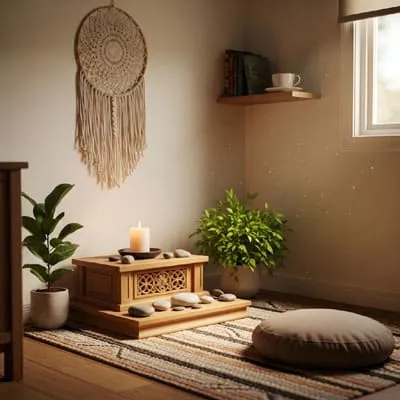
Architectural layout supports this flow through transitional zones, thresholds, and focal points. These spatial cues help structure ritual performance and emotional journey.
Designers use elements like aisles, steps, and altars to delineate stages of the ritual, creating a choreography of movement that fosters reflection and participation. This approach enhances the meaningfulness and memorability of the experience.
Integrating cultural stories and mythologies into spatial narratives reinforces community connection and continuity.
The Role of Light and Sound in Ritual Spaces
Light and sound are essential sensory components that influence ritual ambiance. Natural light symbolizes divine presence, while controlled artificial lighting can highlight sacred objects or moments. Sound, from chanting to silence, shapes the emotional and spiritual atmosphere.
Architects strategically design openings, reflective surfaces, and acoustics to enhance these elements. For example, vaulted ceilings can amplify sound, while stained glass filters light in symbolic ways.
Careful orchestration of sensory stimuli supports the slow, intentional pace of ritual, deepening participants’ spiritual engagement.
Faith and Ritual in Global Contexts
Comparative Perspectives on Sacred Architecture
Different cultures express religion, ritual, and faith through uniquely adapted architectural forms. From the minimalism of Japanese Zen temples to the ornate splendor of Hindu mandirs, these spaces reflect local beliefs, climate, and materials. Comparative study reveals how faith adapts to diverse environments and social structures.
Global awareness encourages architects to draw inspiration from a wide range of traditions while respecting authenticity and context. This cross-cultural dialogue enriches contemporary design practices and promotes inclusivity.
Understanding these variations helps create spaces that resonate universally while honoring particular faith expressions.
Adaptation to Climate and Environment
Climate significantly influences the design of religious and ritual spaces. Hot, arid regions favor thick walls and courtyards for cooling, while cold climates emphasize insulation and compact forms. These adaptations ensure comfort and sustainability while supporting ritual activities.
Incorporating vernacular knowledge enhances resilience and cultural relevance. For example, Islamic architecture often uses mashrabiya screens to balance light and airflow, supporting both spiritual and climatic needs.
Environmental adaptation reflects faith-based respect for creation and practical considerations for ritual performance.
Modern Trends in Faith-Inspired Architecture
- Integration of technology for immersive experiences.
- Flexible spaces supporting multiple faiths and rituals.
- Emphasis on sustainability and environmental ethics.
- Use of minimalist design for contemplative focus.
- Community-oriented spaces promoting social justice.
- Revival of traditional craftsmanship and materials.
- Incorporation of art and multimedia in worship.
Contemporary religious architecture balances tradition with innovation, responding to evolving faith expressions and societal changes. Technology enhances participation, while minimalist aesthetics promote calm and intentionality. These trends reflect a broader movement toward human-centered, climate-aware design.
Architects play a crucial role in shaping environments that nurture faith and ritual in the modern world.
Integrating Religion, Ritual, and Faith in Residential Design
Designing for Spiritual Sustainability
- Incorporate dedicated meditation or prayer spaces.
- Use natural materials and soft lighting.
- Ensure privacy and acoustic comfort.
- Align spaces with natural rhythms and light cycles.
Residential architecture that respects religion, ritual, and faith promotes spiritual sustainability by creating environments conducive to mindfulness and reflection. These spaces support occupants’ emotional health and foster a sense of rootedness in their beliefs.
Intentional design choices, such as orientation towards sunrise or the use of calming textures, enhance these effects. Spiritual sustainability complements environmental sustainability for holistic well-being.
Balancing Functionality and Sacredness
Integrating sacred functions into everyday living requires a balance between practicality and reverence. Multi-purpose rooms can transform into ritual spaces, while movable partitions offer flexibility. Storage solutions keep sacred objects secure yet accessible.
This balance prevents spiritual areas from feeling isolated or neglected, embedding faith naturally into life rhythms. It also allows for adaptability as family rituals evolve.
Architects must carefully plan circulation, lighting, and furnishings to maintain this equilibrium without compromising comfort or aesthetics.
Guidelines for Faith-Responsive Residential Architecture
| Guideline | Description | Benefit |
|---|---|---|
| Private Quiet Zones | Designate spaces free from noise and distractions. | Enhances meditation and prayer quality. |
| Natural Light Access | Orient rooms to maximize daylight exposure. | Supports circadian rhythms and spiritual symbolism. |
| Flexible Layouts | Allow spaces to adapt to various rituals and gatherings. | Accommodates changing faith practices and family needs. |
Architecture and Faith
Religion, ritual, and faith deeply influence how people inhabit and experience their environments.
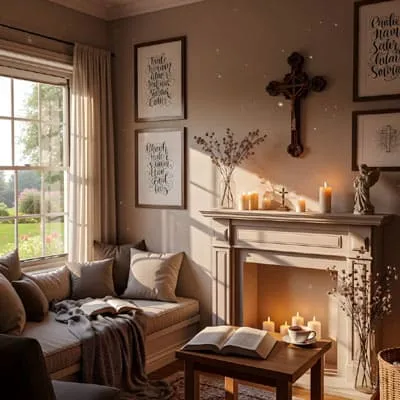
Thoughtful architectural design that honors these elements enriches residential spaces by fostering calm, intentional living aligned with spiritual and cultural values.
This approach supports a meaningful daily routine grounded in belief and community.
By integrating sustainable practices, symbolic language, and adaptable spaces, architects can create environments that nurture faith while respecting human needs and climate realities. Reflecting on these principles invites designers and occupants alike to embrace slow, purposeful living that harmonizes with inner and outer worlds.
Frequently Asked Questions (FAQ)
What is the Difference Between Religion, Ritual, and Faith?
Religion is an organized system of beliefs and worship, ritual refers to the specific ceremonies or practices performed, and faith is the personal trust or belief in the divine or sacred. Together, they shape spiritual experience and cultural expression.
How Can Residential Architecture Support Religious Practices?
By incorporating quiet, private spaces for prayer or meditation, using natural light, and designing flexible rooms that accommodate rituals, residential architecture can create environments conducive to faith and spiritual routines.
Why is Symbolism Important in Religious Architecture?
Symbolism conveys spiritual meanings and stories beyond words, helping worshippers connect emotionally and intellectually with their faith. It guides movement, focus, and the overall ritual experience within the space.
How Does Climate Affect the Design of Ritual Spaces?
Climate influences material choices, ventilation, and spatial layout to ensure comfort and sustainability. For example, hot climates may use courtyards and shading, while cold climates focus on insulation and compact forms.
Can Faith-based Design Principles Promote Sustainability?
Yes, many faith traditions emphasize stewardship of the earth, encouraging the use of eco-friendly materials, renewable energy, and designs that harmonize with nature, thus promoting environmental responsibility.
External resources:
- ArchDaily – Architecture and Religion
- National Geographic – Religious Architecture
- US Green Building Council – Sustainable Design

Architect with extensive experience in residential and commercial design, including renovations and modular construction. Love to share information about Architecture, home and lifestyle in this blog.