
Designing living spaces that seamlessly merge indoor-outdoor areas is crucial in hot climates, especially as climate change intensifies temperature extremes. Climate aware architecture prioritizes environmental responsiveness, ensuring comfort and sustainability while respecting the natural surroundings.
As rising temperatures and shifting weather patterns impact how we inhabit our homes, adapting designs to be climate aware offers both practical and ecological benefits. Creating indoor-outdoor living rooms in hot climates requires thoughtful planning to maximize airflow, shade, and thermal comfort without compromising aesthetics or functionality.
This article explores strategies for designing indoor-outdoor living rooms that respond effectively to climate change. It covers architectural principles, materials, and innovations that enhance human-centered living spaces, grounded in international best practices yet adapted for local conditions.
Adapting Architectural Design for Climate Change
Integrating Passive Cooling Techniques
Passive cooling is a cornerstone of climate aware design, especially for hot climates where reducing reliance on mechanical air conditioning is vital. Techniques such as cross-ventilation, strategic shading, and thermal mass utilization help naturally regulate indoor temperatures. Proper window placement encourages airflow, while overhangs and pergolas provide shade, reducing solar heat gain.
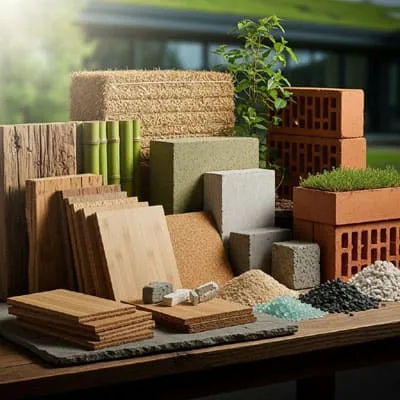
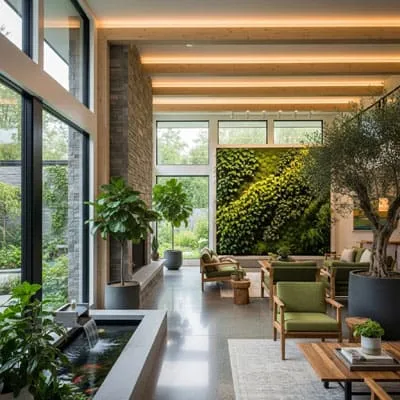
Materials with high thermal inertia, like concrete or stone, absorb daytime heat and release it during cooler nights, stabilizing indoor temperatures. Incorporating greenery, such as vertical gardens or green roofs, also aids cooling through evapotranspiration. Together, these methods create comfortable living spaces while lowering energy consumption and carbon footprint.
Implementing passive cooling aligns with climate aware goals by addressing the root causes of overheating and reducing emissions from air conditioning systems. This approach enhances occupant comfort and promotes resilience against climate change impacts.
Utilizing Sustainable Building Materials
Choosing sustainable, locally sourced materials reduces environmental impact and supports regional economies. Materials such as bamboo, recycled wood, and low-VOC finishes contribute to healthier indoor air quality and lower embodied carbon. Their thermal properties also influence indoor comfort, important in hot climates.
Advanced composites and insulation materials tailored for heat resistance improve building performance. Integrating natural stone or rammed earth walls provides thermal mass benefits, enhancing energy efficiency. The selection process must consider durability, maintenance, and climate responsiveness to ensure longevity and sustainability.
By prioritizing sustainable materials, architects can reduce waste and energy usage, responding proactively to climate change challenges. This thoughtful material palette underscores the human-centered and climate aware philosophy essential for contemporary design.
Innovations in Climate Responsive Architecture
Emerging technologies and design innovations are expanding the possibilities for climate aware architecture. Dynamic façades that adjust shading based on sun position or temperature, smart glazing that modulates heat gain, and automated ventilation systems optimize comfort and energy use.
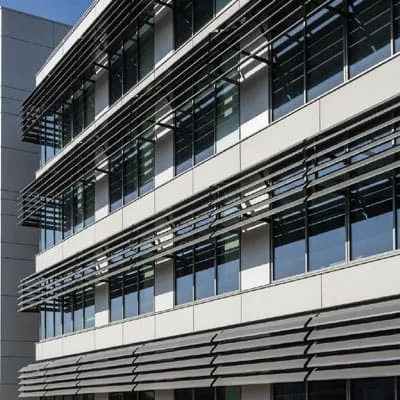
Building-integrated photovoltaics (BIPV) provide renewable energy while shading interiors, merging function and sustainability. Additionally, water-sensitive urban design (WSUD) strategies help manage runoff and support landscape cooling, contributing to holistic climate resilience.
These innovations represent a shift toward intentional, slow architecture that balances technological advancement with environmental stewardship. They empower architects to create spaces that adapt gracefully to a changing climate, enhancing occupant wellbeing.
Strategies for Climate Aware Indoor-Outdoor Integration
Maximizing Natural Ventilation and Airflow
- Design openings to harness prevailing winds for effective cross-ventilation
- Use operable windows and sliding doors to connect indoor and outdoor spaces
- Incorporate ceiling fans and louvers to enhance air movement
- Position furniture to avoid blocking airflow pathways
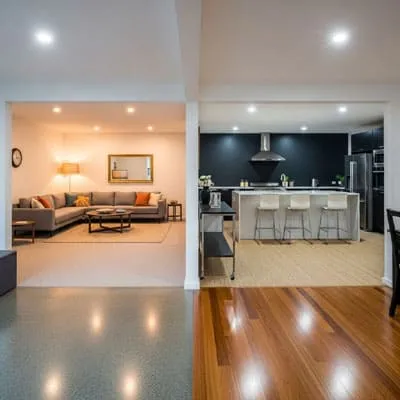
- Utilize open floor plans to promote continuous circulation
Natural ventilation is a fundamental strategy in climate aware design, especially in hot climates where cooling is a priority. Properly designed openings and spatial arrangements enable fresh air to flow freely, reducing indoor temperatures and improving air quality.
By connecting indoor and outdoor environments with operable elements, residents experience a seamless transition that enhances comfort and encourages outdoor living. These strategies reduce dependency on mechanical cooling, conserving energy and aligning with sustainable principles.
Shading Solutions for Thermal Comfort
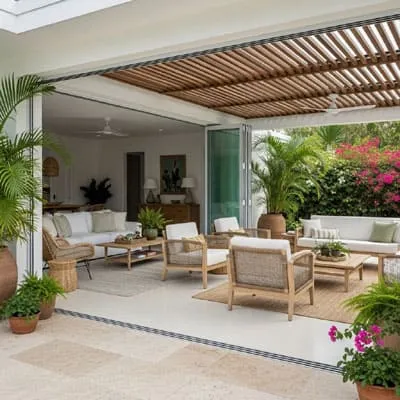
Effective shading protects living spaces from direct sun exposure, minimizing heat gain and glare. Architectural elements such as pergolas, brise-soleils, and adjustable louvers can dynamically control sunlight throughout the day. Vegetation, including deciduous trees and vines, provides seasonal shading benefits.
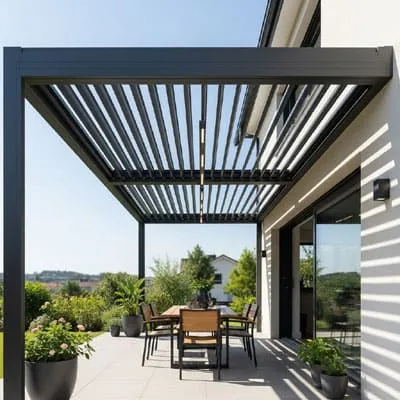
Shading devices must be designed considering solar angles specific to the site and climate zone. Materials with reflective or absorbent properties further influence thermal performance. Integrating shading into the architectural language ensures it complements aesthetics while serving its critical function.
Thoughtful shading strategies contribute to energy savings and occupant comfort, essential considerations in climate aware indoor-outdoor living spaces in hot climates.
Landscaping to Enhance Microclimate
Landscaping plays a pivotal role in shaping the microclimate around indoor-outdoor living rooms. Strategic planting can create cooler outdoor environments by providing shade and facilitating evapotranspiration. Using drought-resistant native plants reduces water consumption and maintenance.
Hardscaping materials, such as permeable pavements and reflective surfaces, influence heat absorption and runoff management. Incorporating water features can also provide localized cooling effects. These interventions work in harmony to mitigate urban heat island effects and improve overall comfort.
Integrating landscape design with architectural intent embodies a climate aware approach that enhances not only aesthetics but also thermal comfort and environmental resilience.
Materials and Finishes for Climate Aware Living
Choosing Heat-Reflective Surfaces
- Use light-colored exterior paints and finishes to reflect solar radiation
- Apply cool roof coatings to minimize heat absorption
- Select flooring materials with low thermal conductivity for outdoor areas
- Incorporate reflective glass to reduce solar heat gain
- Integrate natural stone or tiles with heat-resistant properties
- Utilize breathable wall finishes to enhance moisture control
Surface materials significantly influence the thermal behavior of indoor-outdoor living rooms in hot climates. Heat-reflective finishes reduce the amount of solar energy absorbed, keeping spaces cooler throughout the day.
These choices contribute to a climate aware design strategy by lowering cooling loads and improving occupant comfort. They should be paired with other passive design elements to maximize their effectiveness.
Durability and Maintenance Considerations
Materials selected for hot climates must withstand intense sun exposure, temperature fluctuations, and occasional moisture. Durability reduces the need for frequent repairs or replacements, supporting sustainable building practices. Finishes resistant to UV degradation and corrosion ensure longevity.
Maintenance requirements also impact the environmental footprint and user experience. Low-maintenance materials like treated wood, stone, and high-quality composites minimize upkeep. This practical focus aligns with human-centered design, allowing occupants to enjoy their spaces without excessive effort.
Balancing durability with aesthetics and environmental impact is central to climate aware material selection for indoor-outdoor living rooms.
Innovative Sustainable Finishes
New eco-friendly finishes are emerging that combine performance with sustainability. Natural oils, clay plasters, and bio-based paints offer low toxicity and enhanced breathability. These finishes mitigate indoor air pollution and regulate humidity, improving health and comfort.
Technological advances also enable finishes that self-clean or react to environmental conditions, reducing maintenance and environmental impact. Integration of such innovations demonstrates a commitment to climate aware principles, marrying tradition and modernity in architectural finishes.
Using these finishes supports a calm, intentional living environment that respects both occupants and the planet.
| Material | Thermal Property | Environmental Impact |
| Rammed Earth | High thermal mass | Low embodied energy, natural |
| Bamboo | Moderate insulation | Rapidly renewable, biodegradable |
| Concrete | High thermal mass | High embodied energy, recyclable |
Energy Efficiency in Climate Aware Living Rooms
Passive Solar Design Principles
- Orient spaces to optimize natural light without overheating
- Use thermal mass to store and release heat seasonally
- Incorporate shading that adapts to seasonal sun angles
- Maximize insulation to reduce heat transfer
- Design compact floor plans to minimize exposed surface area
- Integrate operable windows for natural cooling
- Utilize daylighting strategies to reduce artificial lighting
Passive solar design is fundamental to climate aware architecture in hot climates. By harnessing the sun’s energy intelligently, these designs reduce energy consumption and enhance indoor comfort.
Implementing these principles requires a nuanced understanding of site conditions, climate data, and user behavior. The goal is a living room that feels comfortable year-round with minimal mechanical intervention.
Incorporating Renewable Energy Systems
Renewable energy integration complements passive strategies by offsetting remaining energy needs. Solar photovoltaic panels are the most common solution, often incorporated into roofs or façades. Solar water heaters and small-scale wind turbines may also be viable depending on location.
Energy storage technologies, such as batteries, allow for greater self-sufficiency and resilience. These systems reduce reliance on fossil fuels and contribute to climate change mitigation goals. Proper sizing and integration ensure they meet occupancy and climate demands efficiently.
Renewables empower homeowners to actively participate in environmental stewardship through their living spaces.
Smart Controls and Automation
Smart home technologies optimize energy use by adjusting environmental systems in real time. Sensors monitor temperature, humidity, and occupancy, automatically regulating ventilation, shading, and lighting. This responsive approach enhances comfort and saves energy.
Automation can include programmable window shades, intelligent fans, and HVAC systems that learn user preferences. Integration with weather forecasts enables pre-emptive adjustments, mitigating heat spikes or cold snaps.
Smart controls embody the intentional, slow design ethos by making homes adaptive and efficient without overwhelming occupants.
| System | Benefit | Consideration |
| Solar PV Panels | Renewable energy generation | Initial investment cost |
| Automated Shading | Energy savings, thermal comfort | System complexity |
| Smart Ventilation | Improved air quality, efficiency | Maintenance requirements |
Human-Centered Design in Climate Aware Spaces
Prioritizing Occupant Comfort and Health
Human-centered design places occupant wellbeing at the core of architectural decisions. In hot climates, this means ensuring thermal comfort, good air quality, and access to natural light. Designs must minimize indoor pollutants and accommodate diverse user needs.
Indoor-outdoor living spaces encourage connection with nature, which benefits mental health and social interaction. Incorporating flexible layouts supports different activities and lifestyles, enhancing satisfaction and usability.
Climate aware architecture that centers human needs fosters spaces where people thrive, not just survive, despite challenging environmental conditions.
Designing for Social Interaction and Privacy
Indoor-outdoor living rooms serve as social hubs, requiring thoughtful balance between openness and privacy.
Zoning strategies define areas for communal gathering and quiet retreat. Landscaping and architectural screens provide visual separation without isolating occupants.
Furniture placement, lighting, and acoustics contribute to creating comfortable environments for socializing or solitude. Designs should account for cultural and climatic contexts to resonate with users.
This intentional layering of space respects human behavior and supports diverse ways of living, fundamental to climate aware design.
Accessibility and Inclusivity Considerations
Accessible design ensures that indoor-outdoor living rooms accommodate people of all ages and abilities. Features include level thresholds, wide doorways, and ergonomic controls for operable elements.
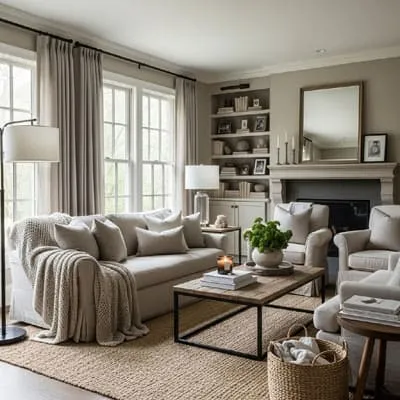
Pathways and seating arrangements should be navigable and comfortable.
Inclusivity also extends to sensory considerations, such as natural lighting that reduces glare and materials that support good acoustics. These elements create environments that welcome everyone, promoting equity and dignity.
Embedding accessibility into climate aware architecture reinforces its human-centered ethos and long-term usability.
Contextualizing Climate Aware Architecture Internationally
Adapting to Regional Climate Variations
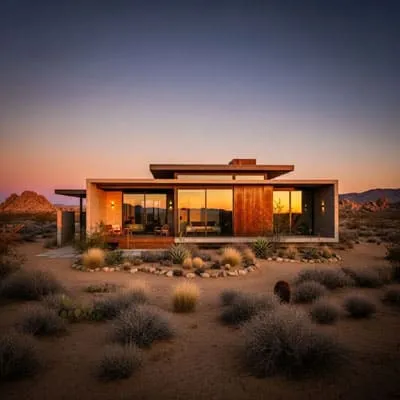
Climate aware design must respond to the unique characteristics of each region. Hot climates vary widely, from arid deserts to humid tropics, necessitating tailored strategies.
Understanding local wind patterns, rainfall, and solar exposure guides appropriate architectural responses.
Materials, construction techniques, and landscaping should reflect local traditions and resources, ensuring resilience and cultural relevance. This grounded approach supports sustainability while honoring place-specific identities.
International best practices provide inspiration but require careful adaptation to succeed in diverse contexts.
Incorporating Local Building Traditions
Traditional building methods often embody climate wisdom honed over generations. Techniques such as courtyard layouts, thick masonry walls, and natural ventilation have proven effective in hot environments. Integrating these with modern innovations creates architecture that respects heritage and enhances performance.
Collaboration with local artisans and communities enriches design outcomes and promotes social sustainability. This blend of old and new reflects a climate aware sensibility that values continuity and innovation.
Such approaches reinforce the human-centered nature of living spaces while addressing environmental challenges.
Global Trends in Climate Aware Design
Worldwide, architects are embracing climate aware principles to combat the effects of climate change. Trends include biophilic design, net-zero energy homes, and adaptive reuse of existing buildings.
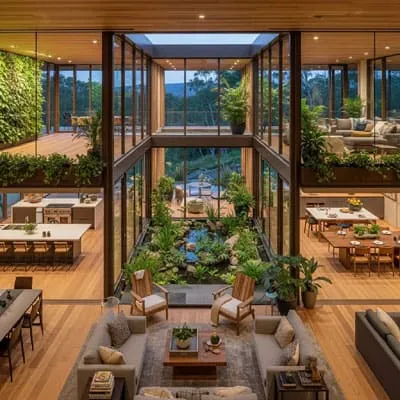
These movements prioritize sustainability, resilience, and occupant wellbeing.
International collaborations and knowledge sharing accelerate progress, fostering a global architectural culture attuned to climate realities. Digital tools and materials science also drive innovation in this field.
Adopting these trends helps architects design indoor-outdoor living rooms that are not only beautiful but also responsible and future-ready.
Performance Metrics and Evaluation in Climate Aware Architecture
Measuring Thermal Comfort and Energy Use
- Utilize sensors to monitor indoor temperature and humidity levels
- Assess energy consumption for cooling and ventilation systems
- Conduct occupant surveys to gauge subjective comfort
- Analyze solar heat gain through window performance metrics
- Evaluate effectiveness of shading and insulation components
- Compare data before and after design interventions
Quantifying the performance of indoor-outdoor living rooms is essential to validate climate aware strategies. Tools like thermal imaging and energy modeling provide objective insights into comfort and efficiency. Integrating occupant feedback ensures designs meet human needs effectively.
These metrics inform continuous improvement and support evidence-based architecture that responds to climate change challenges.
Long-Term Sustainability Assessments
Evaluating sustainability involves lifecycle analysis of building materials, energy systems, and maintenance practices.
Monitoring environmental impact over time reveals areas for improvement and informs responsible design decisions.
Considerations include carbon footprint, water use, waste generation, and ecosystem effects. Performance benchmarks aligned with international standards, such as LEED or BREEAM, guide assessments.
This rigorous approach ensures climate aware architecture delivers lasting ecological benefits alongside occupant wellbeing.
Feedback Loops for Design Optimization
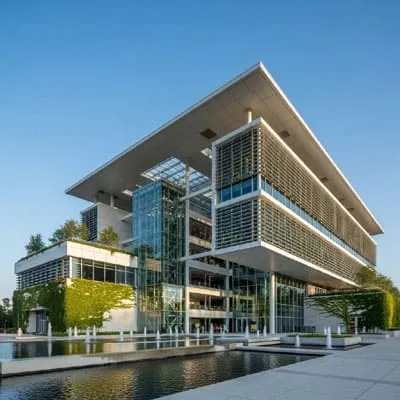
Establishing feedback mechanisms enables architects and occupants to collaboratively refine living spaces. Post-occupancy evaluations identify successes and challenges, informing future projects. Continuous data collection supports adaptive management of building systems.
Technology facilitates remote monitoring and user engagement, fostering responsive and resilient environments. This iterative process exemplifies the slow, intentional design philosophy integral to climate aware architecture.
Feedback loops enhance the alignment of architectural intent with lived experience, promoting sustainable and human-centered outcomes.
| Metric | Measurement Method | Purpose |
| Indoor Temperature | Thermometers, sensors | Assess thermal comfort |
| Energy Consumption | Utility data, smart meters | Evaluate efficiency |
| Carbon Footprint | Lifecycle analysis software | Measure environmental impact |
Indoor and Outdoor living rooms
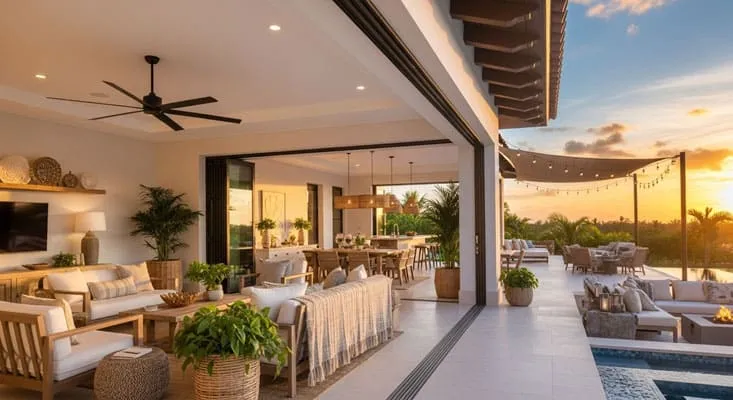
Designing indoor-outdoor living rooms with climate change and climate awareness at the forefront ensures spaces that are comfortable, sustainable, and resilient. By integrating passive cooling, sustainable materials, and human-centered principles, architects can create environments that respond effectively to hot climates.
Adopting these strategies not only addresses immediate thermal challenges but also contributes to long-term ecological stewardship. As climate change continues to influence how we build and inhabit our homes, embracing climate aware design becomes both a responsibility and an opportunity to enhance quality of life.
Frequently Asked Questions
What is Climate Aware Architecture?
Climate aware architecture refers to design approaches that consciously respond to local climate conditions, particularly focusing on sustainability, energy efficiency, and occupant comfort. It integrates passive strategies and materials to reduce environmental impact, especially important in hot climates.
How Can Indoor-outdoor Living Rooms Help Mitigate Climate Change Effects?
Indoor-outdoor living rooms promote natural ventilation, reduce reliance on artificial cooling, and increase connection with nature. These design features help lower energy consumption and improve thermal comfort, making homes more resilient to rising temperatures caused by climate change.
Which Materials Are Best Suited for Hot Climates in Climate Aware Design?
Materials with high thermal mass like rammed earth or concrete, along with sustainable options like bamboo and recycled wood, perform well. Heat-reflective finishes and breathable natural plasters also enhance comfort and durability in hot climates.
What Role Does Landscaping Play in Climate Aware Living Spaces?
Landscaping shapes the microclimate by providing shade, cooling through evapotranspiration, and managing runoff. Native and drought-resistant plants reduce water use and maintenance, supporting sustainable and comfortable indoor-outdoor living environments.
How Do Smart Technologies Contribute to Climate Aware Architecture?
Smart technologies optimize energy use by automatically adjusting shading, ventilation, and lighting based on environmental conditions and occupancy. This enhances comfort, reduces energy waste, and allows homes to adapt dynamically to changing climates.

Architect with extensive experience in residential and commercial design, including renovations and modular construction. Love to share information about Architecture, home and lifestyle in this blog.