
Understanding how architecture influences human behavior, design, and place is essential for creating environments that promote comfort, wellbeing, and social interaction. Human behaviour in built spaces shapes and is shaped by architectural decisions, making it critical to consider these dynamics when designing residential and public spaces. This knowledge helps architects craft places that are not only functional but also responsive to the needs and rhythms of daily life.
The challenge lies in balancing design intent with the lived experience of users, ensuring spaces respond to climate, culture, and human needs without resorting to superficial decoration.
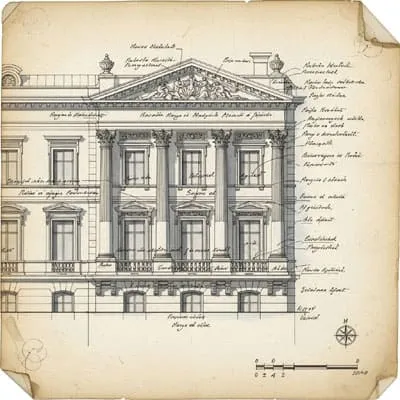
Intentional, slow design rooted in deep understanding leads to environments that foster calmness and purposeful living. Recognizing these factors offers a unique opportunity to improve architectural outcomes significantly.
This article explores the interplay between human behaviour, design, and place, dissecting how architectural choices impact comfort and social dynamics. We will delve into key principles guiding human-centered architecture, the role of climate-aware design, and strategies for crafting meaningful places that resonate internationally yet remain grounded in local context.
Interconnection of Human Behaviour and Architectural Design
How Architecture Shapes Human Interaction
Architecture profoundly affects human interaction by defining spatial relationships and the flow of movement. Thoughtful design encourages social engagement, privacy, or solitude depending on the intended function of the space. For example, open-plan living areas foster community and communication, while strategically placed partitions can offer quiet zones for reflection or focused work.
Designers must consider behavioral patterns such as gathering habits, circulation paths, and personal space preferences to create environments that support diverse human activities. The arrangement of furniture, lighting, and acoustics all contribute to shaping how people interact within a space.
Understanding these behavioral cues helps architects create environments that feel intuitive and welcoming, ultimately enhancing user satisfaction and wellbeing.
Environmental Psychology and Spatial Perception
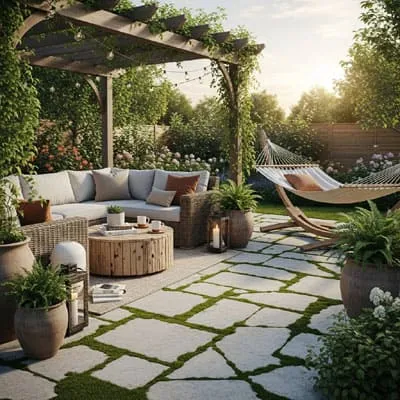
Environmental psychology studies how people perceive and respond to their surroundings, offering valuable insights for architectural design. Spatial perception affects emotions, stress levels, and productivity, making it a crucial consideration in residential and public projects. Elements like natural light, color, and texture can evoke calmness or stimulate energy within a space.
Design strategies that incorporate biophilic elements—such as plants, natural materials, and views of nature—can significantly improve occupants’ mental health and comfort. These elements create a sensory connection to the environment that supports psychological wellbeing.
By integrating environmental psychology principles, architects can design spaces that intuitively align with human behavioural needs, fostering positive experiences.
Social Dynamics Influenced by Place Design
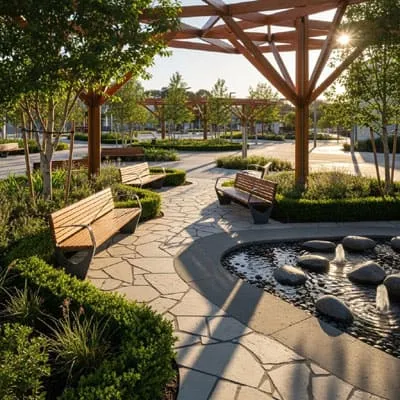
The design of a place influences social dynamics by shaping how people gather and interact. Public spaces that allow flexibility and adaptability often encourage community engagement and inclusivity.
Conversely, poorly designed areas can discourage social interaction, leading to isolation or underutilization.
Considerations such as seating arrangements, accessibility, and visibility play a role in fostering social cohesion. For instance, plazas with varied seating options invite different types of gatherings, from informal chats to organized events.
Effective place design enhances social capital by promoting interaction and a sense of belonging among users.
Human-Centered Approaches in Place-Making
Key Principles of Human-Centered Design
- Empathy: Understanding user needs and experiences
- Accessibility: Ensuring spaces are usable by all people
- Flexibility: Designing adaptable environments for diverse uses
- Comfort: Prioritizing physical and psychological wellbeing
- Contextual awareness: Respecting cultural and environmental contexts
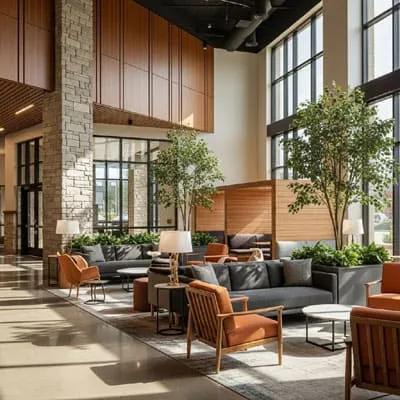
Human-centered design places the occupant at the core of decision-making, ensuring architecture serves its inhabitants effectively. This methodology emphasizes empathy and accessibility, creating inclusive environments that respond to diverse needs.
Flexible interiors allow spaces to evolve with changing lifestyles, while attentiveness to comfort—through lighting, acoustics, and thermal conditions—supports holistic health. Contextual awareness ensures designs resonate with local culture and climate, enhancing the sense of place.
Designing for Residential Comfort
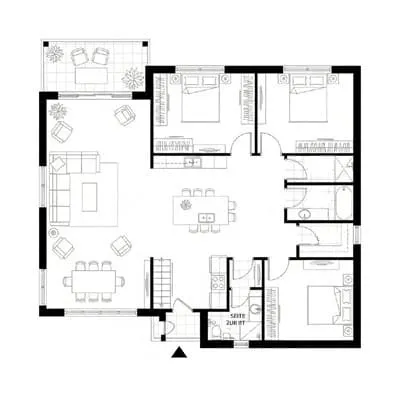
Residential architecture demands a nuanced understanding of human behaviour to promote comfort and functionality. Spaces must accommodate daily routines, personal privacy, and social activities harmoniously. Architects achieve this by carefully considering room layouts, circulation, and connections to outdoor areas.
Incorporating natural ventilation and daylight improves indoor air quality and mood, while material choices influence tactile and thermal comfort. Thoughtful placement of windows and shading devices also mitigates heat gain and glare, contributing to a healthier living environment.
Ultimately, residential design that respects human behaviour fosters a sense of sanctuary and belonging.
Technology’s Role in Human-Centered Design
Modern technology enables architects to better understand and respond to human behaviour through data-driven design tools. Sensors and smart home systems can monitor environmental conditions and occupant patterns to optimize comfort and energy efficiency.
Virtual reality and simulation software allow stakeholders to experience spaces before construction, ensuring designs meet user expectations. Additionally, adaptive building systems can adjust heating, lighting, and ventilation in real time based on occupant needs.
Integrating technology supports a responsive, human-centered approach that enhances the functionality and livability of architectural spaces.
Climate-Aware Design and Its Impact on Behaviour
Adapting Architecture to Local Climate
Climate-aware design prioritizes environmental responsiveness to improve occupant comfort and reduce energy consumption. Understanding local weather patterns, solar orientation, and prevailing winds informs architectural strategies that optimize thermal comfort naturally.
Techniques such as natural ventilation, shading devices, and thermal mass help moderate indoor temperatures and reduce reliance on mechanical systems. For example, deep eaves or pergolas block harsh sunlight in summer while allowing warmth in winter.
Adapting architecture to climate encourages sustainable living and enhances the user’s connection to place.
Passive Design Strategies Influencing Human Behaviour
- Maximizing daylight to improve mood and reduce artificial lighting
- Cross-ventilation to maintain air quality and thermal comfort
- Thermal mass to stabilize indoor temperatures
- Shading and insulation to control heat gain and loss
- Landscape integration to moderate microclimate effects
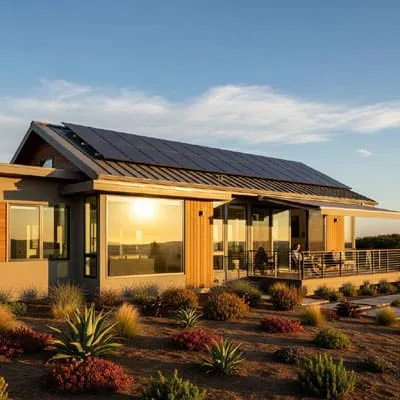
Passive design reduces energy demands and creates healthier indoor environments, directly impacting how people use and feel within their homes. These strategies encourage occupants to engage with natural cycles, promoting slower, more intentional lifestyles aligned with environmental rhythms.
By facilitating comfort without mechanical intervention, passive design fosters wellbeing and sustainable behaviour.
The Role of Climate in Place Identity
Climate shapes not only architectural form but also the cultural and social identity of a place. Buildings that respond to climate become expressions of local knowledge and tradition, embedding human behaviour within broader ecological contexts.
This connection reinforces a sense of belonging and stewardship among inhabitants. For example, vernacular architecture often incorporates climate-adaptive features that reflect generations of behavioural adaptation.
Recognizing climate’s influence enriches design approaches, making places more resilient and meaningful for their communities.
| Climate Factor | Architectural Response | Impact on Behaviour |
|---|---|---|
| Solar Orientation | Window placement and shading | Improves daylight access and thermal comfort |
| Prevailing Winds | Natural ventilation design | Enhances air quality and cooling |
| Temperature Extremes | Thermal mass and insulation | Stabilizes indoor climate and reduces energy use |
Intentional Design for Calm and Slow Living
Principles of Calm Architecture
Calm architecture emphasizes simplicity, balance, and connection to nature to foster tranquility. By minimizing visual clutter and using natural materials, spaces nurture mental clarity and relaxation. This approach aligns with human behavioural tendencies toward environments that reduce stress and sensory overload.
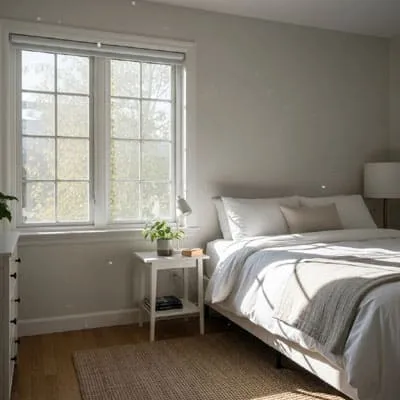
Intentional spatial sequencing guides movement gently, creating moments of pause and reflection. Lighting is soft and diffused, enhancing emotional comfort. Together, these elements cultivate a peaceful atmosphere that supports slow living.
Calm design encourages occupants to engage more mindfully with their surroundings and daily routines.
Slow Design Impacting Daily Behaviour
Slow design advocates for thoughtful, deliberate choices that prioritize quality over quantity. This philosophy influences human behaviour by encouraging people to savor experiences and environments, promoting wellbeing and sustainability.
Architectural features that support slow living include cozy nooks, communal hearths, and outdoor spaces that invite lingering. These design decisions reshape how inhabitants interact with their homes, slowing the pace of life and fostering deeper connections.
Such environments nurture habits that align with physical and mental health, fostering intentional lifestyles.
Materiality and Texture in Human Experience
- Natural wood for warmth and tactile comfort
- Stone surfaces connecting to earth and permanence
- Soft textiles enhancing coziness and sensory engagement
- Matte finishes reducing glare and visual noise
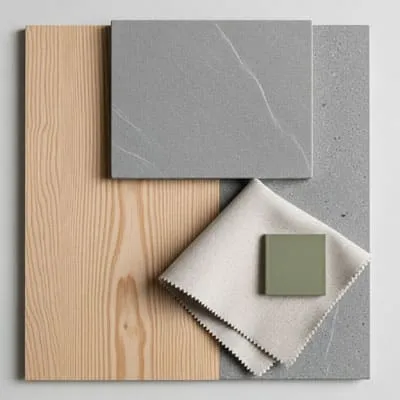
Material choices profoundly affect how people experience spaces. Textures invite touch and interaction, grounding occupants in the physical environment. These sensory qualities promote calmness and presence, enriching architectural atmospheres.
Integrating authentic, slow-aged materials reinforces intentional living and a deeper appreciation of place.
Designing Place with Cultural and International Contexts
Balancing Global Influence and Local Identity
Architectural design increasingly navigates the tension between global trends and local traditions. Successful place-making respects cultural heritage while embracing innovation, creating spaces that resonate internationally yet feel grounded locally.
This balance requires understanding the behavioural norms, social customs, and environmental realities of a place. By integrating these elements, architects foster environments that are both contemporary and meaningful.
Such design encourages users to connect with their cultural roots while engaging with global architectural discourse.
Multiculturalism and Inclusive Place Design
- Designing for diverse cultural practices and rituals
- Creating accessible and welcoming public spaces
- Incorporating multilingual signage and symbols
- Facilitating social interaction across cultural groups
- Respecting spiritual and communal traditions
Inclusive design reflects the complex social fabric of international contexts, promoting equity and belonging. Consideration of multicultural behavioural patterns enriches place identity and functionality.
Such places become platforms for cultural exchange and mutual respect, enhancing social cohesion.
Global Best Practices in Human-Centered Design
International case studies demonstrate effective strategies for human-centred, climate-aware design. These include participatory design processes, integration of vernacular knowledge, and sustainable material sourcing.
Architects worldwide share lessons on creating resilient, adaptable spaces that respond to evolving human behaviours and environmental conditions. Such practices advance the profession and improve quality of life globally.
Emulating these approaches promotes innovation grounded in human experience and ecological responsibility.
| Design Aspect | Local Context | Global Application |
|---|---|---|
| Material Use | Locally sourced, traditional | Sustainable, globally certified |
| Community Engagement | Participatory design with locals | Inclusive workshops and feedback |
| Climate Response | Vernacular passive strategies | Advanced simulation tools |
Performance Optimization Through Design and Behavioural Understanding
Enhancing Energy Efficiency with Behavioural Insights
Understanding human behaviour allows architects to design buildings that encourage energy-saving habits.
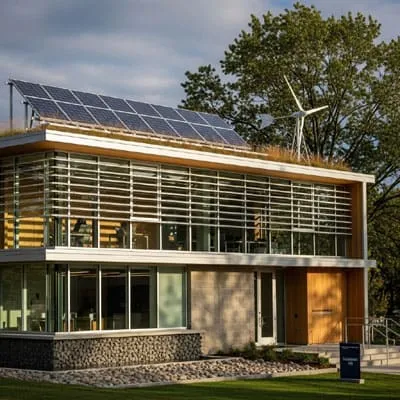
For example, placing controls in intuitive locations and educating occupants about natural ventilation increase system efficiency.
Behavioral nudges embedded in design can reduce unnecessary energy use without compromising comfort. This synergy between design and occupant action is vital for sustainable architecture.
Optimizing performance relies on anticipating how people interact with their environment daily.
Measuring Comfort: Tools and Metrics
Architects use various tools to quantify comfort, including thermal comfort indices, daylight metrics, and acoustic measurements. These metrics help assess how well a design meets human behavioural needs and environmental standards.
Post-occupancy evaluations provide feedback on user satisfaction and performance gaps, informing future improvements. Such data-driven approaches enhance design quality and occupant wellbeing.
Monitoring comfort levels ensures that architectural interventions translate into real-world benefits.
Designing for Adaptive Use and Longevity
- Flexible floor plans accommodating changing needs
- Durable materials reducing maintenance demands
- Modular systems allowing future upgrades
- Spaces that support multiple functions
Adaptive design extends the lifespan of buildings and aligns with evolving human behaviours. Architectures that anticipate change foster long-term comfort and relevance, reducing environmental impact through longevity.
This approach embraces the slow, intentional design philosophy, supporting sustainable living and community resilience.
Human Behaviour, Design, and Place: Bringing It All Together
The Synergy of Behaviour and Environment
The reciprocal relationship between human behaviour and architectural design shapes the quality of place. Thoughtful architecture responds to and influences how people live, work, and connect, creating environments that nurture wellbeing and social vitality.
Designers must continuously observe and integrate user feedback to refine spatial solutions that accommodate diverse behaviours and preferences.
This synergy underpins successful place-making and elevates architectural practice.
Case Studies Demonstrating Integrated Design
Several exemplar projects worldwide illustrate the power of integrating human behaviour, design, and place. These include climate-responsive housing in Mediterranean regions, community centers in multicultural urban settings, and slow-living inspired retreats in natural landscapes.
Each case showcases how intentional design grounded in behavioural insight delivers spaces that are comfortable, resilient, and meaningful.
These models provide valuable lessons for architects seeking to harmonize environmental and human factors.
Future Directions in Human-Centered Architecture
Emerging trends emphasize greater integration of technology, sustainability, and social equity in architectural design. Future projects will increasingly leverage real-time data to adapt spaces dynamically to occupant needs and environmental conditions.
Moreover, expanding participatory design practices will democratize architecture, empowering users to shape their environments actively.
These directions promise more responsive, humane places that honor the complex relationship between human behaviour, design, and place.
In conclusion, architecture that thoughtfully engages with human behaviour, design, and place creates spaces of lasting comfort, meaning, and environmental harmony. By adopting intentional, climate-aware, and human-centered approaches, architects can foster environments that support calm, slow living and social connection. Embracing these principles invites us to reflect deeply on how we inhabit and shape our built world, encouraging a more mindful and sustainable future.
Frequently Asked Questions
How Does Architecture Influence Human Behaviour in Residential Spaces?
Architecture affects behaviour by shaping movement, social interaction, and comfort within residential spaces. Thoughtful design supports daily routines, privacy, and community engagement, influencing how occupants experience and use their homes.
What Role Does Climate-aware Design Play in Human Comfort?
Climate-aware design optimizes natural ventilation, daylight, and thermal regulation to create comfortable indoor environments. It reduces reliance on mechanical systems, promotes health, and aligns occupant behaviour with environmental conditions.
Why is Human-centered Design Important in Architecture?
Human-centered design prioritizes occupants’ needs, ensuring accessibility, flexibility, and wellbeing. It fosters inclusive, adaptable spaces that enhance quality of life and reflect diverse behavioural patterns.
How Can Architects Balance Global Trends and Local Identity?
Balancing global and local involves respecting cultural heritage and environmental context while integrating innovative solutions. This creates architecture that resonates locally but remains relevant globally.
What Technologies Support Performance Optimization in Architectural Design?
Technologies like smart sensors, simulation software, and adaptive systems help monitor and adjust environmental conditions, improving comfort and energy efficiency in response to occupant behaviour.

Architect with extensive experience in residential and commercial design, including renovations and modular construction. Love to share information about Architecture, home and lifestyle in this blog.