
Green homes building integrates sustainable architectural practices to create energy-efficient, eco-friendly homes that reduce environmental impact while saving money. These homes utilize green tech homes innovations and green homes systems to optimize energy consumption, water use, and indoor environmental quality. Understanding how to approach green homes building is essential for homeowners and architects aiming to design lasting, climate-conscious living spaces.
The demand for sustainable living has never been higher, driven by climate change challenges and rising energy costs. Green tech homes offer innovative solutions through renewable energy integration, smart home technologies, and sustainable materials, making green homes systems a critical aspect of residential design. This article explores the nuances of green homes building, highlighting architectural strategies, technologies, and systems that make eco-friendly homes both practical and desirable.
From passive design to advanced green homes systems, this comprehensive guide covers seven essential topics to empower designers and homeowners. Each section dives into technical details, practical examples, and the benefits of adopting green tech homes, helping readers understand how to implement sustainability intentionally and effectively.
Innovations in Green Homes Building
Integrating Passive Design Principles
Passive solar design is foundational in green homes building, focusing on natural ventilation, daylighting, and thermal mass to reduce energy demand. By orienting a home to the sun’s path and using materials that absorb and release heat slowly, architects create spaces that stay comfortable year-round without heavy mechanical systems.
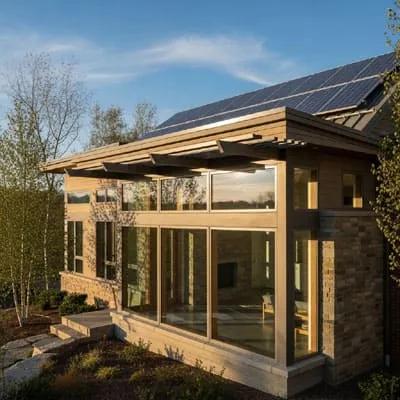
This approach minimizes reliance on HVAC systems, cutting utility costs and carbon emissions. Thoughtful window placement and shading devices further optimize energy efficiency, aligning with green homes systems that prioritize performance over decoration.
Incorporating passive design also enhances indoor air quality and occupant comfort, proving essential in climate-aware, residential-focused architecture. It’s a slow, intentional method that respects the environment and human needs.
Renewable Energy Technologies in Green Tech Homes
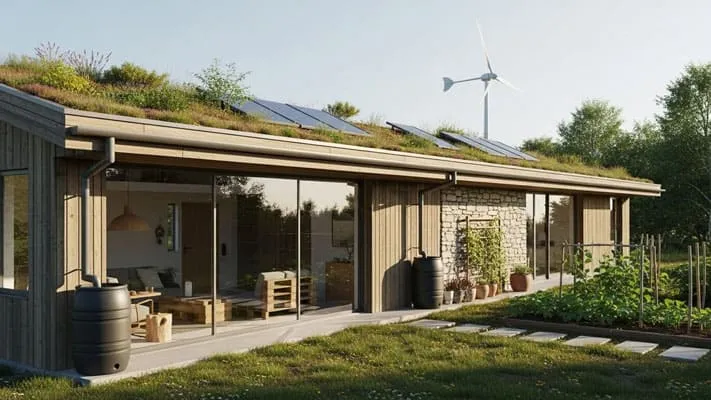
Solar photovoltaic panels, geothermal heat pumps, and wind turbines are leading renewable technologies integrated into green tech homes. These systems reduce dependence on fossil fuels and enable homes to generate clean energy onsite.
Advancements in battery storage and energy management software enhance the efficiency of these systems, allowing homeowners to optimize energy use dynamically. This integration supports grid independence and long-term savings.
Choosing the right renewable technology depends on location, climate, and household needs, making customized solutions a hallmark of green homes building.
Advanced Materials and Construction Techniques
Green homes building embraces sustainable materials like recycled steel, bamboo, and low-VOC (volatile organic compounds) paints, which reduce environmental impact and improve indoor health. These materials are often sourced locally to minimize transportation emissions.
Construction techniques such as modular building and prefabrication reduce waste and accelerate project timelines. Enhanced insulation materials and airtight building envelopes further improve energy efficiency.
These innovations align with green homes systems by creating durable, high-performance buildings that serve residents’ needs while respecting the planet.
Energy Efficiency Strategies for Green Tech Homes
Optimizing HVAC Systems for Sustainability
- Utilize high-efficiency heat pumps for heating and cooling
- Implement smart thermostats with adaptive learning
- Incorporate energy recovery ventilators (ERV) for fresh air
- Design zoning systems to target heating and cooling
- Regular maintenance to sustain peak performance
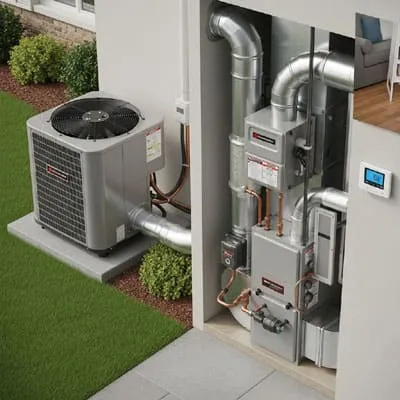
Modern HVAC solutions in green tech homes focus on reducing energy consumption while maintaining comfort. Heat pumps offer an environmentally friendly alternative to traditional furnaces and air conditioners by transferring heat instead of generating it. Smart thermostats adapt to occupant behavior, optimizing system operation.
ERV systems improve indoor air quality by exchanging stale indoor air with fresh outdoor air, recovering energy in the process. Zoning allows precise temperature control in different rooms, avoiding energy waste.
Smart Home Automation in Green Homes Systems
Smart automation integrates sensors, controls, and AI to enhance the efficiency of green homes systems. Automated lighting, shading, and appliances adjust based on occupancy and time of day, minimizing unnecessary energy use.
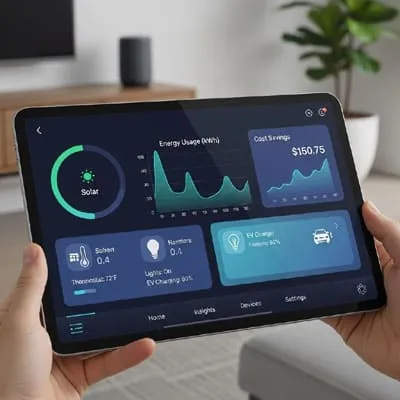
These systems also provide real-time feedback to residents, encouraging energy-conscious behavior. Integration with renewable energy sources maximizes onsite consumption and grid interaction.
Such technology ensures that sustainability remains user-friendly and effective, reflecting a human-centered approach to green homes building.
Water Conservation Technologies
Water-saving fixtures, rainwater harvesting, and greywater recycling are common in green tech homes. These technologies reduce potable water demand, easing pressure on municipal systems and lowering utility bills.
Low-flow faucets and dual-flush toilets maintain performance while saving water. Rainwater collected from roofs can irrigate landscapes or supply toilets, while greywater systems treat and reuse household wastewater.
Incorporating these systems within green homes systems supports holistic sustainability goals in residential architecture.
| Technology | Energy Savings | Typical Cost |
| Solar Panels | 30-50% | $15,000 – $25,000 |
| Geothermal Heat Pumps | 40-60% | $20,000 – $35,000 |
| Smart Thermostats | 10-15% | $150 – $300 |
Designing Green Homes Systems for Climate Resilience
Climate-Responsive Building Envelopes
- High-performance insulation tailored to local climate
- Thermal breaks to reduce heat transfer
- Moisture barriers to prevent condensation and mold
- Dynamic facades adapting to weather conditions
- Use of reflective roofing materials to reduce heat gain
Green homes systems must address climate variability by designing building envelopes that optimize thermal performance. Insulation levels vary depending on whether the climate is hot, cold, or mixed, ensuring energy efficiency without sacrificing comfort.
Moisture management is critical to durability and indoor air quality. Dynamic facades are emerging technologies that adjust shading or insulation in response to external conditions, maintaining comfort and reducing energy use.
Stormwater Management and Landscaping
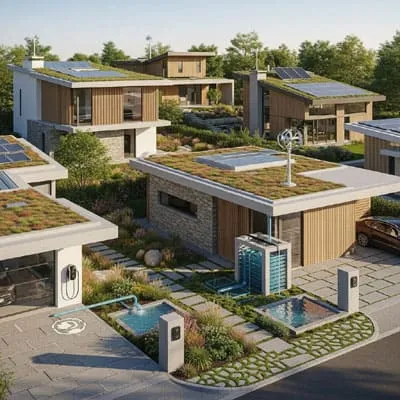
Incorporating permeable pavements, rain gardens, and bioswales into green homes building mitigates flooding risks and promotes groundwater recharge.
Landscaping with native plants reduces irrigation requirements and enhances biodiversity.
These strategies contribute to resilient site design, protecting both the home and local ecosystems. They reflect an intentional, slow approach to integrating architecture with natural surroundings.
Effective stormwater management supports sustainability while improving the quality of life for residents and neighbors alike.
Thermal Comfort and Indoor Environmental Quality
Green homes systems focus on maintaining stable thermal conditions using natural ventilation, radiant heating, and humidity control. These strategies improve occupant health and satisfaction.
Materials with low emissions and proper daylighting reduce eye strain and respiratory problems. Acoustic design also plays a role in creating calm, human-centered environments.
Prioritizing indoor environmental quality complements energy-saving measures, ensuring homes are both sustainable and livable.
| Feature | Benefit | Impact on Resilience |
| Permeable Pavements | Reduces runoff | High |
| Rain Gardens | Filters pollutants | Medium |
| Dynamic Facades | Improves thermal control | High |
Materials and Technologies in Green Tech Homes
Eco-Friendly Building Materials
- Recycled and reclaimed wood
- Low-carbon concrete alternatives
- Natural insulation like sheep wool or cellulose
- Bamboo flooring and paneling
- Non-toxic paints and finishes
Material selection in green tech homes impacts not only energy use but also occupant health and environmental footprint. Using recycled or sustainably harvested materials reduces resource depletion and landfill waste.
Low-carbon concrete and natural insulations decrease embodied carbon, a critical factor in sustainable architecture. These materials contribute to a home’s durability, comfort, and aesthetics without unnecessary decoration.
Smart Energy Management Systems
Green tech homes increasingly rely on integrated energy management systems that monitor and control all energy flows within the home. These systems optimize consumption, prioritize renewable sources, and manage storage.
Advanced algorithms adapt to occupant habits and weather forecasts, improving efficiency. Real-time dashboards empower homeowners to make informed decisions about their energy use.
This technology embodies the slow, intentional design philosophy by harmonizing human behavior with sustainable systems.
Innovations in Sustainable Plumbing and Electrical Systems
Water-efficient plumbing fixtures and electrical wiring designed for minimal energy loss are key components of green homes systems. Technologies like tankless water heaters and LED lighting reduce consumption significantly.
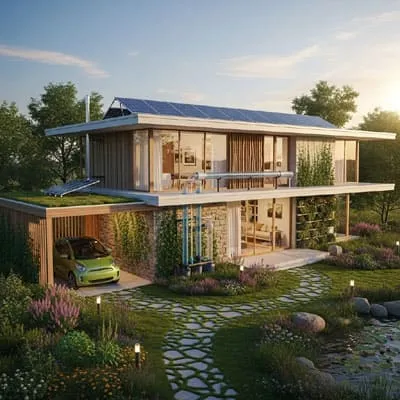
Electrical systems are designed to support solar energy integration and electric vehicle charging, future-proofing the home. Smart meters and circuit monitoring enhance safety and efficiency.
These thoughtful systems contribute to holistic sustainability in residential architecture.
Cost-Benefit Analysis of Green Homes Building
Initial Investment Vs. Long-Term Savings
Green homes building often requires higher upfront costs due to premium materials and technologies.
However, long-term savings from reduced utility bills and maintenance can offset these initial expenses.
Energy-efficient HVAC systems, solar panels, and water-saving fixtures contribute to lower operating costs. Additionally, green homes often have higher resale values due to growing market demand for sustainable living.
Understanding this balance is critical for homeowners and developers considering green tech homes.
Financial Incentives and Rebates
- Federal and state tax credits for solar installations
- Rebates for energy-efficient appliances and HVAC systems
- Grants for water conservation measures
- Property tax exemptions for green building certifications
- Low-interest loans for energy upgrades
Various incentives make green homes building more accessible and financially viable. Staying informed about available programs enables homeowners to maximize benefits and reduce payback periods.
Many states and municipalities offer targeted incentives aligned with green tech homes goals, encouraging wider adoption of sustainable practices.
Comparing Green Homes Systems Performance
| System | Average Cost | Energy Savings |
| Solar PV | $18,000 | 35% |
| High-efficiency HVAC | $12,000 | 25% |
| Rainwater Harvesting | $5,000 | 15% |
Implementation Challenges in Green Homes Building
Technical Barriers and Solutions
Integrating advanced green homes systems can face technical hurdles such as compatibility issues between technologies, complex installation processes, and need for skilled labor. Overcoming these requires collaboration among architects, engineers, and contractors to ensure seamless integration.
Continual training and certification programs for professionals help maintain quality and innovation. Modular systems and plug-and-play solutions are increasingly simplifying implementation.
Addressing technical barriers is essential to scale green tech homes effectively.
Regulatory and Certification Compliance
Green homes building must navigate complex local codes, zoning regulations, and certification programs such as LEED, Passive House, or Living Building Challenge. Compliance ensures quality and market recognition but can add complexity and cost.
Understanding regulatory frameworks early in the design phase prevents delays and redesigns. Certification also provides measurable standards for sustainability performance, adding value to the home.
Proactive planning and expert consultation streamline the process.
Community and Market Acceptance
Despite growing interest, some communities resist green tech homes due to unfamiliar aesthetics, misconceptions about costs, or lack of awareness. Educating homeowners and stakeholders about benefits is vital to increase acceptance.
Showcasing successful projects and leveraging incentives can shift perceptions. Market demand for sustainable homes continues to rise, encouraging builders to adopt green homes systems.
This social aspect plays a significant role in widespread adoption of green homes building.
User Experience and Lifestyle in Green Tech Homes
Human-Centered Design Approaches
- Flexible spaces adapting to occupant needs
- Natural materials promoting wellbeing
- Intuitive control interfaces for building systems
- Indoor-outdoor connectivity enhancing lifestyle
- Acoustic comfort integrated into design
Green tech homes focus on the human experience by designing spaces that support health, comfort, and convenience. Flexible layouts accommodate changing family dynamics and lifestyle preferences. Using natural materials improves indoor air quality and tactile comfort.
Smart systems are designed for ease of use, avoiding complexity that can frustrate residents. Seamless connections with outdoor spaces promote relaxation and connection with nature.
Health Benefits of Sustainable Homes
Green homes building improves occupant health through better air quality, natural lighting, and reduced exposure to harmful chemicals.
Proper ventilation and moisture control prevent mold and allergens.
Daylighting and views to nature enhance mental wellbeing. Reducing energy waste also reduces environmental toxins, benefiting the broader community.
These factors create calm, intentional spaces supporting slow, mindful living.
Adapting Green Homes Systems for Aging in Place
Designing green tech homes to accommodate aging residents requires accessible layouts, easy-to-use controls, and supportive technologies. Features like zero-step entries, wide doorways, and non-slip flooring improve safety.
Smart systems can automate lighting, temperature, and security, enhancing independence. Integrating these features within green homes systems sustains sustainability without sacrificing function or comfort.
Planning for aging in place aligns with the human-centered, residential-focused philosophy of green homes building.
Future Trends in Green Homes Building
Integration of AI and Machine Learning
AI-driven systems in green tech homes are poised to enhance energy management by predicting occupant behavior and adjusting settings automatically. Machine learning algorithms optimize renewable energy use and maintenance schedules.
This technology supports a proactive, intentional approach to sustainability, reducing waste and improving comfort. As costs decrease, AI integration will become standard in green homes systems.
Future homes will be increasingly intelligent, responsive, and energy autonomous.
Net-Zero and Positive Energy Homes
The push toward net-zero energy homes, which produce as much energy as they consume, is accelerating.
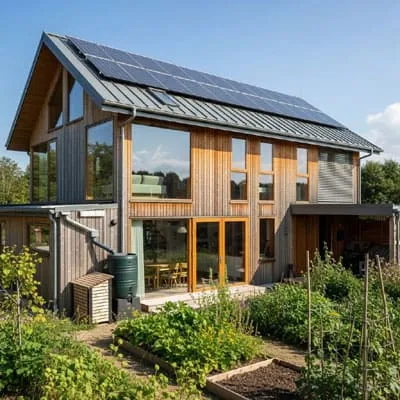
Positive energy homes go further by generating excess energy for the grid.
Combining green tech homes with battery storage, smart grids, and renewable technologies enables this shift. These homes represent the pinnacle of green homes building, contributing to a sustainable energy future.
Designing for net-zero requires intentionality, deep technical knowledge, and collaboration across disciplines.
Biophilic Design and Urban Green Integration
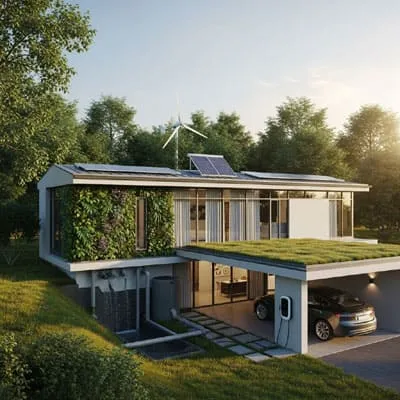
Biophilic design, emphasizing natural elements and connections to nature, is gaining prominence in green homes building.
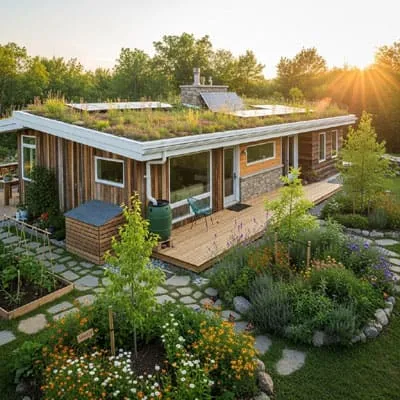
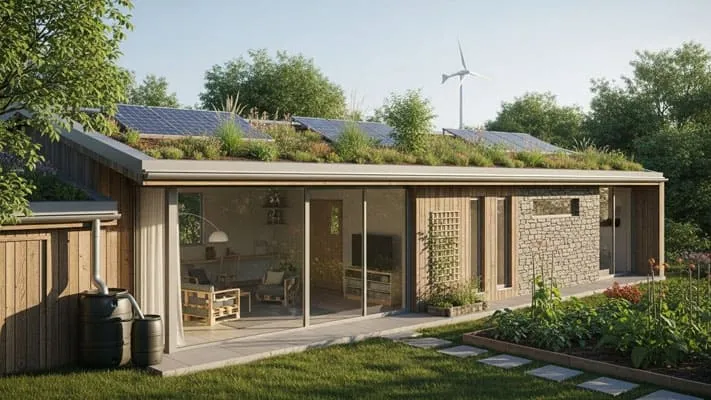
Features include green roofs, living walls, and indoor gardens that improve air quality and occupant wellbeing.
Urban integration of green spaces enhances community resilience and biodiversity. These elements support a calm, human-centered living environment that balances technology and nature.
Future green homes will blend architectural innovation with environmental stewardship seamlessly.
Sustainable Residential Design
Green homes building, green tech homes, and green homes systems represent a comprehensive approach to sustainable residential design. By combining passive strategies, advanced technologies, and human-centered principles, these homes reduce environmental impact while enhancing occupant wellbeing and saving money.
As climate challenges intensify, adopting green homes systems becomes not only an architectural choice but a social responsibility. Embracing these innovations with intentionality and care will shape the future of residential living and contribute to a healthier planet.
Frequently Asked Questions
What Defines a Green Home Building?
A green home building is designed and constructed using sustainable materials and technologies that reduce environmental impact, increase energy efficiency, and improve occupant health. It integrates systems like renewable energy, water conservation, and smart controls to optimize performance.
How Do Green Tech Homes Save Energy?
Green tech homes save energy through passive design, high-efficiency HVAC systems, renewable energy integration, and smart automation. These strategies reduce reliance on fossil fuels and optimize energy use based on real-time conditions and occupant behavior.
Are Green Homes Systems Expensive to Install?
While initial costs can be higher due to advanced materials and technology, green homes systems often lead to significant long-term savings on utilities and maintenance. Incentives and rebates further reduce upfront expenses, making them financially viable.
Can Green Homes Systems Improve Indoor Air Quality?
Yes, green homes systems often include enhanced ventilation, low-emission materials, and moisture control measures that significantly improve indoor air quality, promoting better respiratory health and comfort for occupants.
What Future Technologies Will Impact Green Homes Building?
Future technologies include AI-driven energy management, net-zero and positive energy home designs, and biophilic elements like living walls and green roofs. These innovations will make green homes more efficient, resilient, and connected to nature.

Architect with extensive experience in residential and commercial design, including renovations and modular construction. Love to share information about Architecture, home and lifestyle in this blog.