
Urban gardening has become an essential practice for city dwellers seeking fresh, homegrown produce. Compact hydroponic systems, microgreens, and vegetable garden DIY techniques offer innovative ways to cultivate food efficiently in limited spaces. These methods are not only sustainable but also promote food security and healthier living.
With increasing urban density and climate challenges, traditional gardening often isn’t feasible. Compact hydroponic systems allow for soil-free cultivation, saving space and resources, while microgreens provide nutrient-rich harvests in just days. DIY vegetable gardens empower individuals to customize their growing environments and reconnect with nature within their own homes.
This article explores seven key aspects of urban gardening, focusing on compact hydroponic systems, microgreens, and do-it-yourself vegetable gardens. It addresses practical design, systems setup, climate considerations, and maintenance strategies, all grounded in architectural insight for real-life application.
Innovative Compact Hydroponic Systems for Urban Spaces
Design Principles Behind Compact Hydroponic Systems
Compact hydroponic systems emphasize efficiency and adaptability, designed to fit within small urban environments such as balconies, rooftops, or window sills. These systems prioritize water conservation, minimal nutrient waste, and space-saving layouts. Modular designs allow users to scale their gardens easily.
Materials selection is crucial; lightweight, durable, and non-toxic elements ensure longevity and safety. Incorporating vertical farming techniques enhances yield per square foot, making the system ideal for apartment dwellers or small homes.
By integrating technology such as automated nutrient dosing and LED grow lights, these systems optimize plant growth while reducing manual labor. This architectural approach highlights function over decoration, focusing on well-being within confined spaces.
Types of Compact Hydroponic Systems
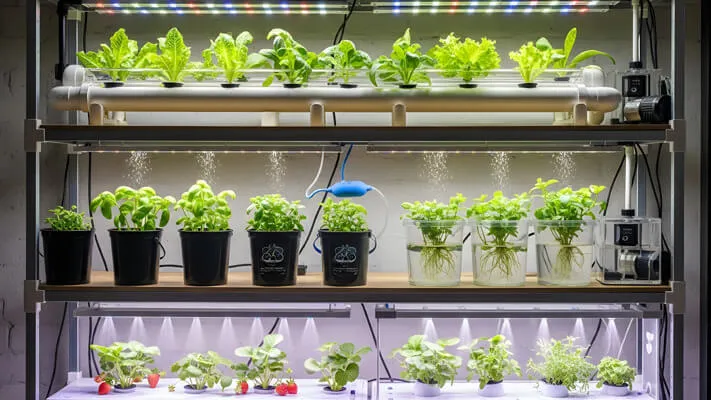
Several hydroponic system types suit compact urban gardening, including nutrient film technique (NFT), deep water culture (DWC), and aeroponics. NFT gently flows nutrient solution over roots, ideal for leafy greens and microgreens.
DWC suspends roots in oxygenated nutrient water, promoting rapid growth and simplicity in setup. Aeroponics mist roots with nutrients, maximizing oxygen exposure for accelerated plant development.
Each system balances space, maintenance, and yield differently, allowing gardeners to select based on their specific constraints and goals. Integration with smart monitoring tools enhances control over growth conditions for consistent results.
Benefits of Using Compact Hydroponic Systems
- Efficient use of limited space in urban settings
- Reduced water consumption compared to soil gardening
- Faster crop cycles and higher yields
- Less exposure to pests and soil-borne diseases
- Year-round growing capability regardless of climate
Hydroponics eliminates soil dependency, making it possible to cultivate food indoors, independent of outdoor conditions. This flexibility addresses urban challenges such as pollution and limited green areas while fostering healthier food production.
| System Type | Space Requirement | Maintenance Level |
|---|---|---|
| Nutrient Film Technique (NFT) | Low | Medium |
| Deep Water Culture (DWC) | Medium | Low |
| Aeroponics | Low | High |
Growing Microgreens: A Fast, Nutritious Urban Crop
Microgreens Varieties Suitable for Small Gardens
- Sunflower
- Radish
- Broccoli
- Pea shoots
- Basil
- Cilantro
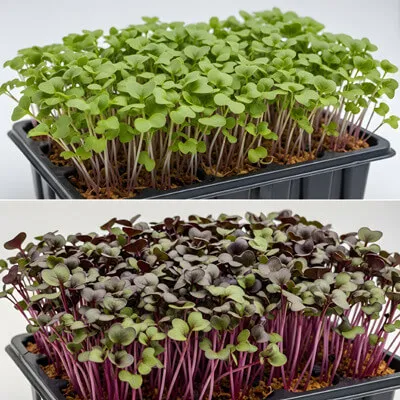
Microgreens are young vegetable greens harvested just after the cotyledon leaves develop. Their quick growth cycle, often under two weeks, makes them perfect for urban gardeners seeking rapid yields. Varieties like sunflower and radish offer robust flavors, while herbs such as basil add culinary versatility.
Because microgreens require minimal space, they thrive in compact hydroponic setups or simple soil trays on windowsills. Their dense nutrient profile supports health-conscious lifestyles, providing vitamins, minerals, and antioxidants in a small package.
Techniques for Growing Microgreens Indoors
Indoor microgreen cultivation requires well-draining trays, quality seeds, and controlled light conditions.
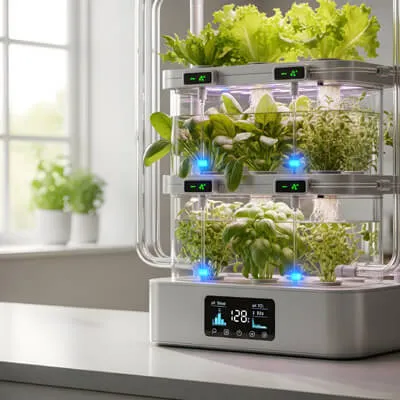
Using LED grow lights tuned to the red and blue spectrum stimulates photosynthesis efficiently, compensating for limited natural light.
Maintaining consistent moisture without waterlogging is essential to prevent mold and root rot. Many growers use misting systems or humidity domes to create optimal microclimates.
Harvesting at the right time, just before true leaves emerge, ensures peak flavor and nutrient density. This precise timing supports continuous production cycles in small urban setups.
Health and Culinary Benefits of Microgreens
Microgreens pack higher nutrient concentrations than mature vegetables, including vitamins C, E, and K, as well as carotenoids and polyphenols. Their antioxidant properties support immune function and reduce inflammation.
In culinary applications, these greens add vibrant color, texture, and flavor to salads, sandwiches, and garnishes. Growing microgreens at home guarantees freshness and avoids pesticides often found in store-bought options.
The quick turnaround time and diversity of flavors make microgreens a popular choice for urban gardeners committed to healthy eating and sustainable living.
DIY Vegetable Garden Ideas for Urban Homes
Creating Vegetable Gardens in Small Indoor Spaces
- Container gardening with pots or recycled materials
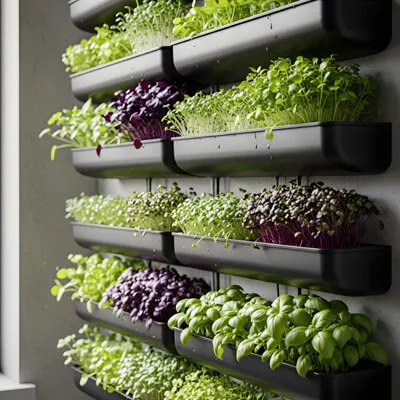
- Vertical gardens using wall-mounted planters
- Windowsill herb and vegetable trays
- Stacked planters and tiered shelves
- Repurposed furniture as raised garden beds
- Hydroponic DIY kits
Urban dwellers can leverage creativity to convert small indoor spaces into productive vegetable gardens. Containers of various sizes and materials allow mobility and flexibility, essential for light access and maintenance.
Vertical gardens maximize limited floor space by growing upwards, using walls or railings. Stacking planters and shelves create layered planting zones, enabling diverse crops in compact areas.
DIY hydroponic kits simplify installation while providing modern growing advantages. These approaches reflect intentional design, prioritizing human interaction with plants within urban homes.
Essential Tools and Materials for Vegetable Garden DIY
Successful DIY vegetable gardens require carefully selected tools and materials.
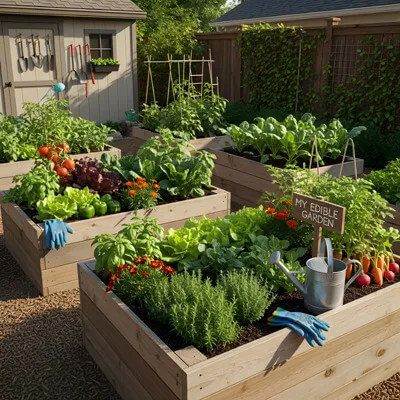
Durable containers with drainage holes prevent root rot, while quality potting mix ensures nutrient availability and aeration.
Additional tools include pruning shears, watering cans, soil moisture meters, and grow lights for low-light environments. Using biodegradable or recycled materials aligns with sustainable practices.
Gardeners should consider ergonomic design for ease of use, especially in tight or elevated spaces, to maintain a calm and intentional gardening experience throughout the seasons
Planning and Maintenance for Urban Vegetable Gardens
Effective planning involves choosing crops suited to space and climate, arranging plants for optimal light exposure, and scheduling planting to ensure continuous harvests. Companion planting can improve pest management and growth.
Maintenance routines include regular watering, nutrient supplementation, pruning, and monitoring for pests or diseases. Integrating rainwater harvesting or greywater systems can enhance sustainability.
Scheduling time for mindful interaction with the garden supports mental well-being and fosters a deeper connection with the food-growing process.
| Material | Purpose | Recommended Use |
|---|---|---|
| Terracotta Pots | Breathable container | Indoor herbs, small vegetables |
| Plastic Containers | Lightweight, reusable | Hydroponics, seedlings |
| Grow Lights | Supplement natural light | Indoor or low-light areas |
Climate-Aware Urban Gardening Strategies
Adapting Compact Hydroponic Systems to Climate Variability
Urban climates can be unpredictable, with temperature fluctuations and microclimates affecting plant growth.
Compact hydroponic systems can be customized with climate controls like heating mats, ventilation fans, and humidity regulators to maintain optimal conditions year-round.
These adaptations mitigate risks from extreme weather, ensuring steady production despite external environmental stressors. Urban gardeners can monitor and adjust nutrient solutions to compensate for temperature-driven metabolic changes in plants.
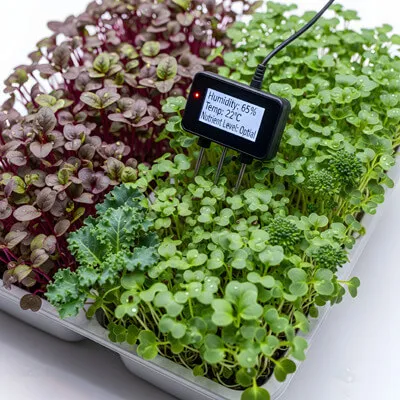
Smart sensors integrated with mobile apps allow remote monitoring, delivering data-driven insights to improve resilience and sustainability.
Seasonal Planning for Microgreens and Vegetables
Seasonality plays a critical role in urban gardening success. Microgreens, with their rapid growth cycles, fill gaps between seasonal crops, providing continuous fresh produce. Selecting cold-tolerant varieties extends growing seasons during cooler months.
DIY vegetable gardens should incorporate season-specific crops, rotating plant types to maintain soil health and reduce pest buildup. Using grow lights and insulated containers can simulate favorable conditions off-season.
This strategic planning aligns with slow gardening principles, promoting patience and care for each growth phase in harmony with the natural environment.
Water and Resource Efficiency in Urban Gardens
Water scarcity and resource limitations are common urban challenges. Compact hydroponic systems excel in water use efficiency by recirculating nutrient solutions, minimizing waste.
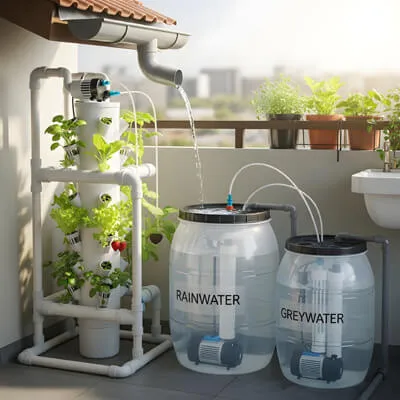
Rainwater harvesting and greywater reuse further reduce dependency on municipal water supplies.
Mulching and drip irrigation techniques in soil-based DIY gardens conserve moisture and reduce evaporation. Choosing native or drought-tolerant plants lowers overall resource demands.
Integrating resource-efficient methods fosters resilience in urban food production and aligns with environmentally conscious architectural practices.
Architectural Integration of Urban Gardens
Designing Spaces for Compact Hydroponic Systems
Integrating hydroponic gardens into architectural spaces requires thoughtful design to balance aesthetics, function, and human comfort.
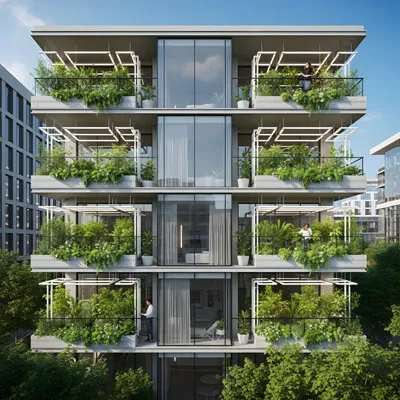
Built-in wall units, under-counter systems, and balcony installations optimize space usage without compromising living areas.
Materials and finishes should complement interior design while withstanding moisture and nutrient exposure. Strategic placement near natural light sources enhances energy efficiency and plant growth.
This architectural approach emphasizes calm, intentional living environments where urban gardening supports daily routines seamlessly.
Incorporating Microgreens Into Kitchen and Living Areas
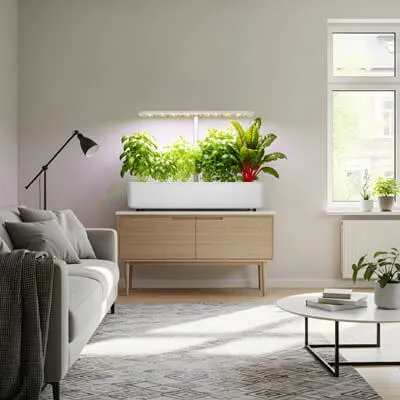
Microgreens cultivation fits naturally within kitchen or living spaces, adding greenery and fresh food sources close to meal preparation zones.
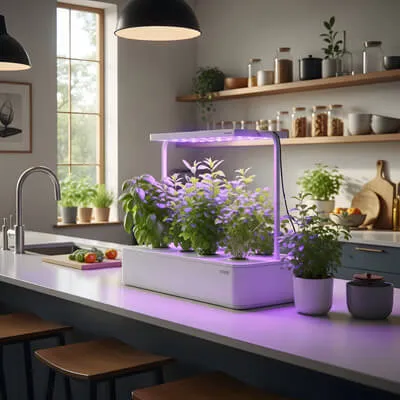
Compact trays or vertical stands can serve as living décor with practical benefits.
Design considerations include light access, ventilation, and ease of maintenance to ensure plants thrive without disrupting household activities.
By bringing nature indoors, microgreens contribute to healthier atmospheres and encourage mindful eating habits aligned with sustainable lifestyles.
Outdoor and Balcony Vegetable Garden Designs
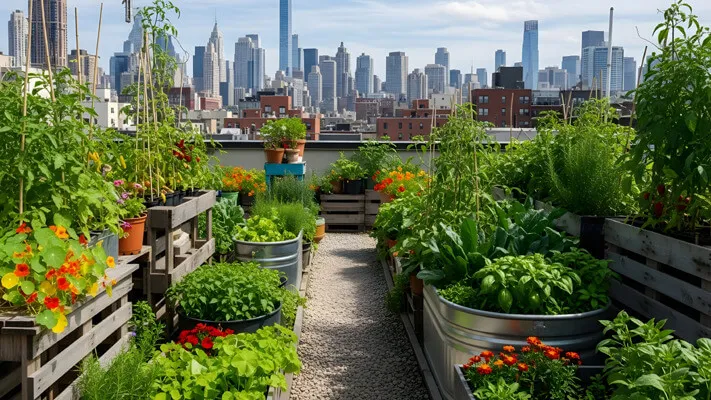
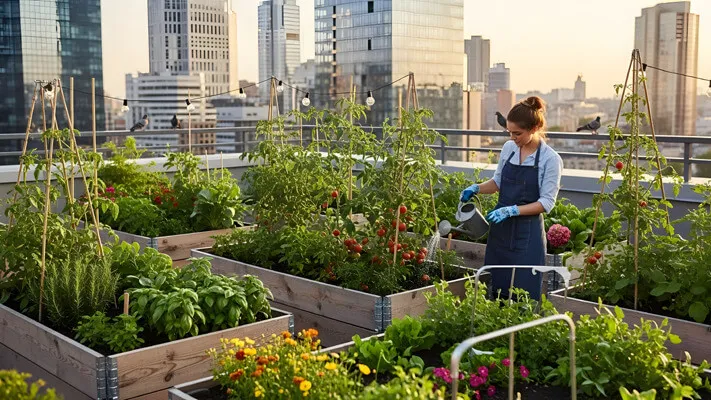
Balcony and rooftop gardens extend urban growing opportunities, offering direct sunlight and fresh air. Modular planter systems, vertical trellises, and raised beds maximize productivity in these areas.
Incorporating weather-resistant materials and drainage solutions protects structural integrity and ensures longevity. Designing with human scale and movement flow in mind creates inviting green spaces for relaxation and food cultivation.
This intentional design respects both the built environment and the gardener’s lifestyle, fostering slow, purposeful interaction with nature.
| Garden Type | Best Location | Architectural Considerations |
|---|---|---|
| Indoor Hydroponic System | Kitchen, Balcony | Lighting, moisture control |
| Microgreens Tray | Windowsill, Living Room | Light access, ventilation |
| Balcony Vegetable Garden | Outdoor Balcony, Rooftop | Drainage, weather resistance |
Optimizing Growth with Sustainable Practices
Organic Nutrient Solutions for Hydroponics
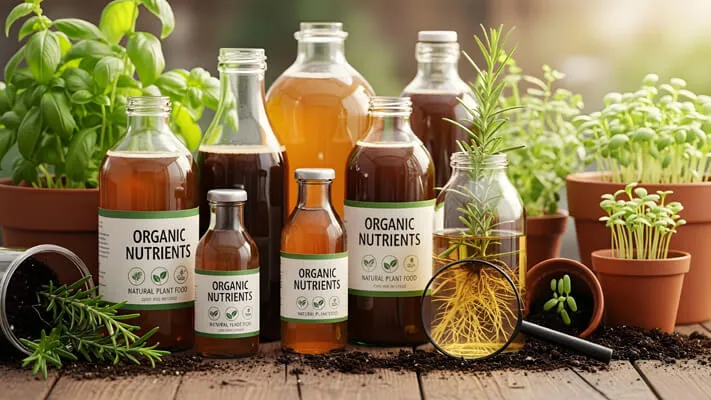
Using organic nutrient solutions in hydroponic systems supports sustainability and reduces chemical inputs. These solutions are derived from compost teas, seaweed extracts, and fish emulsions, providing essential macro and micronutrients.
Organic nutrients enhance microbial activity around roots, improving plant health and flavor profiles. They also align with eco-conscious gardening principles, minimizing environmental impact.
Balancing nutrient concentrations and monitoring pH are critical to maintaining system stability and maximizing crop yields.
Composting and Waste Reduction in DIY Vegetable Gardens
Composting kitchen scraps and garden waste enriches soil and reduces landfill contributions.
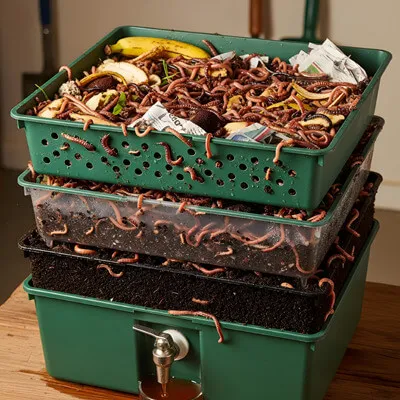
Urban gardeners can use small worm bins or bokashi systems for efficient composting in limited spaces.
Recycling organic matter builds soil fertility and supports microbial life, crucial for healthy plant growth. Waste reduction practices also include repurposing containers and minimizing plastic use.
These strategies cultivate a closed-loop system, embodying slow and intentional gardening values that emphasize ecological balance.
Energy Efficiency and LED Lighting Solutions
Energy-efficient LED grow lights reduce electricity consumption while delivering targeted light spectrums optimal for photosynthesis. Selecting adjustable intensity and timers helps mimic natural light cycles.
Integrating solar power or energy storage systems can further reduce carbon footprints associated with indoor gardening. Architects and gardeners should collaborate to optimize lighting placement and minimize heat generation.
This synergy between technology and design promotes sustainable urban food growing that respects environmental and human needs.
Maintenance and Troubleshooting of Urban Gardens
Common Issues in Compact Hydroponic Systems
- Algae growth in nutrient reservoirs
- Nutrient imbalances causing deficiencies
- Root diseases due to poor oxygenation
- Pest infestations like fungus gnats
- System leaks or pump failures
Regular cleaning and monitoring prevent algae buildup and nutrient imbalances. Ensuring adequate oxygen levels and maintaining pump function are vital to system health. Early pest detection and integrated pest management reduce crop loss.
Understanding these common issues helps gardeners maintain productivity and extend system lifespan.
Best Practices for Microgreens and Vegetable Garden Care
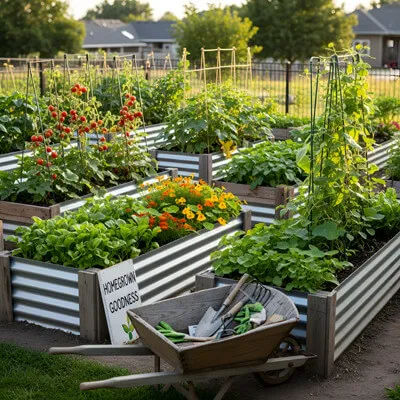
Routine care includes proper watering, timely harvesting, and pest management. Microgreens need frequent misting and ventilation, while vegetable gardens benefit from mulching and fertilization.
Monitoring plant health allows early intervention for diseases or nutrient deficiencies. Pruning and thinning support airflow and light penetration, enhancing growth conditions.
These practices foster resilient gardens that thrive with minimal stress, aligned with a calm and intentional gardening philosophy.
Tools and Resources for Effective Garden Maintenance
Essential tools include moisture meters, pH testers, pruning shears, and pest traps. Digital apps for garden tracking help schedule watering and nutrient dosing.
Access to online forums, local gardening groups, and extension services provides valuable support and troubleshooting advice. Investing in quality tools and reliable information equips gardeners for success.
Continuous learning and adaptation ensure urban gardens remain productive and rewarding spaces.
| Issue | Cause | Solution |
|---|---|---|
| Algae Growth | Light exposure to reservoirs | Cover reservoirs, clean regularly |
| Root Rot | Poor oxygenation | Improve aeration, clean roots |
| Pest Infestation | High humidity, stagnant air | Use natural predators, increase airflow |
Community and Social Impact of Urban Gardening
Building Neighborhood Food Resilience
Community gardens and shared hydroponic installations enhance food security and social cohesion. Urban residents gain access to fresh produce, reducing reliance on long supply chains vulnerable to disruptions.
These projects foster education, skill sharing, and empowerment, particularly in underserved areas. Collaborative gardening supports mental health and promotes sustainable urban living.
Architectural integration of communal garden spaces encourages interaction and collective care, strengthening neighborhood bonds.
Educational Opportunities and Skill Development
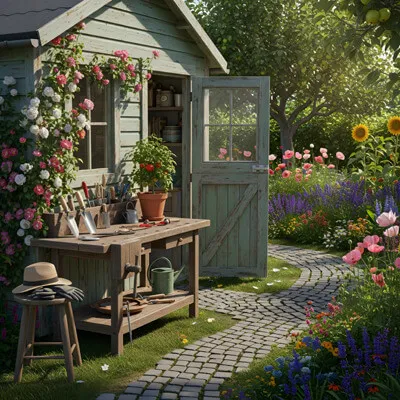
Urban gardens serve as living classrooms for children and adults, teaching biology, ecology, and nutrition. Hands-on experience with compact hydroponic systems and microgreens cultivates technical and problem-solving skills.
Workshops and demonstration projects inspire innovation and environmental stewardship. These learning opportunities support lifelong engagement with sustainable food systems.
Embedding gardens in schools or community centers maximizes accessibility and impact.
Promoting Well-Being and Connection to Nature
Gardening in urban environments reconnects individuals with natural rhythms and fosters mindfulness. The slow, intentional care required cultivates patience and reduces stress.
Exposure to greenery and fresh air improves mental health and indoor air quality. Microgreens and vegetable gardens offer daily reminders of growth and renewal.
This human-centered approach to urban design enriches life quality and encourages sustainable behaviors.
Sustainable solutions
Compact hydroponic systems, microgreens, and vegetable garden DIY techniques provide practical and sustainable solutions for growing food in small urban spaces. These approaches optimize limited areas, conserve resources, and enhance food security while integrating seamlessly into modern lifestyles.
By adopting climate-aware, architecturally informed strategies, urban gardeners can create thriving green spaces that nurture both people and the environment. Embracing this intentional, slow gardening mindset invites reflection on how we cultivate not just plants but healthier, more connected lives.
FAQ
What Are the Advantages of Compact Hydroponic Systems over Traditional Soil Gardening?
Compact hydroponic systems use less space and water, allow faster growth cycles, and reduce pest and soil-borne disease exposure. They are well-suited for urban environments where soil access is limited or contamination is a concern.
How Quickly Can I Harvest Microgreens Using a Compact Hydroponic System?
Microgreens typically mature within 7 to 14 days after germination. Using compact hydroponic systems with controlled light and nutrient delivery can optimize growth rates and enable multiple harvests per month.
Can I Build a DIY Vegetable Garden If I Have No Prior Gardening Experience?
Yes. DIY vegetable gardens can be tailored to your skill level, starting with simple container setups and gradually expanding. Many resources and community groups provide guidance to help beginners succeed.
How Do I Manage Water Usage Efficiently in an Urban Garden?
Utilize water-saving techniques such as drip irrigation, rainwater harvesting, and recycling greywater. Compact hydroponic systems inherently use less water by recirculating nutrient solutions, making them ideal for urban conservation.
What Are the Best Plants to Grow in Small Indoor Hydroponic Systems?
Leafy greens like lettuce, spinach, kale, and herbs such as basil and cilantro thrive in small hydroponic setups. Microgreens are also excellent choices due to their rapid growth and minimal space requirements.
For further insights on hydroponics and urban gardening techniques, consult authoritative sources such as the Environmental Protection Agency and the Urban Agriculture Network.

Architect with extensive experience in residential and commercial design, including renovations and modular construction. Love to share information about Architecture, home and lifestyle in this blog.