
Sculpture plays a critical role in defining the atmosphere and character of interior spaces. It transcends simple decoration by offering a profound visual and emotional experience, often becoming the centerpiece around which a room’s design revolves. Understanding how to use fine art, especially sculptures, as a statement piece can elevate residential interiors, reinforcing intentionality and calmness in design.
Many interiors neglect the potential of sculpture as an architectural element that interacts with light, space, and human presence. This oversight results in spaces that feel decorative but lack depth and connection to how people actually live. Integrating fine art thoughtfully requires balancing aesthetics with functionality, climate sensitivity, and cultural context.
In this article, we will explore practical and conceptual approaches to using sculpture as a statement piece in interiors. Each section will provide architectural insights, including materials, placement strategies, and how fine art relates to the overall spatial narrative.
Elevating Interiors with Fine Art Sculpture
Defining Fine Art Sculpture in Residential Spaces
Fine art sculpture in interiors transcends mere decoration; it acts as an architectural element that shapes the spatial experience. Sculptures introduce texture, form, and volume, creating focal points that engage occupants visually and emotionally. These pieces can be crafted from diverse materials such as bronze, marble, wood, or mixed media, each adding unique character to the living environment.
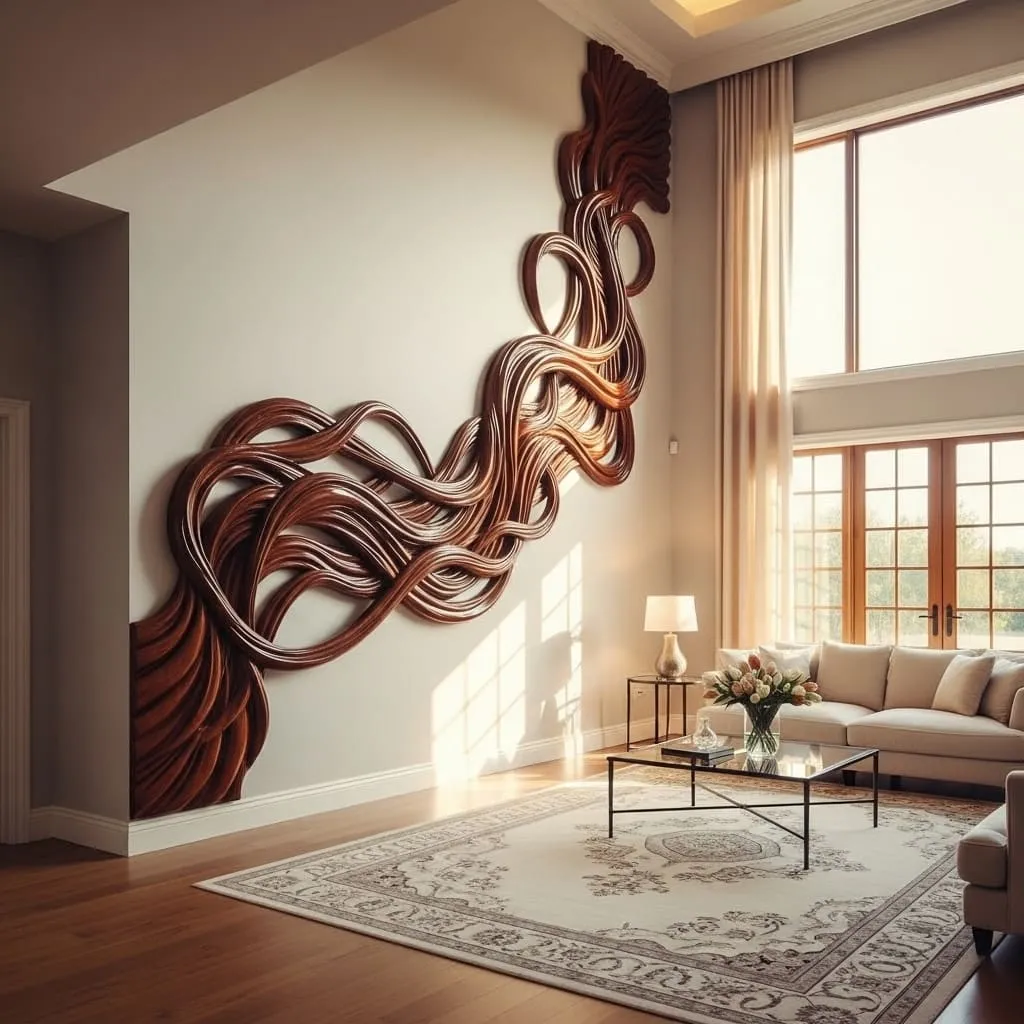
When integrated thoughtfully, sculptures complement the architectural language of a home, reinforcing its design intentions. Their presence encourages a dialogue between the occupant and the space, fostering a human-centered atmosphere that resonates with the rhythms of everyday life.
Understanding this relationship is essential for architects and designers aiming to create interiors that feel intentional and calm, where fine art sculptures are not accessories but integral components of the living experience.
Impact of Sculpture on Spatial Dynamics
The placement of a sculpture influences how people perceive and navigate a room. Sculptures can delineate zones, direct circulation, and alter the balance of light and shadow. Their three-dimensional nature contrasts with flat surfaces, adding depth and dynamism to interiors.
Spatial awareness is crucial when selecting sculptures. Oversized pieces might overwhelm, while subtle, smaller forms can invite closer interaction. Architects must consider scale, proportion, and sightlines to ensure that sculptures enhance rather than disrupt the spatial flow.
Moreover, sculptures engage with natural and artificial lighting to create evolving visual narratives throughout the day, emphasizing the slow, intentional quality that fine art brings to interiors.
Materials and Sustainability in Fine Art
The choice of materials in fine art sculpture reflects both aesthetic and environmental considerations. Sustainable practices favor natural, locally sourced materials that age gracefully and minimize ecological impact. Bronze, stone, reclaimed wood, and ceramics are common choices aligned with climate-aware design.
Using sustainable materials not only supports environmental responsibility but also enriches the tactile and sensory experience of interiors. The texture and patina of natural materials connect occupants to the passage of time and the rhythms of nature.
Architects and artists are increasingly collaborating to ensure sculptures align with broader sustainability goals, making fine art a conscious and enduring element of residential design.
Incorporating Sculptural Fine Art in Interior Design
Strategies for Statement Piece Placement
- Identify architectural focal points such as entryways or central rooms
- Consider sightlines from multiple perspectives for visual impact
- Balance scale between sculpture and surrounding furnishings
- Utilize natural light to highlight textures and forms
- Integrate sculptures with functional elements like shelving or partitions
Placement strategies must respect the existing architectural language while introducing a compelling visual anchor. Fine art sculptures placed thoughtfully enhance both the calm and purposeful atmosphere of interiors.
Designers often experiment with positioning to achieve the best interaction between artwork, space, and inhabitant, ensuring the sculpture remains a living part of the environment rather than static decoration.
Lighting Techniques to Highlight Sculptures
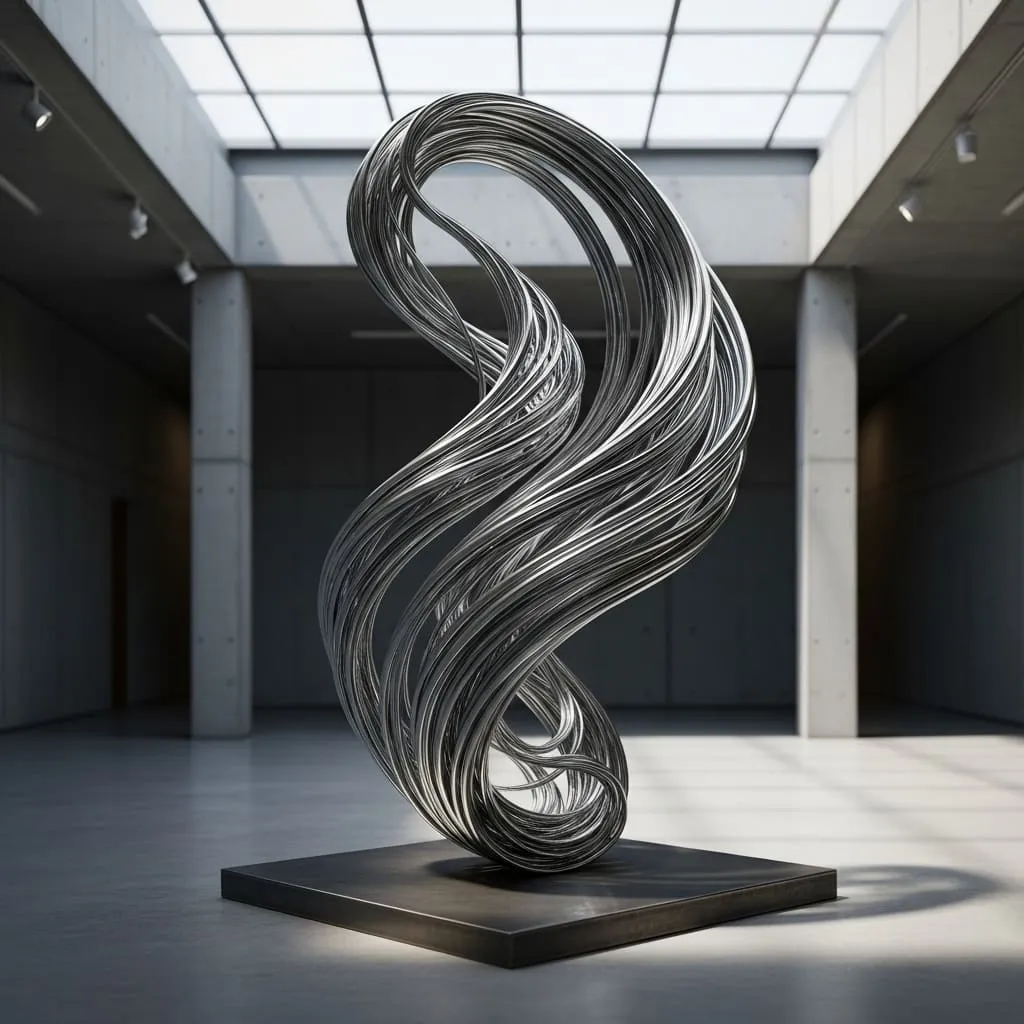
Lighting plays a crucial role in revealing the three-dimensional qualities of fine art sculptures. Directional spotlights can accentuate texture and shadow, while ambient lighting supports the overall calm mood of the interior.
Layered lighting techniques, combining natural daylight with adjustable artificial sources, allow sculptures to transform over time and in different conditions. This slow evolution aligns with the intentional design ethos, encouraging occupants to engage with the art throughout the day.
Architects must collaborate closely with lighting designers to tailor illumination that complements both the sculpture’s materiality and the surrounding architecture.
Curating Sculptural Collections for Residential Settings
Curating a collection of sculptures requires a cohesive vision that harmonizes diverse forms and materials. A well-curated selection balances contrasts and affinities, reinforcing the narrative of the home’s interior.
Considerations include thematic continuity, scale variation, and emotional resonance. Collectors often prioritize pieces that reflect personal stories or cultural heritage, enhancing the human-centered quality of the space.
This curatorial approach ensures that fine art sculptures feel integrated and purposeful, fostering a sense of place and identity within residential interiors.
| Material | Climate Impact | Visual Texture |
|---|---|---|
| Bronze | Durable, recyclable | Rich patina, reflective |
| Marble | Natural, long-lasting | Smooth, polished or raw |
| Reclaimed Wood | Low carbon footprint | Organic, warm grain |
Architectural Integration of Fine Art Sculptures
Embedding Sculptures Into Structural Elements
Architects increasingly incorporate sculptures as part of structural features such as staircases, columns, or built-in niches. This integration blurs the line between art and architecture, creating spaces that are inherently expressive.
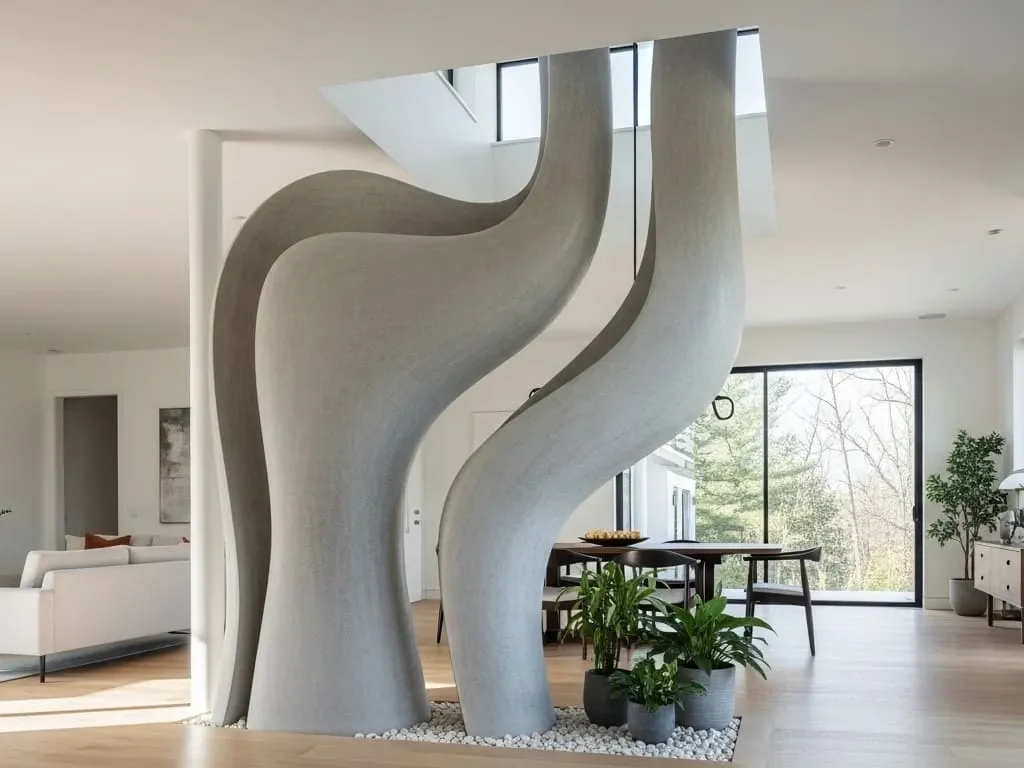
Embedding sculptures requires collaboration between artists, engineers, and architects to ensure safety, durability, and visual harmony. The results are interiors where fine art enhances the architectural narrative rather than existing separately.
Such integration supports a climate-aware approach by minimizing additional materials and emphasizing permanence and quality.
Creating Dialogue Between Art and Architecture
Fine art sculptures foster a dynamic conversation with architectural forms. Curves can echo the geometry of walls; materials can contrast or complement finishes. This dialogue enriches the spatial experience and deepens human connection to place.
Designers must consider proportions, texture, and context to ensure the sculpture resonates meaningfully with its environment. When successful, this relationship elevates both the art and the architecture, creating a unified whole.
This approach embodies the slow, intentional design philosophy valued in contemporary residential projects.
Incorporating Cultural and Contextual References
Architectural interiors grounded in local culture and history gain authenticity through fine art sculptures that reference these elements.
This contextualization enhances the narrative quality of the space, rooting it in a specific time and place.
Such sculptures can draw from indigenous techniques, regional materials, or historic motifs, creating a bridge between tradition and modern living. This enriches the human experience and fosters a sense of belonging.
Architects must research and collaborate with artists to embed these cultural references meaningfully and respectfully.
Fine Art as a Catalyst for Emotional Connection
Evoking Calm Through Sculptural Forms
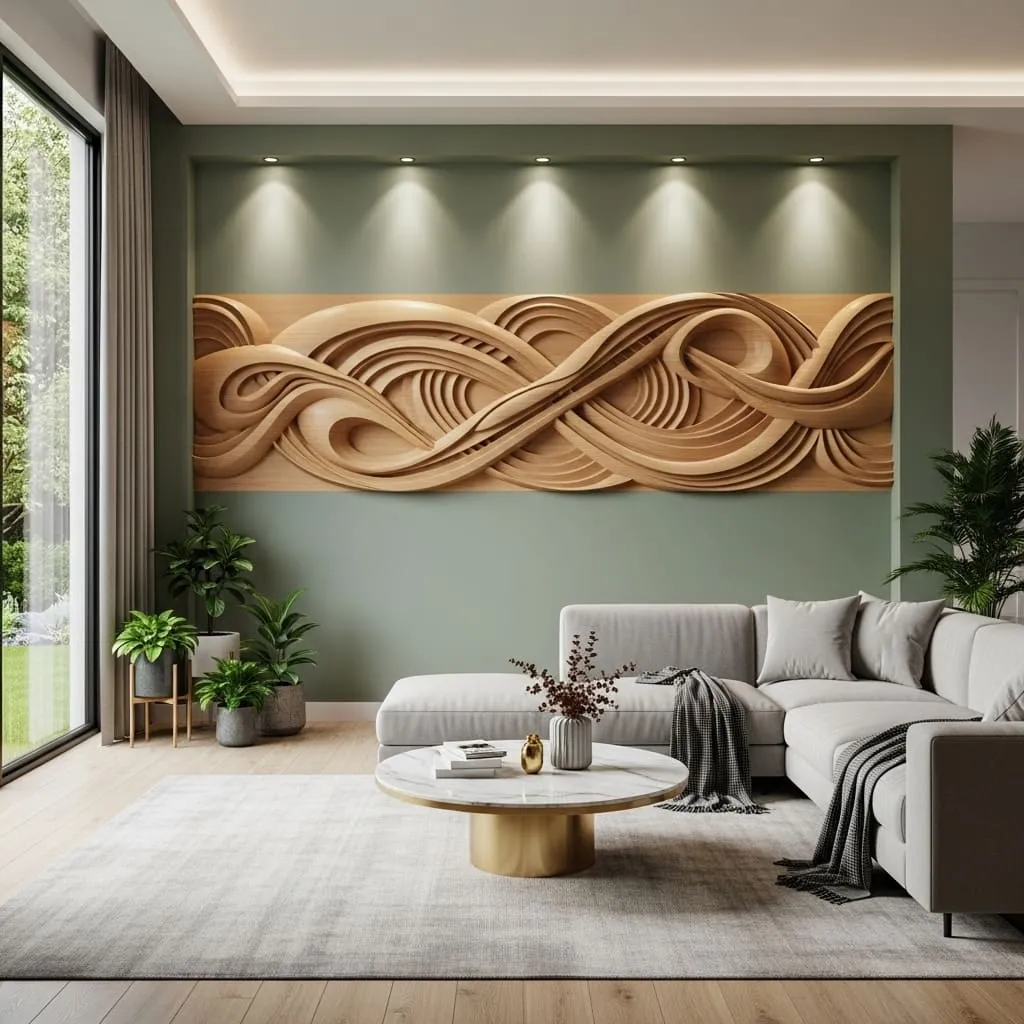
Sculptures with organic, flowing shapes often evoke tranquility and softness within interiors. These forms contrast with rigid architectural lines, creating moments of pause and reflection.
Choosing sculptures that embody simplicity and balance encourages calmness, aligning with human-centered design principles. The tactile nature of sculpture invites sensory engagement, further enhancing emotional well-being.
Such art pieces become anchors of serenity, supporting mindful living and slow design philosophies.
Intentionality in Selecting Statement Pieces
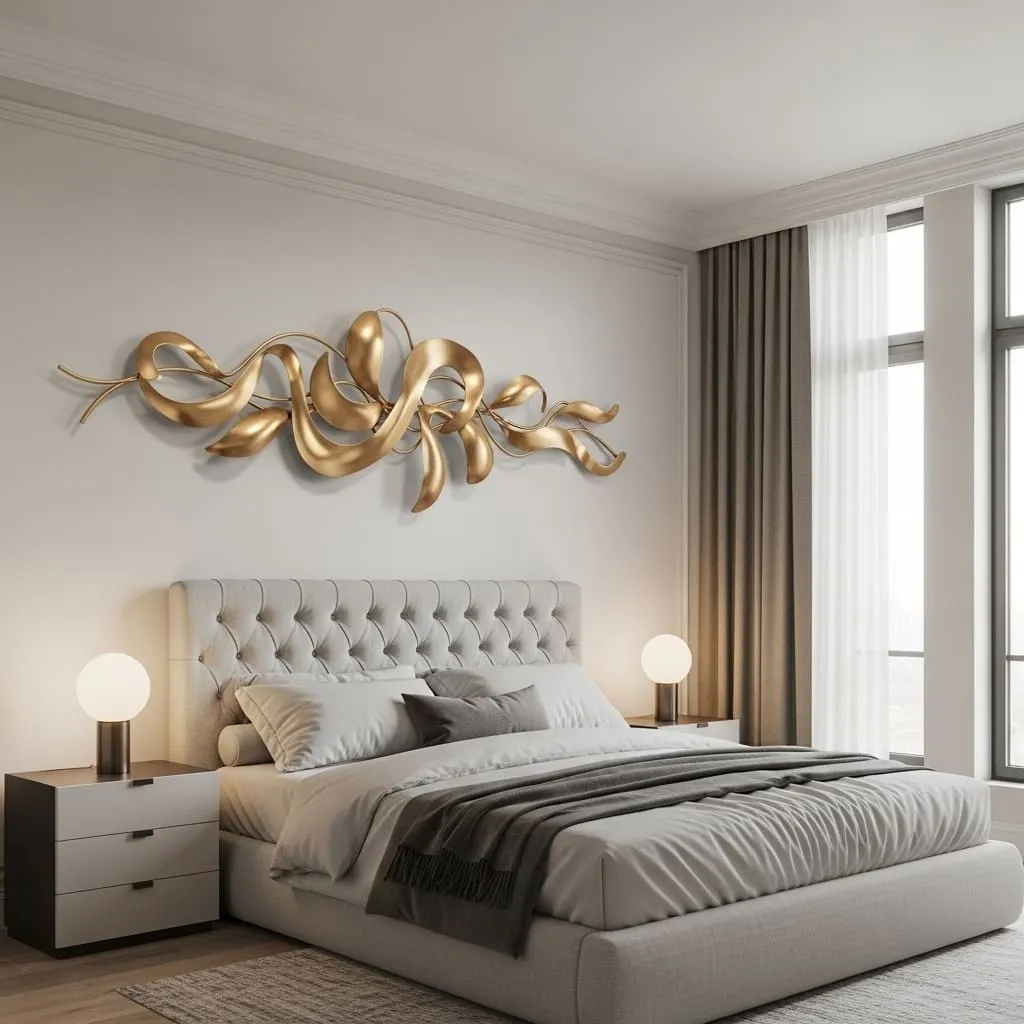
Intentional selection of sculptures involves understanding their symbolic and emotional impact. Statement pieces should resonate deeply with occupants, reflecting values, memories, or aspirations.
This purposeful choice fosters personal connection and transforms interiors into meaningful environments rather than mere aesthetic displays. It supports a narrative coherence that integrates art, architecture, and life.
Architects guide clients in this process, ensuring each sculpture contributes to the overall vision and quality of the home.
Encouraging Interaction and Engagement
Fine art sculptures positioned for tactile or visual interaction encourage occupants to engage actively with their environment. This interaction nurtures curiosity and presence, enriching daily life.
Designers may incorporate seating or pathways that invite close observation or touch, creating multi-sensory experiences. This human-centered approach enhances the connection between people and space.
Interactive sculptures support the slow, deliberate pace of living that contemporary residential architecture aspires to cultivate.
Practical Considerations for Fine Art in Interiors
Maintenance and Preservation of Sculptures
- Regular dusting with soft cloths to avoid abrasion
- Controlling humidity and temperature to prevent material degradation
- Avoiding direct sunlight exposure to preserve color and texture
- Using professional restoration services when necessary
- Implementing secure mounting or display systems
Proper maintenance ensures the longevity and aesthetic integrity of fine art sculptures, allowing them to remain impactful over time. Architects and homeowners must collaborate to establish care routines aligned with material sensitivities.
Balancing Safety and Accessibility
Sculptures, especially large or heavy ones, require secure installation to ensure safety without compromising accessibility. This is crucial in residential settings where families and guests interact with the space daily.
Architects consider placement to avoid obstructing circulation while maintaining visual prominence. Protective barriers or strategic positioning may be necessary to prevent accidents.
Balancing these factors fosters an environment that is both inspiring and secure.
Budgeting for Fine Art Investments
Investing in fine art sculptures requires thoughtful budgeting that accounts for acquisition, installation, and maintenance costs. Quality materials and craftsmanship justify the expense by ensuring durability and timeless value.
Architects assist clients in prioritizing pieces that align with design goals and long-term vision, often recommending emerging artists or local artisans for cost-effective options.
Strategic budgeting enables integrating fine art without compromising other essential project elements.
| Aspect | Considerations | Benefits |
|---|---|---|
| Maintenance | Material-specific care, climate control | Longevity, preserved aesthetics |
| Safety | Secure mounting, circulation planning | Accident prevention, accessibility |
| Budget | Acquisition, installation, upkeep | Value retention, project balance |
Materials and Techniques Enhancing Fine Art Sculpture
Traditional Techniques and Their Modern Adaptations
Many fine art sculptures employ traditional techniques such as carving, casting, and modeling, adapted with contemporary tools and materials. This blend preserves craftsmanship while enabling innovative forms and finishes.
Modern technologies like 3D printing and laser cutting expand creative possibilities, allowing architects and artists to explore new spatial relationships and textures.
Understanding these techniques empowers designers to select sculptures that resonate with both historical richness and forward-looking expression.
Exploring Mixed Media and Experimental Materials
Contemporary fine art often integrates mixed media, combining metals, glass, textiles, and found objects to create layered meanings and tactile complexity.
These experimental materials challenge traditional boundaries between art and architecture.
Such sculptures add intrigue and diversity to interiors, stimulating engagement and reflection. They also allow for sustainable practices by repurposing materials and minimizing waste.
Architects embrace these innovations to foster interiors that feel fresh, intentional, and deeply human.
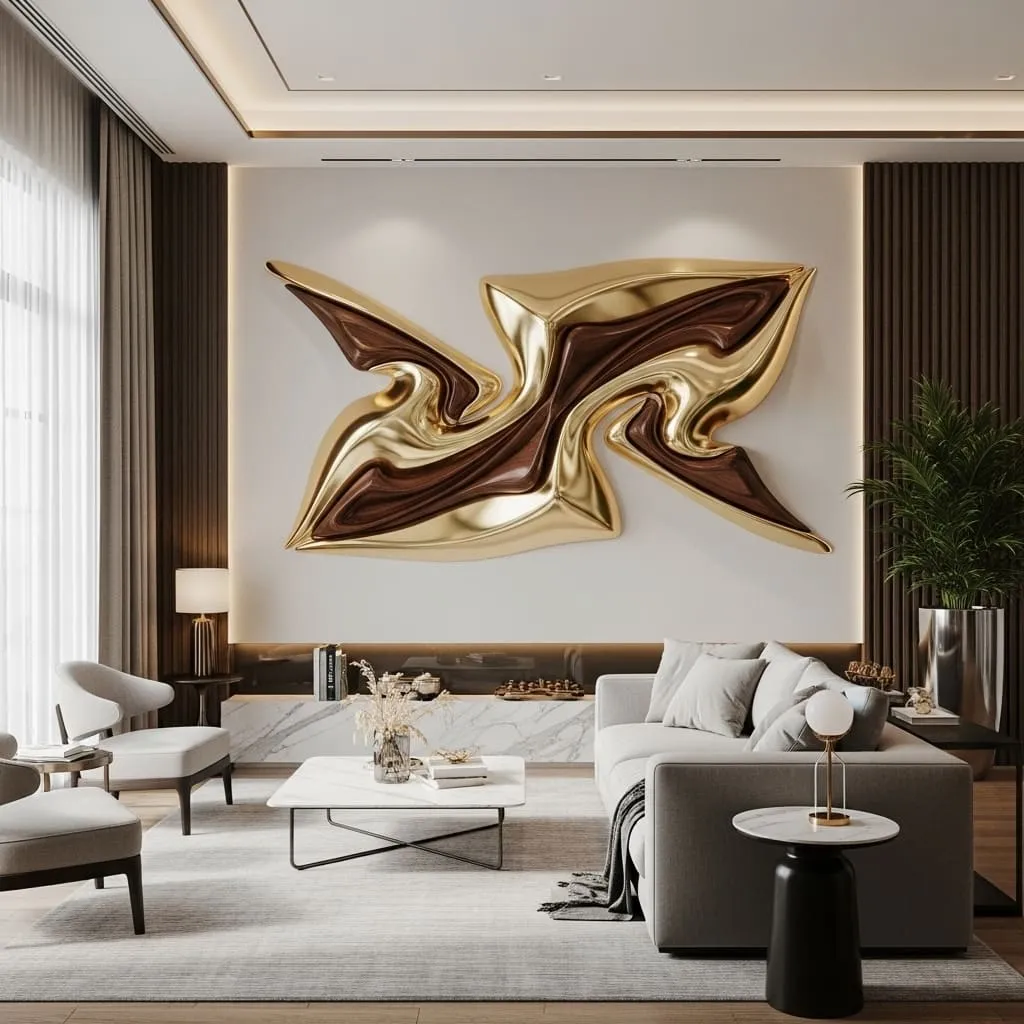
Craftsmanship and Artisanal Collaboration
Collaboration between architects and skilled artisans enhances the quality and authenticity of fine art sculptures. This partnership ensures that technical feasibility aligns with artistic vision, resulting in pieces that integrate seamlessly with interiors.
Artisanal craftsmanship emphasizes attention to detail, material integrity, and cultural significance, strengthening the emotional and sensory impact of sculptures.
Such collaborations embody the slow, deliberate design processes that characterize intentional, climate-aware architecture.
Curating Fine Art for Climate-Aware Interiors
Choosing Climate-Resilient Artworks
- Prefer materials resistant to humidity and temperature fluctuations
- Incorporate finishes that protect against UV damage
- Select sculptures designed for longevity and minimal maintenance
- Consider local climate conditions in material choice
- Use modular or movable pieces for adaptability
Climate resilience in fine art ensures that sculptures maintain their integrity and beauty despite environmental challenges. This consideration aligns with sustainable design principles and responsible stewardship.
Adapting Placement to Environmental Factors
Placement strategies must account for natural light exposure, airflow, and thermal conditions. Sculptures near windows may require protective glazing or repositioning to prevent damage.
Architects integrate environmental sensors and shading devices to regulate interior conditions, safeguarding fine art investments.
This proactive approach supports the longevity of sculptures while maintaining the calm, intentional atmosphere of interiors.
Supporting Local Artists and Sustainable Practices
Promoting local artists reduces the carbon footprint associated with transportation and supports regional cultural ecosystems. Many local artisans employ sustainable materials and eco-friendly production methods.
Incorporating locally sourced fine art strengthens the connection between architecture, place, and community. This grounded approach enriches residential interiors with authenticity and environmental responsibility.
Architects play a key role in facilitating these collaborations, ensuring that fine art aligns with both design and climate goals.
| Practice | Benefit | Example |
|---|---|---|
| Material Selection | Durability, sustainability | Reclaimed wood, bronze |
| Local Collaboration | Lower carbon footprint, authenticity | Regional artisanship |
| Environmental Controls | Preservation, comfort | UV filters, humidity regulation |
Sculptures
Fine art sculptures are powerful agents of architectural expression in residential interiors. By thoughtfully selecting materials, placement, and lighting, designers can create calm, intentional environments that resonate with how people truly live. These sculptures transcend decoration, becoming essential elements that enrich spatial experience and emotional connection.
Embracing sustainability, craftsmanship, and cultural context ensures fine art remains a lasting, meaningful investment. Consider integrating fine art sculptures in your next project to transform interiors into deliberate, human-centered spaces that inspire and endure.
Frequently Asked Questions (FAQ)
What Defines Fine Art Sculpture in Interior Design?
Fine art sculpture in interior design refers to three-dimensional artworks created for aesthetic and conceptual purposes, enhancing spatial experience beyond decoration. These pieces interact with architecture and lighting to create meaningful, human-centered environments.
How Can I Choose the Right Sculpture for My Home?
Select sculptures that resonate emotionally and harmonize with your interior’s scale, materials, and lighting. Consider your lifestyle and the space’s architectural language to ensure the art feels integrated and purposeful.
What Materials Are Best for Climate-aware Fine Art Sculptures?
Materials like bronze, marble, reclaimed wood, and ceramics are durable and sustainable choices that withstand environmental variations while offering rich textures and timeless appeal.
How Does Lighting Affect the Perception of Sculpture?
Lighting emphasizes texture, form, and shadow, transforming sculptures throughout the day. Layered lighting strategies combining natural and artificial sources enhance visual impact and support a calm, intentional atmosphere.
Can Sculptures Be Safely Placed in Family Homes?
Yes, with secure mounting, appropriate scale, and careful placement to avoid obstructing circulation. Safety considerations ensure sculptures inspire without posing risks to occupants, including children and pets.
For further reading on fine art in architecture and interior design, visit the Tate official site and explore sustainable art practices at the Sustainable Art Foundation.

Architect with extensive experience in residential and commercial design, including renovations and modular construction. Love to share information about Architecture, home and lifestyle in this blog.