Last updated on September 14th, 2026 at 07:53 pm
Comfort has become a defining factor in modern home design, shaping how spaces are conceived and utilized. Integrating elements like the right mattress, cushion choices, and spa-inspired features enhances not only physical well-being but also emotional balance within the residential environment. Understanding these factors helps homeowners create calming, intentional spaces that promote rest and rejuvenation.
In recent years, the demand for homes that prioritize comfort alongside sustainability and spatial efficiency has surged. This trend reflects a shift toward human-centered architecture that respects natural environments while maximizing livability. Designers now balance aesthetic appeal with ergonomic considerations, ensuring that every mattress, cushion, and spa-like element contributes to a harmonious atmosphere within the space.
This article explores how mattress, cushion, spa, environment, and space considerations influence residential design choices. It delves into practical strategies, material selections, and architectural principles that foster calm and intentional living environments tailored to contemporary lifestyles.
Optimizing Mattress and Cushion Selection for Residential Comfort
Material Choices That Enhance Sleep Quality
The selection of mattress and cushion materials directly impacts sleep quality and overall comfort. Memory foam, latex, and hybrid options each offer unique support and pressure relief characteristics. Memory foam contours closely to the body, reducing pressure points, while latex provides a resilient, breathable surface. Hybrid mattresses combine springs with foam layers to balance support and bounce, suitable for various sleeping preferences.
Choosing sustainable and non-toxic materials also benefits indoor air quality and aligns with climate-aware design goals. Organic cotton covers and natural latex minimize chemical exposure, improving the environmental footprint of the mattress and cushion elements in your home.
Investing in high-quality materials creates a foundation for restful sleep, which is essential in human-centered home environments that prioritize well-being and intentional living.
Ergonomic Design and Posture Support
Ergonomics plays a critical role in mattress and cushion design, influencing spinal alignment and comfort. Proper support prevents common issues such as back pain and stiffness, contributing to long-term health. Cushions designed with lumbar support or adjustable firmness enhance seating comfort in living spaces, complementing mattress function in bedrooms.
Architects and designers often specify ergonomic products tailored to the residents’ needs, integrating them seamlessly into the spatial layout. This approach ensures that comfort is not an afterthought but a core aspect of the living environment.
By emphasizing posture support, homes become spaces where occupants can relax fully, helping to reduce stress and improve physical health.
Maintenance and Longevity Considerations
Durability and ease of maintenance are essential when selecting mattresses and cushions for residential spaces. High-traffic areas demand materials resistant to wear, moisture, and allergens. Removable and washable covers extend product life and maintain hygiene.
Regular rotation of mattresses prevents uneven wear, preserving ergonomic benefits over time. Cushions with replaceable inserts allow for easy refreshment without full replacement, aligning with sustainable living principles.
Understanding these practical aspects ensures that comfort solutions remain effective and environmentally responsible throughout their lifespan.
Creating a Spa-Inspired Environment at Home
Elements That Evoke Calm and Relaxation
- Natural light and ventilation to enhance air quality
- Use of water features or sound elements for soothing ambiance
- Soft textiles and plush cushions for tactile comfort
- Neutral color palettes promoting serenity
- Incorporation of plants to improve oxygen levels and mood
Designing a spa-inspired environment integrates sensory elements that promote relaxation and mindfulness. These features, combined with thoughtful spatial organization, create an immersive experience that transforms everyday living spaces into personal sanctuaries.
Such environments prioritize well-being by harmonizing natural and artificial components, enhancing both mental and physical health.
Material and Texture Selection for Spa Spaces
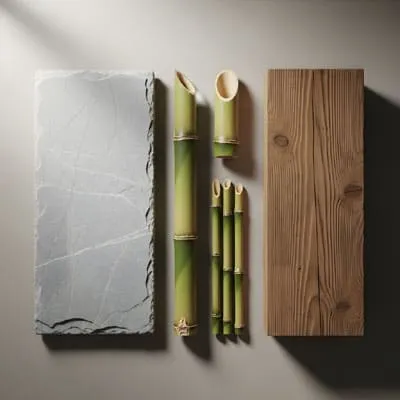
Materials play a pivotal role in spa-like settings within the home. Natural stone, bamboo, and untreated wood evoke a sense of connection to nature, reinforcing calmness.
Soft fabrics like organic cotton or linen cushions complement these textures, adding warmth without sacrificing breathability.
Non-slip surfaces and water-resistant finishes contribute to safety and durability, essential in moist environments typical of spa areas. These material choices reflect climate-aware design, ensuring longevity and minimal environmental impact.
By carefully selecting tactile and visual cues, architects craft spa environments that feel both luxurious and grounded.
Spatial Planning and Flow for Relaxation
The arrangement of space within spa-inspired residential areas influences their effectiveness. Open layouts that encourage movement without clutter reduce cognitive overload. Dedicated zones for rest, treatment, or meditation ensure that activities occur in environments optimized for their purpose.
Proper spacing between furniture and fixtures allows for comfortable usage and accessibility, enhancing the user experience. Integration with natural elements such as views of gardens or water bodies further amplifies the calming effect.
Intentional spatial planning supports slow living, where each moment is savored and stress minimized.
| Feature | Material | Benefit |
|---|---|---|
| Mattress Core | Memory Foam, Latex, Hybrid | Pressure relief, support, temperature regulation |
| Cushion Covers | Organic Cotton, Linen, Synthetic | Breathability, softness, durability |
| Spa Flooring | Natural Stone, Bamboo | Non-slip, moisture resistance, aesthetic appeal |
Designing the Residential Environment with Climate Awareness
Energy-Efficient Heating and Cooling Integration
- Use of passive solar design principles
- Incorporating natural ventilation and shading
- High-performance insulation materials
- Smart thermostats and zoning systems
- Renewable energy sources like solar panels
Integrating energy-efficient systems within residential environments ensures comfort while reducing environmental impact. Passive strategies harness natural elements to regulate temperature, reducing reliance on mechanical systems. Active systems complement these efforts with advanced controls that adapt to occupant behavior and climatic conditions.
This holistic approach aligns with sustainable architecture that respects ecological limits without compromising indoor comfort.
Material Selection for Sustainable Comfort
Choosing environmentally responsible materials enhances both comfort and sustainability. Low-VOC ( Volatile Organic Compound) paints, recycled textiles, and sustainably harvested wood contribute to healthier indoor air quality and reduced carbon footprint.

These materials often offer superior insulation and moisture control, increasing overall comfort.
Implementing such materials requires collaboration between architects, suppliers, and homeowners to ensure that choices meet performance and aesthetic criteria. This integration supports resilient and adaptive living spaces capable of responding to evolving environmental challenges.
Sustainability embedded in material choices reflects a commitment to longevity and occupant well-being.
Designing for Adaptability and Flexibility
Climate-aware residential environments must adapt to shifting seasons and occupant needs. Flexible layouts and modular furniture enable spaces to transform, accommodating different activities while maintaining comfort.
Adjustable window treatments and movable partitions help control light and airflow dynamically.
Such adaptability reduces the need for excessive energy consumption and supports a slow, intentional lifestyle that values mindfulness in spatial use. Homes become environments that respond gracefully to both external conditions and internal rhythms.
Architectural foresight in adaptability ensures lasting relevance and comfort.
Maximizing Space Efficiency with Comfort in Mind
Smart Furniture and Multi-Functional Cushions
- Expandable seating with ergonomic cushions
- Convertible beds with supportive mattresses
- Storage-integrated furniture for decluttering
- Modular cushion systems for adaptable comfort
- Space-saving designs that prioritize posture
- Lightweight materials facilitating easy rearrangement
Space optimization in residential design does not mean sacrificing comfort. Smart furniture solutions integrate cushions and mattresses designed to provide support while maximizing usability. Multi-functional pieces allow for seamless transitions between activities, supporting diverse lifestyles.
These innovations encourage intentional use of space, making every square foot count without compromising relaxation or rest quality.
Open Plan Vs. Defined Zones
Balancing open-plan layouts with clearly defined zones is key to maximizing both space and comfort. Open spaces encourage social interaction and flexibility, while distinct zones provide privacy and focus. Cushions and mattresses serve as subtle dividers or comfort enhancers within these zones.
Architectural strategies such as partial walls, furniture placement, and floor treatments delineate areas without disrupting spatial flow. This balance fosters calm environments where occupants can choose between solitude and communal living.
Such spatial strategies reflect a human-centered approach that respects diverse needs within compact environments.
Optimizing Natural Light and Acoustics
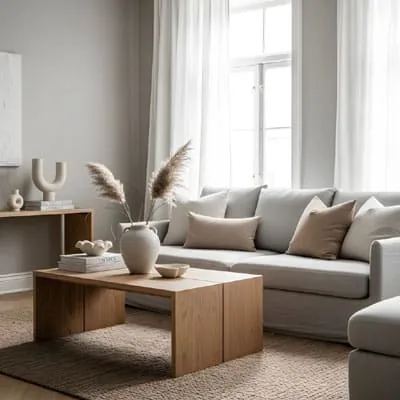
Effective use of natural light improves spatial perception and enhances comfort, while acoustic considerations reduce noise stress.
Window placement, light shelves, and translucent partitions increase daylight penetration. Sound-absorbing cushions and textiles help mitigate echoes and external noise.
These design tactics create environments that feel spacious yet intimate, supporting relaxation and productivity. Thoughtful integration of light and sound management is essential in crafting balanced residential spaces.
By addressing sensory comfort, architects ensure that space efficiency enhances rather than detracts from quality of life.
| Design Strategy | Benefits | Typical Materials |
|---|---|---|
| Multi-Functional Furniture | Space saving, enhanced comfort, flexibility | Memory foam cushions, lightweight frames |
| Defined Zones | Privacy, focus, social interaction | Textiles, partial walls, rugs |
| Natural Light Optimization | Energy efficiency, mood improvement | Glass, light shelves, translucent panels |
Incorporating Technology to Enhance Comfort and Sustainability
Smart Mattresses and Cushion Innovations
Technological advancements have introduced smart mattresses and cushions capable of monitoring sleep quality, temperature, and pressure points. These products adjust firmness or temperature automatically, creating personalized comfort environments. Integration with home automation systems allows users to customize settings through apps or voice control.
Such innovations promote healthier sleep patterns and reduce energy consumption by optimizing environmental conditions only when needed. This approach aligns with climate-aware residential design focused on precision and efficiency.
Smart bedding solutions represent the convergence of comfort, technology, and sustainability in modern homes.
Environmental Monitoring and Control Systems
Advanced sensors track indoor air quality, humidity, and temperature, adjusting HVAC and ventilation systems accordingly. These controls maintain ideal environmental conditions that support the comfort of mattresses, cushions, and spa areas. Automated shading systems and lighting further enhance user comfort while minimizing energy use.
Data-driven design empowers residents to live intentionally, responding proactively to changing environmental variables. This results in healthier, more comfortable living spaces that are also resource-efficient.
Implementing these systems demonstrates a commitment to integrated, human-centered architecture.
Integration with Sustainable Building Practices
Technology supports sustainable building through energy management, water conservation, and material tracking. Smart meters and resource monitoring enable homeowners to optimize usage and reduce waste. Integration with building materials like eco-friendly insulation and low-impact finishes ensures that comfort enhancements do not compromise environmental values.
These practices contribute to resilient homes that adapt seamlessly to occupant needs and ecological demands. Combining technology with thoughtful material selection fosters spaces that are both comfortable and responsible.
The result is a harmonious balance between innovation and nature in residential design.
Balancing Aesthetics and Functionality in Comfort Design
Minimalist Design with Soft Textures
- Neutral color schemes to promote tranquility
- Textured cushions and throws for tactile warmth
- Simple furniture forms emphasizing clean lines
- Integration of natural materials like wood and wool
- Uncluttered spaces encouraging mental clarity
Minimalism paired with soft textures creates environments that feel both serene and inviting. This balance supports the human-centered design philosophy that comfort arises from simplicity and intentionality rather than excess.
Architectural and interior elements work together to provide visual calm while tactile elements ensure physical comfort, resulting in spaces that nurture body and mind.
Functional Layouts Supporting Daily Life
Comfort-driven design must accommodate daily routines seamlessly. Functional layouts prioritize ease of movement, accessibility, and appropriate scale. Placement of mattresses and cushions considers traffic flow and social interaction, enhancing usability without sacrificing aesthetics.
Spaces designed for adaptability allow residents to personalize zones according to evolving needs, ensuring long-term satisfaction and comfort.
This pragmatic approach to design integrates beauty with livability, respecting how people actually live.
Use of Color and Lighting to Enhance Comfort
Color psychology influences mood and perception of comfort.
Warm neutrals and muted tones foster relaxation, while accent colors can energize or soothe depending on their application. Layered lighting strategies combine ambient, task, and accent lighting to create versatile environments that respond to time of day and activity.
Adjustable lighting and color schemes complement mattress and cushion choices, enhancing overall sensory comfort. Architects use these tools deliberately to reinforce calm and intentional spaces.
Thoughtful color and lighting design deepen the emotional connection to the residential environment.
Creating Healthy Indoor Environments with Comfort in Focus
Air Quality and Ventilation Strategies
- Use of mechanical ventilation with heat recovery
- Natural cross-ventilation through window placement
- Incorporation of indoor plants for air purification
- Selection of low-emission materials and finishes
- Regular maintenance of HVAC systems to reduce contaminants
Healthy indoor air quality is critical for comfort and well-being. Proper ventilation and filtration reduce allergens and pollutants, supporting restful sleep and relaxation in mattress and cushion-equipped areas. These strategies contribute to a resilient residential environment that promotes long-term health.
Architects integrate these measures seamlessly into design, ensuring that comfort and health coexist harmoniously.
Acoustic Comfort and Noise Reduction
Noise pollution disrupts rest and reduces comfort in residential spaces. Acoustic treatments such as sound-insulating walls, double-glazed windows, and textile applications on cushions and upholstery mitigate unwanted noise. Quiet mechanical systems and building orientation further enhance acoustic comfort.
Addressing noise effectively creates tranquil environments essential for spa-like relaxation and restorative sleep. This aspect of design reflects a comprehensive approach to human-centered comfort.
Acoustic comfort is integral to creating spaces that nurture both body and mind within the home.
Thermal Comfort and Humidity Control
Maintaining thermal comfort involves balancing temperature and humidity to optimal levels. Materials with moisture-wicking properties in cushions and mattresses prevent overheating and dampness, enhancing user comfort. HVAC systems with humidity control improve indoor climate stability.
Designing for thermal comfort reduces health risks and improves sleep quality, making residential environments more livable year-round.
Such attention to environmental factors underscores the importance of holistic comfort in architectural design.
| Comfort Factor | Design Approach | Benefit |
|---|---|---|
| Air Quality | Mechanical ventilation, low-VOC materials | Improved respiratory health, better sleep |
| Acoustics | Soundproofing, textile treatments | Reduced noise stress, enhanced relaxation |
| Thermal Comfort | Humidity control, moisture-wicking textiles | Stable indoor climate, improved comfort |
Implementing Slow and Intentional Living Through Design
Designing for Mindful Use of Space
Slow living emphasizes quality over quantity in spatial usage.
Architects design homes that encourage occupants to savor their environment, using comfort elements like mattresses and cushions to support rest and reflection. Spaces are uncluttered and intentionally curated to foster presence and calm.
This approach challenges the fast-paced lifestyle by promoting deliberate interactions with one’s surroundings and possessions.
Such design fosters emotional well-being and strengthens the connection between people and place.
Incorporating Natural Rhythms and Biophilic Elements
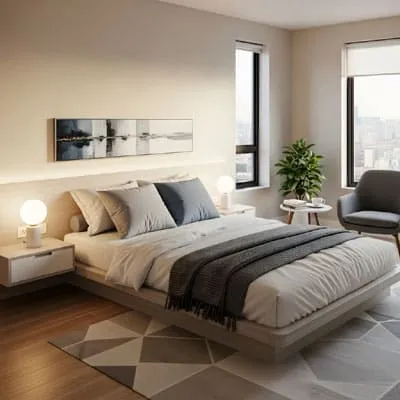
Biophilic design integrates natural patterns, light cycles, and organic forms to enhance human health and comfort. Aligning indoor environments with circadian rhythms supports sleep and alertness, making mattress and cushion comfort more effective. Elements like greenery, natural materials, and water features reconnect residents with nature.
This strategy nurtures resilience and emotional balance, essential in human-centered residential architecture.
Design that respects natural rhythms encourages a slower, more harmonious lifestyle.
Promoting Longevity and Emotional Attachment
Intentional design encourages investment in durable, meaningful objects and spaces. Selecting high-quality mattresses, cushions, and spa features creates lasting comfort and emotional attachment. This reduces waste and supports sustainable consumption patterns.
Spaces designed for longevity adapt as residents’ needs evolve, maintaining relevance and comfort over time. Emotional connection to one’s home enhances satisfaction and well-being.
This philosophy aligns with climate-aware principles and slow living values.
Comfort-driven
Integrating mattress, cushion, spa, environment, and space considerations into residential design fosters comfort that is both intentional and sustainable. Thoughtful material choices, ergonomic support, and spatial planning work together to create calming, human-centered homes that respect natural rhythms and environmental responsibilities.
As the demand for comfort-driven architecture grows, embracing these principles offers a pathway to healthier, more resilient living environments. Homeowners and designers alike are encouraged to prioritize these elements for spaces that truly enhance well-being and support slow, mindful living.
Frequently Asked Questions (FAQ)
How Do Mattress Materials Affect Indoor Environmental Quality?
Mattress materials impact indoor air quality by releasing or minimizing volatile organic compounds (VOCs – Volatile Organic Compound). Organic and natural materials like latex and cotton typically have lower emissions, contributing to healthier indoor environments and reducing exposure to harmful chemicals.
What Role Do Cushions Play in Ergonomic Home Design?
Cushions provide targeted support and improve posture, reducing strain during prolonged sitting. Ergonomic cushions enhance comfort in living spaces by aligning the spine and distributing pressure evenly, which is vital for preventing musculoskeletal issues.
How Can a Home Incorporate Spa-like Features Effectively?
Incorporating spa features involves using natural materials, soft textures, and calming color palettes, along with elements like water features and plants. Thoughtful spatial planning ensures these features create relaxing, intentional environments conducive to wellness.
Why is Climate Awareness Important in Selecting Home Comfort Elements?
Climate awareness ensures that comfort elements like mattresses and cushions are durable and energy-efficient, reducing environmental impact. It also involves using sustainable materials and systems that adapt to changing weather, enhancing long-term comfort and sustainability.
How Does Spatial Design Influence Comfort in Small Homes?
Spatial design maximizes comfort in small homes by using multi-functional furniture, optimizing natural light, and creating defined zones. These strategies improve usability and reduce clutter, making compact spaces feel open and comfortable.
For further reading on sustainable mattress materials, visit the U.S. Green Building Council. To explore ergonomic furniture innovations, check out The Ergonomics Society.

Architect with extensive experience in residential and commercial design, including renovations and modular construction. Love to share information about Architecture, home and lifestyle in this blog.