
Retirement living at home is an increasingly important concept as more individuals seek to maintain independence and comfort in their later years. The role of architecture in supporting a retirement owner’s autonomy cannot be overstated; thoughtful design ensures safety, accessibility, and well-being. Understanding how to adapt living spaces to the evolving needs of aging residents is crucial for fostering a sustainable, fulfilling lifestyle.
Thank you for reading this post, don't forget to subscribe!Many retirement owners face challenges related to mobility, safety, and social isolation within their homes. This creates an opportunity for architectural solutions that prioritize human-centered design, climate responsiveness, and residential comfort. Integrating these elements into home environments helps retirees age in place with dignity and ease.
This article explores how architectural principles can enhance retirement living at home by supporting independence. It covers practical design strategies, environmental considerations, and innovative features tailored to the needs of retirement owners.
Design Principles for the Retirement Owner
Creating Accessible Spaces for Aging Comfortably
Accessibility is fundamental for retirement owners who wish to maintain their independence. Designing spaces with wider doorways, zero-step entrances, and lever-style handles minimizes physical barriers.
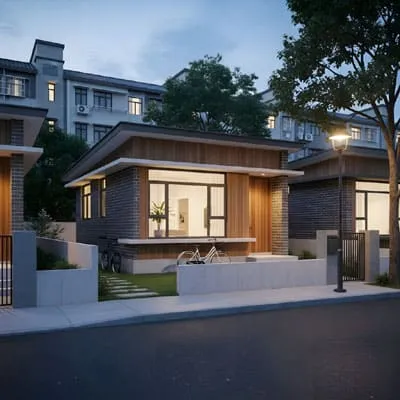
Such features accommodate mobility aids like walkers or wheelchairs, reducing the risk of falls and injuries. Thoughtful placement of switches and outlets at reachable heights further enhances usability for seniors.
Natural light and clear sightlines improve spatial orientation and reduce anxiety, promoting a calm atmosphere. Durable, non-slip flooring materials provide safety without sacrificing aesthetics.
Incorporating adaptable furniture and multi-functional rooms ensures that spaces can evolve with the occupant’s changing needs.
Human-Centered Architectural Approaches
Human-centered design focuses on the lived experience of retirement owners by prioritizing comfort, familiarity, and emotional well-being. Spaces should feel intuitive and welcoming, reflecting personal lifestyle preferences and routines. Incorporating sensory elements such as natural textures and calming color palettes supports mental health.
Flexible layouts encourage social interaction while also providing private retreats. Technology can be integrated discreetly to assist with health monitoring and communication without overwhelming the resident.
Design choices must respect the dignity and autonomy of the retirement owner, fostering a sense of control and belonging.
Benefits of Climate-Conscious Residential Design
Climate-aware architecture enhances the retirement owner’s home by improving indoor air quality, thermal comfort, and energy efficiency.
Passive design techniques such as strategic window placement and shading reduce reliance on mechanical systems, lowering utility costs. Incorporating natural ventilation and humidity control creates healthier environments.
Materials chosen for durability and low maintenance reduce long-term upkeep burdens. Green spaces or gardens connected to the home offer restorative outdoor experiences, which are vital for physical and mental health.
These sustainable strategies contribute to resilience against climate variability, ensuring safety and comfort year-round.
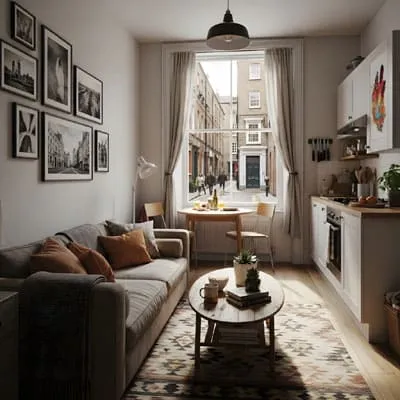
Adapting Homes for the Retirement Owner’s Independence
Essential Features for Safe Living
- Non-slip flooring throughout the home
- Grab bars in bathrooms and corridors
- Walk-in showers with seating options
- Clear, unobstructed pathways
- Emergency response systems integrated discreetly
Safety features must be seamlessly integrated to avoid institutional appearances while providing real protection. Lighting controls that accommodate reduced vision and motion sensors improve nighttime safety. Properly designed kitchens and bathrooms enhance usability and reduce strain during daily activities.
These adaptations empower retirement owners to live confidently without excessive assistance.
Flexible Layouts for Changing Needs
Homes designed for retirement owners should anticipate evolving physical abilities.
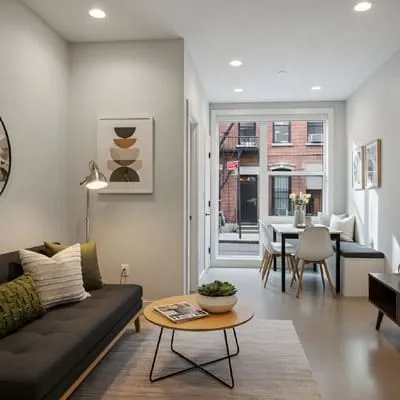
Open floor plans allow easy navigation, while movable partitions provide adaptable privacy.
Rooms can serve multiple purposes, such as combining workspace and leisure areas.
Incorporating universal design principles means spaces remain functional regardless of mobility changes. This reduces the need for disruptive renovations later, saving cost and stress.
Such flexibility supports long-term independence and comfort.
Comparing Traditional and Modern Adaptations
| Aspect | Traditional Adaptations | Modern Solutions |
|---|---|---|
| Mobility | Handrails and ramps added post-construction | Integrated zero-step entries and wide corridors |
| Safety | Basic grab bars and night lights | Smart sensors and emergency alert systems |
| Comfort | Standard heating and cooling | Passive solar design and natural ventilation |
Technological Integration for the Retirement Owner
Smart Home Features Enhancing Independence
- Voice-activated lighting and appliances
- Automated climate control systems
- Remote health monitoring devices
- Security cameras with AI assistance
- Fall detection sensors
- Easy communication interfaces
Technology must be user-friendly and non-intrusive. Retirement owners benefit from devices that simplify daily tasks and provide peace of mind without overwhelming complexity. Integrating smart systems with architectural design ensures seamless interaction.
Training and support are critical to maximizing the effectiveness of these technologies.
Privacy and Data Security Considerations
With increased technology use comes the responsibility of protecting sensitive personal data of retirement owners. Systems should comply with strict privacy standards and offer transparent user controls. Architects and designers must collaborate with IT specialists to safeguard information while maintaining accessibility.
Balancing convenience with security is essential to build trust and encourage adoption of smart home features.
Regular updates and monitoring prevent vulnerabilities and maintain system integrity.
Future Trends in Assistive Technologies
Emerging assistive technologies promise greater autonomy for retirement owners. Innovations include AI-powered companions, advanced robotics for mobility assistance, and personalized environmental controls. These tools aim to reduce caregiver dependence and enhance quality of life.
Architectural planning should accommodate future tech integration with flexible wiring and modular infrastructure. Staying informed about trends enables retirement owners to benefit from cutting-edge solutions as they become available.
Adopting a proactive approach helps create homes that remain functional and supportive over time.
Environmental Sustainability for Retirement Owners
Energy Efficiency Strategies
Energy-efficient design reduces operational costs and environmental impact, which are priorities for many retirement owners. Insulation, high-performance windows, and efficient HVAC systems contribute to comfort and sustainability. Solar panels and battery storage can provide renewable energy independence.
These strategies align with climate-conscious living, improving resilience to energy price fluctuations and supply disruptions.
Incorporating energy audits helps optimize performance tailored to specific home conditions.
Water Conservation and Management
- Low-flow fixtures in kitchens and bathrooms
- Rainwater harvesting systems for irrigation
- Greywater recycling for non-potable uses
- Drought-resistant landscaping
- Smart irrigation controllers
- Leak detection technology
- Permeable paving materials
Water management reduces utility costs and environmental strain. Thoughtful landscaping and plumbing design minimize waste while maintaining aesthetics. These measures support sustainable retirement living and foster connection with nature.
Regular maintenance ensures long-term water efficiency.
Comparing Sustainable Materials and Their Benefits
| Material | Environmental Impact | Benefits for Retirement Owners |
|---|---|---|
| Bamboo Flooring | Rapidly renewable, low emissions | Durable, non-slip, warm underfoot |
| Recycled Steel | Reduces mining waste | Strong, pest-resistant, low maintenance |
| Low-VOC Paints | Improves indoor air quality | Reduces allergens and irritants |
Community and Social Integration for Retirement Owners
Designing for Social Connectivity
Retirement owners benefit from environments that encourage social interaction and reduce isolation. Architectural elements such as shared gardens, communal lounges, and accessible gathering spaces foster community engagement. Safe outdoor paths and seating areas invite spontaneous conversations and group activities.
Incorporating these spaces within residential complexes or neighborhoods helps maintain social ties and promotes mental health.
Design must balance privacy with opportunities for connection, encouraging active lifestyles and emotional support networks.
Supporting Multigenerational Living
Many retirement owners choose to live with or near family members, creating opportunities for multigenerational homes. Flexible design accommodates diverse needs by providing separate entrances, private suites, and shared common areas. Sound insulation and spatial zoning enhance privacy while maintaining cohesion.
This approach supports caregiving arrangements and enriches family bonds.
Architectural solutions that respect all generations’ lifestyles create harmonious living environments.
Enhancing Outdoor Living Spaces
- Accessible patios and decks with smooth transitions
- Raised garden beds for easy gardening
- Shaded seating areas with weather protection
- Safe walking paths with gentle gradients
Outdoor spaces extend living areas and provide restorative environments for retirement owners. Designing for comfort, safety, and accessibility encourages frequent use, promoting physical activity and relaxation. Integrating nature supports well-being and fosters a sense of place.
These spaces act as vital social and therapeutic venues within residential settings.
Financial Considerations for Retirement Owners
Cost-Effective Design Solutions
Balancing budget constraints with quality is essential for retirement owners planning home adaptations or new builds. Prioritizing durable, low-maintenance materials reduces long-term expenses. Modular construction and prefabricated components can lower upfront costs and shorten timelines.
Designing for energy efficiency and accessibility from the start avoids costly retrofits. Thoughtful planning maximizes value and ensures financial sustainability.
Engaging professionals experienced in retirement living can optimize investment outcomes.
Home Equity and Adaptation Financing
- Reverse mortgages tailored for seniors
- Government grants and subsidies for accessibility upgrades
- Low-interest home improvement loans
- Tax incentives for energy-efficient renovations
Multiple financial tools are available to help retirement owners fund necessary home modifications. Understanding eligibility and terms is critical for making informed decisions. Professionals can assist in navigating options to leverage home equity without compromising security.
These resources support maintaining independence while managing costs.
Comparing Rental Vs. Ownership Models
| Aspect | Ownership | Rental |
|---|---|---|
| Control over modifications | Full authority to adapt spaces | Limited, subject to landlord approval |
| Financial commitment | High upfront, potential equity gain | Lower upfront, ongoing rent payments |
| Long-term stability | Secure housing tenure | Potential for lease non-renewal |
Home environment
Architecture plays a pivotal role in enabling retirement owners to live independently and comfortably at home.
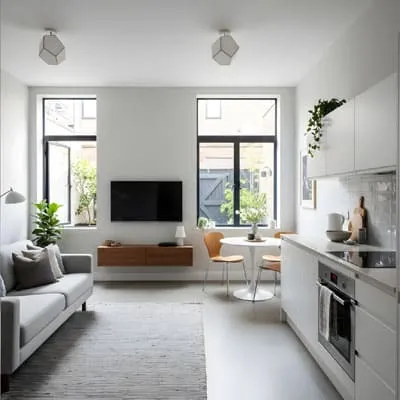
By integrating accessible design, climate-aware strategies, and human-centered approaches, homes become supportive environments tailored to evolving needs. Thoughtful technological integration and sustainable practices further enhance quality of life while promoting resilience and well-being.
Considering social connectivity and financial planning ensures that retirement living remains holistic and sustainable. Embracing these principles empowers retirement owners to age with dignity, security, and joy in their own homes.
Frequently Asked Questions (FAQ)
What Are the Most Important Architectural Features for Retirement Owners?
Key architectural features include accessibility elements like wide doorways, zero-step entries, non-slip flooring, adequate lighting, and flexible layouts. These ensure safety, ease of movement, and adaptability to changing physical needs, helping retirement owners maintain independence.
How Does Climate-conscious Design Benefit Retirement Living at Home?
Climate-conscious design improves indoor comfort through passive heating and cooling, enhances air quality, and reduces energy costs. It creates healthier living spaces that respond to environmental conditions, promoting well-being and sustainability for retirement owners.
What Technologies Support Independent Living for Retirement Owners?
Smart home technologies such as voice-activated controls, fall detection sensors, automated lighting, and remote health monitoring assist retirement owners in daily tasks and safety. These tools enhance autonomy while providing peace of mind.
Are There Financial Options to Help Retrofit Homes for Retirement Living?
Yes, options include reverse mortgages, government grants for accessibility improvements, low-interest loans, and tax incentives for energy-efficient upgrades. These financial tools help retirement owners manage costs associated with home adaptations.
How Can Homes Support Social Connections for Retirement Owners?
Designing shared outdoor spaces, communal areas, and accessible paths encourages social interaction and reduces isolation. Multigenerational living accommodations also foster family support networks, enhancing emotional well-being.