Last updated on September 14th, 2026 at 05:15 pm
Lighting trends significantly influence how we design and experience residential spaces today. Understanding these trends is essential for creating homes that are both cozy and highly functional, blending form and purpose seamlessly. Lighting is no longer just about illumination; it shapes mood, supports well-being, and enhances architectural intent.
In a climate-aware and human-centered approach, lighting must respond to environmental conditions and the real rhythms of daily life. This article explores the latest lighting trends with an architectural perspective, ensuring designs remain calm, intentional, and grounded in how people truly live. Whether updating a new build or retrofitting an existing home, these insights provide a framework for thoughtful lighting choices.
We will cover seven key variations of lighting trends, examining practical applications, technical considerations, and aesthetic principles that optimize residential lighting design for comfort and efficiency.
Emerging Styles in Residential Lighting Trends
Natural Light Integration
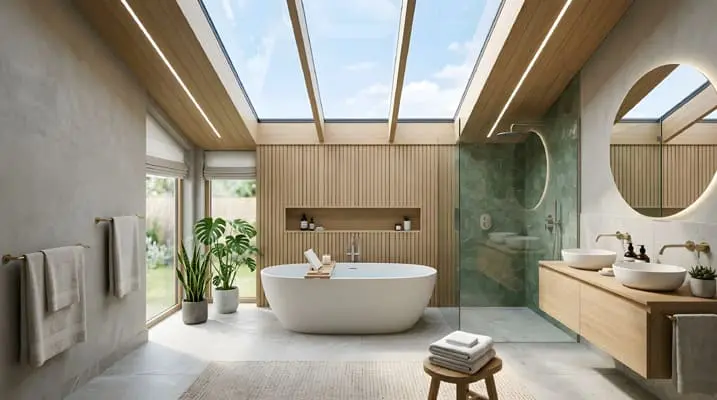
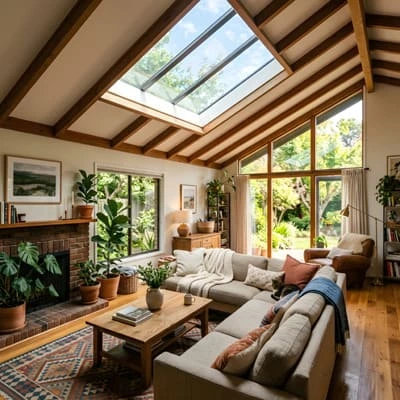
One of the most impactful lighting trends is the seamless integration of natural light into residential spaces. Prioritizing daylight not only reduces energy consumption but enhances occupant well-being by supporting circadian rhythms. Architects increasingly design with large windows, skylights, and light wells to maximize daylight penetration. This strategy also connects indoor environments to the outdoors, fostering a sense of openness and calm.
High-performance glass and shading devices help control glare and heat gain, ensuring comfort throughout the day. The use of natural materials that reflect and diffuse light softly complements these architectural elements, creating a balanced and inviting ambiance.
Incorporating natural light is a fundamental step in aligning lighting trends with sustainable and human-centered design principles.
Minimalist Fixtures and Forms
Modern lighting trends favor minimalist, architectural fixtures that prioritize function without unnecessary decoration. Clean lines, geometric shapes, and understated finishes contribute to a calm, intentional atmosphere. These fixtures act as subtle sculptural elements that enhance architectural features rather than overpower them.
Materials like matte metals, frosted glass, and natural wood finishes are common, offering warmth and texture while maintaining simplicity. By avoiding ornate designs, homeowners achieve a timeless aesthetic that supports slow, thoughtful living.
This approach aligns with the broader trend of slow design, emphasizing quality, longevity, and environmental awareness.
Smart and Adaptive Lighting Systems
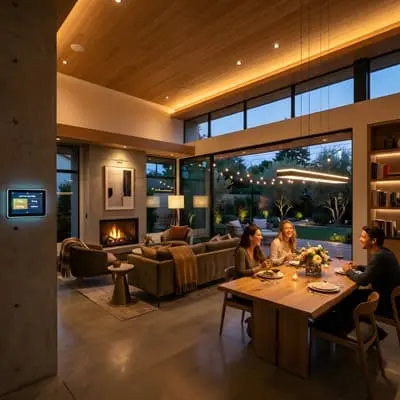
Technological innovation continues to shape lighting trends, especially through smart and adaptive lighting systems. These systems allow for dynamic control of light intensity, color temperature, and scheduling, optimizing comfort and energy efficiency.
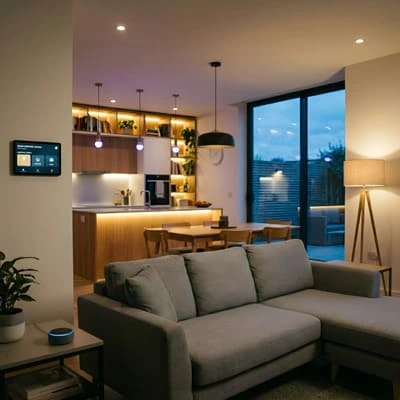
Adaptive lighting can adjust automatically based on daylight availability or the time of day.
Integration with home automation platforms enables personalized settings that enhance human-centered living environments. Features like voice control, sensors, and remote access offer convenience and flexibility, making lighting a responsive part of daily life.
Smart lighting supports climate-aware goals by reducing waste and tailoring light use precisely where and when it is needed.
Contemporary Approaches to Sustainable Lighting Trends
Energy-Efficient LED Technologies
- High lumen output with low wattage consumption
- Long lifespan reducing replacement frequency
- Wide range of color temperatures for mood customization
- Low heat emission contributing to thermal comfort
- Compatibility with dimmers and smart controls
LED lighting remains at the forefront of sustainable lighting trends, offering unmatched energy efficiency and versatility. Advances in LED technology provide options that cater to diverse residential needs without compromising quality or comfort. The ability to fine-tune color temperature supports architectural intentions and enhances the human experience.
Incorporating LEDs aligns with climate-conscious design by significantly lowering energy use and reducing environmental impact over the product lifecycle.
Daylight Harvesting Techniques
Daylight harvesting is a strategic approach to reduce artificial lighting by maximizing available natural light. This method uses sensors to detect ambient daylight levels and adjust electric lighting accordingly.
Effective daylight harvesting requires careful architectural planning and integration with lighting controls.
By balancing natural and artificial sources, homeowners can maintain consistent illumination while minimizing energy consumption. The technique also improves visual comfort by reducing contrast and glare, enhancing the overall living environment.
Daylight harvesting exemplifies the synergy between technology and design in contemporary lighting trends.
Use of Recyclable and Low-Impact Materials
Another sustainable trend involves selecting lighting fixtures made from recyclable or low-impact materials. Designers prioritize metals like aluminum and steel that are easily recycled, as well as glass and certain plastics with reduced environmental footprints. This material consciousness supports circular economy principles.
Natural materials such as bamboo and sustainably sourced wood offer warm aesthetics while aligning with environmental responsibility. Careful material choice enhances the architectural quality of lighting installations, reinforcing a calm and intentional atmosphere.
Sustainability in materials contributes to the broader goal of reducing the ecological impact of home lighting systems.
| Material | Environmental Impact | Typical Use |
|---|---|---|
| Aluminum | High recyclability, moderate energy to produce | Fixture bodies, housings |
| Bamboo | Renewable, low carbon footprint | Decorative accents, lamp stands |
| Glass | Recyclable, inert material | Diffusers, shades |
Innovative Applications of Current Lighting Trends
Layered Lighting Design Principles
- Ambient lighting for general illumination
- Task lighting for specific activities
- Accent lighting to highlight architectural features
- Decorative lighting for mood and aesthetics
- Dynamic lighting for adaptability
Layered lighting is a key concept within modern lighting trends, emphasizing the combination of multiple light sources to achieve functional and aesthetic balance. This approach supports human-centered design by addressing varied activities and moods throughout the day.
Architects employ layered lighting to create depth and texture in spaces rather than relying on a single lighting source. This method enhances comfort and usability while maintaining a calm, intentional atmosphere.
Human-Centric Color Temperature Strategies
Adjusting color temperature based on time and activity is a growing trend that supports natural circadian rhythms. Warmer tones are recommended for evenings to promote relaxation, while cooler temperatures enhance alertness during daytime tasks. This dynamic approach helps regulate sleep cycles and improves overall well-being.
Architects and lighting designers use tunable white LEDs and smart controls to implement these strategies, ensuring lighting adapts to occupants’ needs rather than following a static scheme.
Human-centric lighting is a vital aspect of contemporary residential lighting trends focused on health and comfort.
Integration with Architectural Elements
Lighting that complements and enhances architectural features is a hallmark of thoughtful design.
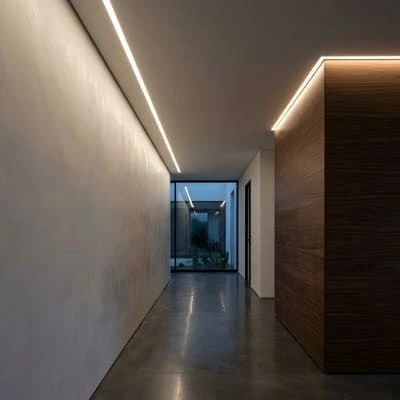
Instead of decorative fixtures, lighting is embedded or strategically placed to emphasize textures, materials, and structural details.
This integration creates a cohesive spatial experience that feels natural and intentional.
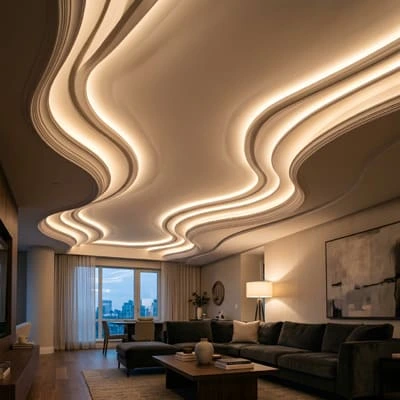
Examples include recessed linear LEDs highlighting wall planes or cove lighting accentuating ceiling profiles. These techniques maintain simplicity while enriching the architectural narrative.
Such integration exemplifies how lighting trends prioritize the built environment and human experience over mere ornamentation
Trends in Energy Management for Residential Lighting
Automated Lighting Controls
Automated controls are essential tools in modern lighting trends, enabling efficient energy management.
Motion sensors, timers, and daylight sensors help ensure lights are only on when needed, reducing waste.
Integration with smart home systems further enhances control and monitoring capabilities.
This automation improves convenience and lowers operational costs while supporting sustainability goals. It also allows tailored lighting scenarios that respond to occupant behavior.
Automation is a key factor in aligning lighting design with climate-aware principles.
Low-Voltage Lighting Systems
- Reduced electrical load compared to standard systems
- Increased safety and flexibility in fixture placement
- Compatibility with LED and other efficient sources
- Potential for easier integration with renewable energy
- Lower heat output contributing to comfort
Low-voltage lighting systems are gaining traction due to their efficiency and adaptability. Often paired with LED technology, these systems optimize energy consumption and improve safety, especially in residential settings.
They also allow designers to create more intricate lighting layouts without the constraints of traditional wiring, supporting architectural goals for calm and intentional spaces.
Energy Consumption Comparison of Common Lighting Types
| Lighting Type | Average Watts | Energy Efficiency |
|---|---|---|
| Incandescent | 60W | Low |
| Compact Fluorescent (CFL) | 13-15W | Moderate |
| LED | 8-12W | High |
Personalization Within Current Lighting Trends
Customizable Light Scenes
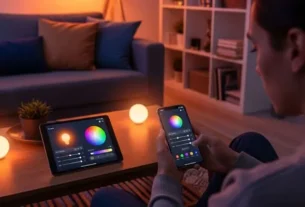
Personalization is a defining feature of progressive lighting trends. Users increasingly expect the ability to create and save custom lighting scenes that suit different moods and activities. This flexibility enhances the human-centered aspect of lighting by adapting to individual preferences and daily routines.
Modern control interfaces, including apps and voice commands, make scene selection intuitive and accessible. This level of customization supports slow living by allowing deliberate control over ambiance and function.
Customizable scenes also contribute to energy savings by matching light use precisely to need.
Adaptive Color Rendering and Quality
High-quality color rendering is crucial in residential lighting to ensure colors appear natural and vibrant. Lighting trends emphasize LEDs with high CRI (Color Rendering Index) values to achieve this. Adaptive color rendering technologies adjust light spectra to enhance specific activities, from cooking to reading.
Such precision lighting supports architectural finishes and interior materials, enhancing the overall visual quality of spaces. This approach reflects the trend towards lighting that is both functional and emotionally supportive.
Investing in color quality is part of designing with human experience at the center.
Flexible Fixture Placement and Modularity
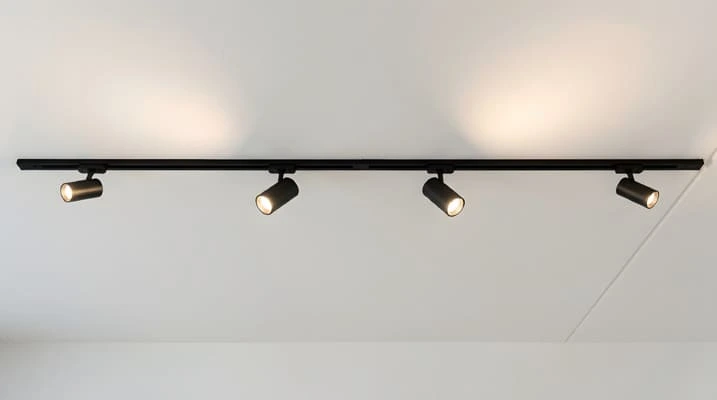
- Track and rail lighting systems
- Modular pendant and recessed fixtures
- Adjustable wall sconces and floor lamps
- Plug-and-play smart bulbs
- Interchangeable diffuser options
Flexibility in fixture placement allows residents to tailor lighting to evolving needs and spatial configurations. Modular systems support this trend by enabling easy reconfiguration without major renovations. This adaptability aligns with slow design principles, encouraging thoughtful use and long-term satisfaction.
Such systems also facilitate integration with smart controls and support layered lighting strategies effectively.
Architectural Lighting Trends for Emotional and Functional Impact
Emphasis on Soft, Diffused Lighting
Soft, diffused lighting is a hallmark of architectural lighting trends aimed at creating calm and inviting environments.
Techniques include frosted glass diffusers, fabric shades, and indirect light sources that reduce harsh shadows and glare. This approach enhances comfort and promotes relaxation.
Architects design lighting to flow gently across surfaces, highlighting textures without overwhelming the senses. The result is a human-centered atmosphere that supports mental well-being and slow living.
Diffused lighting also integrates well with natural light, maintaining balance throughout the day.
Highlighting Architectural Features Through Light
Using light to accentuate architectural elements such as niches, columns, and textured walls is a sophisticated trend within residential lighting.
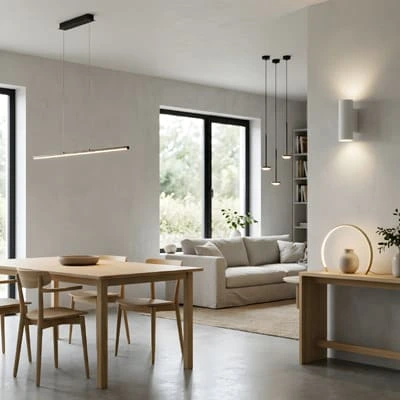
This technique adds depth and interest to spaces while reinforcing the architectural narrative. Carefully aimed accent lighting can create focal points that elevate the design.
Architects select fixture types and placements that emphasize materiality and form without distraction. This interplay between light and structure enhances the perception of space and creates a harmonious environment.
Such lighting choices reflect the intentional and calm qualities valued in contemporary home design.
Balancing Warmth and Efficiency
Striking a balance between warm light tones and energy efficiency is a defining challenge in current lighting trends.
Advances in LED technology now allow for warm color temperatures without sacrificing performance, enabling homes to feel cozy and inviting while remaining sustainable.
Architectural lighting solutions often combine dimmable LEDs with warm white spectra to create adaptable environments. This balance supports both functional needs and emotional comfort, embodying a thoughtful design philosophy.
By prioritizing warmth alongside efficiency, lighting trends foster spaces that are both livable and responsible.
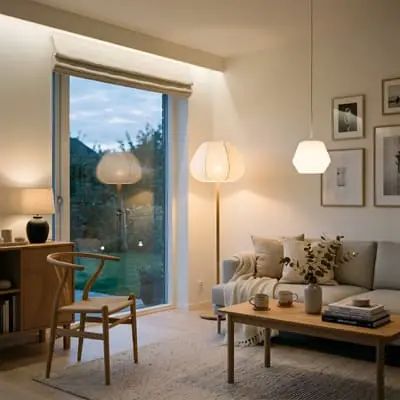
| Color Temperature (K) | Perceived Warmth | Typical Application |
|---|---|---|
| 2700K – 3000K | Warm | Living rooms, bedrooms |
| 3500K – 4100K | Neutral | Kitchens, bathrooms |
| 5000K – 6500K | Cool | Task areas, offices |
Global Influences on Residential Lighting Trends
Scandinavian Minimalism and Warmth
Scandinavian design principles profoundly influence lighting trends by combining minimalism with warmth and functionality. Emphasis on natural light, simple forms, and cozy atmospheres defines this approach.
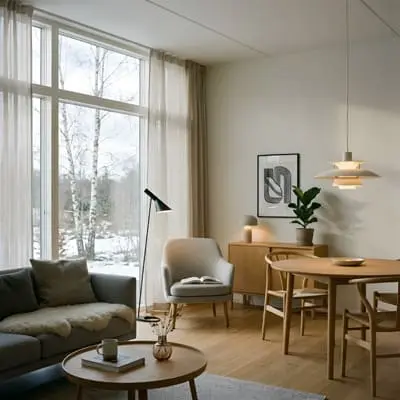
Fixtures often feature natural materials and soft, diffused light, supporting calm and intentional living.
This style integrates well with climate-aware strategies, as it prioritizes energy efficiency and comfort. Its global appeal lies in the balance between aesthetic restraint and human-centered warmth.
Scandinavian trends inspire many residential lighting solutions worldwide, promoting slow design and sustainability.
Japanese Wabi-Sabi and Imperfection in Lighting
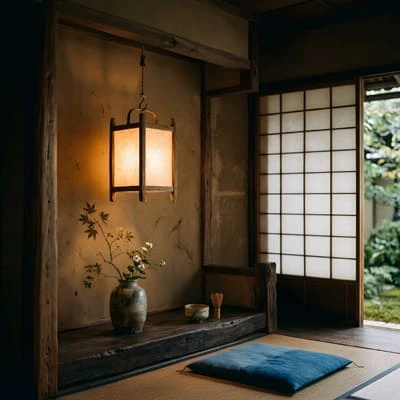
Japanese wabi-sabi philosophy embraces imperfection, natural materials, and subtlety, influencing lighting trends that favor organic forms and muted tones.
Lighting designs inspired by this aesthetic use soft shadows and indirect illumination to create contemplative spaces.
Natural textures and handmade fixtures contribute to a tactile and emotional depth. The approach encourages mindfulness and a slower pace of life, seamlessly aligning with human-centered and calm design values.
Incorporating wabi-sabi elements enriches lighting trends with cultural depth and tranquility.
Mediterranean Light and Warmth
The Mediterranean influence brings a vibrant yet relaxed approach to lighting trends, emphasizing outdoor-indoor connections and warm, golden light.
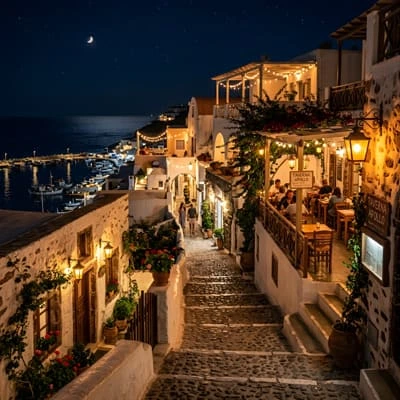
Lighting designs here often celebrate natural sunlight and incorporate warm-hued fixtures that complement earthy materials.
This style balances functionality with a festive, inviting atmosphere, encouraging social interaction and comfort. It also aligns with climate-aware principles by harnessing abundant natural light and using efficient artificial sources.
Mediterranean trends offer an international perspective that grounds lighting design in place and culture.
Technological Advances Shaping Future Lighting Trends
OLED Lighting Panels
Organic Light Emitting Diode (OLED) technology introduces ultra-thin, flexible lighting panels that offer unique design possibilities. OLEDs emit a soft, diffuse light with exceptional uniformity, ideal for creating calm interiors. They enable new architectural integrations, such as curved surfaces and embedded lighting.
Though still emerging, OLEDs present promising advancements in efficiency and aesthetic quality. Their low heat emission and thin profile support climate-aware and human-centered lighting strategies.
As costs decline, OLEDs are expected to become more prevalent in residential applications.
Human-Centered Lighting Algorithms
Artificial intelligence and machine learning integrate into lighting controls to personalize lighting environments dynamically. These algorithms learn occupant habits, preferences, and biometric data to optimize light levels and color temperatures throughout the day.
This intelligent approach enhances comfort, productivity, and health while minimizing energy consumption. It represents the cutting edge of lighting trends that merge technology with human experience.
Such systems embody the slow, intentional philosophy by adapting subtly and continuously.
Wireless, Battery-Powered Fixtures
- Ease of installation without rewiring
- Flexibility in fixture placement and repositioning
- Integration with smart home ecosystems
- Reduced environmental impact during installation
Wireless, battery-powered lighting solutions offer unparalleled convenience and adaptability. They enable architectural lighting designs that are less invasive and more responsive to changing needs. These fixtures support temporary or permanent installations with minimal disruption.
This technology aligns with climate-aware and human-centered principles by promoting flexibility and reducing resource use during retrofits or new builds.
Lighting trends
Lighting trends today emphasize a balance between innovation, sustainability, and human well-being.
By integrating natural light, leveraging advanced technologies, and focusing on architectural harmony, residential lighting can create spaces that are both cozy and functional.
The thoughtful use of materials, energy-efficient systems, and adaptable controls ensures lighting designs support slow, intentional living while respecting environmental constraints.
Embracing these lighting trends allows homeowners and designers to craft environments that enhance daily life with calmness, warmth, and efficiency. Consider these insights as a foundation to transform your home’s lighting thoughtfully and sustainably.
Frequently Asked Questions (FAQ)
What Are the Main Benefits of Following Current Lighting Trends?
Current lighting trends enhance energy efficiency, improve comfort through human-centered design, and support sustainable living. They also enable personalized lighting scenes that cater to daily activities, promoting well-being and architectural cohesion.
How Can Natural Light Be Maximized in Residential Design?
Maximizing natural light involves strategic placement of windows, skylights, and light wells, combined with high-performance glazing and shading. Integrating daylight harvesting systems helps balance natural and artificial light for comfort and energy savings.
Why is LED Technology Important in Modern Lighting Trends?
LEDs provide high energy efficiency, long lifespan, and versatile color temperatures, making them ideal for sustainable and adaptable lighting solutions. Their compatibility with smart controls enhances functionality and supports climate-aware design.
How Does Smart Lighting Contribute to a Functional Home?
Smart lighting offers automated control, adaptive light settings, and remote operation, improving convenience and energy management. This technology personalizes lighting to user needs, enhancing comfort and usability throughout the home.
What Role Does Material Choice Play in Lighting Design?
Material selection impacts environmental sustainability, aesthetic quality, and fixture durability. Using recyclable, low-impact, and natural materials aligns lighting design with ecological goals and creates a calm, intentional atmosphere.

Architect with extensive experience in residential and commercial design, including renovations and modular construction. Love to share information about Architecture, home and lifestyle in this blog.