
Creating a sustainable garden is essential for conserving water and reducing expenses in residential landscapes. An eco-friendly garden not only nurtures plants efficiently but also reflects an intentional design that respects climate and human needs. Understanding how to integrate water-saving techniques can transform any garden into a resilient, thriving space.
Thank you for reading this post, don't forget to subscribe!With growing concerns over water scarcity and rising utility costs, adopting water-wise gardening practices presents an opportunity to build landscapes that are both environmentally responsible and cost-effective. These strategies help minimize waste while maintaining the beauty and functionality of outdoor spaces.
This article explores practical eco-friendly gardening tips focused on saving water and money. It covers design principles, plant selection, irrigation methods, soil management, and maintenance strategies—all grounded in architectural thinking and mindful living.
Water-Efficient Garden Design
Planning a Sustainable Landscape
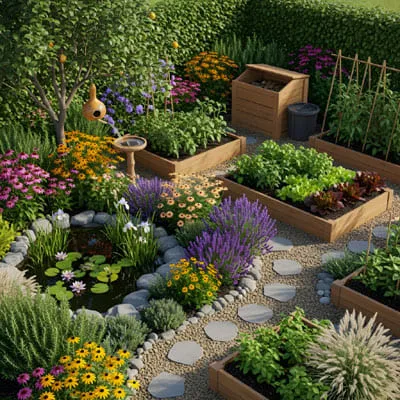
Designing a water-efficient garden begins with understanding the site’s natural conditions, including sun exposure, soil type, and native vegetation. Thoughtful planning reduces water use by grouping plants with similar moisture needs and creating microclimates that retain humidity. Utilizing principles like xeriscaping can significantly cut irrigation demands.
Incorporating hardscaping elements such as permeable paths and mulched beds helps manage runoff and maintain soil moisture. Effective zoning within the garden ensures that high-water-use plants are minimized or isolated, promoting conservation without sacrificing aesthetics.
Ultimately, a sustainable garden plan balances ecological responsibility with human comfort, fostering spaces that are calm, intentional, and responsive to the local climate.
Incorporating Native and Drought-Tolerant Plants
Native and drought-resistant plants are cornerstone elements in water-wise garden design. These species have evolved to thrive with minimal irrigation, making them ideal for climates with limited water availability.
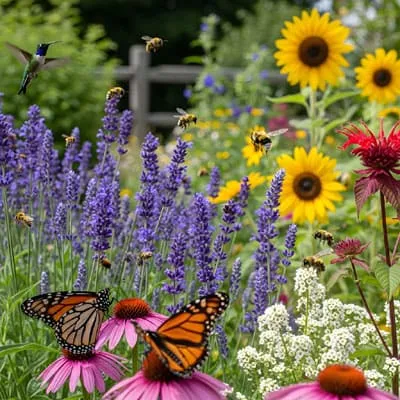
Their deep root systems enhance soil structure and reduce erosion.
Choosing plants adapted to your region also supports local biodiversity, attracting pollinators and beneficial insects. This natural balance decreases the need for chemical inputs and excessive watering, contributing to both environmental health and long-term savings.
By prioritizing indigenous flora, gardeners can create resilient landscapes that require less maintenance and sustain ecological harmony.
Strategies for Optimized Plant Placement
- Cluster plants by water requirements to simplify irrigation
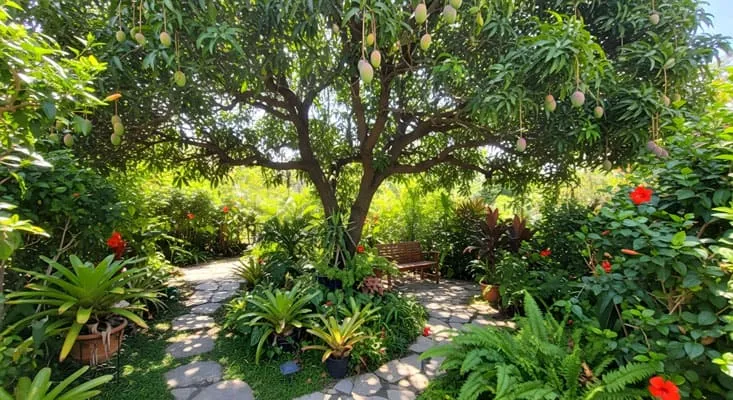
- Use shade trees strategically to reduce evaporation
- Employ windbreaks to protect moisture-sensitive areas
- Position plants to maximize natural rainfall capture
- Design slopes and contours for optimal drainage and water retention
Positioning plants with water conservation in mind reduces waste and enhances growth conditions. Groupings minimize irrigation zones, while shade and wind protection preserve soil moisture. Thoughtful land shaping also directs rainwater to where it’s most needed.
Innovative Irrigation Techniques for Gardens
Drip Irrigation Systems and Their Benefits
Drip irrigation delivers water directly to plant roots, significantly reducing evaporation and runoff. This method conserves water more efficiently than traditional sprinklers, making it ideal for residential gardens focused on sustainability. It also allows precise control over watering schedules and volumes.
Installation can be adapted to various garden sizes and plant types, providing flexibility and scalability. By minimizing water loss, drip systems reduce costs and promote healthier plants through consistent moisture levels.
Overall, drip irrigation is a cornerstone of eco-friendly gardening practices that prioritize resource efficiency.
Rainwater Harvesting and Storage Solutions
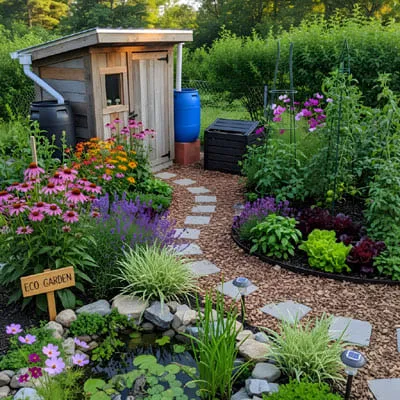
Collecting and storing rainwater reduces dependence on municipal water supplies, lowering both environmental impact and household expenses.
Rain barrels and cisterns capture runoff from roofs, which can be filtered and used for irrigation during dry periods.
Integrating rainwater harvesting with landscape design encourages sustainable water cycles and supports the garden’s natural ecosystem. Properly sized storage and distribution systems ensure availability when needed most.
This approach exemplifies intentional gardening that aligns with broader climate-conscious goals.
Smart Controllers and Soil Moisture Sensors
- Automate irrigation based on real-time weather conditions
- Prevent overwatering by monitoring soil moisture levels
- Optimize watering times to early morning or late evening
- Reduce water waste by adjusting schedules seasonally
- Integrate with mobile apps for remote garden management
- Enhance plant health through precise hydration control
Smart technology in irrigation systems empowers gardeners to conserve water intelligently. Sensors and controllers tailor watering to actual needs, preventing excess and promoting sustainable plant growth. This integration supports slow, intentional care aligned with natural cycles.
| Irrigation Method | Water Efficiency | Installation Cost |
|---|---|---|
| Drip Irrigation | High (up to 90% water savings) | Moderate |
| Sprinkler System | Moderate (up to 50% water savings) | Low to Moderate |
| Soaker Hoses | High (up to 75% water savings) | Low |
Soil Management for Water Conservation
Improving Soil Structure and Retention
Healthy soil is fundamental for water conservation in gardens. Amending soil with organic matter such as compost increases its capacity to retain moisture and nutrients. This reduces the frequency of watering and supports robust root systems.
Well-structured soil facilitates better infiltration, preventing runoff and erosion. Practices like minimal tilling preserve soil integrity and promote beneficial microbial activity, further enhancing water retention.
Intentional soil care reflects an architectural approach to garden design, ensuring the foundation supports sustainable plant health.
Mulching Techniques for Moisture Preservation
Mulching is an effective way to reduce evaporation and moderate soil temperature. Organic mulches such as wood chips, straw, or leaf litter create a protective barrier that conserves moisture and suppresses weeds.
Applying mulch consistently around plants encourages deeper root growth and decreases irrigation needs. It also contributes to soil fertility as it decomposes, fostering a slow, natural cycle of nutrient replenishment.
Mulching embodies a calm, deliberate gardening practice that aligns with eco-friendly principles.
Utilizing Compost and Organic Matter
- Enhances soil nutrient content and water-holding capacity
- Supports beneficial microorganisms that improve soil health
- Reduces reliance on chemical fertilizers
- Encourages sustainable waste recycling from garden debris
Incorporating compost into soil management is crucial for maintaining a water-wise garden. It improves the soil’s texture and water retention, enabling plants to survive drought conditions better. This organic approach also promotes environmental stewardship and economic savings.
Plant Selection and Maintenance for Sustainable Gardens
Choosing Plants with Low Water Needs
Selecting species that naturally require less water is a cornerstone of sustainable gardening. Succulents, Mediterranean herbs, and native grasses are excellent examples.
These plants thrive in dry conditions, reducing irrigation demand and maintenance requirements.
Proper plant selection also enhances the garden’s resilience to climate variability. By matching plants to the local environment, gardeners create harmonious ecosystems that conserve resources effectively.
This strategy supports an intentional, climate-aware garden that reflects thoughtful architectural planning.
Seasonal Care to Optimize Water Use
Adjusting garden maintenance based on seasonal changes maximizes water efficiency. For example, reducing irrigation during rainy months and increasing organic mulch application in summer help preserve moisture. Pruning and deadheading also maintain plant health, encouraging vigorous growth with minimal water.
Seasonal attention prevents overwatering and reduces stress on plants, aligning garden care with natural rhythms. This slow, deliberate approach extends the life of the garden and lowers resource consumption.
Integrating seasonal strategies demonstrates expertise in sustainable landscape management.
Pruning and Plant Health Management
- Removes dead or diseased growth to improve water uptake
- Enhances airflow, reducing water loss through transpiration
- Shapes plants for optimal sun exposure and root development
- Prevents overcrowding, minimizing competition for moisture
Regular pruning is vital to maintaining a healthy garden that uses water efficiently. It supports plant vigor and reduces unnecessary water stress. This practice reflects an architectural sensitivity to plant form and function within the garden ecosystem.
Climate-Responsive Gardening Practices
Adapting Gardens to Local Climate Conditions
Understanding the local climate is essential for creating gardens that thrive with minimal water. Regional rainfall patterns, temperature fluctuations, and wind exposure all influence plant selection and irrigation needs. Designing with these factors in mind leads to resilient, low-maintenance gardens.
Incorporating native species and appropriate soil amendments further enhances adaptability. This approach respects ecological balance and fosters sustainable water use.
Climate-responsive gardens embody an international perspective grounded in local realities.
Microclimate Creation and Utilization
Microclimates within a garden can be created using architectural elements, vegetation, and terrain modification. These small-scale climate zones help moderate temperature, humidity, and wind, reducing water evaporation and improving plant comfort.
For example, shade structures or strategically placed trees create cooler areas, while retaining walls can shelter plants from drying winds. Utilizing these techniques enhances overall garden sustainability and user experience.
This deliberate microclimate management reflects a human-centered, intentional design philosophy.
Seasonal Planting Strategies for Water Savings
- Plant drought-tolerant species during dry seasons
- Schedule planting to coincide with natural rainfall
- Use cover crops to protect soil and retain moisture
Timing plantings with seasonal conditions maximizes water efficiency. Selecting appropriate species for each season reduces irrigation needs and supports continuous garden vitality. Cover crops improve soil health and moisture retention, contributing to a sustainable cycle.
| Climate Zone | Recommended Plant Type | Water Use Level |
|---|---|---|
| Arid | Succulents, Cacti | Low |
| Temperate | Native Perennials, Grasses | Moderate |
| Tropical | Shade Trees, Ferns | High |
Garden Infrastructure and Sustainable Materials
Permeable Surfaces and Water Management
Installing permeable paving materials allows rainwater to infiltrate the soil rather than run off, reducing erosion and replenishing groundwater. Materials such as gravel, porous concrete, and interlocking pavers contribute to effective water management in garden design.
These surfaces support sustainable urban drainage systems (SUDS) and enhance the overall resilience of residential landscapes. They also complement planting schemes by maintaining soil moisture.
Integrating permeable infrastructure embodies an architectural approach that balances function and ecological impact.
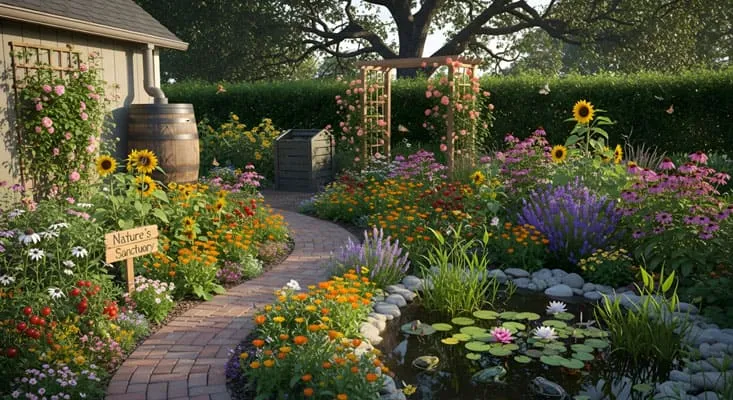
Rain Gardens and Bioswales
Rain gardens and bioswales are engineered landscape features designed to capture and filter stormwater. They reduce runoff by directing water into vegetated depressions where it slowly infiltrates the soil. This process supports plant health and mitigates flooding risks.
Incorporating these elements into garden design improves water quality and promotes biodiversity. They are effective tools for gardeners seeking to harmonize their landscapes with natural hydrological cycles.
Such interventions demonstrate a climate-aware and human-centered garden philosophy.
Durable, Sustainable Materials for Garden Structures
- Use reclaimed or sustainably sourced wood for raised beds and fences
- Opt for recycled metal or stone for hardscape features
- Choose long-lasting, low-maintenance materials to reduce replacement frequency
- Employ eco-friendly finishes that minimize chemical runoff
Selecting sustainable materials for garden infrastructure supports environmental goals and enhances garden longevity. These choices reduce the carbon footprint associated with manufacturing and maintenance, reflecting intentional design that values quality and stewardship.
Community and Lifestyle Integration in Garden Spaces
Designing for Social Connection and Wellbeing
Gardens are vital spaces for fostering community interaction and personal wellbeing. Thoughtful design considers seating areas, pathways, and sightlines that encourage relaxation and social engagement. Incorporating sensory elements like fragrant plants and textured surfaces enhances the human experience.
Such spaces support mental health and cultivate a sense of place. They extend the architectural narrative beyond aesthetics into lived experience, creating gardens that are calm, purposeful, and inclusive.
Designing with people in mind ensures that gardens serve as restorative retreats and social hubs.
Incorporating Edible Plants and Pollinator Habitats
Integrating edible species and pollinator-friendly plants adds functional value and ecological benefit to residential gardens.
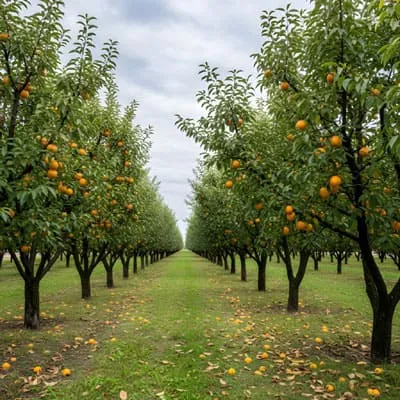
Vegetable beds, fruit trees, and herb patches provide fresh produce while supporting beneficial insects like bees and butterflies.
This synergy enhances garden biodiversity and encourages sustainable food production at home. It also connects gardeners to natural cycles and local ecosystems, fostering a deeper appreciation for the environment.
Such intentional planting promotes an interconnected, climate-aware lifestyle.
Maintaining Garden Spaces with Minimal Environmental Impact
- Employ manual tools and electric equipment to reduce emissions
- Adopt integrated pest management to limit chemical use
- Recycle garden waste through composting and mulching
Ongoing garden maintenance should align with eco-friendly principles. Minimizing fossil fuel use and chemical inputs protects soil and water quality. Recycling organic matter closes nutrient loops and supports soil health. These practices reflect a slow, deliberate approach to landscape stewardship.
A Sustainable garden
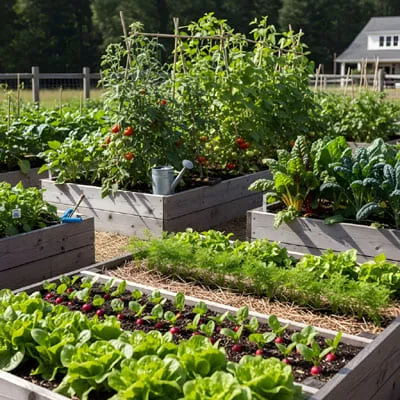
An eco-friendly garden that saves water and money requires intentional design, careful plant selection, and sustainable maintenance practices.
By integrating water-efficient irrigation, soil management, and climate-responsive strategies, gardeners can create resilient, beautiful spaces that honor both nature and human needs.
Adopting these principles fosters a garden that is not only environmentally responsible but also deeply connected to the rhythms of daily life. Embrace these techniques to cultivate a sustainable garden that thrives while conserving precious resources.
Frequently Asked Questions (FAQ)
What Are the Best Plants for a Water-wise Garden?
The best plants for a water-wise garden are native species and drought-tolerant varieties such as succulents, Mediterranean herbs, and native grasses. These plants naturally require less irrigation and are adapted to local climate conditions, making them resilient and low maintenance.
How Does Drip Irrigation Save Water Compared to Sprinklers?
Drip irrigation saves water by delivering moisture directly to plant roots, minimizing evaporation and runoff. Unlike sprinklers, which spray water over a large area, drip systems target specific zones, increasing efficiency and reducing overall water consumption.
Can Rainwater Harvesting Be Used Year-round in a Garden?
Yes, rainwater harvesting can be utilized year-round by storing collected water in barrels or cisterns for use during dry periods. Proper storage and filtration ensure availability and quality, making it a sustainable supplement to municipal water supplies for irrigation.
Why is Mulching Important for Water Conservation?
Mulching is important because it reduces soil evaporation, moderates temperature, and suppresses weeds that compete for moisture. Organic mulches also improve soil structure as they decompose, enhancing the soil’s ability to retain water and nutrients.
How Can I Adapt My Garden to Local Climate Conditions?
To adapt your garden, select plants native to your region, use soil amendments that improve water retention, and design microclimates with shade or wind protection. Adjust irrigation schedules seasonally and incorporate sustainable materials to suit the local environment.