
Interior doors play a fundamental role in shaping the light and flow within residential spaces. Their material, size, specifications, and design directly influence how natural and artificial light travels through rooms, as well as how people move and experience their homes. Understanding these elements is crucial for architects and homeowners alike who want to create environments that are both functional and harmonious.
Thank you for reading this post, don't forget to subscribe!Choosing the right interior doors requires careful consideration of various factors, including the door’s dimensions, construction materials, and stylistic attributes. These choices affect not only aesthetics but also spatial dynamics and energy efficiency. This article explores how these components impact light distribution and circulation, offering a comprehensive guide for those aiming to optimize interior environments through strategic door selection.
We will examine seven key aspects related to material, size, specifications, and design, each providing insights into how interior doors contribute to better light management and spatial flow. From practical specifications to architectural principles, this article is grounded in real-life application and climate-conscious strategies.
Material Choices and Their Impact on Light Transmission
Common Materials and Their Characteristics
Interior doors come in a variety of materials, each influencing light transmission and durability differently. Wood, for example, offers warmth and sound insulation but often blocks light completely. Glass doors, whether fully transparent or frosted, allow natural light to permeate deeper into interiors, creating a sense of openness. Metal doors, while sturdy, typically reduce light flow unless combined with glass inserts.
The choice of material also affects the door’s weight and maintenance needs. For instance, solid wood doors require regular upkeep to prevent warping, especially in humid climates, whereas composite materials offer durability with less maintenance. Selecting the right material is essential for balancing light control, privacy, and longevity.
Incorporating translucent or semi-transparent materials can enhance natural lighting without sacrificing privacy, making these options ideal for rooms that benefit from shared light but require some visual separation.
Energy Efficiency and Climate Considerations
Materials influence not only light but also insulation properties. Doors with poor thermal specifications can lead to energy losses, affecting indoor climate control and comfort. Wood and insulated fiberglass doors typically offer better thermal performance than metal.
Climate-aware design encourages selecting materials that minimize heat transfer while optimizing daylighting. For example, doors with double-glazed glass panels can reduce heat loss and gain, enhancing energy efficiency without compromising on natural light.
These considerations are particularly important in regions with extreme temperatures or high humidity, where material behavior affects both durability and occupant comfort.
Maintenance and Longevity of Materials
Material selection also impacts long-term performance and maintenance cycles. Solid wood doors require periodic refinishing to maintain appearance and function, especially in high-traffic or moisture-prone areas. Metal doors are resilient but susceptible to corrosion if not properly treated or in coastal environments.
Composite materials such as MDF or engineered wood offer stability and resistance to warping but may lack the authenticity and tactile warmth of natural wood. Glass doors, while low-maintenance, require frequent cleaning to maintain clarity and prevent smudges or scratches.
Choosing materials with maintenance requirements aligned to the building’s use and climate can extend door lifespan and preserve aesthetic and functional qualities.
Size Variations and Spatial Flow Optimization
Standard Sizes Versus Custom Dimensions
The size of interior doors significantly affects circulation and light penetration. Standard door sizes are typically 80 inches tall and 30-36 inches wide, fitting most residential layouts. However, custom-sized doors allow for greater flexibility in architectural design and can enhance spatial flow by better aligning with room proportions.
- Standard door height and width specifications
- Advantages of custom sizing for unique spaces
- Impact of oversized doors on openness and light
- Challenges with non-standard door sizes in installation and hardware
- Considerations for accessibility compliance
Custom doors, such as taller pivot doors or wider sliding panels, create seamless transitions between spaces, boosting the sense of continuity and improving natural light spread.
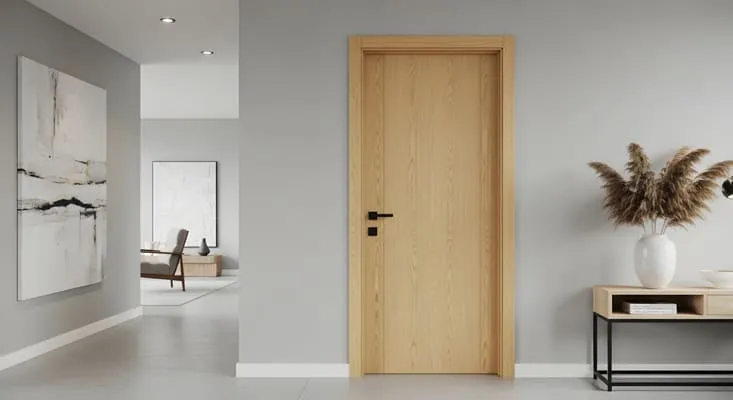
Door Height and Light Distribution
Height plays a critical role in how light moves through a room. Taller doors, especially those reaching closer to ceiling height, allow more light to pass under transoms or alongside sidelights, enhancing vertical flow. This is particularly effective in rooms with high ceilings or where daylight is a priority.
Conversely, shorter doors may restrict light flow and create visual barriers that compartmentalize spaces. Architects often pair taller door designs with slender profiles to optimize both light and movement.
Height adjustments should consider ceiling height, proportions, and furniture layout to maintain balance and comfort.
Width and Pathways for Movement
Wider doors facilitate better circulation and accessibility, contributing to a calm and intentional flow within the home. They allow furniture and occupants to move easily between rooms, which is essential in human-centered design. Narrow doors can cause bottlenecks and reduce the perception of openness.
Sliding or pocket doors can save space and improve flow in narrow corridors or compact layouts. Door width should harmonize with room function, traffic patterns, and intended use to maintain smooth movement.
Designers often balance width with material strength and hardware specifications to ensure durability and ease of operation.
Specifications for Functional and Aesthetic Balance
Hardware and Operational Specifications
The choice of door hardware—hinges, handles, locks—affects both function and design. High-quality hardware ensures smooth operation, longevity, and security, while subtle design choices can enhance visual appeal.
- Types of hinges: butt, pivot, concealed
- Handle styles: lever, knob, pull
- Locking mechanisms for privacy and safety
- Soft-close and self-closing features
- Hardware finishes complementing door material and style
Specifying hardware that aligns with the door’s material and design ensures cohesive aesthetics and reliable performance.
Fire and Acoustic Ratings
Specifications related to fire safety and sound insulation are critical in residential design.
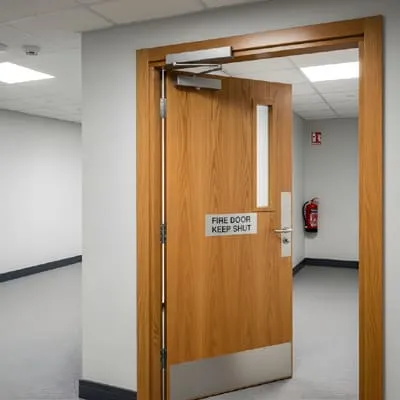
Fire-rated doors provide necessary protection in multi-family buildings or between certain room types, while acoustic-rated doors improve privacy and comfort.
Materials and core construction largely determine these ratings. Solid cores, acoustic seals, and specialized cores enhance performance without compromising design integrity.
Understanding and applying these specifications can improve occupant wellbeing and comply with local building codes.
Weight and Installation Considerations
The weight of a door impacts installation complexity and hardware requirements.
Heavy doors, often made of solid wood or metal, need reinforced frames and robust hardware to ensure safety and ease of use.
Lightweight materials like hollow core or composite doors simplify installation but may reduce sound insulation and durability. Installation specifications should consider wall thickness, frame strength, and expected traffic.
Proper installation is essential for maintaining door alignment, smooth operation, and long-term performance.
Design Strategies to Enhance Light and Flow
Minimalist and Human-Centered Design Approaches
Designing doors with a minimalist approach emphasizes simplicity, functionality, and calm aesthetics. This style reduces visual clutter and supports a slow, intentional pace within the home, aligning with human-centered principles.
Clean lines, neutral colors, and natural materials complement interior architecture, allowing light and space to breathe. Doors become subtle transitions rather than focal points, enhancing flow and light distribution without distraction.
Such design supports occupants’ wellbeing by fostering calm, quiet, and connected environments.
Incorporating Glass and Translucent Elements
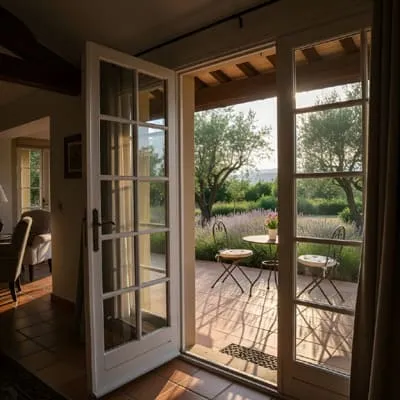
Glass panels or translucent inserts in doors maximize light transfer between rooms, breaking down barriers without sacrificing separation. Frosted, tinted, or patterned glass can provide privacy while maintaining daylight access.
These design choices create visual connections that encourage openness and continuity. Proper sealing and material specifications ensure thermal and acoustic performance are maintained.
Integrating glass thoughtfully balances transparency with privacy and flow, suitable for various residential spaces.
Color, Texture, and Finishes
The finish of interior doors influences how light interacts with surfaces and contributes to overall ambiance.
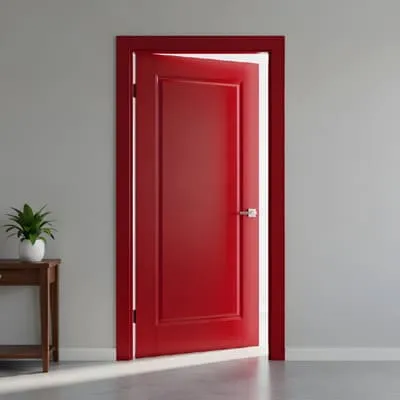
Matte finishes absorb light subtly, creating calm moods, while glossy surfaces reflect light, enhancing brightness and spaciousness.
Texture adds tactile warmth and visual interest, especially when using natural wood grains or specialty paints. Color choices should harmonize with room palettes and lighting conditions to support a balanced environment.
Intentional finishes elevate door design from functional to architectural elements shaping the home’s character.
Design Variations and Their Spatial Influence
Sliding, Pocket, and Barn Doors
Alternative door designs like sliding, pocket, and barn doors optimize space and improve flow by eliminating swing areas. These designs are especially useful in smaller or multi-functional rooms.
- Space-saving benefits of sliding and pocket doors
- Rustic and industrial aesthetics of barn doors
- Hardware and installation nuances for non-traditional doors
- Impact on light flow with varying panel materials
- Considerations for privacy and sound insulation
Choosing the right door variation enhances spatial efficiency and design flexibility.
Double and French Doors
Double and French doors create grander openings that significantly enhance light penetration and spatial flow.
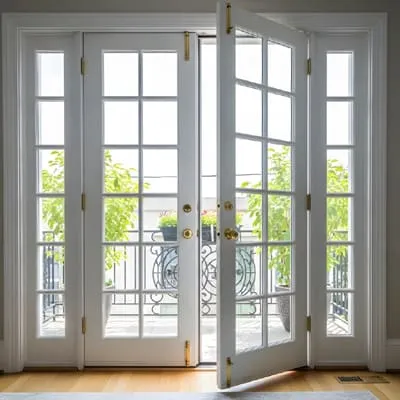
They visually expand rooms and promote indoor-outdoor connections when used with exterior access points.
These doors often feature glass panels, increasing daylight while providing elegant separation. Proper sizing and hardware support ease of use and durability.
Architecturally, they contribute to a balanced and intentional design language, reinforcing openness and accessibility.
Pivot and Flush Doors
Pivot doors offer a modern alternative with unique rotation mechanics that create dramatic entrances and smooth movement. Flush doors blend seamlessly with walls, supporting minimalist designs and calm interiors.
Both types influence light and flow differently; pivot doors can be oversized to maximize openings, while flush doors minimize visual interruption.
Specification and installation details are critical to achieve the desired functional and aesthetic outcomes.
Comparative Analysis of Door Materials and Sizes
| Material | Light Transmission | Typical Sizes Available |
|---|---|---|
| Solid Wood | Minimal (opaque) | Standard and custom widths, heights up to 96″ |
| Glass (Framed) | High (transparent or translucent) | Custom sizes; often taller and wider for impact |
| Metal | Minimal unless combined with glass | Standard sizes, limited customization |
| Composite/MDF | Minimal (opaque) | Wide availability in standard sizes |
Optimizing Specifications for Performance and Style
Custom Specifications for Unique Projects
Custom door specifications allow precise control over material, size, finish, and hardware to meet project-specific needs. Tailoring these aspects supports architectural intent, human comfort, and climate responsiveness.
- Custom sizing for proportional harmony
- Material blends for performance and aesthetics
- Hardware choices aligned with design language
- Special finishes for durability and appearance
Engaging specialists early ensures specifications support long-term quality and satisfaction.
Comparative Table of Door Hardware Features
| Hardware Type | Functionality | Design Compatibility |
|---|---|---|
| Concealed Hinges | Invisible when door closed, smooth operation | Minimalist, modern designs |
| Pivot Hinges | Supports heavy, oversized doors | Contemporary, statement entrances |
| Soft-Close Mechanisms | Prevents slamming, prolongs door life | Residential and commercial interiors |
Specification Challenges and Solutions
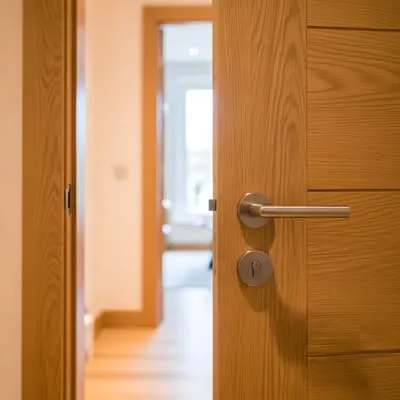
Specifying doors involves balancing performance, aesthetics, and budget constraints. Challenges include sourcing custom materials, ensuring hardware compatibility, and meeting building codes.
Solutions involve collaborating with manufacturers, using modular components, and prioritizing key specifications aligned with project goals.
Early planning and clear communication between architects, contractors, and clients minimize issues and optimize outcomes.
Integrating Doors with Overall Architectural Design
Doors as Architectural Elements
Doors transcend functionality by acting as integral architectural components that define spatial rhythm and hierarchy. Their design, materiality, and placement contribute to the home’s character and flow.
Architects consider doors in relation to adjacent walls, windows, and furniture to ensure coherence. Thoughtful integration supports calm, intentional living environments where every element feels purposeful.
Doors can frame views, regulate light, and enhance transitions, reinforcing the design narrative throughout the residence.
Climate-Aware and Sustainable Design
Incorporating climate-responsive strategies in door design minimizes energy consumption and environmental impact. This includes selecting sustainable materials, optimizing thermal specifications, and maximizing daylighting.
Doors with insulated cores, weather stripping, and high-performance glazing reduce energy loss, contributing to a building’s overall sustainability profile.
Such approaches align with international best practices while respecting local context and occupant needs.
Human-Centered Design and User Experience
Human-centered design prioritizes occupant comfort, accessibility, and interaction with the built environment.
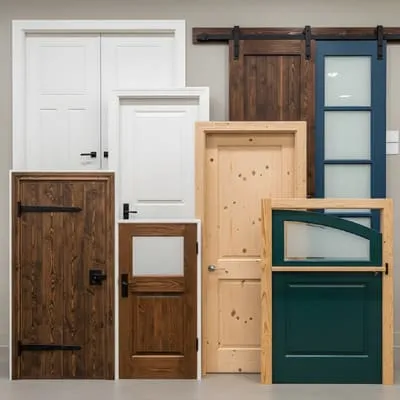
Doors designed with ergonomic hardware, appropriate size, and smooth operation enhance everyday usability.
Designers consider sight lines, tactile qualities, and acoustic separation to improve well-being. The goal is to create spaces that feel intuitive and supportive of daily routines.
This perspective ensures doors contribute positively to how people live, move, and experience their homes.
Balancing Aesthetics and Practicality in Door Design
Visual Harmony with Interior Styles
Door design must complement the overall interior style, whether modern, traditional, or transitional. This includes matching materials, colors, and finishes to surrounding elements like floors, walls, and cabinetry.
Visual harmony enhances the sense of calm and cohesion, reinforcing the architectural intent without distraction. Subtle detailing and restrained ornamentation favor slow, intentional design philosophies.
Integrating doors thoughtfully ensures they support rather than compete with interior aesthetics.
Durability Versus Design Priorities
Balancing durability and design requires selecting materials and finishes that withstand daily wear while maintaining visual appeal. High-traffic areas benefit from robust cores and scratch-resistant surfaces.
Designers often prioritize finishes that age gracefully and hardware that resists frequent use. This balance supports long-term performance without compromising style.
Understanding how doors will be used informs material and specification choices to meet both practical and aesthetic demands.
Slow Design and Intentional Living
Doors designed with slow, intentional principles emphasize quality, craftsmanship, and timelessness. This approach rejects fleeting trends in favor of enduring design that enriches everyday life.
Such doors invite tactile engagement and mindful interaction, fostering a deeper connection between occupants and their environment.
Integrating slow design into door selection supports human-centered, climate-aware architecture focused on lasting value.
All doors
The interplay of material, size, specifications, and design in interior doors profoundly affects light distribution and spatial flow in residential environments. Thoughtful selection and integration of these factors enable architects and homeowners to craft homes that feel open, calm, and functional.
By prioritizing human-centered design, climate awareness, and architectural integrity, interior doors become more than mere boundaries—they transform into dynamic elements that shape everyday living. Reflecting on these principles encourages intentional choices that elevate both the experience and performance of interior spaces.
Frequently Asked Questions (FAQ)
How Does Door Material Influence Natural Light Inside a Home?
Door materials like glass or translucent panels allow natural light to pass between rooms, enhancing brightness and openness. Opaque materials such as solid wood block light, affecting the perception of space and requiring additional artificial lighting solutions.
Are Larger Doors Always Better for Improving Spatial Flow?
Not necessarily. While larger doors can facilitate movement and light flow, they must be proportionate to room size and function. Oversized doors may overwhelm small spaces or compromise privacy and insulation if not carefully specified.
What Specifications Should I Consider for Energy-efficient Interior Doors?
Look for doors with insulated cores, weather stripping, and high-quality glazing if glass is involved. These features reduce heat transfer, improve climate control, and contribute to overall energy efficiency in your home.
Can Sliding Doors Improve Both Light and Flow in Compact Spaces?
Yes, sliding and pocket doors save space by eliminating swing clearance, allowing for better circulation. When combined with glass panels, they also enhance light penetration, making compact areas feel larger and more connected.
How Does Door Hardware Affect the User Experience and Design?
Hardware impacts ease of use, security, and aesthetics. Smooth-operating hinges and ergonomic handles improve daily interaction, while finishes and styles contribute to the door’s visual harmony within the interior design scheme.
For further reading on door materials and specifications, consult the ArchDaily and guidelines from the American Wood Council.