
Designing a dedicated room for video blog, podcast, or business activities is essential in today’s digital and hybrid work environment. These rooms serve as specialized spaces that enhance productivity, creativity, and communication, enabling smooth content creation and effective business meetings. Understanding how to create a room design for video blog, room for podcast, or room for business fosters better user experiences and operational efficiency.
Thank you for reading this post, don't forget to subscribe!However, many struggle with balancing acoustics, lighting, technology, and comfort when designing these rooms. The challenge lies in creating a calm and intentional environment that supports various functions, from recording high-quality audio and video to hosting productive business discussions.
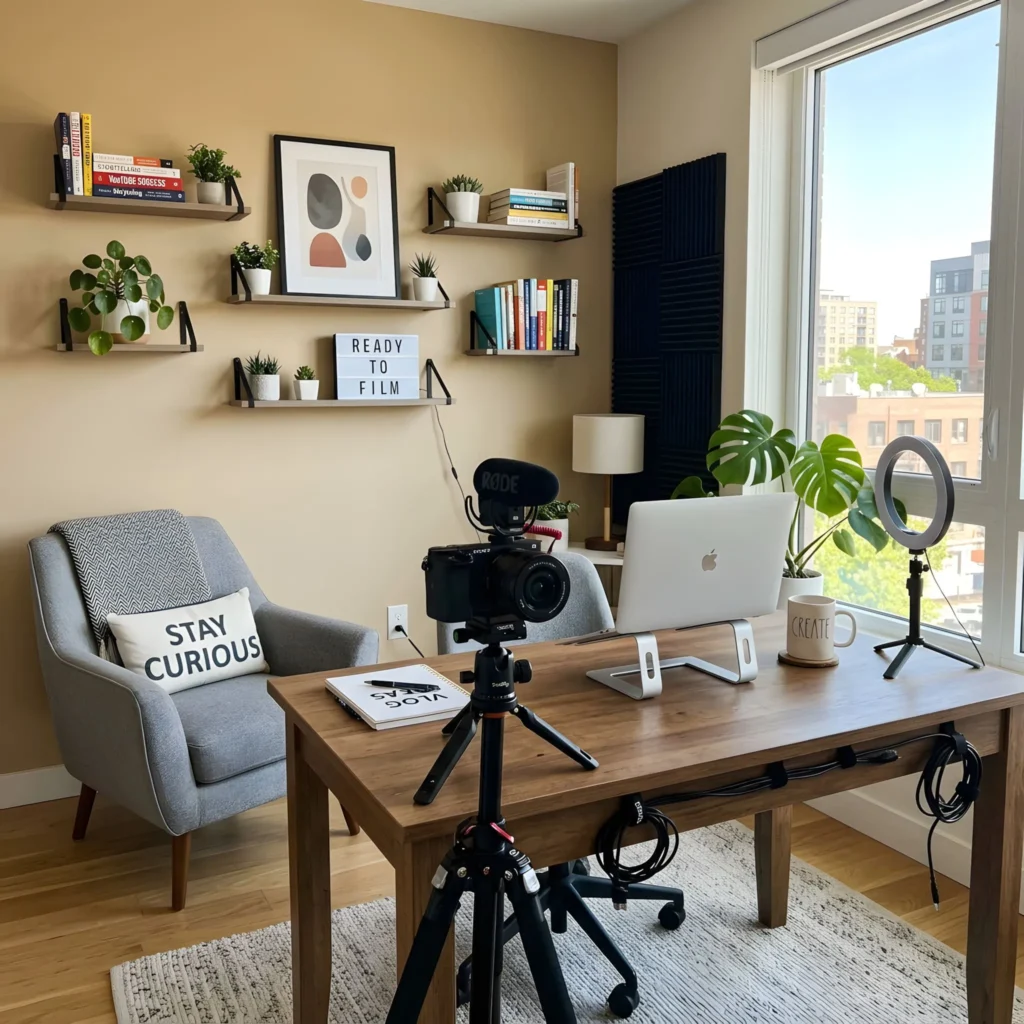
This article explores architectural and human-centered design strategies that can transform these specialized rooms into functional, climate-aware, and serene spaces.
We will dive into practical design principles, material choices, technology integration, and spatial arrangements tailored to rooms for video blogs, podcasts, and business use. By the end, you’ll gain a comprehensive understanding of how to build or improve these spaces while optimizing for comfort, efficiency, and SEO performance.
Designing an Effective Room for Video Blog
Acoustic Considerations for Clear Sound Quality
Creating a room for video blog requires meticulous acoustic treatment to ensure clear and crisp audio. Hard surfaces cause echoes and reverberations, which can degrade recording quality. Incorporating sound-absorbing panels, thick carpeting, and heavy curtains helps minimize unwanted noise reflections. Acoustic foam tiles and bass traps are also effective in controlling mid to low-frequency sounds.
Positioning microphones strategically within the room further improves sound capture. Consider using directional microphones that reduce ambient noise. Additionally, isolating the room from external sounds by sealing doors and windows enhances the overall audio experience, ensuring your video blog content is professional and engaging.
Integrating these acoustic solutions creates a calm environment that supports high-quality audio recording, essential for a successful video blog setup.
Lighting Design to Enhance Visual Appeal
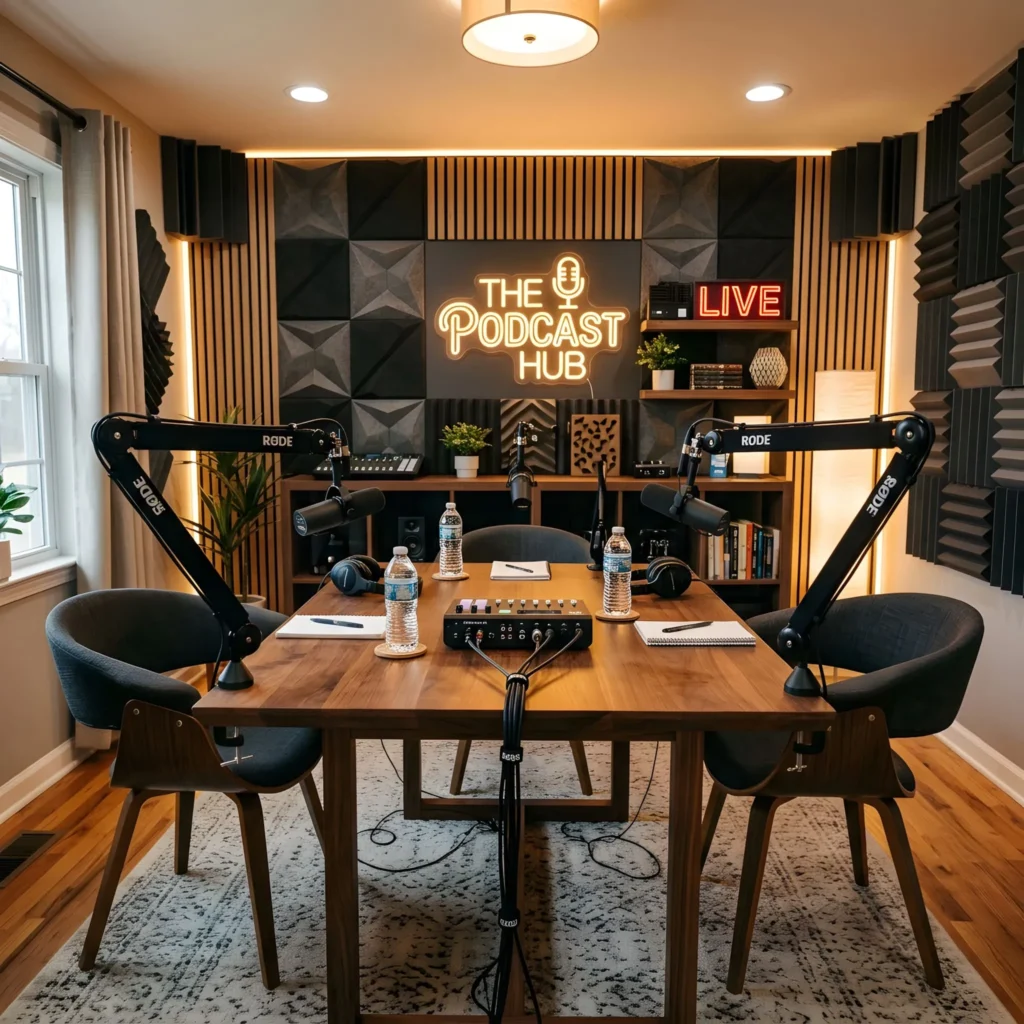
Lighting plays a foundational role in video blog production, influencing the visual quality and mood. Natural light is ideal but often unpredictable; therefore, combining it with adjustable artificial lighting offers control over brightness and color temperature. Softbox lights, ring lights, and LED panels with adjustable settings provide consistent and flattering illumination.
Position lights to eliminate harsh shadows on the face and background, maintaining a clean visual presentation. Using diffusers softens the light, creating a calm atmosphere suitable for prolonged recording sessions. Thoughtful lighting design not only improves image quality but also supports the creator’s comfort and focus during filming.
Incorporating lighting control systems allows quick adjustments, adapting the room for different video blog styles and times of day.
Furniture and Layout for Functional Workflow
- Ergonomic desk and chair for long recording sessions
- Adjustable shelving for equipment storage
- Flexible seating for guest interviews
- Cable management solutions to reduce clutter
- Soundproof doors and windows
Furniture choice and room layout are critical in establishing an efficient workflow within a room for video blog. Prioritize ergonomic designs that support long hours of recording and editing. Desks should accommodate cameras, lighting, and computers without crowding the space. Flexible seating arrangements facilitate guest participation and dynamic content creation.
Organized cable management reduces distractions and hazards, contributing to a calm and intentional work environment. The layout should encourage natural movement and easy access to all necessary equipment, enhancing productivity and creative flow.
Optimizing a Room for Podcast Production
Soundproofing Strategies to Eliminate External Noise
- Install double-glazed windows
- Use door seals and sweeps
- Apply acoustic panels on walls and ceilings
- Utilize heavy curtains or soundproof blankets
- Incorporate floating floors or rugs
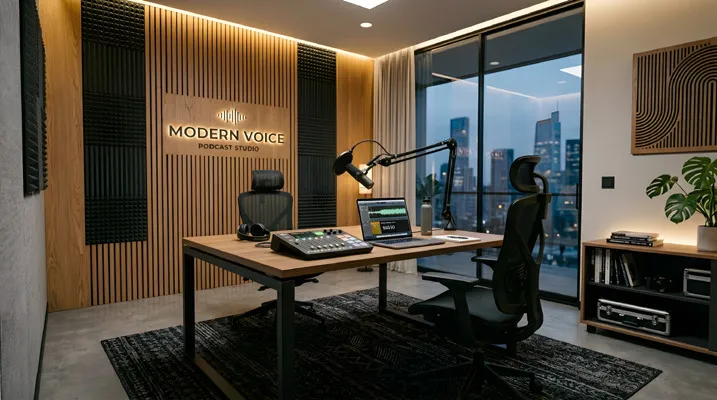
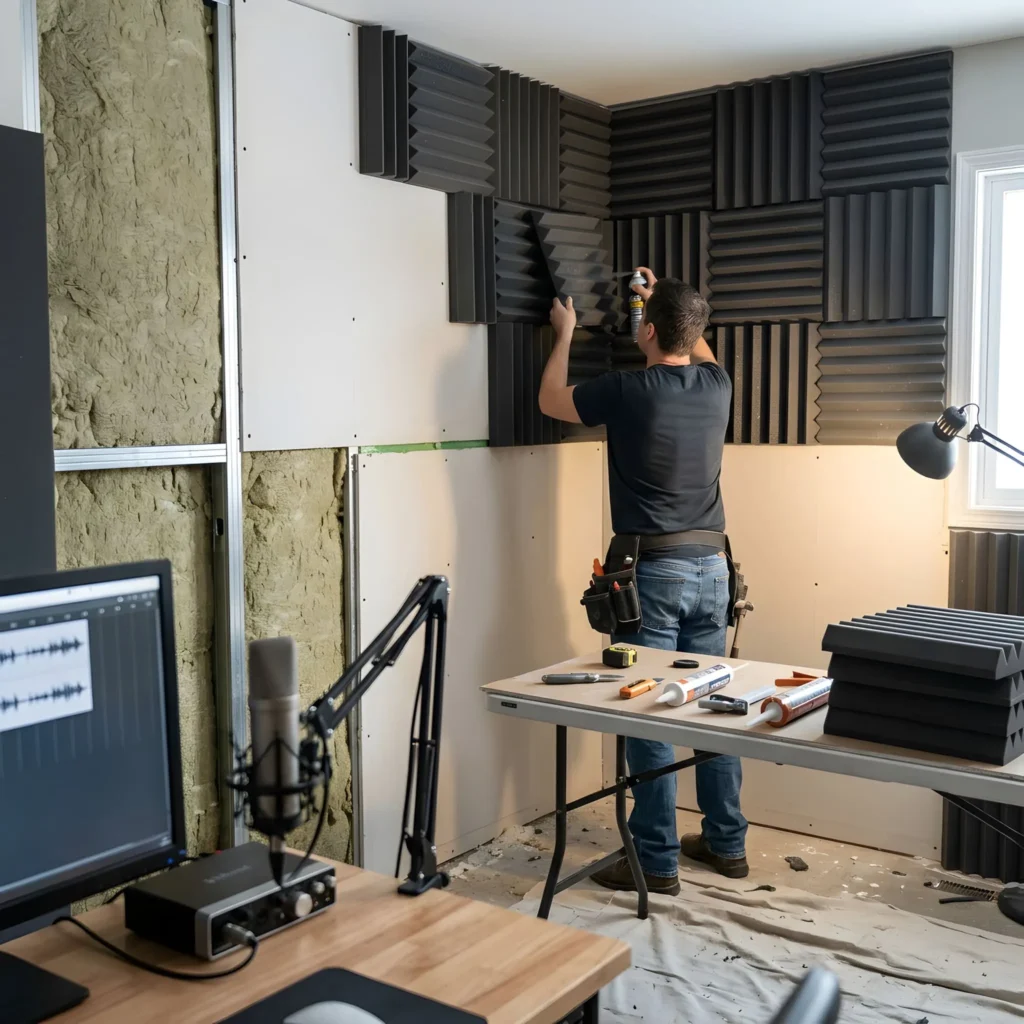
Soundproofing is fundamental in a room for podcast production to prevent external noises from interfering with recordings. Double-glazed windows significantly reduce street sounds, while door seals ensure no sound leaks through gaps. Acoustic panels absorb internal echoes and reflections, enhancing audio clarity.
Heavy curtains and soundproof blankets provide additional layers of noise control, especially useful in urban environments. Floating floors or thick rugs help isolate footsteps and vibrations, creating a calm atmosphere conducive to focused recording sessions.
Technical Setup for High-Quality Recordings
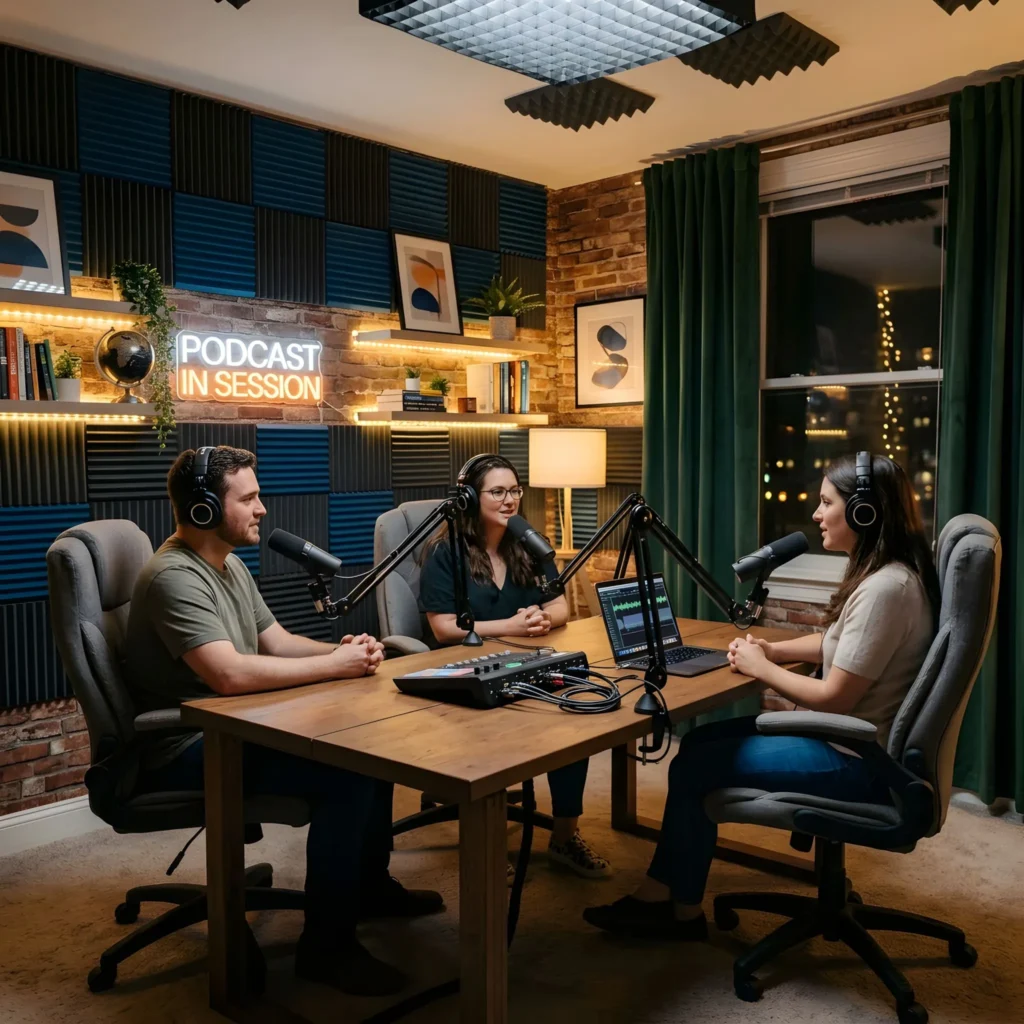
Equipping a podcast room with the right technology guarantees professional results. This includes quality microphones, audio interfaces, mixers, and headphones tailored to podcasting needs. USB or XLR microphones with pop filters reduce plosives and enhance voice clarity.
Recording software integration and sound level monitoring devices help maintain consistent audio levels. Positioning equipment within reach and ensuring cable organization contribute to an efficient setup. Regular maintenance and updates of technical gear are vital to avoid disruptions during sessions.
Combining these elements creates a reliable and user-friendly environment, enabling smooth podcast production workflows.
Comfort and Aesthetic for Long Sessions
Podcasts often require extended recording times, making comfort a priority. Ergonomic chairs with lumbar support and adjustable features prevent fatigue.
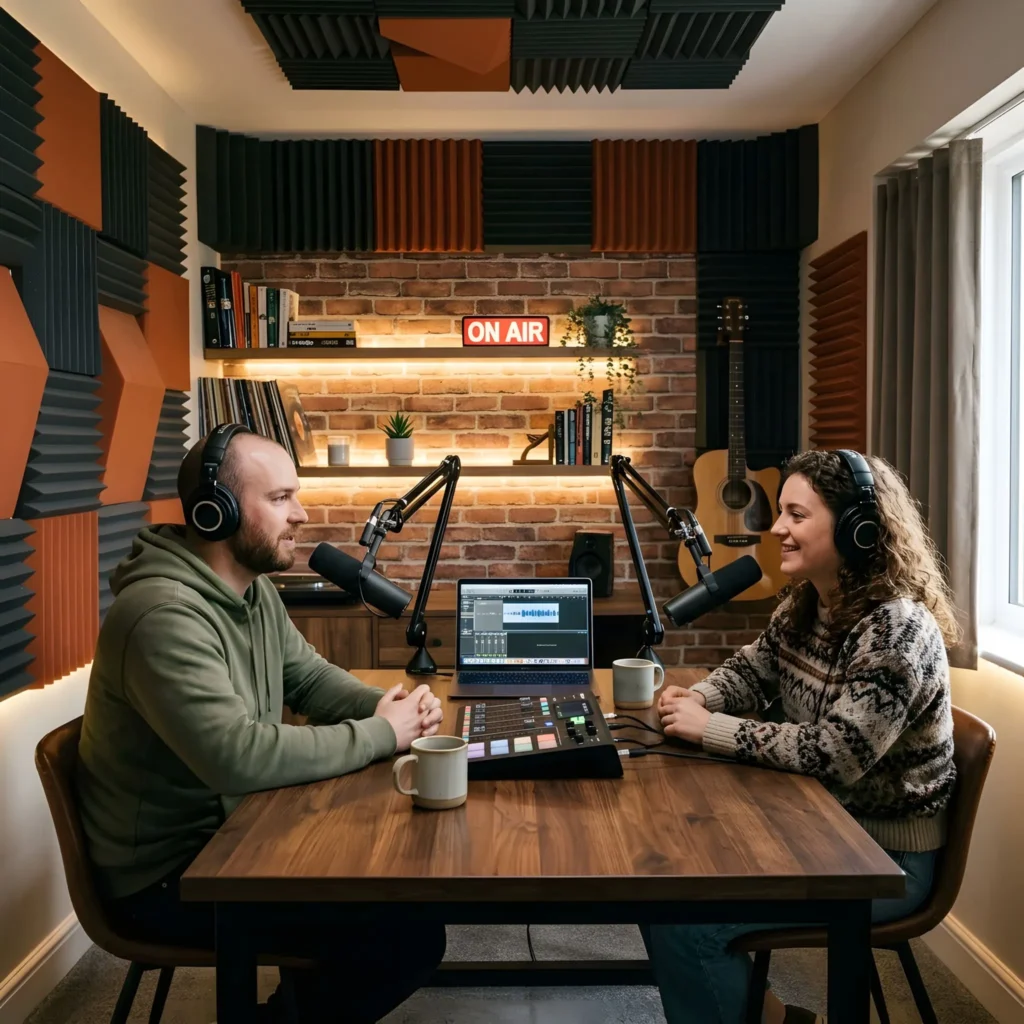
Temperature control and proper ventilation maintain a pleasant room climate throughout sessions.
Aesthetic choices, such as calm color palettes and minimalistic decor, promote concentration and reduce visual distractions. Including plants or natural materials can enhance the room’s ambiance, aligning with human-centered and climate-aware design principles.
Balancing comfort with functionality ensures that podcasters remain focused and productive during recording, fostering high-quality content creation.
| Feature | Room for Video Blog | Room for Podcast |
|---|---|---|
| Acoustic Treatment | Echo control with foam panels and curtains | Advanced soundproofing with double glazing and seals |
| Lighting | Adjustable softbox and ring lights | Minimal lighting, focus on sound environment |
| Furniture | Ergonomic desks and seating for filming | Comfortable chairs for long recordings |
Creating a Room for Business Meetings and Collaboration
Spatial Layout for Effective Communication
- Centralized table arrangement to encourage eye contact
- Accessible power outlets for devices
- Clear pathways for movement
- Flexible seating for various group sizes
- Integration of writable surfaces for brainstorming
Designing a room for business meetings requires careful spatial planning to facilitate open communication and collaboration.
Central tables or modular furniture promote interaction and inclusivity. Easy access to power outlets supports laptops and other electronics, essential for modern meetings.
Clear pathways prevent congestion and allow participants to move freely. Flexible seating arrangements accommodate different group sizes and meeting formats, enhancing adaptability. Writable surfaces such as whiteboards or glass walls encourage idea sharing and creativity.
Technology Integration for Seamless Connectivity
Modern business rooms must include robust technology to support presentations, video conferencing, and collaborative work. This involves high-speed internet, multiple screens or projectors, and quality audio systems. Video conferencing tools with noise-canceling microphones ensure clear remote communication.
Smart room controls for lighting, temperature, and AV equipment streamline the user experience, allowing focus on meeting objectives. Technology should be intuitive and reliable to avoid disruptions and foster productivity.
Investing in scalable and upgradable systems future-proofs the room, accommodating evolving business needs.
Designing for Comfort and Focus
A calm, intentional environment enhances concentration during business meetings. Selecting ergonomic chairs and adjustable tables supports comfort during long sessions. Incorporating natural light and views of greenery improves mood and reduces stress.
Using neutral colors and minimalistic decor creates a distraction-free setting. Climate control systems maintain optimal temperature and air quality, contributing to alertness and well-being. Acoustic treatments reduce ambient noise for better focus and communication.
These human-centered design choices ensure that the room supports both individual and group productivity.
Multi-Functional Rooms for Video, Podcast, and Business Use
Flexible Layouts to Accommodate Various Uses
Designing a multi-functional room requires a flexible layout that adapts to different activities, such as video blogging, podcasting, and business meetings. Modular furniture, like foldable tables and stackable chairs, supports quick reconfiguration. Movable partitions can create isolated zones for recording or private discussions.
Storage solutions for equipment keep the space organized and ready for diverse functions. Thoughtful spatial planning ensures smooth transitions without sacrificing comfort or technical performance, making the room highly versatile.
Flexibility enhances the room’s value, maximizing its usability for multiple purposes.
Technology Sharing and Integration
- Universal audio interfaces compatible with various devices
- Multi-purpose microphones adjustable for different recording modes
- Shared high-definition cameras with swivel mounts
- Integrated control panel for lighting and AV equipment
- Centralized wireless charging stations
Technology in multi-functional rooms must be compatible and easily configurable for different uses. Universal audio interfaces allow seamless switching between podcast and video blog setups. Multi-purpose microphones and cameras reduce the need for redundant equipment.
Centralized control panels simplify operation, while wireless charging stations keep devices powered during business meetings. This integration ensures efficient workflows and reduces clutter.
Acoustic and Lighting Solutions for Hybrid Use
Balancing acoustics and lighting in a room serving multiple functions is challenging but achievable. Use adjustable acoustic panels that can be repositioned or folded to suit recording or meeting needs.
Lighting systems with dimmable and color temperature options adapt to the mood and technical requirements.
Natural light should be controlled with blinds or curtains to avoid glare during recordings or presentations. Combining these elements creates a calm and intentional environment conducive to creativity and productivity.
Such adaptable solutions support a human-centered and climate-aware approach to room design.
| Aspect | Dedicated Rooms | Multi-Functional Room |
|---|---|---|
| Furniture | Specialized ergonomic pieces | Modular and movable furniture |
| Technology | Purpose-specific equipment | Universal and shared devices |
| Acoustics | Fixed acoustic treatments | Adjustable and flexible panels |
Climate-Aware Design Principles for Sustainable Rooms
Material Selection with Environmental Impact in Mind
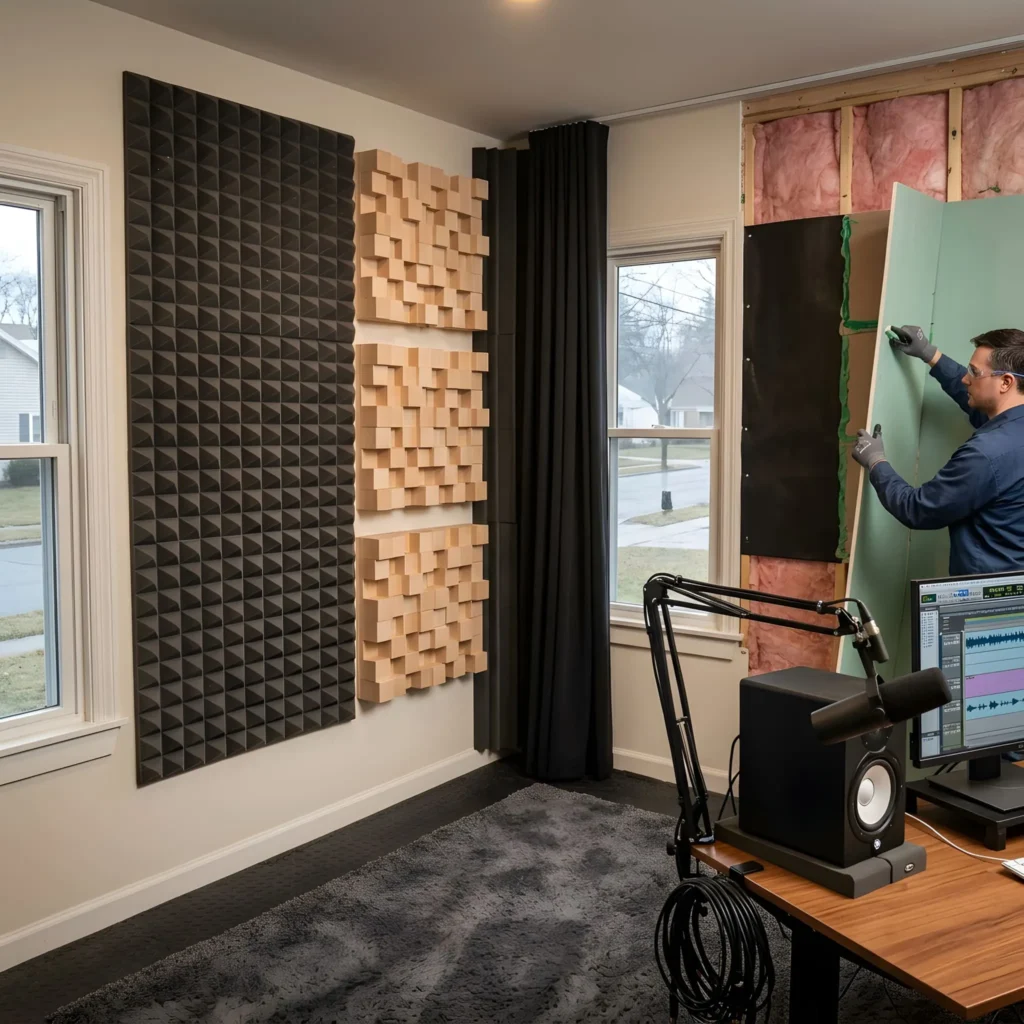
Choosing sustainable materials is crucial in climate-aware room design. Opt for low-VOC paints, recycled acoustic panels, and responsibly sourced wood or bamboo furniture.
These materials reduce environmental footprint while improving indoor air quality.
Durability and ease of maintenance also contribute to sustainability by extending the lifecycle of room components. Using natural fibers for textiles and coverings aligns with ecological goals and enhances the sensory experience within the room.
Such considerations foster a responsible and healthy environment for video blogging, podcasting, or business activities.
Energy Efficiency Through Design and Technology
Incorporate energy-saving fixtures like LED lighting and smart thermostats to reduce power consumption. Maximizing natural light use lowers the need for artificial lighting during the day. Proper insulation and ventilation minimize heating and cooling demands.
Integrating renewable energy sources, such as solar panels, further supports sustainability. Energy-efficient technology choices contribute to long-term cost savings and environmental stewardship, reflecting an intentional and slow design philosophy.
These strategies ensure that rooms remain functional without compromising ecological responsibility.
Indoor Environmental Quality for Human Health
Maintaining excellent indoor environmental quality enhances occupant comfort and productivity. Use air purifiers, humidity control, and non-toxic finishes to create a healthy atmosphere. Access to natural ventilation and daylight supports circadian rhythms and mental well-being.
Acoustic comfort, temperature regulation, and ergonomic design collectively improve the room’s livability. These human-centered features align with architectural principles that respect how people live and work.
Prioritizing indoor environmental quality ensures the room supports both performance and well-being.
Human-Centered Design: Prioritizing User Experience
Understanding User Needs and Behavior
A human-centered approach begins by analyzing how users interact with the room for video blog, podcast, or business.
Observing workflows and pain points informs design decisions that enhance ease of use and comfort. Tailoring layouts and technologies to user habits increases efficiency and satisfaction.
Involving users in the design process fosters a sense of ownership and ensures the space meets real-world demands. This approach creates rooms that feel intuitive and support natural behaviors, reducing cognitive load during creative or business tasks.
Such empathy-driven design leads to environments that truly embody calm and intention.
Ergonomics and Accessibility
- Adjustable furniture to accommodate diverse body types
- Clear signage and intuitive controls
- Barrier-free pathways and entrances
- Proper screen heights and viewing angles
- Accessible power and data ports
Ergonomics enhances comfort and prevents fatigue, essential in rooms used for extended periods. Accessibility ensures that spaces are inclusive for all users, including those with disabilities. Adjustable desks and chairs promote healthy posture, while clear signage aids navigation.
Designing for accessibility also improves overall user experience and compliance with regulations. These elements contribute to a human-centered, calm, and functional environment.
Calm Aesthetic and Intentional Atmosphere
Visual simplicity supports mental clarity and focus. Use muted color palettes, natural textures, and minimal ornamentation to create a serene environment.
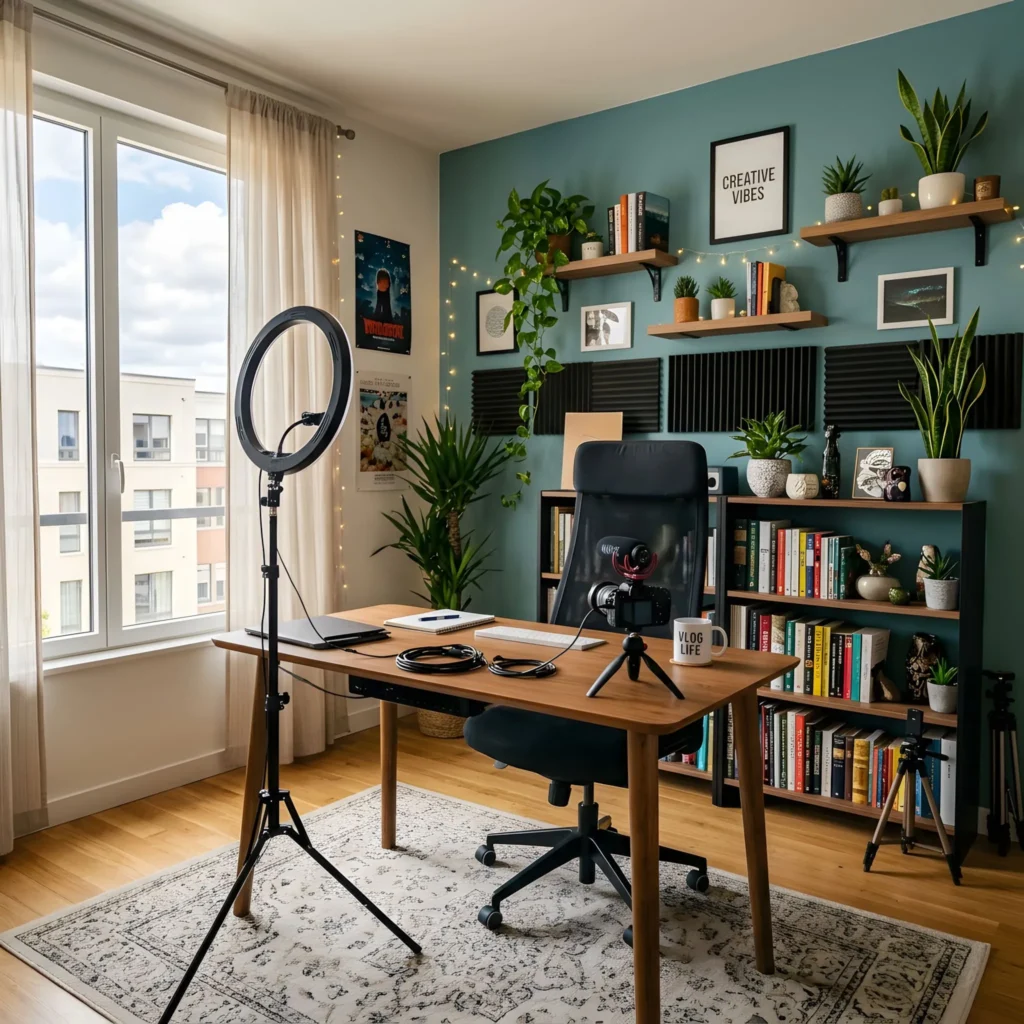
Thoughtful placement of artwork or plants adds warmth without visual clutter.
Lighting that mimics natural cycles and acoustic comfort further enhance tranquility. Designing with intention means every element serves a purpose, contributing to a slow, mindful experience that respects the user’s needs and the room’s function.
This calm aesthetic is vital in rooms for video blog, podcast, and business where creativity and concentration are paramount.
Case Studies: Successful Room Designs for Video, Podcast, and Business
Residential Video Blog Studio Transformation
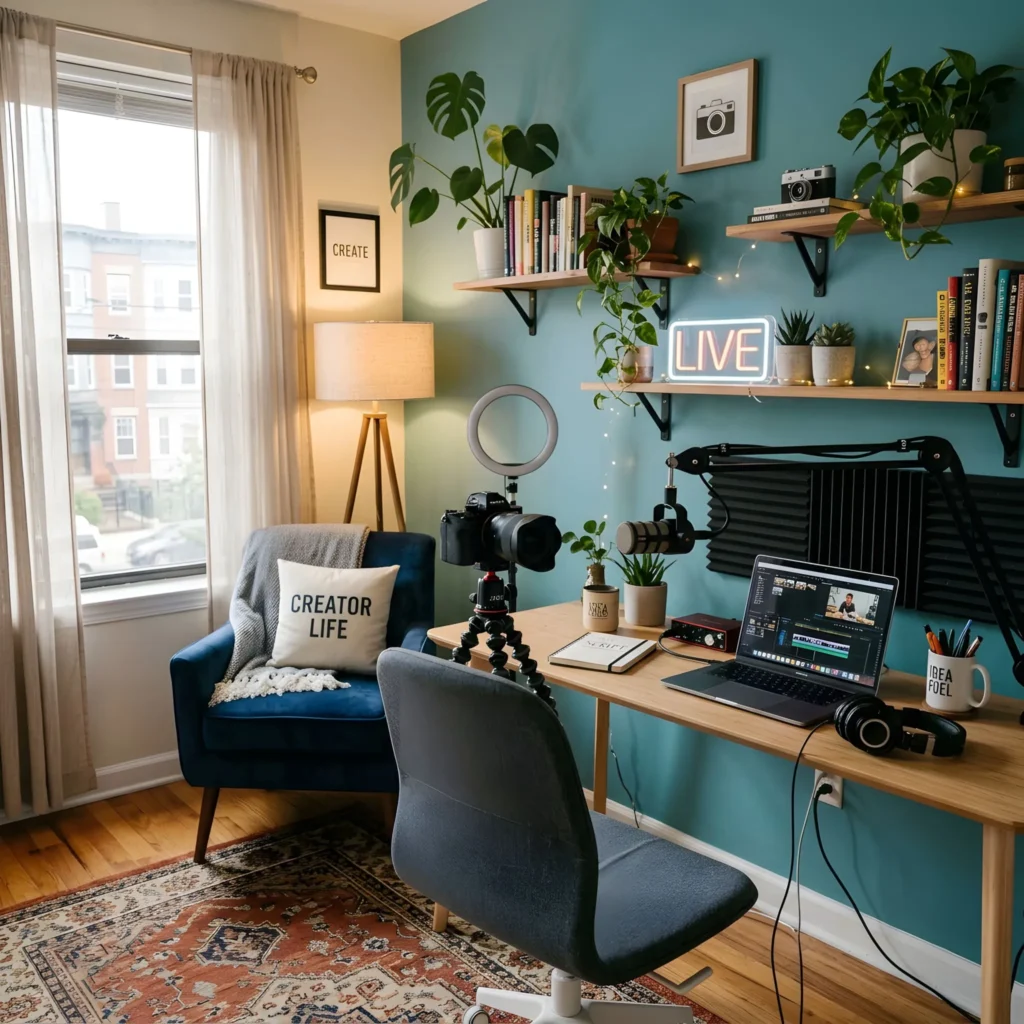
A homeowner converted a spare room into a professional video blog studio by focusing on soundproofing and lighting. Acoustic panels and blackout curtains eliminated external noise and uncontrolled light. Adjustable LED lights and a ring light improved video clarity.
Ergonomic furniture and cable management enhanced comfort and organization. The result was a calm, intentional space that supports daily video content creation with minimal distractions.
This project exemplifies how residential spaces can be adapted for high-performance video blogging.
Podcast Room in a Commercial Office
- Custom-built sound booth with double walls
- Integrated recording technology with remote access
- Comfortable seating and climate control
- Minimalist decor to reduce visual noise
- Flexible scheduling system for multiple users
The office podcast room prioritizes acoustic isolation and technical capabilities. Remote access allows off-site editing and production. The space’s calm aesthetic fosters creativity and reduces stress, making it a valuable asset for the company’s communications strategy.
This example highlights the benefits of purpose-built podcast rooms in professional environments.
Business Meeting Room Adaptation for Hybrid Work
A traditional conference room was reimagined to support hybrid work models. Technology upgrades included high-definition cameras, multiple screens, and interactive whiteboards. Modular furniture enabled quick reconfiguration for in-person or virtual meetings.
Climate-aware elements like energy-efficient HVAC and natural light control improved comfort. Acoustic treatments reduced noise from adjacent spaces. This transformation created a calm, productive environment that meets modern business needs.
The project demonstrates how existing spaces can evolve to support new work paradigms effectively.
Your space
Designing a room for video blog, podcast, or business requires a thoughtful balance of acoustics, lighting, technology, and comfort. Prioritizing human-centered, climate-aware, and intentional design principles results in spaces that enhance productivity and well-being. Whether dedicated or multi-functional, these rooms must support diverse activities with calm and efficiency.
By applying the strategies outlined in this article, architects and designers can create environments that truly reflect how people live and work today. Investing in such rooms not only improves content quality and meeting outcomes but also fosters a sustainable and enjoyable experience for all users.
Frequently Asked Questions (FAQ)
What is the Most Important Factor in Designing a Room for Video Blog?
The most important factor is acoustics, as clear sound is crucial for video blogs. Proper acoustic treatment, including sound-absorbing materials and minimizing external noise, ensures high-quality audio, which significantly enhances viewer engagement and professionalism.
How Can I Make a Podcast Room Soundproof on a Budget?
To soundproof inexpensively, use thick rugs, heavy curtains, and DIY acoustic panels made from dense foam or fabric-wrapped insulation. Sealing gaps in doors and windows with weatherstripping also helps reduce external noise without costly renovations.
What Technology is Essential in a Room for Business Meetings?
Essential technology includes high-speed internet, quality video conferencing cameras, microphones, and large display screens. Integration with smart controls for lighting and temperature enhances usability, making meetings more efficient and comfortable.
Can One Room Serve Effectively for Video Blogging, Podcasting, and Business Meetings?
Yes, with flexible furniture, adjustable acoustics, and versatile technology, a single multi-functional room can accommodate video blogs, podcasts, and business meetings. Planning for quick reconfiguration and shared equipment maximizes space and functionality.
How Does Climate-aware Design Benefit Rooms for Content Creation and Business?
Climate-aware design optimizes energy use, improves indoor air quality, and incorporates sustainable materials. This not only reduces environmental impact but also creates healthier, more comfortable spaces that enhance focus and creativity during content creation and meetings.
For further insights on acoustic solutions, visit the Acoustical Society of America. Explore sustainable building materials at the U.S. Green Building Council. For advanced audiovisual technology, consider resources from AVIXA.