
The tulip is more than just a flower; it embodies the essence of spring through its vibrant colors and structured form. Understanding the tulip in Amsterdam, tulip in Brazil, and tulip around the world reveals how all bulbs contributes architectural rhythm and seasonal structure to gardens globally. Its ability to punctuate green spaces with a calm yet intentional repetition makes it indispensable in climate-aware, residential landscaping.
Thank you for reading this post, don't forget to subscribe!In diverse climates, from Amsterdam’s temperate environment to Brazil’s tropical zones, tulips adapt and offer unique challenges and opportunities for gardeners and landscape architects alike. These bulbs provide not only aesthetic appeal but also a functional framework that guides the flow and use of outdoor spaces in an intentional, human-centered way.
This article explores how tulips integrate with residential gardens worldwide, emphasizing their architectural qualities and seasonal impact. We’ll delve into how tulips create rhythm and structure, adapt to different climates, and influence garden design across continents.
Tulip Cultivation in Amsterdam: Architectural Foundations of Spring
Historical Context and Urban Landscape Integration
Amsterdam’s identity is intertwined with the tulip, shaping both cultural history and urban design. Tulips have long been cultivated here, contributing to the city’s renowned springtime displays that marry tradition and modern landscape architecture. Their structured planting patterns provide a rhythmic visual experience that complements Amsterdam’s canals and historic streets.
The deliberate use of tulips in public gardens and residential courtyards offers a blueprint for integrating natural elements with urban living. This approach respects space constraints while enhancing seasonal interest through repetition and color gradation.
Designers in Amsterdam leverage tulip varieties to create modular planting schemes that support a calm, intentional atmosphere. These schemes emphasize slow seasonal transitions, inviting residents to engage with their environment thoughtfully.
Climate Adaptation and Seasonal Performance
Amsterdam’s temperate maritime climate offers ideal conditions for tulip bulbs, supporting their growth cycle from cold dormancy to vibrant bloom. This climate awareness allows for predictable garden rhythms, where tulips mark the shift from winter to spring with architectural clarity.
The tulip’s natural cold requirement (vernalization) ensures synchronized blooming, which architects use to choreograph garden experiences. This precise timing adds a layer of intentionality to garden design, enhancing human interaction with the landscape.
Gardeners and designers must consider microclimates within Amsterdam’s urban fabric, positioning tulips to maximize sun exposure while protecting them from wind and excessive moisture, preserving their structural integrity throughout the season.
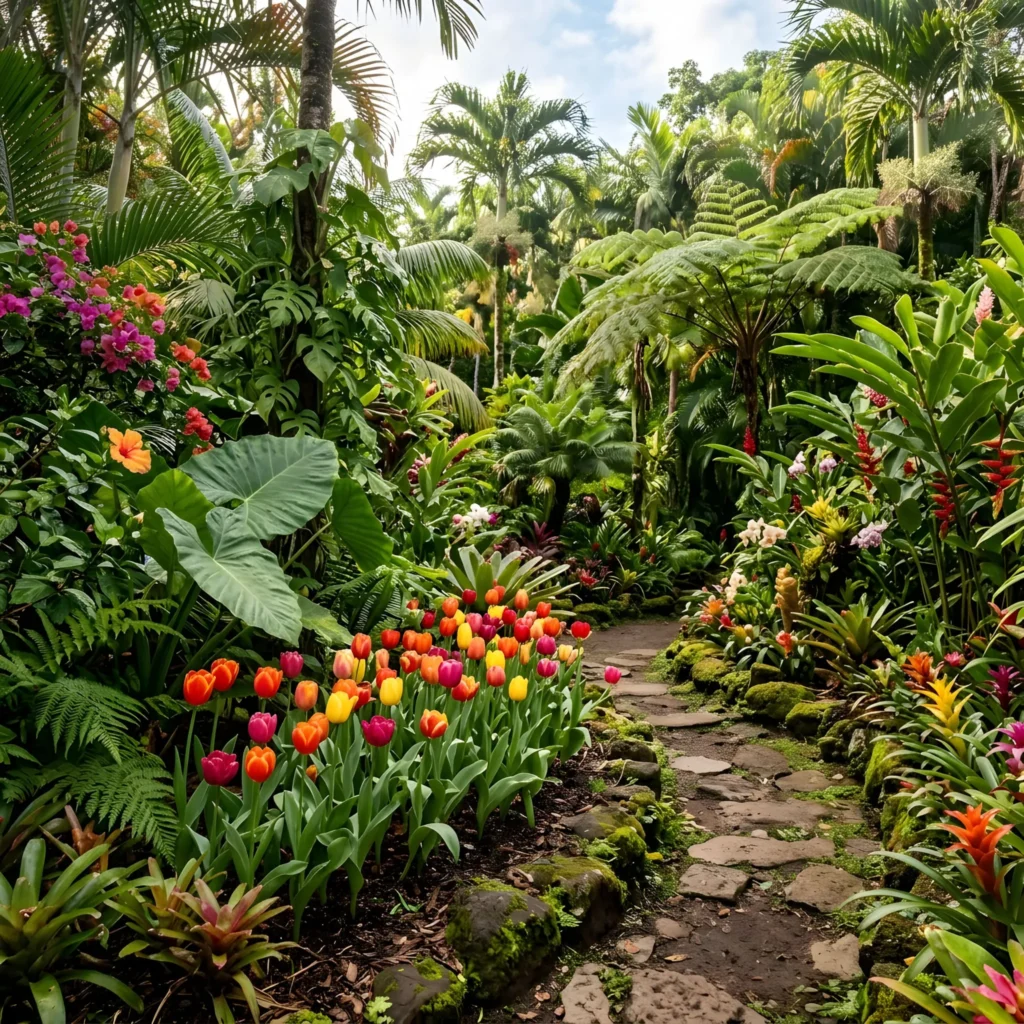
Planting Techniques for Maximum Visual Impact
- Grouping bulbs in clusters to emphasize rhythm and repetition
- Layering tulips with varied bloom times for extended seasonal interest
- Incorporating contrasting foliage textures to highlight tulip form
- Aligning tulip beds with architectural lines and paths for coherence
- Utilizing color gradation to create depth and movement
These planting techniques underscore the tulip’s role as an architectural element. By coordinating bulb placement, designers create a slow, unfolding narrative that supports a human-centered garden experience.
Tulip Cultivation in Brazil: Adapting Structure to Tropical Climates
Challenges of Growing Tulips in Brazil’s Diverse Zones
Brazil’s predominantly tropical climate poses distinct challenges for cultivating tulips, which traditionally require cold dormancy. Gardeners must adapt strategies to simulate these conditions, including refrigerated storage of bulbs and selecting microclimates that offer cooler temperatures.
Despite these hurdles, tulips bring a structured, seasonal dimension to Brazilian gardens that contrasts with typically lush, year-round foliage. Their inclusion introduces a rhythm that punctuates the natural exuberance with deliberate pauses and architectural clarity.
Understanding local climate variations—from the cooler southern states to warmer northern regions—is crucial to successful tulip cultivation and integration into garden design.
Techniques for Climate Simulation and Bulb Management
- Pre-chilling bulbs to mimic winter dormancy
- Using shading and irrigation to moderate temperature extremes
- Planting in elevated or shaded beds to reduce heat stress
- Scheduling plantings to align with cooler, drier seasons
- Incorporating mulch layers to regulate soil temperature
- Rotating planting sites to avoid disease buildup
- Employing raised beds or containers for better soil control
These methods enable tulips to adapt to a non-native environment, preserving their architectural function by ensuring consistent bloom cycles in Brazilian gardens.
Impact on Residential Garden Design and Spatial Experience
In Brazilian residential landscapes, tulips introduce an element of order and seasonal rhythm that contrasts with more spontaneous tropical plantings. Their presence adds a layer of intentionality to garden pathways, courtyards, and terraces.
Garden architects rely on tulips to create visual anchors and directional cues, guiding human movement and interaction with outdoor spaces. This slow, purposeful use of tulips enhances the sensorial experience while respecting climatic constraints.
Incorporating tulips promotes a dialogue between native biodiversity and imported horticultural traditions, enriching the garden’s narrative and spatial coherence.
Tulips Around the World: Global Perspectives on Structure and Rhythm
Regional Variations in Tulip Cultivation and Design
- Netherlands: Emphasis on large-scale display and cultural heritage
- United States: Diverse climate adaptation and hybrid variety use
- Japan: Integration with minimalist, contemplative gardens
- Australia: Use in temperate coastal zones with seasonal adjustments
- Middle East: Innovative cooling techniques for desert climates
- South Africa: Combining tulips with native bulb species for texture
- Canada: Cold climate optimization with late-blooming varieties
These regional approaches illustrate the tulip’s versatility as an architectural plant, capable of defining space and marking seasonal change worldwide.
Role of Tulips in Contemporary Landscape Architecture
Tulips contribute structure and rhythm by creating repeated visual motifs that can unify fragmented residential landscapes.
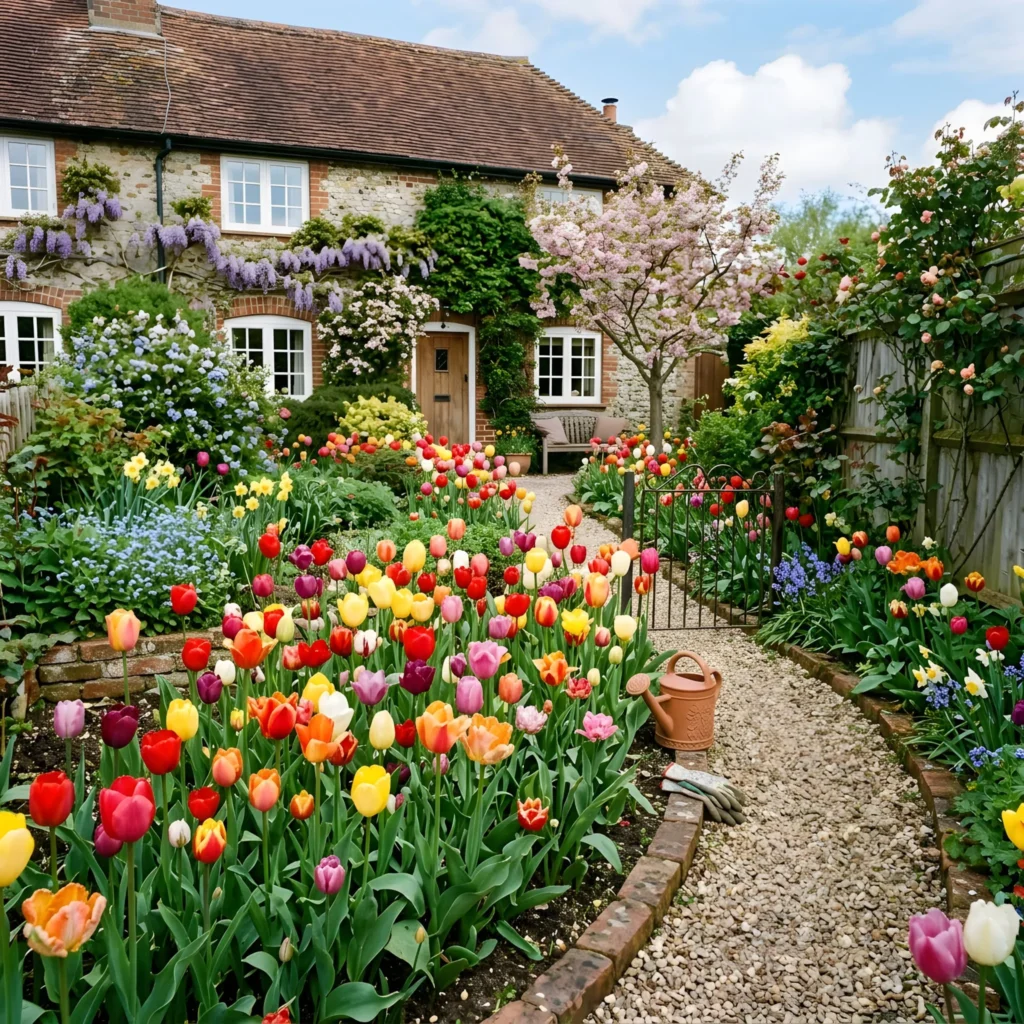
Contemporary landscape architects leverage their form and color to establish calm, intentional environments that facilitate social and private activities.
Their predictable blooming cycles offer temporal markers that align with human rhythms, supporting slow engagement with the garden. Tulips also provide a foil to more informal plantings, balancing softness with geometric precision.
By integrating tulips, designers craft gardens that respect climatic realities while enhancing architectural intent and human experience.
Comparative Table: Tulip Cultivation Factors Worldwide
| Region | Climate Adaptation | Design Application |
|---|---|---|
| Amsterdam | Temperate maritime, natural vernalization | Large-scale patterns, urban integration |
| Brazil | Tropical, requires artificial chilling | Residential focal points, contrast with tropical flora |
| Japan | Temperate, minimalistic garden themes | Contemplative gardens, subtle color accents |
Design Principles: Structuring Gardens with Tulip Bulbs
Creating Rhythm Through Repetition and Grouping
Repetition of tulip bulbs in strategic clusters creates a rhythmic flow that guides the eye and movement through a garden. This deliberate structuring fosters a sense of calm and order, essential in residential landscapes aiming for a contemplative atmosphere.
Grouping bulbs by color or bloom time enhances this rhythm, establishing pauses and accents within the seasonal progression. These principles support human-centered design by encouraging slow, intentional interaction with the space.
By understanding the tulip’s natural growth habits, designers can choreograph complex visual and spatial narratives that resonate on both architectural and emotional levels.
Balancing Tulips with Other Garden Elements
Tulips provide vertical punctuation but require complementary textures and forms to achieve spatial balance. Pairing them with evergreen shrubs, ornamental grasses, or groundcovers creates layered compositions that evolve slowly through the seasons.
This balance mitigates the tulip’s ephemeral nature, ensuring the garden retains structure beyond the bloom period. Thoughtful integration supports climate resilience and reinforces the garden’s human scale.
Designers must consider plant heights, leaf shapes, and color harmonies to maintain coherence and rhythm throughout the year.
Materiality and Soil Considerations for Tulip Health
- Well-draining soil to prevent bulb rot
- Use of organic matter to maintain moisture balance
- pH neutrality for optimal nutrient uptake
- Mulching to regulate temperature and suppress weeds
- Seasonal soil aeration for root health
These material considerations are essential for sustaining the tulip’s architectural role in gardens. Healthy bulbs ensure reliable bloom cycles, reinforcing the garden’s seasonal rhythm and structural integrity.
Climate Awareness: Sustainable Tulip Gardening Practices
Water Efficiency and Irrigation Strategies
Efficient water management is critical in tulip cultivation, especially in regions facing water scarcity or irregular rainfall. Drip irrigation and timed watering schedules minimize waste while supporting bulb health.
Designers incorporate rainwater harvesting and soil moisture sensors to optimize irrigation, aligning with sustainable landscaping principles. This approach preserves resources and maintains the tulip’s appearance and longevity.
Proper irrigation also prevents fungal diseases that can disrupt the tulip’s seasonal display and structural contribution.
Use of Native and Compatible Species
Integrating tulips with native or climate-compatible plants enhances biodiversity and ecosystem resilience. Companion planting reduces pests and supports pollinators, creating a balanced garden environment.
In tropical regions like Brazil, pairing tulips with seasonal bulbs and drought-tolerant species creates a sustainable planting palette that respects local climate and soil conditions.
This strategy enriches the garden’s sensory and ecological dynamics, extending the tulip’s architectural influence beyond its bloom period.
Comparative Table: Water and Climate Adaptations by Region
| Region | Irrigation Method | Climate Adaptation Strategy |
|---|---|---|
| Amsterdam | Moderate rainfall, natural irrigation | Cold dormancy, soil aeration |
| Brazil | Drip irrigation, controlled watering | Artificial chilling, shade management |
| Middle East | Water harvesting, minimal irrigation | Cooling soils, heat-resistant varieties |
Residential Integration: Human-Centered Tulip Garden Design
Spatial Planning for Flow and Interaction
In residential settings, tulips define paths, edges, and focal points, influencing how inhabitants move and engage with their gardens.
Their predictable bloom cycles encourage seasonal rituals and slow observation.
Designers focus on creating intimate spaces where tulips provide visual anchors that enhance privacy and comfort. This human-centered approach prioritizes the sensory experience and emotional connection with nature.
By using tulips as structural elements, gardens become extensions of living spaces, promoting wellbeing and mindfulness.
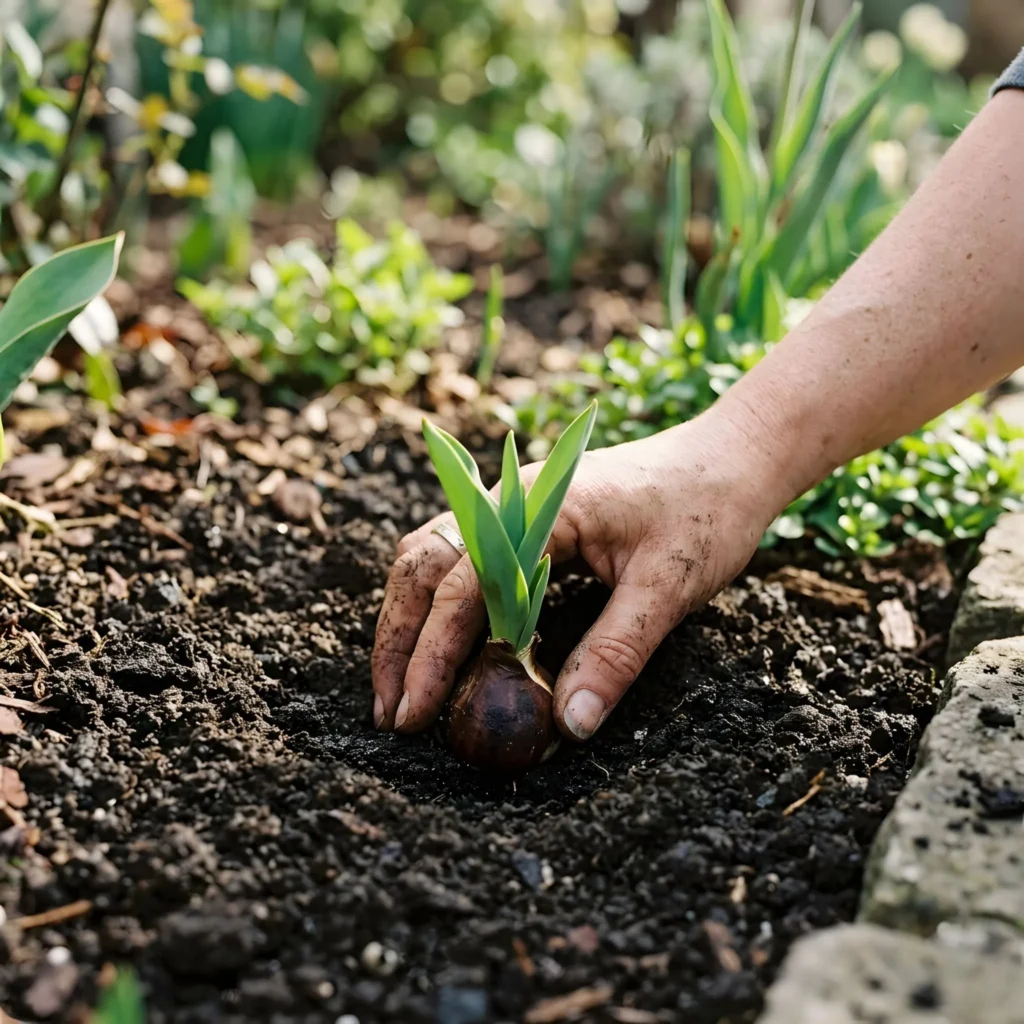
Seasonal Transitions and Sensory Experience
Tulips mark the passage of time through their blooms, offering tactile and visual stimuli that evolve gradually. Their colors and forms invite close inspection, enriching the residential experience with moments of calm and wonder.
Combining tulips with fragrant companions and textured foliage enhances this sensory layering, making gardens multisensory retreats.
This intentional design reflects a slow lifestyle ethos, encouraging residents to pause and appreciate natural rhythms.
Designers carefully plan bloom sequences to maintain interest while respecting the garden’s architectural framework.
Maintenance Practices Supporting Longevity
- Regular deadheading to prolong floral display
- Seasonal soil improvements to replenish nutrients
- Careful bulb lifting and storage in warmer climates
- Integrated pest management to minimize chemical use
Effective maintenance preserves the tulip’s structural and rhythmic role, ensuring gardens remain intentional and inviting year after year.
Design Innovations: Emerging Trends in Tulip Use
Hybrid Varieties and Extended Bloom Times
Advances in horticulture have produced tulip hybrids with varied bloom times and enhanced resilience.
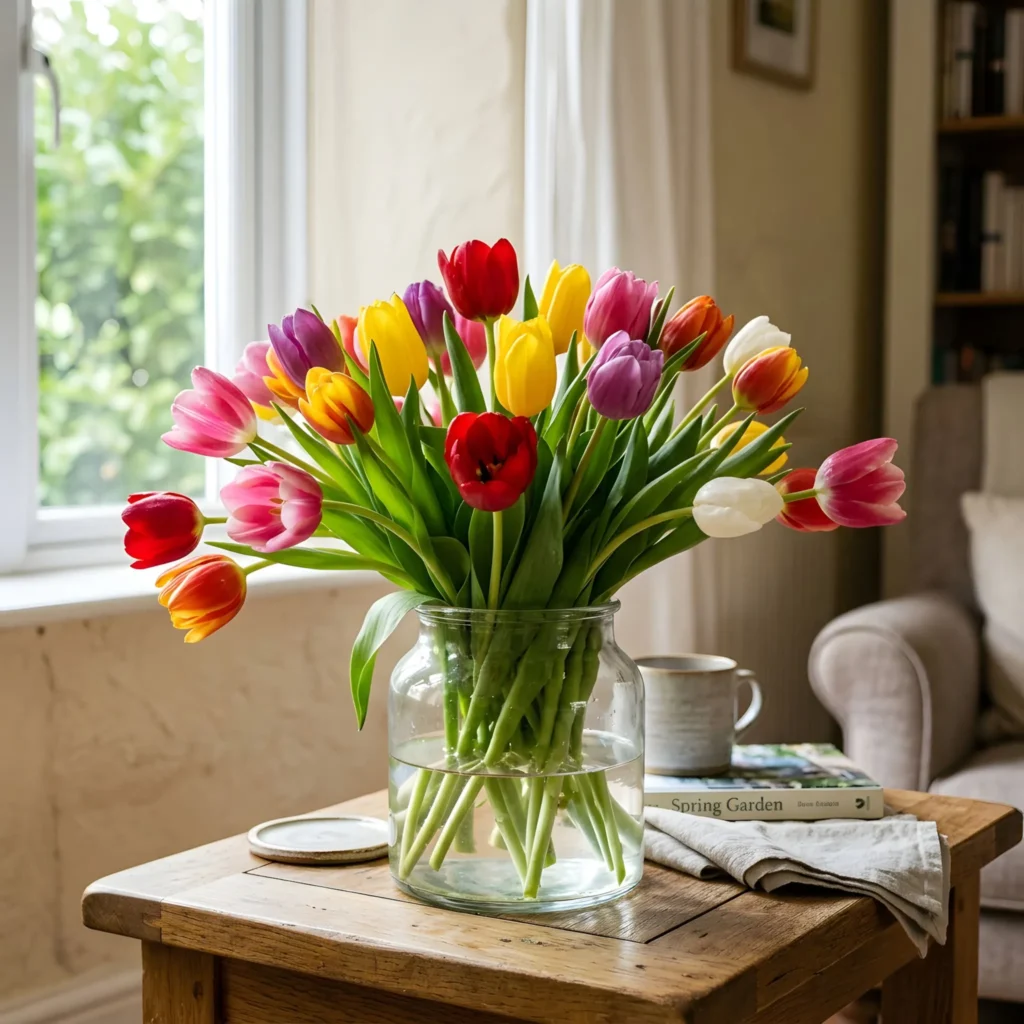
These varieties allow designers to extend the season and experiment with color palettes, expanding the architectural possibilities of tulip planting.
Extended bloom cycles support longer periods of engagement and flexibility in garden programming, aligning with human-centered design goals.
The development of climate-adapted hybrids opens new avenues for cultivation in non-traditional regions, broadening the tulip’s global footprint.
Integration with Smart Garden Technologies
Smart irrigation systems, soil sensors, and climate-responsive lighting are increasingly integrated with tulip plantings to optimize growth conditions and enhance visitor experience. These tools allow precise control over environmental variables, ensuring the tulip’s health and architectural presence.
Technology augments traditional gardening, supporting sustainability and intentional design by reducing waste and enhancing visual impact.
This fusion of old and new techniques reflects a forward-thinking approach to residential garden architecture.
Collaborations Between Architects and Horticulturists
- Co-designing planting schemes for maximum spatial harmony
- Researching climate-adapted cultivars for specific regions
- Developing maintenance protocols tailored to design intent
- Integrating tulips in multi-use residential landscapes
These collaborations emphasize a holistic approach that respects both the plant’s biology and the human experience, resulting in gardens that are both beautiful and purposeful.
Adapting tulips
The tulip in Amsterdam, tulip in Brazil, and tulip around the world demonstrate the flower’s unique capacity to add structure and rhythm to spring gardens. Whether adapting to temperate or tropical climates, tulips provide a calm, intentional architectural element that enhances residential landscapes with seasonal clarity and human-centered design.
By understanding their cultivation, spatial integration, and maintenance, garden architects and homeowners can create lasting environments that celebrate both nature and thoughtful design. Embracing the tulip’s global versatility invites us to reconnect with the slow, meaningful rhythms of the seasons.
Frequently Asked Questions ( FAQ)
What Makes Tulips Suitable for Architectural Garden Design?
Tulips offer clear structural form and predictable blooming cycles that create rhythm and repetition in gardens. Their diverse colors and shapes allow designers to establish calm, intentional spaces that guide human interaction and enhance seasonal transitions.
Can Tulips Thrive in Tropical Climates Like Brazil?
Yes, but tulips require artificial chilling to mimic cold dormancy. Gardeners use pre-chilling techniques, shading, and controlled irrigation to adapt tulips to warmer climates while maintaining their architectural role in gardens.
How Do Tulips Contribute to Sustainable Garden Practices?
Tulips, when combined with native plants and efficient irrigation methods, support biodiversity and resource conservation. Their seasonal growth cycle fits well into climate-aware landscaping that minimizes water use and chemical inputs.
What Are Common Maintenance Needs for Tulip Bulbs?
Maintenance includes deadheading spent flowers, soil nutrient replenishment, pest management, and, in warmer climates, lifting and storing bulbs to prevent decay and ensure healthy future blooms.
How Do Tulips Influence the Sensory Experience of a Garden?
Tulips provide evolving color, form, and texture that engage sight and touch. Their seasonal bloom marks time, encouraging slow observation and enhancing the emotional connection between people and their outdoor spaces.
For more detailed insights into tulip cultivation and garden design, consider authoritative sources such as the Royal Horticultural Society and the Canadian Tulip Festival.