Last updated on September 14th, 2026 at 06:40 pm
Choosing between solid timber wood and engineered wood is a crucial decision in residential architecture, especially when considering durability, aesthetics, and environmental impact. Timber wood, known for its natural beauty and robustness, and engineered wood, appreciated for its stability and cost-effectiveness, both offer distinct advantages that influence design and functionality.
Understanding the core differences between timber wood and engineered wood helps homeowners and architects select the right material for doors and other residential applications. Climate considerations, performance requirements, and human-centered design principles guide this choice, ensuring longevity and comfort.
This article explores key factors when comparing solid wood doors versus engineered wood options, emphasizing architectural insight and practical living conditions. It covers material properties, environmental impact, installation, maintenance, and cost implications to aid informed decisions.
Understanding Timber Wood and Engineered Wood Fundamentals
Defining Timber Wood and Its Characteristics
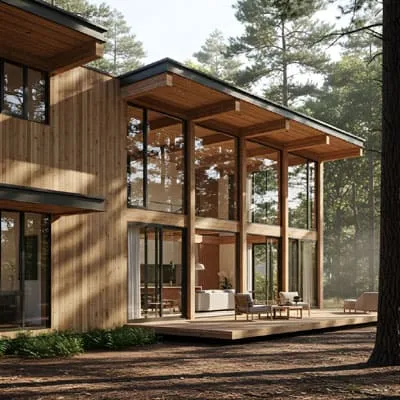
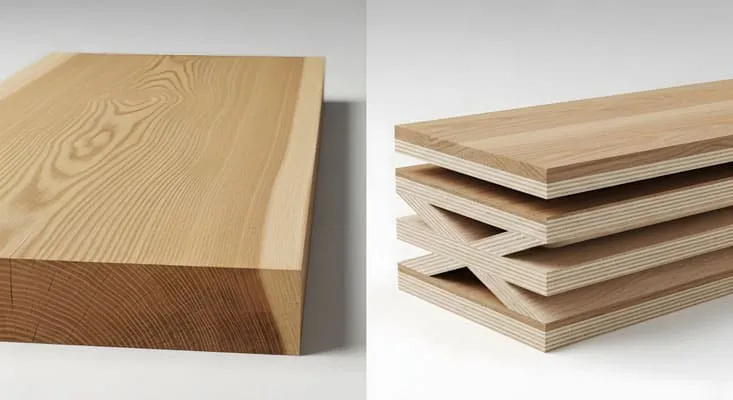
Timber wood, often referred to as solid wood, is harvested directly from trees and processed into boards or planks. It retains the natural grain, knots, and texture of the wood species, offering unmatched aesthetic appeal and a warm, authentic feel. This material is highly valued in architecture for its strength and traditional presence. However, timber wood is sensitive to environmental changes, such as humidity and temperature fluctuations, which can cause expansion or contraction over time.
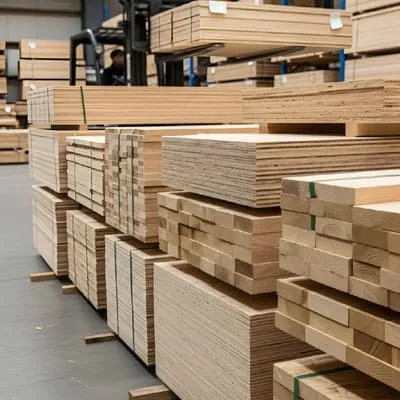
Architects appreciate timber wood’s natural insulation properties and how it ages gracefully, developing a unique patina. Selecting the right species—like oak, maple, or cherry—depends on climate, desired finish, and structural requirements. Timber wood doors often require careful sealing and maintenance to prevent warping or cracking.
Its renewable nature makes timber wood a sustainable choice when sourced responsibly, though it demands mindful harvesting practices. This solid wood option remains a preferred material for homeowners seeking a timeless and authentic aesthetic.
Engineered Wood Composition and Benefits
Engineered wood consists of multiple wood layers or fibers bonded together under heat and pressure, creating a composite material. This process enhances stability and reduces susceptibility to warping, swelling, or shrinking caused by moisture or temperature changes. Common types include plywood, laminated veneer lumber (LVL), and medium-density fiberboard (MDF), each tailored to specific structural or aesthetic needs.
The engineered wood’s layered construction provides consistent strength and allows for larger door sizes without compromising integrity.
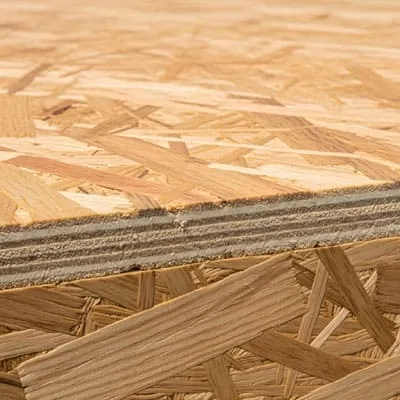
It also accommodates intricate designs and finishes that imitate natural wood grain at a lower cost. These properties make engineered wood a practical solution for residential doors in various climates.
Environmentally, engineered wood maximizes resource efficiency by utilizing smaller wood pieces and wood byproducts, reducing waste. This manufacturing method aligns well with modern sustainability goals, especially when combined with formaldehyde-free adhesives and eco-friendly treatments.
Comparing Timber Wood and Engineered Wood Performance
- Durability: Timber wood provides natural toughness but demands more maintenance; engineered wood offers greater dimensional stability.
- Moisture Resistance: Engineered wood resists humidity better, making it ideal for varied climates.
- Cost Efficiency: Engineered wood tends to be more budget-friendly while still achieving a wood-like appearance.
- Environmental Impact: Timber wood is renewable if responsibly sourced; engineered wood optimizes material usage and reduces waste.
- Aesthetic Appeal: Timber wood presents authentic grain patterns; engineered wood can be customized with veneers or laminates.
Durability Factors in Timber Wood and Engineered Wood Doors
Structural Integrity and Longevity
Timber wood doors exhibit excellent structural integrity derived from the natural fibers and density of the wood species. Properly maintained solid wood doors can last decades, resisting physical impacts and supporting heavy hardware. However, their longevity depends heavily on environmental conditions and finish treatments.
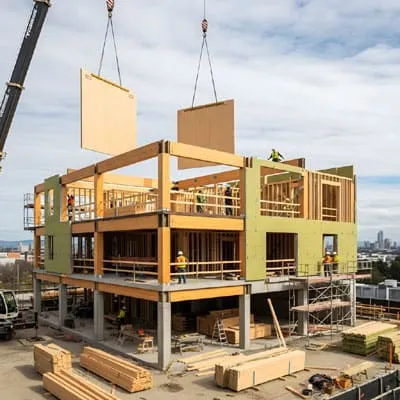
Engineered wood doors excel in dimensional stability, maintaining shape and strength over time despite external stresses. Layered construction distributes load evenly, reducing the risk of cracks or warping. This makes engineered wood especially suitable for climates with significant temperature and humidity swings.
Ultimately, the choice hinges on balancing natural strength with engineered resilience, considering the specific residential setting and expected door usage.
Resistance to Environmental Stressors
- Humidity and moisture impact solid timber wood more severely, often causing swelling or shrinking.
- Engineered wood’s controlled manufacturing process enhances moisture resistance and reduces susceptibility to rot.
- UV exposure can fade timber wood finishes, requiring periodic refinishing; engineered wood veneers may offer better UV stability.
- Both materials benefit from proper sealing and installation to mitigate environmental damage.
Choosing doors with appropriate finishes and treatments tailored to local climate conditions ensures prolonged performance and aesthetic preservation.
Wear and Maintenance Considerations
Solid wood doors demand regular maintenance, including refinishing and sealing to protect against moisture ingress and surface wear. Scratches and dents can often be repaired, preserving the door’s natural character. Engineered wood doors require less frequent maintenance due to their stable construction but may be less forgiving to surface damage, as veneers can chip or peel.
Understanding the maintenance needs upfront helps homeowners plan for long-term care and avoid premature replacement. Both materials benefit from thoughtful use and environmental protection strategies, such as sheltered door placement and quality hardware installation.
| Property | Timber Wood | Engineered Wood |
|---|---|---|
| Dimensional Stability | Moderate, sensitive to climate | High, resists warping |
| Maintenance | Regular sealing and refinishing | Low to moderate upkeep |
| Cost | Higher initial investment | More budget-friendly |
Environmental and Sustainability Aspects
Renewability and Resource Efficiency
Timber wood is a renewable resource when harvested with sustainable forestry practices. Selecting certified wood from managed forests supports biodiversity and carbon sequestration. However, solid wood production requires significant raw material inputs and energy, with longer growth cycles for mature trees.
Engineered wood optimizes resource efficiency by utilizing smaller wood pieces, sawmill residues, and fast-growing species. This composite approach reduces waste and promotes circular material use. Additionally, engineered wood can incorporate recycled content, aligning with green building certifications.
Both materials contribute to sustainable design when sourced and manufactured responsibly, advancing eco-conscious residential architecture.
Carbon Footprint and Energy Use
The carbon footprint of timber wood is influenced by transportation, processing, and installation. Solid wood stores carbon over its lifecycle but may require more energy-intensive finishing and maintenance. Engineered wood’s production includes adhesives and pressing processes that consume energy but offset waste by maximizing wood utilization.
Choosing local suppliers and low-emission finishes further reduces environmental impact. Life cycle assessments often favor engineered wood for its efficient use of raw materials and lower overall waste.
Designers must weigh embodied energy against durability and maintenance when selecting materials for sustainable projects.
Health and Indoor Air Quality
- Timber wood naturally emits fewer volatile organic compounds (VOCs) if untreated or finished with low-VOC products.
- Engineered wood may contain adhesives or resins emitting formaldehyde or other VOCs; selecting certified low-emission products mitigates this risk.
- Both materials contribute to healthy indoor environments when paired with proper ventilation and finishes.
- Architectural choices should prioritize materials that support occupant well-being and comply with indoor air quality standards.
Design Flexibility and Aesthetic Qualities
Visual Appeal of Solid Timber Wood
Natural timber wood doors showcase unique grain patterns, color variations, and textures that evolve with age. This organic beauty complements diverse architectural styles, from rustic to modern minimalist.
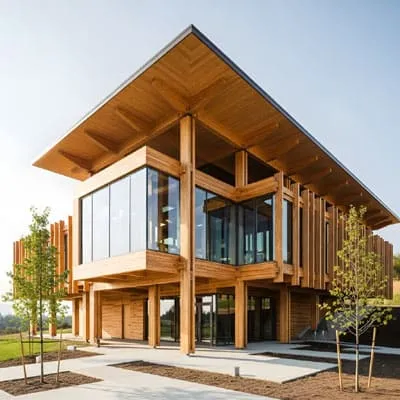
The tactile warmth and depth of solid wood create inviting entryways and interior partitions that resonate with human-centered design.
Architects often leverage timber wood’s customization potential, including carving, inlays, and finishes, to enhance visual interest. The inherent irregularities in timber wood contribute to authentic character rather than detracting from quality.
This material supports slow, intentional design philosophies by emphasizing material honesty and connection to nature.
Versatility of Engineered Wood Finishes
- Engineered wood doors can be veneered with exotic or common wood species, offering diverse textures and hues.
- Surfaces are suitable for paint, stains, or laminates that simulate natural wood or provide bold color options.
- The uniform substrate allows precise machining for intricate panel designs, moldings, and modern minimalist profiles.
- Engineered wood supports large-format doors with stable surfaces, ideal for contemporary architectural expressions.
- Customization extends to hardware compatibility and integrated technologies, such as concealed hinges or smart locks.
This flexibility enables architects to tailor door aesthetics without compromising performance or budget.
Integration with Architectural Styles
Both timber wood and engineered wood doors integrate seamlessly into various residential styles, from traditional craftsman homes to sleek international modernism. Timber wood aligns with designs emphasizing natural materials and craftsmanship, while engineered wood supports minimalism and industrial aesthetics.
Choosing the right door material complements other architectural elements like flooring, cabinetry, and trim, reinforcing a cohesive visual narrative. Climate-responsive design also influences material selection to ensure comfort and durability.
Architects prioritize human experience, ensuring door choices enhance spatial flow, light, and tactile interaction with the built environment.
| Design Aspect | Timber Wood | Engineered Wood |
|---|---|---|
| Grain and Texture | Unique, natural variations | Consistent, customizable veneers |
| Finish Options | Natural oils, stains, paints | Paints, laminates, stains |
| Design Complexity | Handcrafted details possible | Precision machining for patterns |
Installation and Performance in Residential Settings
Ease of Installation and Handling
Solid timber wood doors are heavier and require careful handling during installation to avoid warping or damage. They may need robust framing and hardware to support their weight and maintain alignment. Skilled labor is essential to ensure proper fitting and sealing, especially in custom or oversized doors.
Engineered wood doors are generally lighter and more uniform, simplifying installation and reducing labor time. Their dimensional stability allows for tighter tolerances and less adjustment during fitting. This efficiency benefits residential projects seeking faster turnaround and consistent quality.
Both door types require precision framing and weatherproofing to optimize performance and longevity.
Thermal and Acoustic Performance
- Timber wood doors provide natural insulation due to wood’s cellular structure, improving thermal comfort indoors.
- Engineered wood’s composite layers enhance sound dampening, beneficial in noisy urban environments.
- Sealing and door thickness significantly influence energy efficiency and noise control in both materials.
- Proper installation minimizes thermal bridging and air infiltration, maximizing performance.
Architectural design must consider door placement and material properties to optimize indoor environmental quality.
Compatibility with Hardware and Accessories
Solid wood doors accept a wide range of hardware, including traditional locks, handles, and decorative elements. Their thickness and density accommodate custom fittings and reinforcements. However, drilling must be done carefully to avoid splitting or weakening the wood.
Engineered wood doors offer stable substrates compatible with modern hardware, including concealed hinges and smart locking systems. Their dimensional uniformity supports consistent hardware alignment and integration of electronic components.
Choosing the door type should factor hardware requirements aligned with security, accessibility, and design goals.
Cost Implications and Value over Time
Initial Investment and Material Costs
Timber wood doors typically require a higher upfront investment due to the cost of quality solid wood and specialized craftsmanship. Species choice and finish complexity also influence pricing. This investment reflects the durability and luxury associated with solid wood.
Engineered wood doors offer a cost-effective alternative, providing wood-like aesthetics and performance at lower prices. Manufacturing efficiencies and material optimization contribute to budget-friendly options suitable for a wide range of residential projects.
Homeowners should consider budget constraints alongside long-term benefits when selecting door materials.
Maintenance and Lifecycle Costs
- Solid timber wood doors incur ongoing maintenance costs for refinishing, sealing, and repairs.
- Engineered wood doors require less frequent upkeep, reducing lifecycle expenses.
- Durability differences may affect replacement cycles and total cost of ownership.
- Proper installation and protective measures extend door lifespan regardless of material.
Evaluating total cost of ownership helps homeowners make financially sound decisions aligned with their lifestyle and maintenance capacity.
Resale Value and Market Perception
Solid timber wood doors often enhance property value by signaling quality craftsmanship and premium materials. They appeal to buyers seeking authentic, durable features in residential design. Engineered wood doors, while perceived as less prestigious, provide practical benefits that attract cost-conscious buyers and contemporary design enthusiasts.
The choice impacts market positioning, with timber wood doors contributing to a timeless appeal and engineered wood emphasizing innovation and efficiency.
Real estate trends and local preferences should inform material decisions to maximize investment returns.
| Cost Factor | Timber Wood | Engineered Wood |
|---|---|---|
| Initial Price | High | Moderate |
| Maintenance Cost | Moderate to High | Low to Moderate |
| Resale Impact | Positive, premium appeal | Neutral to Positive, practical |
Practical Tips for Choosing Between Timber Wood and Engineered Wood
Assessing Climate and Location Factors
The local climate plays a pivotal role in determining the suitability of timber wood or engineered wood doors. Regions with high humidity, frequent rainfall, or extreme temperature variations benefit from engineered wood’s enhanced stability and moisture resistance. Conversely, dry and stable climates favor the timeless appeal of solid timber wood.
Architects must evaluate environmental stressors and align door material choices with long-term resilience. Additionally, exposure to direct sunlight or coastal salt air influences finish selection and maintenance schedules.
Understanding site-specific conditions ensures door performance aligns with occupant comfort and durability expectations.
Balancing Aesthetic Desires with Functional Needs
- Identify the desired visual style and how it integrates with overall architectural language.
- Consider the functional demands of the door, including frequency of use, security, and insulation.
- Evaluate maintenance willingness and budget constraints to select a sustainable solution.
- Prioritize human-centered design by choosing materials that enhance daily living experiences.
Thoughtful balancing of aesthetics and function leads to doors that complement both form and practicality.
Consulting with Professionals and Suppliers
Engaging architects, builders, and material specialists is essential for making informed decisions about timber wood and engineered wood doors.
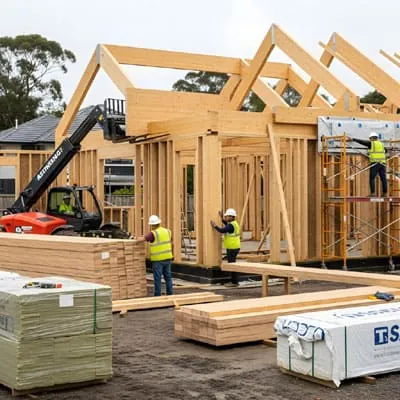
Professionals provide insights into product specifications, installation best practices, and compliance with local building codes. Suppliers offer samples and technical data to assess performance and appearance.
Collaborative decision-making incorporates project goals, climate considerations, and budget to optimize outcomes. Early consultation reduces risks associated with material mismatches or unexpected maintenance challenges.
Expert guidance supports intentional and slow design processes that prioritize quality and longevity.
Architectural Decision
Choosing between timber wood and engineered wood doors involves careful consideration of durability, environmental impact, aesthetics, and cost. Timber wood offers natural beauty and strength but requires ongoing maintenance and climate sensitivity. Engineered wood provides enhanced stability, design versatility, and cost efficiency, making it a pragmatic choice for many residential settings.
By understanding these materials’ distinct characteristics and aligning them with architectural goals and living conditions, homeowners and designers can make intentional decisions that support sustainable, long-lasting, and human-centered homes. Reflect on your specific needs and environment to select the door that best complements your residence.
Frequently Asked Questions (FAQ)
What Are the Main Differences Between Timber Wood and Engineered Wood Doors?
Timber wood doors are made from solid, natural wood, known for their authentic grain and warmth but require more maintenance. Engineered wood doors are composite materials designed for greater stability, moisture resistance, and cost-effectiveness, making them suitable for variable climates.
Which Door Type is Better for Humid Climates?
Engineered wood doors generally perform better in humid climates due to their layered construction that resists swelling and warping. Solid timber wood doors may require additional treatments and maintenance to withstand moisture exposure effectively.
Are Engineered Wood Doors Environmentally Friendly?
Yes, engineered wood doors can be environmentally friendly as they optimize wood usage by incorporating smaller wood pieces and by products, reducing waste. Selecting products with low-emission adhesives enhances sustainability.
How Do Maintenance Requirements Differ Between the Two Door Types?
Solid timber wood doors need regular sealing, refinishing, and repair to maintain their appearance and durability. Engineered wood doors require less frequent maintenance due to their stable construction but still benefit from proper cleaning and occasional refinishing of veneers.
Can Engineered Wood Doors Mimic the Look of Solid Timber Wood?
Engineered wood doors can closely mimic the appearance of solid timber wood through high-quality veneers and finishes, offering a wide range of textures and colors. This makes them a versatile option for achieving the desired aesthetic at a more affordable price.
For more in-depth architectural guidance on sustainable wood choices, visit the ArchDaily website. Detailed standards and certifications on wood sustainability can be found at the Forest Stewardship Council. For environmental impacts and life cycle analysis, the EPA’s resources provide authoritative data.

Architect with extensive experience in residential and commercial design, including renovations and modular construction. Love to share information about Architecture, home and lifestyle in this blog.