Last updated on September 2nd, 2026 at 10:44 am
Creating a home environment with comfort revolves around thoughtful choices in cushions, mattresses, textiles, and colors. These elements are fundamental in shaping both the aesthetic and functional qualities of your living space. Understanding how to select and combine them effectively can transform any residence into a calm, intentional, and human-centered sanctuary.
In today’s climate-aware architectural design, it’s essential to consider not only beauty but also sustainability and comfort. Cushions and mattresses contribute significantly to the physical wellbeing of inhabitants, while textiles and colors influence mood and atmosphere. Balancing these factors with a slow, deliberate design approach ensures spaces that are both livable and enduring.
This article explores practical, architecture informed strategies for integrating cushions, mattresses, textiles, and colors into your home. You’ll gain insights into material selection, color harmonies, and ergonomic considerations to elevate your residential interiors with intention and calm.
Exploring Cushions: Comfort Meets Architectural Intention
Material Choices for Cushions in Residential Spaces
Choosing the right materials for cushions is crucial to achieving comfort and durability. Natural fibers like cotton, linen, and wool offer breathability and softness, enhancing user experience. Synthetic blends can provide resilience and easier maintenance, but they often sacrifice some tactile warmth. Architects recommend selecting textiles that balance performance with a tactile quality that feels intentional and calm within the overall space.
Consider humidity and temperature variations in your location when picking cushion materials. For climate-aware projects, organic cotton or hemp cushions reduce environmental impact and improve indoor air quality.
Ultimately, the cushion’s fabric should complement the room’s architectural language, contributing to a serene and slow-living atmosphere.
Design and Ergonomics of Cushions
Cushions must support human ergonomics without overwhelming the architectural simplicity of a space. Proper thickness and density ensure that cushions relieve pressure points while maintaining shape over time. Memory foam and latex are popular for their adaptive qualities, but traditional down-filled cushions still offer unmatched softness.
Intentional layering of cushions can create visual depth and tactile variety, while maintaining a calm, uncluttered look. Architects often recommend restraining excess ornamentation in favor of subtle texture and color variation.
Ergonomic cushions enhance both comfort and posture, supporting how people genuinely live in their homes.
Maintenance and Longevity of Cushions
Durability is an essential consideration for cushions, especially in residential settings subject to daily use. Removable, washable covers made from high-quality fabrics extend the life of cushions and simplify upkeep. Selecting fade-resistant and stain-repellent textiles also contributes to long-term performance.
Climate-aware choices include materials that withstand humidity and resist mold, preserving both health and aesthetics. Routine fluffing and rotating cushions maintain their shape and comfort.
Integrating maintenance into your design strategy ensures cushions remain both functional and beautiful over years.
Mattresses: Foundations of Comfort and Health
Types of Mattresses Suitable for Residential Use
- Memory foam mattresses for pressure relief and adaptability
- Latex mattresses for natural resilience and breathability
- Innerspring mattresses offering robust support and airflow
- Hybrid mattresses combining foam and spring advantages
- Organic mattresses using sustainable, chemical-free materials
The selection depends on sleep preferences, climate considerations, and health requirements.
Architectural designs prioritize mattresses that promote ergonomic support and integrate seamlessly with bedroom aesthetics.
Impact of Mattress Materials on Indoor Climate
Mattress materials influence indoor air quality and thermal comfort. Natural latex and organic cotton mattresses offer excellent breathability, helping regulate temperature and moisture. Synthetic foams can trap heat, which may be uncomfortable in warmer climates.
Climate-aware architects recommend choosing mattresses with certifications such as OEKO-TEX or GOTS to ensure minimal off-gassing and environmental impact.
Proper mattress choice enhances the overall indoor environment’s health and comfort.
Comparing Mattress Firmness and Support
| Firmness Level | Best For | Support Characteristics |
|---|---|---|
| Soft | Side sleepers, lighter individuals | Pressure relief, contouring |
| Medium | Combination sleepers, average weight | Balanced support and cushioning |
| Firm | Back sleepers, heavier individuals | Spinal alignment, robust support |
Choosing the right firmness improves sleep quality and aligns with ergonomic and architectural goals.
Textiles: Crafting Texture and Atmosphere
Natural Vs Synthetic Textile Fibers
- Cotton: breathable, soft, and widely available
- Linen: highly durable with a relaxed texture
- Wool: excellent insulation and moisture regulation
- Polyester: durable and stain-resistant but less breathable
- Acrylic: lightweight and warm with good color retention
- Nylon: strong, abrasion-resistant, often blended
Natural fibers align with sustainable architecture, offering timeless texture and comfort. Synthetic fibers add performance benefits but may lack environmental considerations. Understanding each fiber’s properties helps create balanced interiors that feel calm and intentional.
Textile Weaves and Their Architectural Expression
The weave of a textile impacts both its tactile qualities and visual presence. Plain weaves offer simplicity and durability, twills introduce diagonal texture, and jacquard weaves provide intricate patterns. Architects use these variations to complement spatial rhythms and material palettes.
Textile texture can either contrast or harmonize with architectural surfaces, reinforcing a human-centered design ethos. For example, a rough wool throw may soften a sleek concrete wall, creating a layered sensory experience.
Choosing the right weave supports slow living by encouraging tactile engagement and visual calm.
Textiles and Sustainability in Residential Design

Sustainable textiles are increasingly pivotal in environmentally responsible homes. Organic cultivation, low-impact dyes, and biodegradable fibers reduce ecological footprints. Certifications like GOTS and Fair Trade ensure ethical production.
Architects integrate sustainable textiles to align interiors with climate-aware design. The durability of these materials also contributes to the slow architecture movement, favoring longevity over fast trends.
Selecting sustainable textiles fosters healthier living environments and reflects intentional design values.
Colors: Setting Mood and Enhancing Architecture
Psychology of Colors in Home Environments
Colors evoke emotional responses that affect wellbeing and perception. Cool tones like blues and greens promote calm and relaxation, ideal for bedrooms and living rooms.
Warm hues such as reds and oranges stimulate energy but must be used sparingly to avoid overstimulation.
Architects use color intentionally to delineate spaces, guide movement, and influence mood, always considering natural light and surrounding materials. Thoughtful color choices enhance the human-centered nature of residential spaces.
Understanding color psychology enables designers to create environments that support comfort and intention.
Integrating Color Palettes with Cushions and Textiles
- Use muted tones to maintain architectural calm and sophistication
- Introduce accent colors via cushions and throws for visual interest
- Combine textures with complementary colors for depth
- Balance warm and cool tones to suit room function
- Consider the impact of natural light on color perception
- Reuse color themes to unify open-plan spaces
Cushions and textiles become focal points or subtle harmonizers depending on palette choices. Architects guide the layering of color to avoid distractions and enhance a slow, intentional ambiance.
Color Durability and Maintenance in Interior Textiles
| Color Type | Durability | Maintenance Tips |
|---|---|---|
| Natural dyes | Moderate, may fade over time | Gentle washing, avoid direct sunlight |
| Reactive dyes | High colorfastness | Machine washable, avoid harsh chemicals |
| Disperse dyes | Good for synthetics | Cold wash cycles recommended |
Color longevity affects the perceived quality of cushions and mattresses. Architects recommend selecting textiles with high durability to sustain the intended calm and style.
Combining Cushions and Mattresses with Textiles
Layering Techniques for Comfort and Style
- Start with a quality mattress foundation
- Add base textiles like fitted sheets and mattress protectors
- Introduce cushions and throws for texture and color
- Use complementary fabrics to enhance tactile richness
Thoughtful layering balances visual appeal with ergonomic comfort. Architects emphasize restraint, avoiding clutter while enriching sensory experience.
This approach creates a slow, intentional environment where every element serves a purpose.
Choosing Sustainable Mattress and Cushion Covers
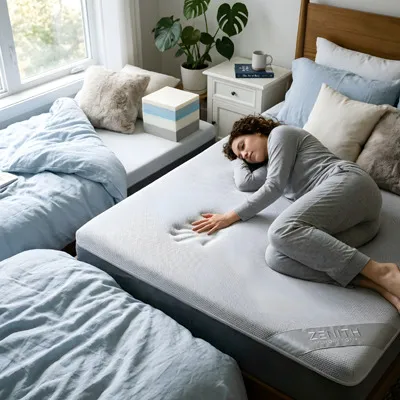
Sustainable covers made from organic cotton, bamboo, or hemp improve indoor quality and reduce environmental impact.
Breathable covers also extend mattress and cushion lifespan by managing moisture.
Many sustainable textiles also feature hypoallergenic and antimicrobial properties, enhancing health and comfort. Climate-aware design prioritizes these qualities for long-term wellbeing.
Investing in sustainable covers aligns with architectural commitment to human-centered, responsible design.
Practical Tips for Textile Coordination
Coordinate textiles by selecting a dominant color family and mixing textures within that palette.
Use neutrals to ground the design and accentuate cushions or throws in richer hues.
Architects recommend testing textiles in the actual room lighting to ensure harmony. Avoid excessive pattern mixing to maintain calmness and intentionality.
Balanced textile coordination supports a cohesive and inviting residential environment.
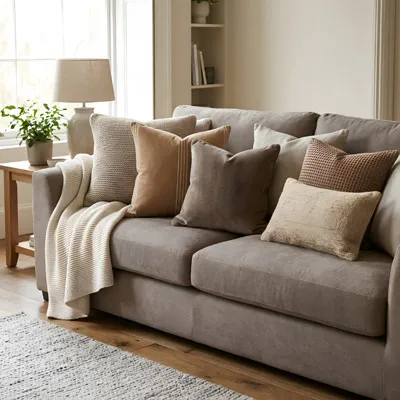
Color Strategies in Residential Climate-Aware Design
Adapting Color Choices to Climate Conditions
In warm climates, lighter colors reflect sunlight and reduce heat absorption, enhancing indoor comfort. Cooler climates benefit from warmer tones that create a cozy atmosphere. Architects consider these factors when specifying color palettes for cushions, mattresses, and textiles.
Color also influences perceived temperature; blue hues can feel cooler, while reds warm a space psychologically. Integrating these insights supports energy efficiency and occupant comfort.
Climate-aware color selection is a subtle yet powerful design tool.
Balancing Aesthetics and Functionality
Color choices must serve both aesthetic and functional purposes. Durable, fade-resistant colors reduce maintenance in high-use textiles. Architects balance visual appeal with long-term performance, ensuring that cushions and mattresses remain attractive over time.
Intentional color application avoids visual noise, fostering an atmosphere of calm and slow living. This balance is key to human-centered residential design.
Functionality and style coexist when color strategies are thoughtfully executed.
Residential Textile and Color Trends with Longevity
Slow Design Movement in Textiles and Colors
Slow design emphasizes longevity, sustainability, and timeless aesthetics. Textiles chosen under this philosophy feature natural fibers, neutral colors, and classic weaves that age gracefully. Colors avoid fleeting trends, focusing instead on enduring palettes that nurture calmness.
Architects advocate for slow design to counter fast consumerism, resulting in homes that feel grounded and intentional.
This trend aligns closely with human-centered, climate-aware residential architecture.
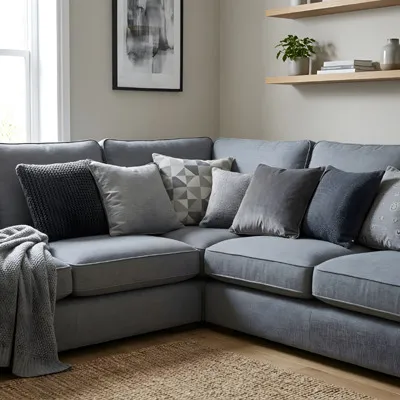
Incorporating Heritage and Craftsmanship
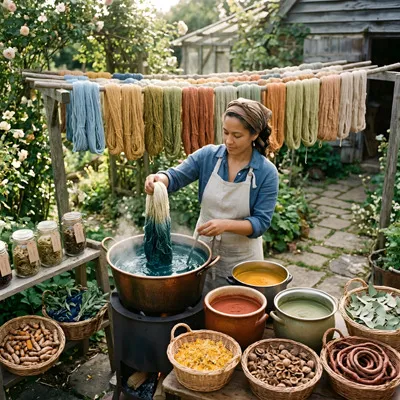
Textiles that reflect local craftsmanship and traditional dyeing techniques enrich interiors with cultural depth. Handwoven cushions or naturally dyed linens add authenticity and uniqueness. These materials often feature subtle color variations that enhance tactile and visual textures.
Architectural design respects this heritage by allowing such textiles to become focal points or quiet complements within a calm interior.
Integrating craftsmanship supports sustainability and emotional connection to one’s home.
Forecasting Durable Color Palettes
- Warm neutrals such as beige, taupe, and soft browns
- Muted greens and blues inspired by nature
- Soft grays that pair well with natural wood and stone
- Earthy terracotta and clay tones
- Subtle pastels used sparingly for accents
These palettes provide versatility and timelessness, ensuring that cushions, mattresses, and textiles remain relevant through design evolutions.
Architects recommend these colors to sustain the slow, intentional environment in residential interiors.
Strategies
Integrating cushions, mattresses, textiles, and colors with architectural intention creates residential spaces that are both comfortable and stylish. Through careful material selection, ergonomic design, and thoughtful color strategies, homes can become havens of calm and human-centered living. Prioritizing sustainability and slow design principles enhances the longevity and wellbeing of these environments.
By approaching these elements with expertise and awareness, you empower your home to reflect intentionality and climate-consciousness. Embrace these strategies to transform your living space into a balanced and enduring sanctuary.
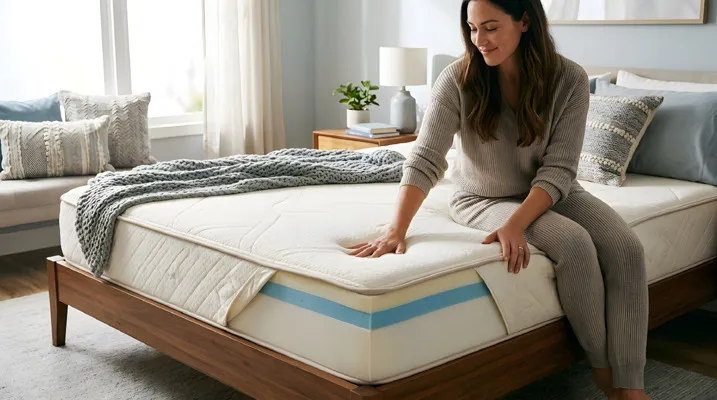
Frequently Asked Questions (FAQ)
What Materials Are Best for Cushions in a Climate-aware Home?
Natural fibers like organic cotton, hemp, and linen are excellent choices for climate-aware homes. They offer breathability, durability, and low environmental impact, helping maintain indoor air quality and comfort.
How Do I Choose the Right Mattress Firmness for My Needs?
Select mattress firmness based on your sleeping position and body weight. Soft mattresses suit side sleepers, medium firmness fits combination sleepers, and firm mattresses support back sleepers and heavier individuals, promoting proper spinal alignment.
What Are the Advantages of Using Sustainable Textiles in Home Design?
Sustainable textiles reduce environmental impact, improve indoor air quality, and often feature natural, biodegradable fibers. They align with ethical production practices, fostering healthier and more intentional living spaces.
How Can Color Influence the Mood of a Residential Space?
Colors affect emotions and perceptions: cool tones foster calmness, warm tones energize, and neutrals create balance. Thoughtful color choices enhance wellbeing and complement architectural features, supporting a human-centered atmosphere.
What Maintenance Practices Extend the Life of Cushions and Mattresses?
Regularly fluff and rotate cushions to preserve shape, use removable washable covers, and select fade- and stain-resistant fabrics. For mattresses, use protective covers and air them out periodically to maintain hygiene and comfort.

Architect with extensive experience in residential and commercial design, including renovations and modular construction. Love to share information about Architecture, home and lifestyle in this blog.