
Urban gardening is a growing trend that reflects a shift towards sustainable living and a deeper connection to nature. Understanding the types of plants suitable for small city gardens is crucial for maximizing space and creating thriving the best plants for green environments. These plants not only enhance aesthetics but also improve air quality and wellbeing in compact residential settings.
Thank you for reading this post, don't forget to subscribe!Small urban gardens face unique challenges such as limited sunlight, space constraints, and varying microclimates. Selecting the right types of plants can address these issues, turning any balcony, rooftop, or courtyard into a calming, intentional sanctuary. Recognizing famous plants that adapt well to urban conditions and staying updated with emerging trends can inform smarter, climate-aware choices.
This article explores diverse types of plants, famous varieties favored by architects, and current trends shaping small city gardens. It offers expert guidance grounded in architectural insights to help residents design sustainable, human-centered green spaces that thrive within modern urban landscapes.
Varieties of Plants Ideal for Urban Gardens
Perennials That Thrive in Limited Space
Perennials are a cornerstone of small city gardens due to their longevity and minimal maintenance needs. These plants return year after year, providing structure and seasonal interest without frequent replanting. Varieties such as lavender, hostas, and sedum are well-suited for compact spaces and can tolerate urban microclimates.
Perennials often have deep root systems that enhance soil stability and resilience in urban environments. Their adaptability to various light conditions—from full sun to partial shade—makes them versatile choices for balconies or shaded courtyards. By selecting perennials that bloom in succession, gardeners can ensure year-round color and texture.
Incorporating native perennials supports local biodiversity and requires less water, aligning with climate-aware gardening principles. This strategy not only reduces resource consumption but also fosters a healthier ecosystem within city limits.
Annuals for Seasonal Color and Flexibility
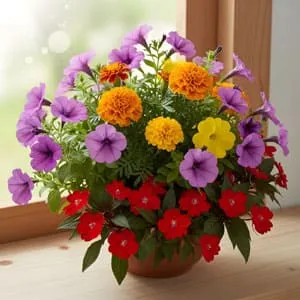
Annual plants offer vibrant, immediate impact, making them popular for adding color to limited outdoor spaces. They complete their life cycle in one growing season, allowing gardeners to experiment with different varieties each year. Common urban annuals include marigolds, petunias, and pansies.
Annuals can be strategically placed in containers or window boxes to maximize spatial efficiency. Their quick growth cycles provide opportunities to adapt garden aesthetics according to changing trends or personal preferences. This flexibility is especially valuable in dynamic city environments.
While annuals require more frequent replanting, they are effective tools for introducing seasonal diversity and complementing more permanent garden elements. Selecting drought-tolerant annuals supports sustainable urban gardening practices.
Succulents and Drought-Resistant Plants
Succulents have gained widespread popularity in urban gardening for their low-maintenance and water-efficient qualities. These plants store water in their leaves, enabling survival in dry, sun-exposed conditions common in city gardens. Examples include echeveria, aloe vera, and sedum.
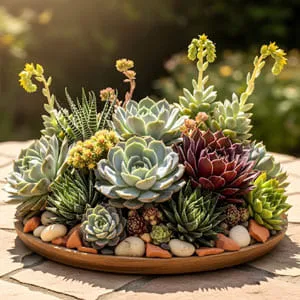
Their compact size and architectural forms appeal to modern design sensibilities, blending well with minimalist and intentional garden layouts.
Succulents thrive in containers, making them ideal for balconies and rooftops with limited soil.
Choosing drought-resistant plants like succulents reduces irrigation needs and aligns with climate-conscious gardening. Their resilience and unique aesthetics make them a staple in contemporary urban landscapes.
Recognized and Famous Plants for Small Urban Spaces
Popular Indoor-Outdoor Hybrid Plants
Some plants have become iconic for their ability to transition seamlessly between indoor and outdoor environments. These species are particularly suitable for small city gardens that blur the boundary between interior and exterior spaces. The fiddle leaf fig, snake plant, and monstera are prime examples.
- Fiddle Leaf Fig (Ficus lyrata): Known for its large, sculptural leaves and tolerance of indirect light.
- Snake Plant (Sansevieria trifasciata): Extremely hardy, thrives in low light and requires minimal watering.
- Monstera Deliciosa: Popular for its dramatic, perforated leaves and adaptability.
- Peace Lily (Spathiphyllum): Low light tolerant and effective at improving indoor air quality.
- ZZ Plant (Zamioculcas zamiifolia): Resilient and well-suited for shaded balconies.
These hybrids support human-centered design by bringing greenery closer to living spaces, enhancing mental wellbeing and air quality. Their fame stems from both aesthetics and practical adaptability, key for small urban gardens.
Iconic Climbers and Vines
Climbing plants offer vertical interest and optimize space by growing upwards rather than outwards. They are essential for urban gardens where horizontal space is scarce. Ivy, jasmine, and wisteria are among the most famous climbers used.
These plants can soften hard architectural lines and provide natural privacy screens or shade. They also contribute to cooling effects by shading walls and reducing heat gain in buildings, a valuable trait in climate-aware garden design.
Proper structural support and regular pruning ensure climbers remain manageable and safe in residential contexts. Their presence transforms small gardens into tranquil retreats with lush, layered greenery.
Iconic Flowering Plants for Seasonal Impact
Certain flowering plants have achieved global recognition for their beauty and symbolic value in gardens. Tulips, roses, and hydrangeas are classics that bring color and texture to small city gardens. Their fame is tied to cultural significance and horticultural versatility.
These plants offer seasonal focal points, marking changes in the calendar and enhancing the sensory experience of the garden. Their cultivation requires attention to soil quality and watering, but their reward is rich visual appeal.
Urban gardeners often select dwarf or compact varieties to fit small spaces. Incorporating these famous flowers adds a timeless elegance, balancing contemporary trends with classic charm.
| Plant Type | Urban Adaptability | Maintenance Level |
|---|---|---|
| Perennials | High | Low |
| Annuals | Moderate | Medium |
| Succulents | High | Very Low |
| Climbers | High | Medium |
| Flowering Plants | Moderate | Medium to High |
Emerging Trends in Urban Plant Selection
Edible Plants in Residential Gardens
- Herbs like basil, thyme, and mint for fresh culinary use.
- Compact vegetables such as cherry tomatoes and peppers.
- Microgreens and sprouts for nutrient-dense additions.
- Fruit-bearing shrubs like blueberries and dwarf citrus.
- Vertical gardening for maximizing edible space.
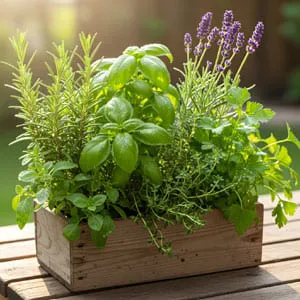
Incorporating edible plants into small city gardens reflects a growing trend towards self-sufficiency and sustainability.
These plants provide fresh produce, reduce food miles, and engage residents in meaningful gardening practices.
Edibles can coexist with ornamentals when carefully planned, creating multifunctional green spaces that serve both aesthetic and practical purposes. Their inclusion fosters a human-centered approach, enhancing daily life through interaction with growing food.
Sustainable and Native Plant Use
There is increasing emphasis on selecting native plants that require less water and are better adapted to local climates. This trend supports biodiversity and reduces the ecological footprint of urban gardens. Native grasses, wildflowers, and shrubs are gaining prominence.
Sustainability also involves using recycled materials for containers and organic soil amendments. Architects and gardeners collaborate to design gardens that minimize waste and promote healthy soil ecosystems.
Adopting native and sustainable plants aligns with broader environmental goals and enhances resilience against climate change impacts. It ensures that urban gardens contribute positively to their surroundings.
Integration of Technology in Plant Care
Smart gardening tools and sensors are becoming popular for maintaining small urban gardens efficiently. Automated irrigation systems, soil moisture sensors, and plant health monitoring apps enable precise care tailored to plant needs.
These technologies reduce water waste and prevent over- or under-watering, critical for plants sensitive to urban microclimates. Real-time data supports intentional gardening practices and helps maintain calm, thriving green spaces.
Technology integration empowers urban gardeners to optimize plant health while minimizing effort, aligning with the slow and intentional gardening philosophy promoted by architects.
Designing with Diverse Plant Types for Small Spaces
Layering and Spatial Planning
Effective use of vertical and horizontal space enhances plant diversity in small gardens. Layering plants by height—from ground covers to mid-level shrubs and taller trees—creates depth and visual interest.
Architectural principles guide plant placement to ensure light access, air circulation, and ease of maintenance. Spatial planning incorporates pathways and seating areas to foster human interaction with greenery.
This approach balances aesthetics with functionality, supporting calm and intentional garden experiences that harmonize with residential living.
Container Gardening and Mobility
- Choosing appropriately sized pots to accommodate root systems.
- Utilizing wheeled containers for flexibility in sunlight exposure.
- Combining different plant types in mixed containers for diversity.
- Using lightweight, breathable materials for optimal drainage.
- Positioning containers to create microclimates beneficial to plants.
Container gardening is essential when soil access is limited or absent. Mobility allows gardeners to adapt layouts seasonally, responding to changing light and weather conditions. It also supports experimentation with different plant types and trends.
This method aligns with architectural practices that prioritize adaptability and human-centered design, ensuring green spaces remain accessible and vibrant.
Color, Texture, and Form Considerations
Architectural gardens emphasize calm, intentional palettes that promote relaxation. Selecting plants with complementary colors, varied leaf textures, and distinct forms enhances the sensory experience without overwhelming small spaces.
Soft greens, muted blues, and subtle flowering tones prevail over bright, saturated colors. Textural contrast between smooth succulents and feathery grasses adds depth. Form includes geometric shapes and natural curves that guide movement.
This careful selection supports slow gardening principles, encouraging mindfulness and connection with nature in urban environments.
Maintenance Strategies for Urban Plant Varieties
Watering and Irrigation Efficiency
Efficient watering practices are critical for urban plants, especially in drought-prone areas. Drip irrigation systems and self-watering containers reduce water usage while ensuring consistent moisture levels.
Grouping plants by water needs prevents overwatering and conserves resources. Regular monitoring of soil moisture supports climate-aware garden management.
These strategies maintain plant health and contribute to sustainable urban ecosystems, reflecting intentional care emphasized by architects.
Pruning and Growth Management
Regular pruning controls plant size, maintains shape, and promotes healthy growth. It is especially important in confined spaces to prevent overcrowding and shading.
Pruning schedules vary by plant type but should prioritize removing dead or diseased material. Training climbers and vines ensures they grow along intended supports, preserving structural integrity.
Effective growth management extends the lifespan of plants and enhances garden aesthetics, supporting a calm and orderly environment.
Pest Control and Soil Health
- Using organic pest deterrents like neem oil and insecticidal soap.
- Encouraging beneficial insects such as ladybugs and bees.
- Maintaining healthy soil with compost and mulch layers.
- Regularly checking for signs of infestation or disease.
Integrated pest management minimizes chemical use, protecting urban biodiversity. Healthy soil improves plant resilience and nutrient uptake, essential for thriving small gardens.
These practices uphold environmentally responsible gardening and align with human-centered, sustainable design.
| Maintenance Aspect | Recommended Practice | Benefit |
|---|---|---|
| Watering | Drip irrigation, group plants by water need | Water conservation, healthy roots |
| Pruning | Seasonal trimming, remove dead parts | Controlled growth, improved airflow |
| Pest Control | Organic treatments, beneficial insects | Eco-friendly, reduced chemical use |
| Soil Care | Composting, mulching | Enhanced nutrients, moisture retention |
Architectural Perspectives on Plant Trends
Human-Centered Green Spaces
Architects prioritize designs that consider how inhabitants interact with plants daily. Gardens become extensions of living spaces, promoting wellbeing through proximity to nature. Plants are selected not just for beauty but for their sensory and emotional benefits.
This approach integrates lighting, seating, and circulation with plant placement to foster calm and intentional engagement. Plant choices reflect user needs, climate, and cultural context.
Human-centered design ensures gardens serve as restorative environments amidst the urban hustle.
Climate-Responsive Planting
Responding to local climate conditions is critical in sustainable urban design.
Architects select plants that are resilient to heat, drought, or cold, minimizing intervention and resource use.
Green infrastructure elements like green roofs and living walls incorporate climate-adapted plants, mitigating urban heat islands and improving air quality. This trend is grounded in ecological principles and practical performance.
Such plantings contribute to long-term garden health and environmental benefits, reflecting architectural foresight.
Minimalism and Slow Gardening
Modern trends favor minimalistic, slow gardening practices that emphasize quality over quantity. Fewer plant species are chosen with intention to create serene, easy-to-maintain gardens.
This philosophy encourages mindful care and appreciation of plant life cycles. It counters fast-paced urban living with deliberate design and plant choices that age gracefully.
Architects championing this trend create spaces that offer pause and connection, enhancing urban residential life.
Incorporating Diverse Plant Species Into Residential Architecture
Indoor-Outdoor Continuity
Blurring the boundary between indoor and outdoor spaces is a hallmark of contemporary residential design. Plants are integrated into this flow to enhance spatial continuity and natural light interplay.
Using similar plant species inside and outside creates a cohesive aesthetic and promotes a sense of openness. Architecturally, planters and green screens articulate transitional zones.
This approach supports human-centered environments where nature is an integral part of daily living.
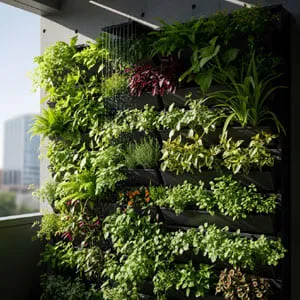
Green Walls and Vertical Gardens
- Utilize modular panels for easy installation and maintenance.
- Incorporate drought-tolerant and native species for sustainability.
- Enhance insulation and air quality within residential buildings.
- Create living artworks that evolve with seasons.
Vertical gardens maximize green space in urban settings, adding lushness without sacrificing floor area. Their architectural integration enhances facade aesthetics and environmental performance.
Such installations are increasingly favored in climate-aware city planning and residential design.
Balcony and Rooftop Planting Solutions
Balconies and rooftops offer valuable but limited gardening opportunities.
Architect-driven solutions prioritize lightweight soil mixes, wind protection, and irrigation systems to support diverse plant types.
Plant selections often include compact shrubs, succulents, and herbs that withstand exposure and limited root depth. Thoughtful design maximizes usability and visual appeal.
These elevated green spaces contribute to urban biodiversity and resident wellbeing, reflecting architectural commitment to livability.
Benefits of Diverse Plant Selection in Urban Environments
Enhancing Biodiversity and Ecosystem Services
Diverse plantings support a range of pollinators, birds, and beneficial insects, enriching urban ecosystems. Mixed species reduce vulnerability to pests and diseases.
Architectural gardens that incorporate varied plant types contribute to ecological networks, improving environmental health at a neighborhood scale.
This biodiversity enhances resilience to climate change and fosters a balanced natural environment in cities.
Improving Air Quality and Microclimate
- Plants absorb pollutants and produce oxygen, improving air quality.
- Shade from trees and shrubs reduces urban heat islands.
- Evapotranspiration cools surrounding air, promoting comfort.
- Strategic planting buffers noise pollution and dust.
These benefits contribute to healthier living conditions in dense urban areas. Architects use plant types strategically to enhance microclimate and occupant wellbeing.
Psychological and Social Benefits
Access to green spaces positively affects mental health by reducing stress and increasing relaxation. Plants foster social interaction, community engagement, and a sense of place.
Human-centered garden design emphasizes these aspects, ensuring plant selection supports emotional and social dimensions of urban life.
Intentional integration of plants reinforces calm and slow living values, countering urban stressors.
Types of plants
Understanding the types of plants, famous plants, and trends relevant to small city gardens enables the creation of functional, climate-aware, and human-centered green spaces. Selecting perennials, succulents, and iconic varieties tailored to urban constraints enhances sustainability and aesthetics.
Architectural insight guides intentional design that balances ecology, wellbeing, and beauty. As urban gardening continues to evolve, embracing diverse plant types and emerging trends will foster resilient, calming environments that enrich residential life.
Frequently Asked Questions (FAQ)
What Are the Best Types of Plants for Small City Gardens?
Perennials, succulents, and compact flowering plants are ideal for small urban gardens. They require less maintenance, adapt well to limited space, and often withstand varying light and climate conditions common in cities.
How Do Famous Plants Influence Urban Garden Design?
Famous plants like fiddle leaf figs and snake plants set aesthetic and functional standards in urban gardening. Their popularity reflects ease of care, air quality benefits, and ability to complement modern architectural styles.
What Trends Are Shaping Residential Urban Gardening Today?
Current trends include incorporating edible plants, prioritizing native and drought-resistant species, and integrating technology like smart irrigation systems. These approaches promote sustainability and enhance user experience.
How Can I Maintain Plants Effectively in a Small City Garden?
Efficient watering, regular pruning, organic pest control, and soil health management are key maintenance strategies. Group plants by water needs and use drip irrigation to conserve resources and promote plant vitality.
Why is Plant Diversity Important in Urban Environments?
Plant diversity supports urban biodiversity, improves air quality, and enhances microclimates. It also contributes psychological benefits by creating calming, engaging green spaces that foster wellbeing and community connection.