Last updated on September 14th, 2026 at 05:27 pm
Designing a garden that feels like a private retreat is an art rooted in understanding climate, culture, and the way people live. Whether you envision a tropical garden lush with vibrant foliage, a minimalist nordic garden, a sun-kissed mediterranean garden, or a tranquil asian garden, the key is to create a space that serves as a calm retreat from everyday life. This approach ensures the garden is not only beautiful but deeply functional and human-centered.
Each garden style reflects different environmental conditions and cultural aesthetics, yet all can be designed with intention and architectural clarity. By focusing on residential needs and climate awareness, you can craft a garden that evolves naturally, providing a sanctuary that feels timeless, and personal. This article explores how to approach these distinct garden types with a slow, deliberate design philosophy.
Here, we delve into practical strategies and design principles for tropical, nordic, mediterranean, and asian gardens. You will learn how to balance form and function, select appropriate plants and materials, and create spaces that resonate with calm and intentionality—perfect for anyone seeking a private garden sanctuary.
Creating a Tropical Garden Retreat
Understanding the Tropical Garden Environment
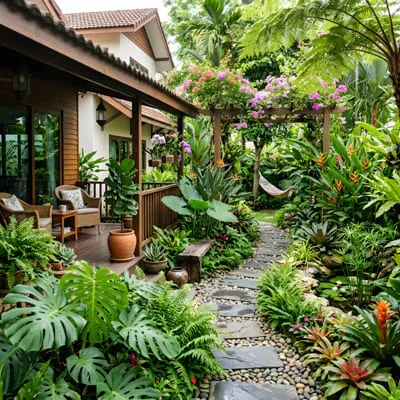
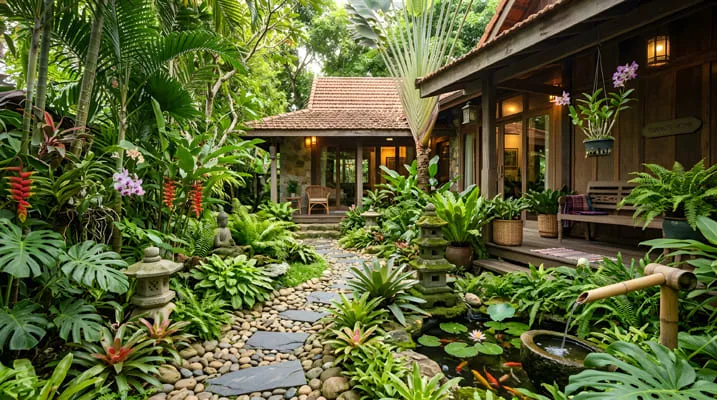
A tropical garden thrives in warm, humid climates, characterized by lush, dense vegetation and vibrant colors. The architectural design of such gardens must consider heavy rainfall, intense sunlight, and natural airflow to maintain balance and comfort. Tropical gardens often feature large-leafed plants, palms, and flowering species that create an immersive, sensory-rich environment.
To design a tropical garden retreat it’s essential to integrate shade structures and water elements that mimic natural habitats, enhancing the garden’s calming effect. The tropical garden should feel like an extension of the home, blending indoor and outdoor living spaces.
Plants such as heliconias, gingers, and ferns are staples in tropical gardens, supporting biodiversity and creating a layered, textured landscape. Incorporating native species ensures sustainability and resilience in your garden design.
Plant Selection and Arrangement for Tropical Gardens
- Large-leafed tropical plants for shade and texture
- Evergreen palms for vertical interest and structure
- Colorful flowering plants to add vibrancy
- Ground covers to reduce soil erosion
- Climbing vines to soften architectural elements
When arranging plants, consider layering to create a sense of depth and privacy. Taller palms and trees can serve as natural screens, while mid-height shrubs and ground covers fill in gaps. The goal is an organic, flowing composition that invites exploration and relaxation.
Plant groupings should also facilitate microclimates within the garden, offering cooler, shaded spots and sunlit areas for diverse experiences. Incorporating water features like ponds or small streams further enhances this tropical oasis effect.
Material Choices and Sustainability in Tropical Gardens
| Material | Use | Benefits |
|---|---|---|
| Bamboo | Fencing, furniture, pergolas | Renewable, lightweight, aesthetic warmth |
| Natural stone | Pathways, water features | Durability, natural texture, slip resistance |
| Recycled wood | Decking, garden beds | Eco-friendly, rustic appeal |
Choosing sustainable materials is crucial for a tropical garden’s longevity and environmental impact. Bamboo is an excellent renewable resource that complements tropical aesthetics while offering structural support. Natural stone pathways provide safe, durable surfaces that withstand tropical weather.
Integrating recycled or locally sourced materials reduces the garden’s carbon footprint, aligning with the principle of slow design that respects natural cycles and resources. These choices also harmonize with the garden’s organic feel, reinforcing its role as a peaceful sanctuary.
Designing a Nordic Garden Retreat
Climate-Responsive Features in Nordic Gardens
- Use of hardy, cold-resistant plants
- Incorporation of natural light through reflective surfaces
- Minimalist layouts that emphasize function
- Windbreaks and sheltering elements
- Water-efficient irrigation systems
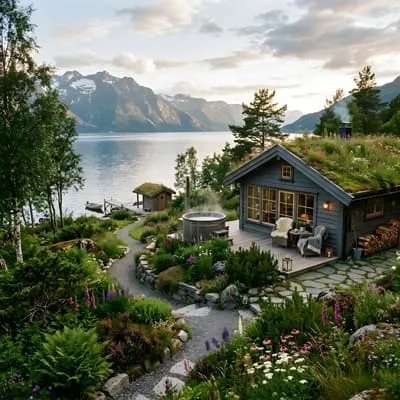
Nordic gardens demand designs that respond to long winters and limited sunlight. Utilizing evergreen species and deciduous shrubs creates year-round structure and seasonal interest.
Reflective surfaces such as light-colored gravel or white walls amplify available light, enhancing the garden’s brightness during dark months.
Windbreaks using hedges or walls protect delicate plants and create microclimates. The design is intentionally minimalist, focusing on simplicity and the natural beauty of materials and plant forms, fostering calm and introspection.
Key Plant Choices for Nordic Gardens
Plants suited to nordic gardens include dwarf conifers, birches, and perennial grasses. These species are resilient, low-maintenance, and deliver sculptural qualities that complement the garden’s architectural elements.
Deciduous shrubs offer seasonal color changes, from fresh greens in spring to fiery reds in autumn. Ground covers such as mosses soften hardscape edges and thrive in shaded spots, adding texture and depth.
Grouping plants based on their light and moisture needs ensures a sustainable, thriving garden that aligns with the slow, intentional design ethos favored in nordic landscapes.
Materials and Textures in Nordic Garden Design
| Material | Application | Characteristics |
|---|---|---|
| Granite | Pathways, seating | Hard-wearing, natural texture, cold-resistant |
| Wood (pine, spruce) | Decking, fences | Warmth, natural grain, sustainable options |
| Metal (corten steel) | Planters, edging | Rustic appearance, durable, contrasts greenery |
Nordic gardens often employ materials that reflect the local environment and climate. Granite pathways offer durability through freeze-thaw cycles, while wooden elements add warmth and natural texture.
Using materials like corten steel introduces a modern, architectural edge that contrasts with soft plant forms, creating a balanced, calm atmosphere. This material palette supports a garden that is both purposeful and serene.
Crafting a Mediterranean Garden Oasis
Core Elements of a Mediterranean Garden
- Drought-tolerant plants adapted to hot summers
- Use of terracotta and clay materials
- Incorporation of shaded seating areas
- Stone walls and gravel pathways
- Water features to cool the environment
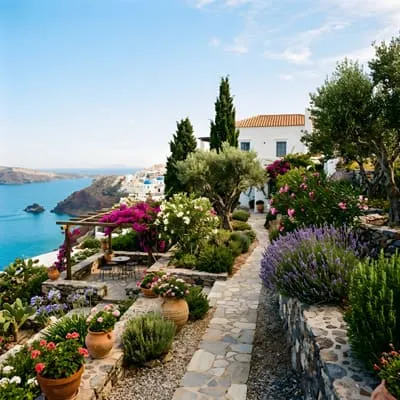
Mediterranean gardens are shaped by a warm, dry climate and a lifestyle centered on outdoor living. Plants and materials must withstand intense sun and limited water availability.
The garden design emphasizes shade, texture, and earthy colors, creating a grounded, relaxing environment.
Strategically placed pergolas and awnings offer respite from the heat, while stone walls act as thermal masses, moderating temperature swings. Water features, such as small fountains, bring movement and cooling sounds to the space.
Plant Palette for Mediterranean Gardens
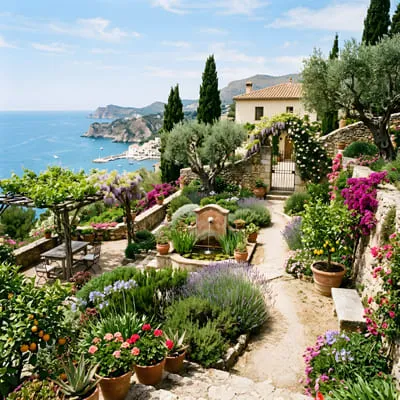
Typical plants include olive trees, lavender, rosemary, and cypress. These species are drought-resistant and provide aromatic and visual interest. Succulents and drought-tolerant ground covers fill in spaces, reducing soil erosion and maintenance.
Grouping plants by water needs and sun exposure optimizes irrigation efficiency and plant health. The arrangement creates a layered, textured landscape that feels both wild and curated, inviting relaxation and contemplation.
Herbs and edible plants are often incorporated, reflecting the Mediterranean tradition of integrating garden and kitchen.
Materials That Define Mediterranean Gardens
| Material | Usage | Advantages |
|---|---|---|
| Terracotta | Planters, tiles | Porous, warm colors, traditional appeal |
| Limestone | Walls, paving | Light color, heat reflective, durable |
| Ceramic tiles | Decorative accents, flooring | Colorful, cooling surface, artistic |
Materials in Mediterranean gardens are chosen for their ability to cope with heat and dryness while providing visual warmth.
Terracotta pots and tiles add rich color and texture, complementing the plant palette.
Limestone paving and walls reflect sunlight, keeping the garden cooler. Ceramic tiles introduce patterns and cultural references, enhancing the garden’s character and charm without overwhelming its calm, intentional design.
Designing a Serene Asian Garden
Philosophy and Principles Behind Asian Gardens
- Balance and harmony with nature
- Use of asymmetry and natural forms
- Incorporation of water and stone elements
- Minimalist plant selection emphasizing structure
- Spaces for meditation and reflection
Asian gardens prioritize spiritual and sensory experiences, focusing on simplicity, symbolism, and tranquility. The design often follows principles of feng shui or zen aesthetics, aiming to create a balanced environment that nurtures the soul.
Paths meander naturally, water features provide soothing sounds, and stone arrangements evoke mountain landscapes. Plant selection is deliberate, emphasizing form over color to maintain calm and order.
Plants Typical in Asian Gardens
Common species include bamboo, maples, azaleas, and mosses.
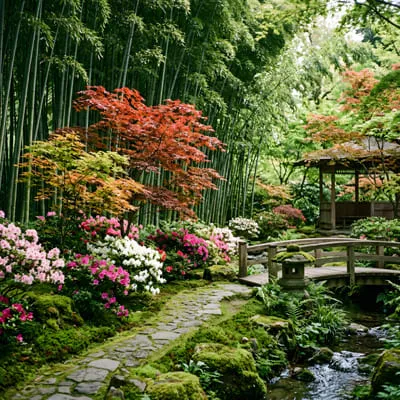
Bamboo offers verticality and movement, while maples provide seasonal color shifts.
Azaleas add subtle blooms without overwhelming the space.
Mosses and ground covers create soft, green carpets that contrast with hardscape elements. The plant palette is curated to support a slow, contemplative experience rather than bright, dynamic displays.
Plant placement reflects natural landscapes, avoiding rigid grids and encouraging a sense of flow and discovery.
Architectural and Material Elements in Asian Gardens
| Material | Function | Effect |
|---|---|---|
| Stone lanterns | Lighting, focal points | Symbolic, creates ambiance |
| Wooden bridges | Pathways over water | Natural texture, invites contemplation |
| Gravel and sand | Ground cover, raked patterns | Meditative, emphasizes simplicity |
Materials in Asian gardens are integral to their meditative quality. Stone lanterns serve as symbolic and aesthetic elements, guiding the eye and providing soft illumination.
Wooden bridges offer tactile engagement, connecting different garden zones gently. Gravel and sand surfaces, often raked into patterns, provide a visual focus for mindfulness and slow movement.
Integrating Climate Awareness in Garden Design
Adapting Gardens to Local Climate Conditions
- Choosing plants native or adapted to the climate
- Implementing water-efficient irrigation
- Designing for seasonal changes and extremes
- Using shade and windbreaks strategically
- Utilizing permeable surfaces for drainage
Climate awareness is fundamental for sustainable garden design. Selecting plants that thrive naturally in your region reduces maintenance and resource use. Efficient irrigation systems, such as drip lines, minimize water waste, essential in drier climates.
Design elements like pergolas, trees, and walls provide shade and shelter, improving comfort and plant health. Considering seasonal variations ensures the garden remains functional and beautiful year-round.
Materials and Techniques for Climate Resilience
Employing durable, climate-appropriate materials extends the garden’s lifespan. Permeable paving allows rainwater absorption, reducing runoff and supporting groundwater recharge.
Mulches help retain soil moisture and regulate temperature.
In regions with frost, selecting frost-resistant species and providing winter protection is necessary. In hot climates, reflective surfaces and light colors help mitigate heat buildup, maintaining a pleasant garden atmosphere.
These strategies align with a slow, intentional design philosophy, promoting harmony between the garden and its environment.
Architectural Strategies for Year-Round Comfort
| Strategy | Benefit | Example |
|---|---|---|
| Deciduous trees | Shade in summer, light in winter | Maple, oak |
| Windbreak walls | Protect from cold winds | Stone or wooden fences |
| Covered patios | Outdoor use in diverse weather | Retractable awnings, pergolas |
Architectural elements can moderate microclimates in your garden, enhancing usability throughout the year. Deciduous trees provide cooling shade during warm months and allow sunlight in winter, balancing comfort and energy use.
Windbreaks shield the garden from harsh elements, while covered patios extend living spaces, encouraging outdoor connection regardless of weather. These interventions create a garden sanctuary that is both practical and serene.
Human-Centered Garden Design Principles
Designing for Lifestyle and Usage
A garden sanctuary must serve the inhabitant’s lifestyle, whether for quiet reflection, family gatherings, or gardening hobbies. Understanding how people interact with outdoor spaces informs the layout, circulation, and focal points.
Incorporating seating areas, garden rooms, and multi-functional zones creates a dynamic yet calm environment. The design should prioritize ease of movement, accessibility, and comfort, fostering a sense of belonging and well-being.
This human-centered approach ensures the garden is not just visually pleasing but genuinely supportive of daily life and mental restoration.
Balancing Privacy and Openness
Effective garden design balances enclosure and openness to create a private retreat that still feels connected to nature and the home. Using natural screens like hedges, trellises, or changes in elevation provides privacy without harsh barriers.
Open sightlines to focal points such as water features or specimen plants create a sense of spaciousness. This interplay encourages movement and discovery while maintaining a protected, intimate atmosphere.
Privacy strategies should adapt to the garden style and climate, reinforcing the sanctuary’s calm and intentional nature.
Incorporating Sensory Experiences
| Senses | Design Elements | Effect |
|---|---|---|
| Sight | Plant textures, focal points, color contrasts | Visual calm and interest |
| Sound | Water features, rustling plants | Soothing ambiance |
| Touch | Varied plant foliage, textured surfaces | Tactile engagement |
Engaging multiple senses enhances the garden’s role as a sanctuary. Visual harmony is achieved through thoughtful plant choices and spatial composition. Sound, particularly from water or wind, adds a layer of calm.
Tactile elements like soft moss or smooth stone invite physical connection, grounding visitors in the present moment. These sensory layers create a holistic, immersive environment that supports mental clarity and relaxation.
Tropical garden
Designing a tropical garden, nordic garden, mediterranean garden, or asian garden as a private sanctuary demands a deep understanding of climate, culture, and human needs. By integrating climate-aware strategies, sustainable materials, and human-centered principles, you create spaces that are both architecturally sound and deeply calming.
This article has outlined essential approaches and practical examples to help you craft a garden that feels intentional, slow, and profoundly restorative. Embrace these design philosophies to transform your outdoor space into a sanctuary that nurtures your lifestyle and well-being.
Frequently Asked Questions (FAQ)
What Are the Key Differences Between Tropical and Mediterranean Gardens?
Tropical gardens focus on lush, dense foliage, high humidity, and vibrant colors, while mediterranean gardens emphasize drought-tolerant plants, warm earthy tones, and water-efficient design. Climate and plant selection define their distinct atmospheres and maintenance needs.
How Can I Make a Nordic Garden More Welcoming During Winter?
Incorporate evergreen plants for structure, use reflective surfaces to maximize light, and add windbreaks to shelter from cold. Warm materials like wood and soft lighting also create a cozy, inviting atmosphere despite harsh weather.
What Materials Work Best for Sustainable Garden Design?
Renewable and locally sourced materials like bamboo, natural stone, recycled wood, and permeable paving are ideal. They offer durability, low environmental impact, and harmonious aesthetics that support slow, intentional garden development.
How Do I Incorporate Privacy Without Feeling Enclosed?
Use natural screens such as hedges, trellises, and elevation changes to create subtle boundaries. Maintain open sightlines to focal points and design multiple garden rooms that balance enclosure with openness, fostering a calm, private experience.
Why is Sensory Engagement Important in Garden Design?
Engaging sight, sound, and touch creates a holistic experience that enhances relaxation and mindfulness. Sensory elements like water features, textured plants, and carefully composed visuals make the garden a living sanctuary for mental and physical well-being.

Architect with extensive experience in residential and commercial design, including renovations and modular construction. Love to share information about Architecture, home and lifestyle in this blog.