
Creating a Mediterranean garden at home offers a unique blend of beauty, sustainability, and timeless appeal. Olive garden design captures the essence of Mediterranean landscapes, integrating olive trees landscaping with natural stone, drought-resistant plants, and purposeful spatial arrangement. This approach not only enhances your outdoor living space but also respects the climate and lifestyle of Mediterranean regions.
Thank you for reading this post, don't forget to subscribe!Many homeowners face challenges adapting Mediterranean garden ideas to their local climate and residential context. Understanding how to incorporate olive trees and other native species while maintaining a calm, intentional, and architectural design is key. This article explores practical methods to create a Mediterranean-inspired garden that thrives in diverse environments.
We will cover essential design principles, plant selection, sustainable landscaping techniques, and how to harmonize functional outdoor spaces with Mediterranean aesthetics. Whether you’re starting from scratch or enhancing an existing garden, these insights will guide you in crafting a serene and enduring environment.
Foundations of Olive Garden Design
Principles of Mediterranean Landscaping
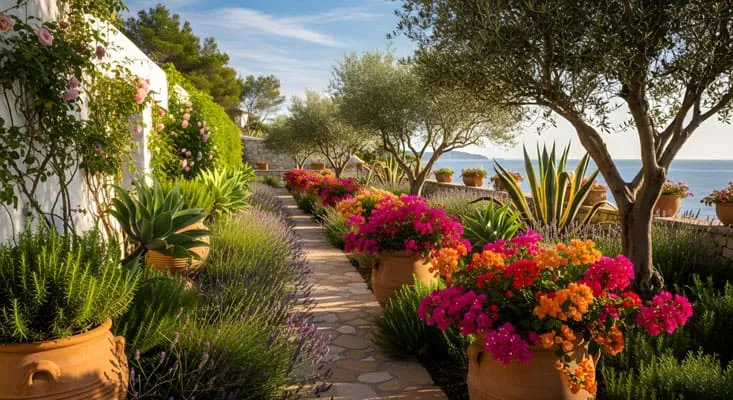
Mediterranean garden design is grounded in simplicity, climate responsiveness, and a deep connection to nature. The emphasis lies on drought-tolerant plants, including olive trees, lavender, and rosemary, arranged to create a peaceful, slow-living environment. Hardscaping materials like terracotta, natural stone, and gravel provide texture and durability, blending seamlessly with greenery.
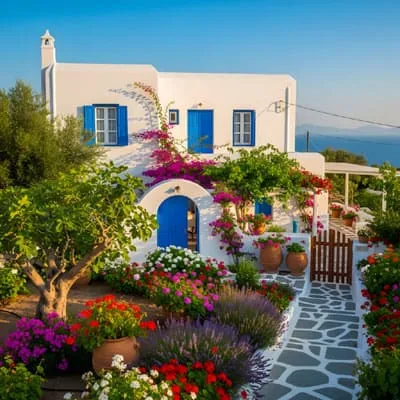
Good olive garden design considers sun exposure, wind patterns, and soil composition to optimize plant health and spatial comfort. Architectural elements like pergolas and shaded walkways enhance usability without overwhelming the natural aesthetics. The goal is a landscape that feels both intentional and relaxed.
By integrating these principles, gardeners can build spaces that honor Mediterranean traditions while adapting to local conditions. Thoughtful planning ensures longevity and ease of maintenance, crucial for residential settings.
Climate Considerations for Mediterranean Gardens
Designing a Mediterranean garden requires understanding your local climate, particularly temperature ranges and rainfall patterns. Olive trees landscaping thrives in regions with hot, dry summers and mild winters but can adapt with proper soil drainage and microclimates. Selecting plants native or well-suited to your environment minimizes water use and maintenance.
Incorporating shade structures and mulching helps regulate soil temperature and moisture, essential in warmer zones. Proper irrigation techniques, such as drip systems, maintain plant health without waste. This climate-aware approach aligns with sustainable landscaping goals.
Ultimately, olive garden design succeeds when it embraces natural cycles rather than opposing them, creating resilient gardens that flourish year-round.
Material Selection and Landscape Texture
Materials in Mediterranean garden design should reflect natural textures and a muted palette. Stone pathways, gravel beds, and terracotta pots contribute to an authentic feel. Olive trees landscaping benefits from well-draining soils often enhanced with sand or small pebbles to mimic Mediterranean terrain.
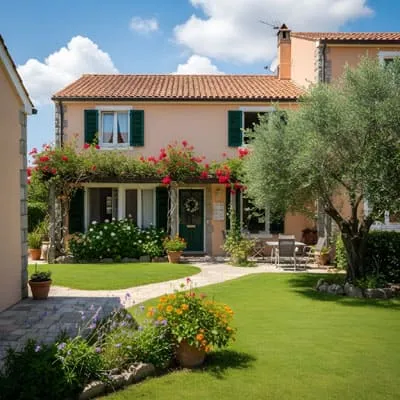
Wooden pergolas or benches provide warmth and contrast to stone elements, while wrought iron fixtures add subtle architectural interest. Choosing materials that age gracefully and require minimal upkeep supports the slow, intentional lifestyle Mediterranean gardens embody.
Texture variety—rough stone against soft foliage—creates visual balance and tactile richness, inviting residents to engage with their outdoor environment thoughtfully.
Incorporating Mediterranean Garden Ideas Into Residential Spaces
Key Elements for Residential Mediterranean Gardens
- Drought-tolerant plants such as olive trees, lavender, and sage
- Natural stone pathways and patios
- Water-saving irrigation systems like drip lines
- Shaded seating areas with pergolas or trellises
- Earth-toned pots and garden ornaments
These elements form the foundation of a Mediterranean garden, balancing beauty and functionality. The goal is to create a sanctuary that suits daily life and reflects a climate-aware design ethos.
Careful plant placement ensures microclimate benefits, with sun-loving plants in open areas and shade-tolerant varieties near structures. This layering optimizes growth and comfort.
Adapting Mediterranean Ideas to Small Gardens
Limited space requires a strategic approach to olive garden design. Vertical planting, container gardens, and multifunctional outdoor furniture can maximize usability without sacrificing Mediterranean charm. Compact olive trees or dwarf varieties fit well in patios or balconies.
Using reflective surfaces or light-colored materials enhances brightness and the feeling of openness. Incorporating edible plants like herbs also adds practicality and sensory richness to smaller gardens.
Intentional simplicity and uncluttered layouts maintain calmness, crucial in compact residential settings.
Balancing Aesthetic and Functionality
While Mediterranean gardens are often admired for their visual appeal, successful olive trees landscaping integrates function seamlessly. Shaded walkways, outdoor dining areas, and quiet nooks encourage outdoor living and social interaction.
Materials and plants should be chosen for durability as well as beauty.
Lighting design also plays a key role, emphasizing pathways and focal points without overwhelming the natural ambiance. The balance between aesthetic and practical elements enhances the user’s experience while respecting the garden’s architectural integrity.
This human-centered approach reflects an architect’s understanding of how outdoor spaces are truly used.
Plant Selection for Mediterranean Olive Gardens
Choosing the Right Olive Trees
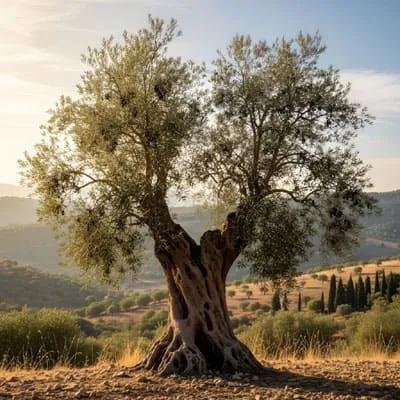
Olive trees are the centerpiece of Mediterranean gardens and require careful cultivar selection based on climate and space. Each variety offers distinct growth habits and resilience, influencing garden structure and maintenance.
Understanding tree size and soil preference helps in positioning olives for optimal sunlight and airflow, critical for health and longevity.
- Arbequina: compact size, high oil yield, cold hardy
- Koroneiki: drought-resistant, rich flavor, slower growth
- Picual: vigorous growth, adaptable, excellent for landscaping
- Frantoio: ornamental and productive, prefers well-drained soil
- Manzanilla: dual-purpose (table and oil), robust growth habit
Complementary Mediterranean Plants
Supporting plants enhance the garden’s sensory experience and ecological balance.
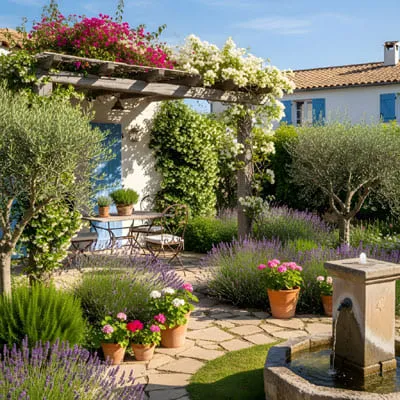
Lavender, rosemary, thyme, and sage provide fragrance and texture while attracting pollinators.
Succulents and ornamental grasses add drought tolerance and architectural form.
Flowering plants such as bougainvillea or geraniums offer seasonal color contrasts without excessive water needs. Grouping plants by irrigation requirements improves efficiency.
This layered planting strategy creates depth and interest while respecting Mediterranean climate constraints.
Creating Year-Round Interest
To maintain calm and intentional landscapes, incorporate evergreen shrubs and trees alongside deciduous species. Olive trees provide year-round structure, while seasonal blooms add dynamic visual points. Stone elements and pathways contribute permanence.
Consider winter-flowering plants like hellebores or cyclamen to brighten the off-season. Mulching and ground covers protect soil and provide texture during dormant periods.
This approach ensures Mediterranean gardens remain engaging and serene throughout the year.
Designing Sustainable Olive Trees Landscaping
Water Efficiency Strategies
- Drip irrigation to target root zones
- Rainwater harvesting systems
- Mulching with organic materials
- Selecting drought-tolerant companion plants
- Using permeable paving to reduce runoff
Water conservation is crucial in Mediterranean garden design, especially in regions with water scarcity. Efficient irrigation and soil moisture retention promote healthy olive trees and complementary plants while reducing environmental impact.
These strategies align with climate-aware landscaping, emphasizing resilience and resource stewardship.
Soil Health and Maintenance
Healthy soil supports plant vigor and reduces dependency on fertilizers and pesticides. Incorporate organic compost and mulch to improve soil structure and nutrient availability. Avoid over-tilling to preserve microbial life and soil integrity.
Regular soil testing informs amendments tailored to olive trees’ specific needs. Maintaining soil pH between 6 and 8 optimizes nutrient uptake.
These practices contribute to sustainable, long-lasting olive garden design.
Encouraging Biodiversity
Integrating native plants and creating habitats for beneficial insects enhances garden resilience. Olive trees landscaping benefits from natural pest control provided by predatory insects and birds. Plant diversity reduces disease risk and supports ecosystem balance.
Use of hedgerows, flowering borders, and water features can attract pollinators and wildlife, enriching the garden experience.
This holistic approach reflects an architectural sensitivity to natural systems and human well-being.
| Olive Tree Variety | Climate Suitability | Maintenance Level |
|---|---|---|
| Arbequina | Temperate, Cold hardy | Low |
| Koroneiki | Warm, Dry | Medium |
| Picual | Varied climates | Medium |
| Frantoio | Warm, Well-drained soil | High |
Architectural Elements in Mediterranean Garden Ideas
Integrating Built Structures
Architectural features such as pergolas, retaining walls, and garden benches provide structure and usability in Mediterranean gardens. These elements should be designed with natural materials that complement olive trees landscaping. Their form and placement guide movement and frame views, creating intentional outdoor rooms.
Properly designed structures enhance shade, privacy, and comfort without detracting from the garden’s calm and timeless atmosphere.
Functionality and aesthetics merge to support human-centered outdoor living.
Pathways and Circulation
Pathways define circulation patterns and invite exploration. Use materials like flagstone, gravel, or brick with natural, irregular patterns to reflect Mediterranean terrain. The width and curvature should accommodate leisurely movement, encouraging a slow, mindful pace.
Edges can be softened with ground covers or low shrubs to maintain an organic feel. Strategic lighting along paths ensures safety and ambiance during evenings.
This architectural attention to detail supports a harmonious garden experience.
Water Features and Focal Points
Water elements such as fountains or small ponds bring tranquility and auditory interest. In Mediterranean garden design, they often serve as focal points around which planting and seating areas are arranged. The sound of water complements the gentle rustling of olive tree leaves.
Sustainable water use is paramount; recirculating pumps and drought-tolerant plants around water features minimize resource consumption.
These features embody the balance between natural beauty and thoughtful design.
Enhancing Outdoor Living with Olive Trees Landscaping
Designing Comfortable Seating Areas
- Shaded patios with pergolas or sail shades
- Natural stone or terracotta flooring for thermal comfort
- Outdoor furniture with weather-resistant materials
- Use of cushions and textiles in earth tones
Comfortable seating areas encourage daily use and social interaction. Positioning near olive trees provides natural shade and aesthetic appeal. Materials should withstand Mediterranean conditions, blending durability with style.
Layering textures and colors creates inviting, human-centered spaces that foster relaxation.
Outdoor Dining and Cooking Spaces
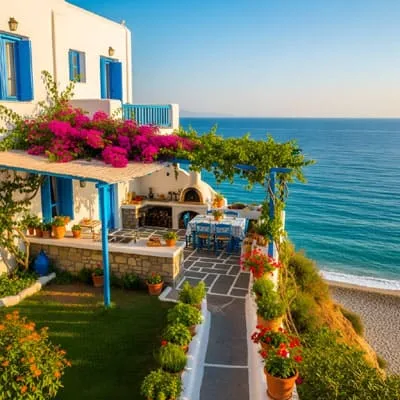
Integrate kitchens and dining areas that reflect Mediterranean lifestyle values—simplicity, conviviality, and connection with nature. Built-in grills, wood-fired ovens, and ample counter space support functional cooking experiences. Olive trees landscaping adds natural shade and fragrance, enhancing dining ambiance.
Design should prioritize flow between indoor and outdoor spaces, enabling seamless transitions and versatility.
These spaces become extensions of the home, promoting slow living and enjoyment of the outdoors.
Lighting and Ambiance
Soft, warm lighting accentuates architectural features and plant textures while preserving the garden’s calm atmosphere. Use low-voltage LED fixtures, lantern-style sconces, or ground lights to highlight pathways and focal points.
Lighting should be subtle and intentional to maintain the slow, contemplative character of Mediterranean garden ideas. Consider solar-powered options to enhance sustainability.
Thoughtful illumination transforms the garden into a serene retreat after sunset.
| Outdoor Feature | Material Options | Maintenance Considerations |
|---|---|---|
| Seating Area | Natural stone, terracotta, wood | Periodic sealing, weather protection |
| Dining Space | Brick, concrete, metal fixtures | Rust prevention, cleaning |
| Lighting | LED, solar lanterns, low-voltage cables | Battery replacement, wiring checks |
Maintaining Your Olive Garden Design
Seasonal Care for Olive Trees
- Prune annually to maintain shape and health
- Monitor for pests like olive fruit flies
- Fertilize in early spring with balanced nutrients
- Ensure proper irrigation during dry periods
Regular maintenance preserves the vitality and form of olive trees. Pruning enhances air circulation and sunlight penetration, reducing disease risk. Vigilance against pests safeguards productivity and appearance.
A consistent care routine supports sustainable olive trees landscaping aligned with garden design goals.
Weeding and Soil Management
Preventative weeding maintains clean garden lines and reduces competition for water and nutrients. Mulching suppresses weed growth and regulates soil temperature. Periodic soil aeration improves root health and drainage.
Appropriate soil amendments based on seasonal testing ensure plants receive optimal nutrition. Organic practices support long-term ecosystem balance.
These efforts minimize labor while maximizing garden resilience.
Long-Term Landscape Evolution
Olive garden design is a slow, intentional process that evolves with time. Monitoring plant growth and adjusting spatial arrangements help maintain balance and function. Introducing new Mediterranean garden ideas gradually allows the landscape to mature naturally.
Flexibility in design accommodates changing climate conditions and lifestyle needs. Thoughtful planning anticipates these shifts for sustainable enjoyment.
Ultimately, patience and observation are key to a thriving Mediterranean garden.
Mediterranean garden
Creating a Mediterranean garden at home through intentional olive garden design, Mediterranean garden ideas, and olive trees landscaping offers a timeless, climate-aware outdoor sanctuary. By combining drought-tolerant plants, sustainable materials, and architectural elements, homeowners can cultivate a calm, functional space that reflects Mediterranean traditions and respects local environments.
This thoughtful approach embraces slow living and human-centered design principles, ensuring the garden remains a place of beauty, comfort, and resilience. Begin your Mediterranean garden journey with these expert insights and transform your outdoor space into a serene retreat.
Frequently Asked Questions (FAQ)
What Are the Best Olive Tree Varieties for Mediterranean Landscaping?
Popular varieties include Arbequina, Koroneiki, Picual, Frantoio, and Manzanilla. Each offers different growth habits and climate adaptability, making them suitable for diverse Mediterranean-style gardens depending on space and local conditions.
How Can I Conserve Water in a Mediterranean Garden?
Implement drip irrigation, use mulch to retain soil moisture, select drought-tolerant plants, and harvest rainwater. These strategies reduce water usage while maintaining healthy olive trees and companion plants, aligning with sustainable landscaping.
Can Mediterranean Garden Ideas Be Adapted for Small Spaces?
Yes, through container planting, vertical gardens, and compact olive tree varieties. Using light colors and reflective materials enhances perceived space, while multifunctional furniture maximizes usability without compromising Mediterranean aesthetics.
What Maintenance Does an Olive Tree Require?
Olive trees need annual pruning, pest monitoring, balanced fertilization, and careful irrigation during dry seasons. Proper care ensures healthy growth, longevity, and productivity, making them a sustainable centerpiece in Mediterranean gardens.
Are Water Features Suitable in Drought-prone Mediterranean Gardens?
Yes, if designed sustainably with recirculating pumps and drought-tolerant planting around them. Water features can enhance ambiance while minimizing water consumption, contributing to the garden’s calm and intentional character.
For further reading on Mediterranean garden design, see Royal Horticultural Society – Mediterranean Plants and US Forest Service – Mediterranean Climate Plants.