Last updated on September 14th, 2026 at 08:09 pm
Pergola kits offer an elegant way to enhance residential architecture by providing a functional outdoor space that integrates seamlessly with your home’s design. These structures not only create shaded areas but also add architectural depth, contributing to the aesthetic and practical value of your property. Understanding the nuances of pergola kits available at construction stores, coupled with a DIY approach, empowers homeowners to personalize their outdoor living areas intentionally.
Choosing the right pergola kit involves considering materials, climate adaptability, and architectural harmony to ensure durability and visual appeal. Construction stores now provide a wide range of pergola solutions designed for ease of assembly and customization, making DIY projects more accessible than ever. This presents an opportunity to craft a space that reflects both style and function, tailored to residential needs and environmental conditions.
This article explores how pergola kits can blend beautifully with residential architecture by examining design considerations, material selection, installation tips, and maintenance. It aims to guide homeowners and builders through a thoughtful process of selecting and building pergolas that complement their homes while respecting climate and lifestyle factors.
Understanding Pergola Kits for Residential Design
Defining Pergola Kits and Their Role in Architecture
Pergola kits are pre-packaged sets of components designed to simplify the construction of pergolas. They typically include beams, posts, rafters, and hardware, engineered for straightforward assembly. These kits provide a streamlined solution for homeowners seeking to add architectural interest and outdoor functionality without the complexities of custom builds.
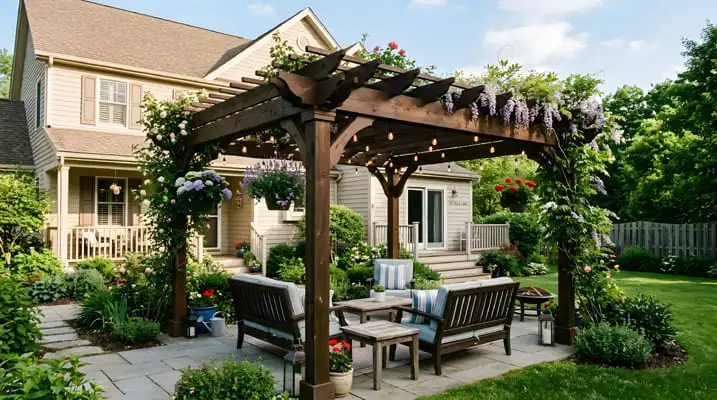
In residential architecture, pergolas serve as transitional spaces that define outdoor living areas and can enhance the home’s facade. Their open design allows for natural light and airflow, creating calming environments that connect indoor and outdoor spaces intentionally.
By choosing a pergola kit, residents gain access to professional-grade materials and design options that respect the proportions and style of their homes, making pergolas a subtle yet powerful architectural feature.
Material Options Available at Construction Stores
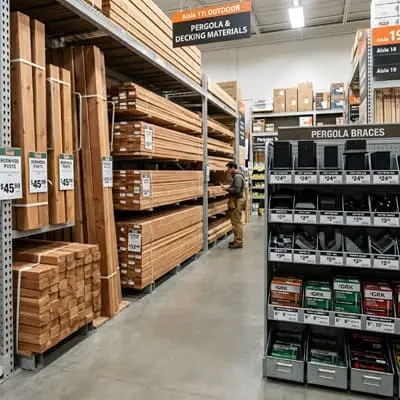
Construction stores typically offer pergola kits made from wood, aluminum, vinyl, and steel. Each material presents unique benefits and challenges in terms of durability, maintenance, and aesthetic compatibility with different architectural styles.
Wooden pergolas provide a natural, warm appearance but require regular upkeep to withstand weathering.
Aluminum and vinyl options are low-maintenance and resistant to rot and insects, ideal for humid or coastal climates. Steel offers high strength and a modern look but may require protective coatings.
Selecting the right material depends largely on the local climate and the architectural character of the residence, ensuring the pergola remains both beautiful and functional over time.
Key Design Principles in Pergola Selection
When selecting a pergola kit, scale and proportion are critical to maintaining architectural harmony. The pergola should complement the home’s lines and materials without overpowering the facade.
The spacing of beams and the style of rafters influence both the amount of shade and the visual rhythm of the structure. Thoughtful integration of pergola design with landscaping and outdoor furniture also enhances usability and aesthetic coherence.
Intentional color choices and finishes further unify the pergola with the home’s exterior palette, creating a cohesive and inviting outdoor environment.
Choosing the Right Pergola Kit for Your Home
Factors to Consider Before Purchase
- Climate conditions and weather patterns
- Material durability and maintenance requirements
- Architectural style of the residence
- Intended use: shade, privacy, or decorative element
- Budget constraints and cost-effectiveness
Evaluating these factors ensures the pergola kit will meet both functional and aesthetic demands. Climate impacts material choice significantly; for instance, vinyl is preferable in wet climates, while wood suits drier regions.
Budget considerations dictate whether premium materials or simpler DIY kits are appropriate, while usage goals influence size and design complexity.
Popular Pergola Styles and Their Appeal
Common styles include traditional, modern, Mediterranean, and rustic pergolas, each bringing distinct architectural expressions. Traditional pergolas offer classic lines and symmetry, suitable for colonial or craftsman homes.
Modern pergolas favor minimalistic forms and materials like metal or composite, blending with contemporary residences. Mediterranean styles incorporate arches and ornate details, while rustic designs emphasize natural wood textures and rugged finishes.
Selecting a style aligned with the home’s character enhances visual integration and user experience in the outdoor space.
Comparing Prefabricated Kits and Custom Builds
| Aspect | Prefabricated Kits | Custom Builds |
|---|---|---|
| Cost | Generally lower and fixed | Higher, variable with design complexity |
| Assembly Time | Quick, often within a weekend | Longer, requiring professional labor |
| Design Flexibility | Limited to kit options | Fully customizable |
While prefabricated kits offer convenience and economy, custom builds allow for precise adaptation to site-specific architectural and landscape conditions, albeit at higher costs and longer timelines.
DIY Installation Techniques for Pergola Kits
Preparation and Planning Steps
- Review and understand assembly instructions thoroughly
- Check local building codes and obtain necessary permits
- Prepare the site by leveling and marking post locations
- Gather all required tools and materials in advance
- Enlist help if needed for handling heavy components
Proper preparation ensures efficient construction and prevents costly mistakes. Compliance with local regulations is crucial to avoid legal issues and ensure structural safety.
Planning includes measuring carefully to align the pergola with existing structures and landscape elements.
Step-by-Step Assembly Process
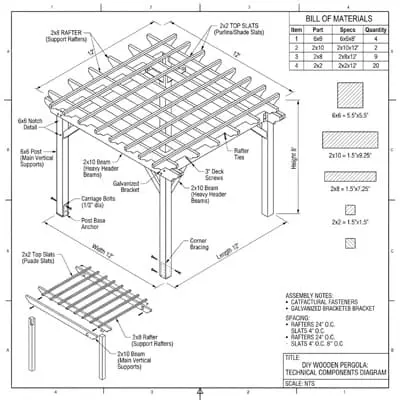
Begin by securing posts firmly into the ground or onto a concrete base, ensuring vertical alignment with a level.
Next, attach beams and rafters sequentially, following manufacturer instructions closely.
Hardware connections should be tightened but not over-torqued to preserve material integrity. Use guides or jigs to maintain consistent spacing and angles during assembly.
Final adjustments include applying protective finishes or sealants to enhance weather resistance and visual appeal.
Common Pitfalls and How to Avoid Them
Common mistakes include inadequate foundation support, improper alignment of posts, and rushing the assembly process. These errors can compromise structural integrity and aesthetics.
To avoid pitfalls, double-check measurements before drilling or fastening, use appropriate tools, and take time to understand the kit components. Weather conditions during installation should also be considered to prevent material damage.
Patience and methodical work are key to successful DIY pergola construction that will stand the test of time.
Material Selection and Climate Considerations
How Climate Influences Material Choice
- High humidity favors rot-resistant materials like vinyl or aluminum
- Dry, sunny climates benefit from natural wood with UV protection
- Windy areas require sturdy anchoring and strong materials like steel
- Snow-prone regions need designs that support weight and shed snow
Climate plays a central role in determining the longevity and maintenance needs of pergola materials. Selecting a material suited to local weather reduces repairs and prolongs the structure’s life.
Understanding the microclimate around your home further refines these choices, ensuring comfort and durability.
Durability and Maintenance of Common Materials
| Material | Durability | Maintenance |
|---|---|---|
| Wood | Moderate; susceptible to rot and insects | Annual sealing or staining recommended |
| Aluminum | High; resistant to rust and corrosion | Minimal; occasional cleaning |
| Vinyl | High; impervious to moisture | Low; wash with soap and water |
Regular upkeep tailored to the material helps maintain structural integrity and appearance. For instance, wood requires protective treatments while vinyl can be easily cleaned with mild detergents.
Eco-Friendly Material Alternatives
Increasingly, sustainable options like reclaimed wood, bamboo composites, and recycled metal are available in construction stores.
These materials reduce environmental impact while offering durability and aesthetic appeal.
Choosing eco-friendly pergola kits aligns with climate-aware design principles, contributing to slower consumption and intentional living practices.
These alternatives often require similar installation techniques but provide the added benefit of supporting green building initiatives.
Integrating Pergolas Into Residential Landscaping
Creating Functional Outdoor Living Spaces
- Align pergola placement with existing patios or decks
- Use pergolas to define dining or lounging zones
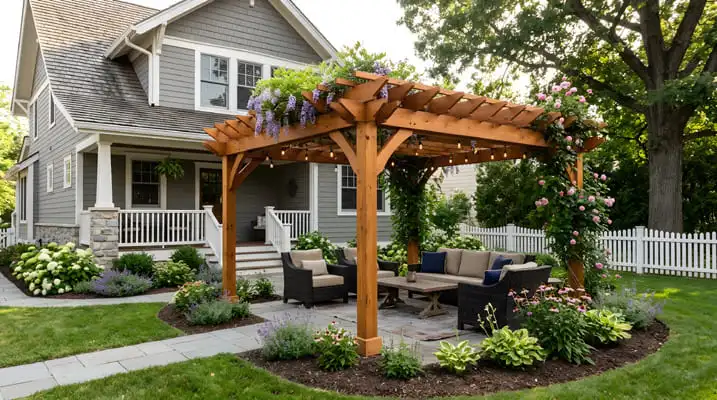
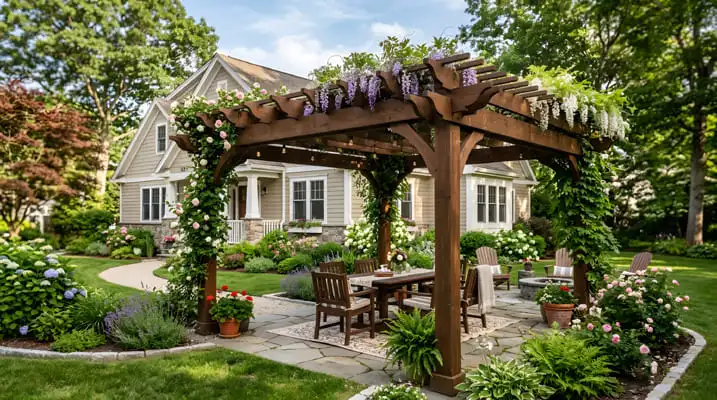
- Incorporate climbing plants for natural shade and ambiance
- Add lighting for evening usability
Thoughtful integration of pergolas enhances the usability of outdoor spaces, encouraging slow, intentional lifestyles. They serve as anchors for social gatherings or peaceful retreats, connecting residents to nature and architecture.
Designers emphasize flow between indoor and outdoor areas to maximize comfort and accessibility.
Architectural Harmony Through Design Choices
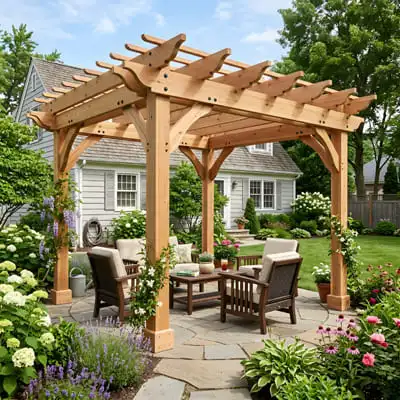
Matching pergola design elements—such as column shape, beam detailing, and color—to the home’s architectural language reinforces coherence. For example, a craftsman-style residence benefits from pergolas with square posts and natural wood finishes.
Textures and materials should complement surrounding hardscape and vegetation to create visual unity. Avoiding overly ornate or clashing styles maintains a calm and intentional aesthetic.
Such harmony supports a slow, human-centered approach to outdoor living architecture.
Seasonal Adaptations and Accessories
Incorporate adjustable shading options like retractable canopies or curtains to adapt pergolas to changing seasons. These features balance sun protection with ventilation, enhancing comfort year-round.
Accessories such as ceiling fans, heaters, or integrated seating further customize pergola functionality according to climate and lifestyle needs.
These thoughtful additions extend the use of outdoor spaces and contribute to an intentional, calm living environment.
Maintenance and Longevity of Pergola Kits
Routine Inspection and Cleaning
- Check joints and fasteners seasonally for stability
- Remove debris and clean surfaces to prevent mold
- Apply protective coatings as recommended by the manufacturer
Regular maintenance is key to extending the lifespan of pergola kits. Inspections identify early signs of wear or damage, allowing timely repairs.
Cleaning prevents deterioration caused by dirt accumulation and biological growth, especially in humid climates.
Repair Techniques for Common Issues
Minor repairs often involve tightening loose hardware, replacing damaged slats, or sanding and resealing wood surfaces. Addressing small cracks or chips promptly prevents escalation.
For metal pergolas, rust spots should be sanded and repainted with rust-inhibiting primers. Vinyl components may require replacement if cracked but generally resist wear well.
Maintaining structural integrity ensures safety and preserves the pergola’s architectural contribution to the residence.
Extending the Life of Your Pergola
| Action | Benefit |
|---|---|
| Regular sealing or painting | Protects wood from moisture and UV damage |
| Prompt repair of hardware | Maintains structural stability |
| Seasonal cleaning | Prevents mold and dirt buildup |
Investing time in maintenance practices fosters durability and preserves the pergola’s aesthetic contribution. This aligns with the slow, intentional approach to residential outdoor architecture.
Pergola kits
Pergola kits available at construction stores provide an accessible way to enrich residential architecture with purposeful, climate-aware outdoor structures. Their thoughtful design and material options empower homeowners to create spaces that blend naturally with their homes and surroundings.
By approaching pergola selection and installation with an emphasis on durability, architectural harmony, and human-centered design, residents can enjoy functional, beautiful outdoor environments that support intentional living. Embrace the DIY process or professional guidance to craft a pergola that complements your home’s character and climate.
Frequently Asked Questions (FAQ)
What Materials Are Best for Pergolas in Humid Climates?
In humid climates, materials like vinyl and aluminum are ideal due to their resistance to moisture, rot, and insects. These low-maintenance options ensure longevity without frequent repairs or treatments, making them practical choices for outdoor structures exposed to high humidity.
Can I Install a Pergola Kit Myself Without Professional Help?
Yes, many pergola kits are designed for DIY installation with clear instructions. However, proper planning, tools, and sometimes an extra pair of hands are essential. Ensure you understand local building codes and safety requirements before beginning.
How Do Pergolas Improve Residential Outdoor Spaces?
Pergolas create defined outdoor zones for relaxation, dining, or gardening, enhancing usability and comfort. They add architectural interest and provide partial shade, linking indoor and outdoor living areas in a harmonious and functional way.
Are Permits Required for Installing a Pergola?
Permit requirements vary by location. Many municipalities require permits for structures over a certain size or height. Check with your local building authority before installation to ensure compliance with regulations and avoid fines.
How Often Should I Maintain My Pergola?
Maintenance frequency depends on material and climate but generally involves seasonal inspections and annual cleaning. Wooden pergolas may require resealing or staining every 1-3 years, while metal or vinyl pergolas need less frequent attention.

Architect with extensive experience in residential and commercial design, including renovations and modular construction. Love to share information about Architecture, home and lifestyle in this blog.