Last updated on September 14th, 2026 at 07:41 pm
Outdoor spaces shape how we experience the world beyond our walls. Far from mere decoration, these areas serve as intentional extensions of our living environments, influencing comfort, social interaction, and even well-being. Among the many elements that craft atmosphere in outdoor spaces, water stands out as a transformative force—one that architects and designers leverage to modulate sensory perception, microclimate, and spatial dynamics.
This article explores how water changes the atmosphere of outdoor spaces, emphasizing residential settings where climate awareness and human-centered design meet architectural rigor. By examining water’s multifaceted role—from sound and sight to temperature regulation—we’ll uncover practical insights for those looking to integrate water thoughtfully into their outdoor environments.
The Essentials of Water in Outdoor Spaces
- Water introduces dynamic sensory elements—sound, movement, and reflection—that enrich outdoor environments beyond static design.
- In residential settings, water features can moderate microclimates by cooling ambient air and increasing humidity, especially in dry or hot regions.
- Strategic placement of water elements influences social behavior, encouraging gathering or quiet contemplation depending on design and scale.
- While water enhances atmosphere, it requires mindful maintenance and consideration of local ecology to avoid unintended consequences like mosquito breeding or excessive water use.
- Architectural integration of water must balance aesthetics, function, and sustainability to create resilient outdoor spaces that serve diverse user needs.
How Water Shapes the Atmosphere of Outdoor Spaces in Residential Design
Water in outdoor areas acts as a catalyst for sensory engagement and microclimate control. Defined technically, water features include fountains, ponds, streams, waterfalls, and reflecting pools—each with specific hydrodynamic and acoustic properties. When incorporated into residential outdoor spaces, these elements alter atmospheric conditions by introducing movement, sound, humidity, and light reflection.
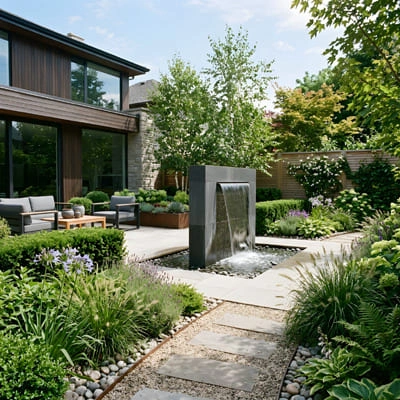
From a practical perspective, water’s presence influences more than just visual appeal. The sound of flowing water masks urban noise pollution, creating auditory privacy and a calming backdrop.
Movement from water surfaces catches sunlight, producing dynamic reflections that animate the environment throughout the day.
In hot climates, evaporative cooling from water surfaces can reduce ambient temperatures by several degrees, enhancing outdoor comfort.
However, the effectiveness of water in shaping atmosphere depends heavily on scale, placement, and context. For example, a small reflecting pool may enhance visual serenity but won’t substantially impact microclimate. Conversely, a large pond or cascading waterfall can deliver significant cooling but requires more space, infrastructure, and maintenance.
“Water transforms outdoor spaces by engaging multiple senses simultaneously, creating an atmosphere that is both vibrant and calming—qualities that static elements rarely achieve on their own.”
Sound, Movement, and Reflection: The Sensory Dimensions of Water
Water’s auditory impact is often the most immediate and profound. Flowing or splashing water introduces white noise that can mask disruptive sounds like traffic or neighbors.
This acoustic buffering increases the perceived privacy and tranquility of outdoor spaces.
Movement in water—ripples, waves, or drops—adds a kinetic dimension that invites observation and interaction.
This subtle animation draws the eye, offering a focal point that encourages mindfulness or social gathering. Reflective water surfaces amplify light and shadow contrasts, contributing to a perceived sense of depth and expansiveness.
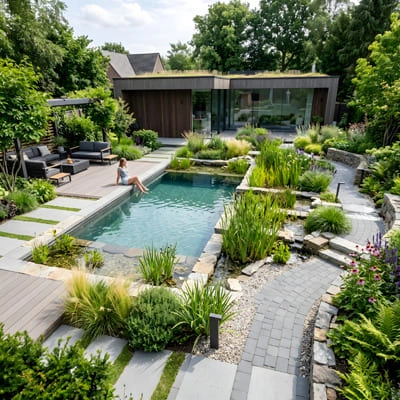
- Sound: Flow rates and water depth determine the volume and tone, from gentle trickles to robust cascades.
- Movement: Wind and water source influence surface patterns, affecting visual texture and sensory engagement.
- Reflection: Water’s mirror-like quality can visually enlarge spaces and enhance natural light distribution.
Designers often exploit these qualities to create outdoor environments that feel immersive and alive, counterbalancing the static nature of built forms. Yet, these sensory benefits come with trade-offs in noise levels and maintenance demands, requiring careful calibration.
Water’s Role in Microclimate Regulation for Outdoor Comfort
Architecturally, microclimate refers to the localized atmospheric conditions influenced by surrounding materials, vegetation, and features like water. Water bodies affect microclimate primarily through evaporation, which cools the air and increases humidity.
This phenomenon is particularly valuable in arid or hot environments where outdoor comfort is a challenge.
Studies conducted by institutions such as the U.S. Environmental Protection Agency demonstrate that outdoor temperatures near water features can be reduced by up to 5°F (about 3°C), resulting in more usable outdoor time during warm months.
Additionally, increased humidity reduces heat stress on the human body by promoting better thermal regulation.
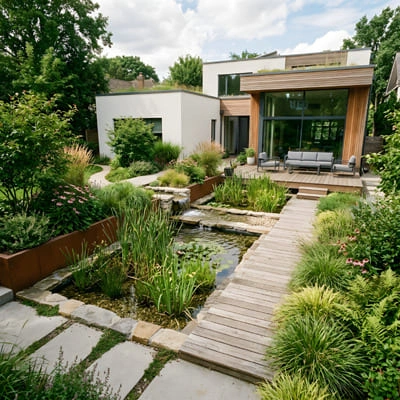
However, water’s microclimate benefits depend on factors like size, exposure to sun and wind, and regional climate. In humid or cool climates, adding water might increase discomfort by raising humidity levels excessively. Therefore, understanding local weather patterns and site conditions is critical when integrating water.
“The cooling effect of water in outdoor spaces is a function of its interaction with sunlight and airflow, making its performance highly context-dependent rather than universally beneficial.”
Social Dynamics Influenced by Water in Outdoor Living Areas
Water features create social cues that shape how people use outdoor spaces. In residential settings, a fountain or pond often becomes a gathering spot or a place for quiet reflection. The scale and design of water elements influence whether the space encourages group interaction or solitude.
For instance, a bubbling fountain near a patio can foster conversation by providing a pleasant acoustic backdrop, while a small, secluded reflecting pool may invite individual contemplation. The placement of seating relative to water also affects social patterns—benches facing a water feature encourage lingering, while water integrated into pathways can guide movement and circulation.
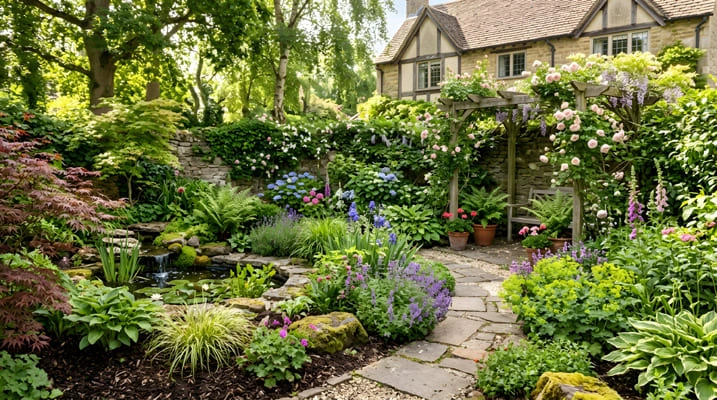
In practice, designers must balance these social effects with practical considerations such as safety, especially in family homes with children, and maintenance accessibility. Integrating lighting with water features extends usability into evening hours while enhancing atmosphere.
Balancing Aesthetics, Sustainability, and Maintenance in Water Feature Design
While water enriches outdoor atmosphere, it demands responsible design to avoid pitfalls. Excessive water use conflicts with sustainability goals, particularly in drought-prone regions. Standing water can become a breeding ground for mosquitoes if not properly circulated or treated.
Modern architectural practice incorporates water recycling systems, rainwater harvesting, and natural filtration to mitigate environmental impact. For example, biofiltration ponds use plants and microbes to keep water clean without chemicals, reducing maintenance and improving ecosystem health.
Regular upkeep is essential to preserve water quality and mechanical function. This includes cleaning pumps, managing algae growth, and winterizing features in colder climates. Neglect often leads to rapid deterioration of atmosphere quality and can create health hazards.
Therefore, the integration of water into outdoor spaces is a commitment that combines aesthetics with engineering and ecological responsibility.
Practical Steps for Implementing Water in Residential Outdoor Spaces
Successful integration of water requires deliberate planning aligned with site conditions and user needs. Start by assessing climate, space availability, and desired sensory effects. Consider these steps:
- Choose the type of water feature that matches the scale and function—fountain, pond, stream, or reflecting pool.
- Position water elements to maximize natural airflow and sunlight for optimal cooling and visual impact.
- Incorporate circulation systems to prevent stagnation and reduce mosquito risk.
- Use native vegetation around water to support biodiversity and natural filtration.
- Plan for maintenance access and seasonal adjustments.
In practice, I have seen residential projects where a modest fountain transformed a small courtyard into a sanctuary, providing cooling relief and a sound buffer against urban noise. Conversely, poorly planned water features led to frequent maintenance headaches and underused spaces.
Ultimately, water’s role in outdoor atmosphere is powerful but nuanced. It demands an integrated approach that respects environmental context, user behavior, and sustainability.
Frequently Asked Questions (FAQ)
How Does Water Help Cool Outdoor Spaces?
Water cools outdoor areas primarily through evaporation, which absorbs heat from the surrounding air. This process increases humidity and lowers ambient temperature, especially effective in hot, dry climates. However, the cooling effect depends on factors such as the size of the water body, exposure to wind and sun, and local climate. In some humid regions, added moisture may reduce comfort rather than improve it.
What Types of Water Features Are Best for Small Residential Outdoor Spaces?
For limited spaces, small-scale features like wall fountains, reflecting pools, or bubbling bowls work well. These provide sensory benefits such as sound and reflection without requiring extensive space or complex infrastructure. Choosing features with recirculating pumps helps maintain water quality and reduces water consumption.
Are There Sustainability Concerns When Adding Water to Outdoor Environments?
Yes, sustainability is a key consideration. Water features can consume significant amounts of water and energy if not designed carefully. Using recirculation systems, rainwater harvesting, and native plants for natural filtration helps reduce environmental impact. Selecting appropriate features for the local climate also prevents waste and ecological disruption.
How Does Water Influence Social Interaction in Outdoor Spaces?
Water features create focal points that encourage gathering or promote solitude, depending on design. Flowing water can mask noise and foster a relaxed atmosphere conducive to conversation, while still pools invite reflection. Placement of seating and pathways around water also guides social behavior and movement within the space.
What Maintenance Challenges Come with Outdoor Water Features?
Maintenance involves preventing algae growth, cleaning pumps and filters, and managing water quality to avoid stagnation and pests like mosquitoes. Seasonal climate changes require adjustments such as winterizing equipment. Neglecting maintenance can lead to unpleasant odors, mechanical failure, and degraded atmosphere quality.

Architect with extensive experience in residential and commercial design, including renovations and modular construction. Love to share information about Architecture, home and lifestyle in this blog.