Last updated on September 18th, 2026 at 02:22 pm
In the realm of architecture and design, the ability to compare different countries and design ideas offers invaluable insight into how diverse cultural, climatic, and social factors shape the built environment. Understanding these variations is essential for architects and designers aiming to create spaces that are not only functional but also resonate with the people who inhabit them. By examining global approaches, professionals can develop innovative, climate-aware, and human-centered solutions that transcend local limitations.
Comparing different countries, design ideas reveals unique architectural responses to climate, material availability, and cultural traditions. This comparative analysis opens opportunities to adapt and refine design strategies that prioritize sustainability, intentionality, and calm living environments. It also highlights the nuanced balance between international influences and local grounding, fostering designs that feel authentic and mindful of everyday life.
This article explores the complexities of comparing different countries, design ideas through an architectural lens. We will dive into cultural contrasts, material innovations, climatic adaptations, and human-centered design principles that inform thoughtful, slow architecture. This comprehensive approach equips readers with a deeper understanding to apply these insights meaningfully in their own design practices.
Global Perspectives on Comparing Different Countries, Design Ideas
Cultural Influences Shaping Architectural Identity
Culture profoundly influences design ideas across countries, reflecting historical narratives, social values, and communal lifestyles. In many Asian countries, for example, design emphasizes harmony with nature, integrating indoor and outdoor spaces fluidly. Conversely, Scandinavian architecture often prioritizes minimalism and functionality, driven by long winters and limited daylight.
These cultural distinctions impact material choices, spatial organization, and aesthetic priorities. Understanding these subtleties fosters design ideas that respect local traditions while incorporating international innovations.
Such awareness is crucial for architects working internationally or in multicultural contexts, enabling them to create spaces that feel authentic and grounded.
Climate-Responsive Design Strategies Worldwide
Climate is a decisive factor in shaping architecture, dictating how buildings perform and how people inhabit spaces. In tropical regions, design ideas focus on maximizing ventilation and shade to combat heat and humidity. In contrast, colder climates prioritize insulation and sunlight capture to maintain warmth.

Innovations such as green roofs, passive solar design, and thermal mass utilization vary globally, reflecting each region’s environmental challenges. These strategies illustrate the importance of climate-aware design in creating resilient and comfortable living environments.
By comparing these approaches, architects can blend successful techniques from different countries to enhance building performance sustainably.
Material Selection and Its Impact on Design Expression
Material availability and cultural preferences influence design ideas uniquely across countries. In Japan, timber is revered for its craftsmanship and connection to nature, while in the Middle East, stone and concrete reflect durability and thermal mass benefits. These choices affect not only aesthetics but also building longevity and ecological footprint.
Material innovation, such as recycled composites or local earth-based products, further diversifies design possibilities internationally. Understanding these materials’ properties and cultural significance enriches architectural expression.
This knowledge equips architects to select materials that align with both environmental goals and user experience, fostering designs that are intentional and human-centered.

Architectural Typologies: Comparing Different Countries, Design Ideas in Housing
Common Residential Forms Across Regions
- Courtyard houses popular in Mediterranean and Middle Eastern climates encourage natural ventilation and privacy.
- Compact urban apartments dominate in densely populated Asian cities, emphasizing efficient use of space.
- Detached single-family homes in North America and Australia prioritize outdoor space and privacy.
- Terraced housing in European countries balances density with community connectivity.
- Traditional vernacular homes often incorporate locally sourced materials and passive design principles.
Each typology reflects a balance between cultural identity, climate, and lifestyle, offering a rich tapestry to compare and learn from.
Adapting Traditional Designs for Modern Needs
Many countries face the challenge of integrating traditional architectural elements with contemporary lifestyles. For instance, Japanese machiya townhouses are being retrofitted to include modern amenities while preserving their historic character. Similarly, Indian haveli homes incorporate sustainable features such as courtyards and thick walls but adapt to current living standards.
This synthesis between old and new enhances both cultural continuity and functional performance, demonstrating how design ideas evolve globally.
Architects must carefully consider these adaptations to maintain authenticity and meet modern expectations.
Cost Implications of Housing Designs Worldwide
| Country | Average Construction Cost (per sq. ft.) | Common Housing Type |
|---|---|---|
| USA | $150 – $250 | Detached single-family home |
| Japan | $200 – $300 | Compact urban apartment |
| Germany | $130 – $220 | Terraced housing |
| India | $40 – $100 | Traditional courtyard house |
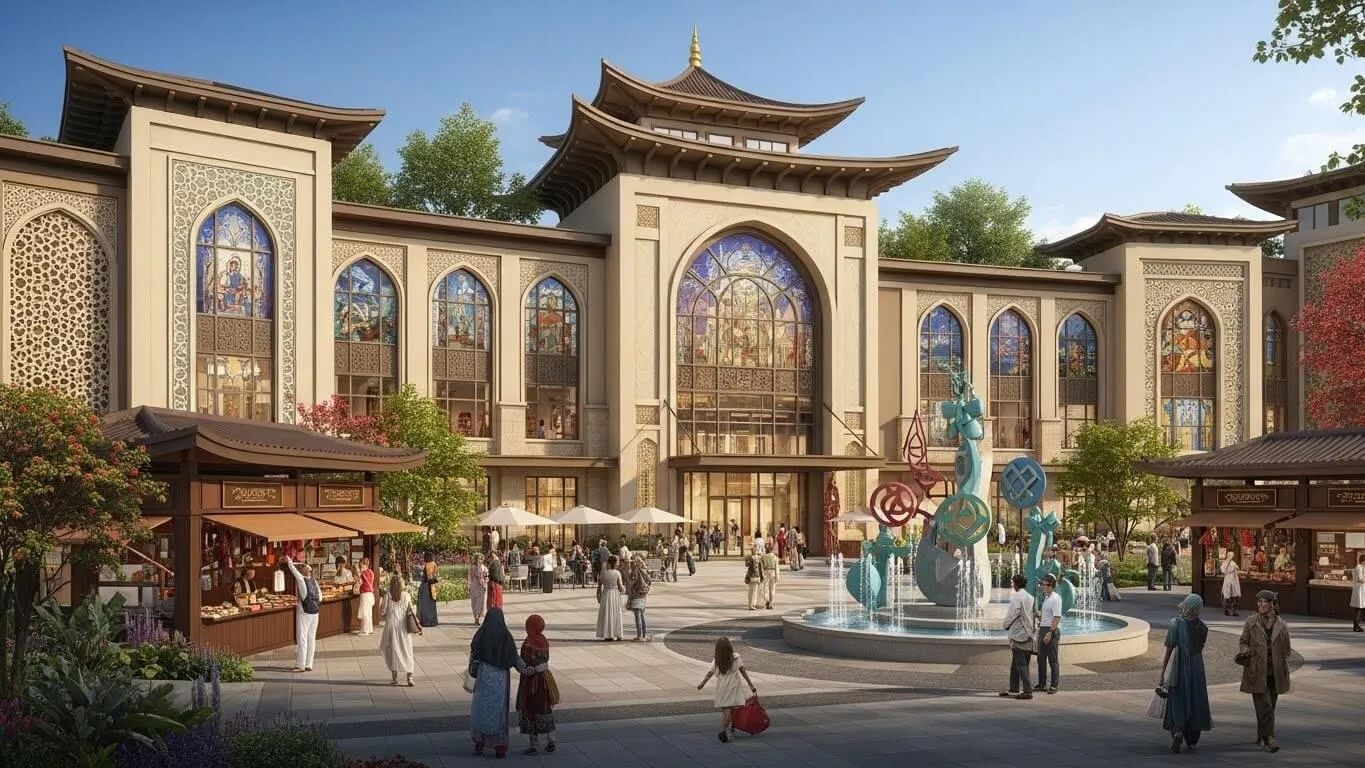
These figures reflect how local economies, materials, and labor costs influence housing affordability and design choices worldwide.
Innovative Design Ideas in Public Spaces Across Countries
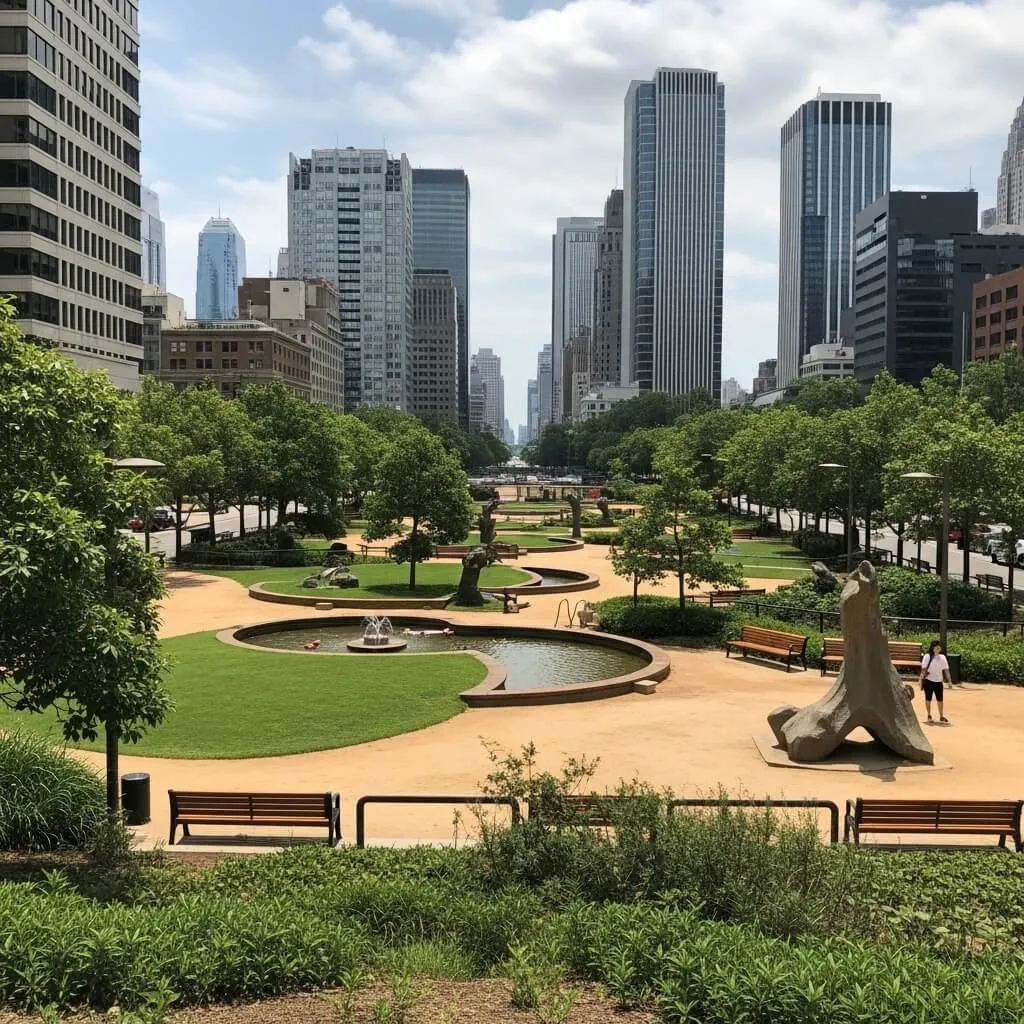
Urban Parks and Green Spaces
- Singapore’s Gardens by the Bay merges technology with nature, creating climate-controlled conservatories.
- New York’s High Line repurposes elevated rail tracks into linear parks fostering community engagement.
- Copenhagen prioritizes bicycle-friendly green corridors to connect neighborhoods sustainably.
- Barcelona integrates plazas and shaded walkways promoting social interaction and climate comfort.
- Seoul’s Cheonggyecheon Stream restoration revitalizes urban ecology and pedestrian spaces.
These examples showcase diverse design ideas that enhance urban life while responding to local culture and climate.
Community-Centered Design Principles
Public spaces globally increasingly focus on inclusivity and accessibility, ensuring that design ideas meet diverse user needs. Scandinavian countries emphasize universal design, removing barriers for all ages and abilities.
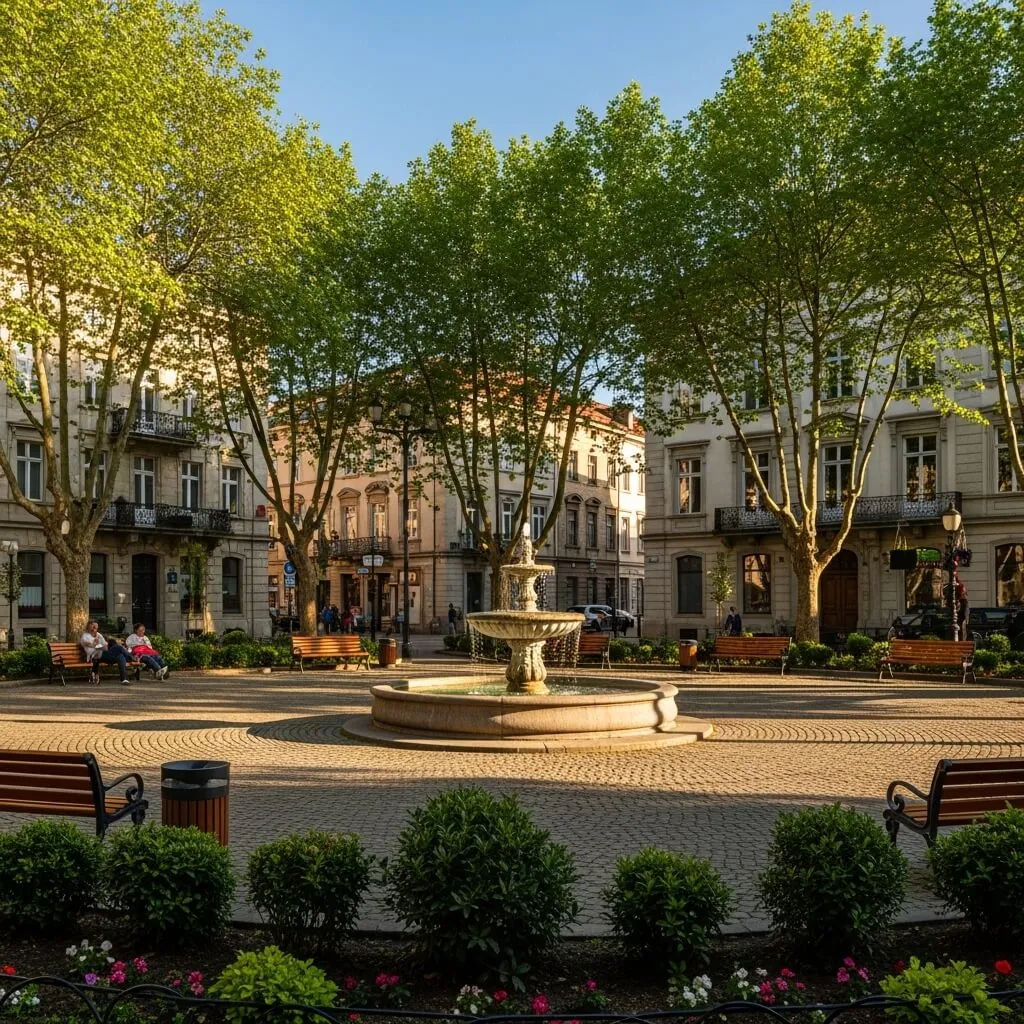
Latin American plazas often serve as vibrant social hubs, blending cultural traditions with modern amenities. Incorporating local art, flexible seating, and natural elements fosters a sense of belonging and well-being.
This human-centered approach aligns with architectural goals of creating calm, intentional environments that support slow living and meaningful interactions.
Designers must balance functionality with cultural expression to achieve these outcomes.
Technological Integration in Public Design
Smart technology is increasingly embedded in public spaces worldwide to enhance user experience and sustainability. Examples include adaptive lighting systems in European parks that reduce energy use and interactive installations in Asian urban plazas encouraging community participation. These innovations allow spaces to respond dynamically to environmental conditions and user behavior.
However, maintaining a calm and intentional atmosphere requires careful integration that does not overwhelm or distract.
Successful design ideas harmonize technology with natural and cultural contexts, supporting well-being and engagement.
Sustainable Materials and Techniques: A Global Comparison
Use of Local and Renewable Materials
- Bamboo in Southeast Asia offers rapid renewability and structural strength.
- Rammed earth construction in parts of Africa and Australia provides thermal mass and low embodied energy.
- Recycled concrete and steel are gaining traction in Europe and North America for circular economy goals.
- Straw bale insulation is popular in rural areas worldwide for its natural insulation properties.
Local sourcing reduces transportation emissions and preserves cultural aesthetics, while renewable materials contribute to resilient design.
Innovative Climate-Adaptive Techniques
Global design ideas increasingly incorporate passive solar heating, natural ventilation, and water harvesting tailored to local climates.
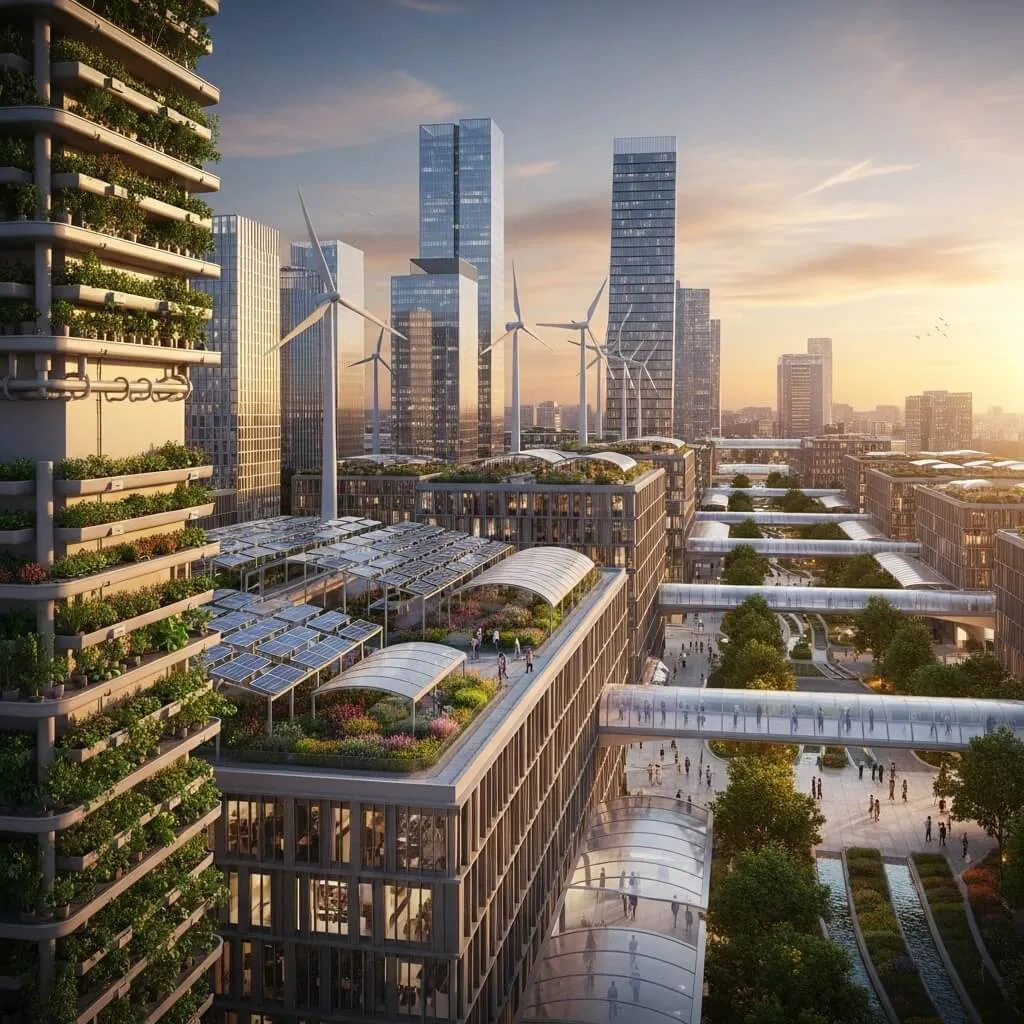
Middle Eastern architecture utilizes wind towers and thick walls to cool interiors, while Nordic countries maximize daylight and thermal insulation. These techniques demonstrate a deep understanding of climate-responsive design that reduces energy consumption.
Adopting such strategies internationally fosters sustainable building practices that align with environmental imperatives.
Architects benefit from studying these methods to integrate slow, intentional design philosophies.
Comparative Analysis of Material Lifecycles
| Material | Typical Lifespan (Years) | Environmental Impact |
|---|---|---|
| Bamboo | 20-40 | Low carbon footprint, renewable |
| Concrete | 50-100 | High embodied energy, recyclable |
| Timber | 30-80 | Carbon sequestering, biodegradable |
| Rammed Earth | 100+ | Very low impact, natural materials |
Understanding material lifecycles helps architects make informed decisions that balance durability with ecological responsibility.
Human-Centered Design Approaches Across Cultures
Designing for Everyday Life and Well-being
- In Japan, small yet efficient spaces support mindfulness and multifunctionality.
- Nordic countries emphasize daylight access to improve mental health during dark winters.
- Latin American homes often incorporate communal spaces fostering family interaction.
- African design frequently includes outdoor living areas connecting inhabitants with nature.
These approaches highlight the value of intentional design that prioritizes human comfort, social connection, and slow living.
Accessibility and Inclusivity in Global Contexts
Design ideas increasingly recognize diverse user needs, including mobility, age, and sensory considerations.
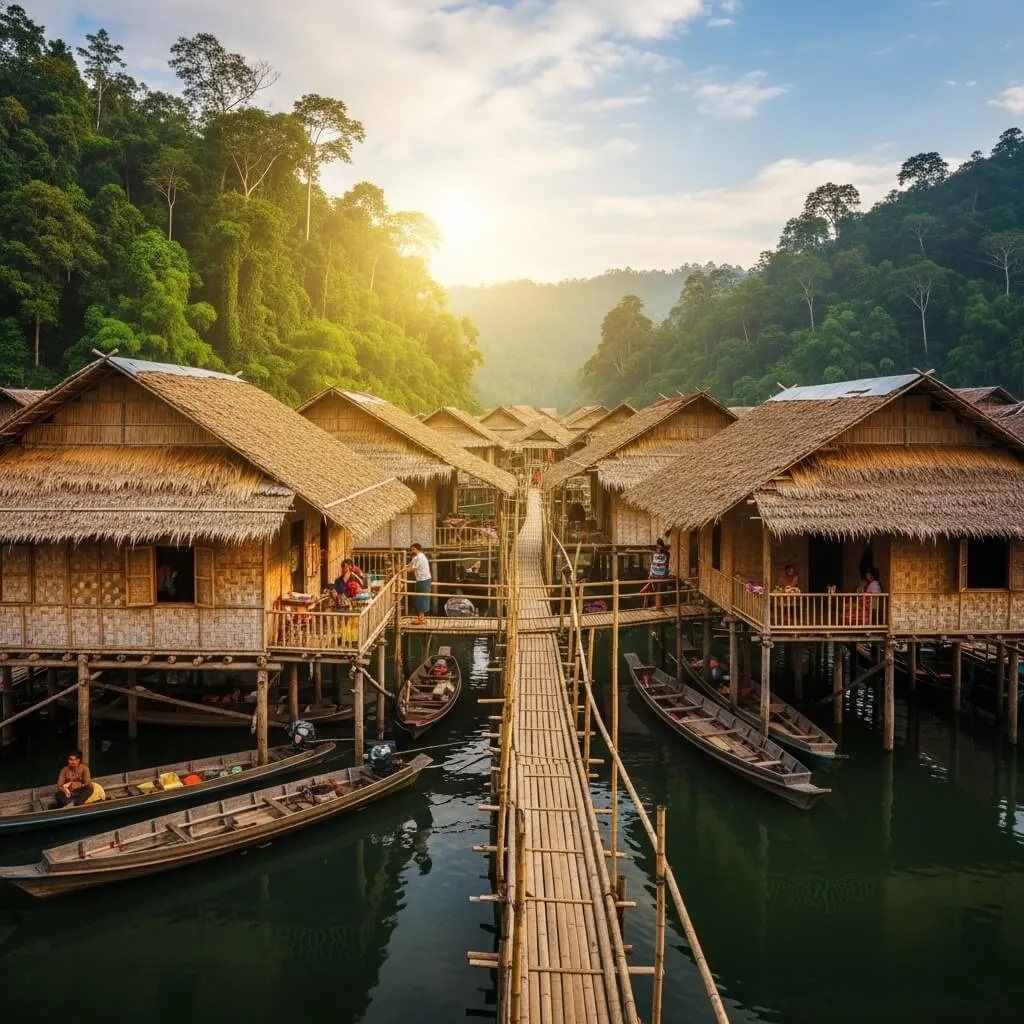
Countries with strong universal design policies incorporate ramps, tactile surfaces, and adaptable furnishings. In emerging economies, inclusive design also accounts for informal living patterns and shared resources.
This inclusive mindset supports equitable access to quality environments, essential for sustainable communities.
Architects must consider local demographics and cultural norms to implement effective human-centered solutions.
Balancing Privacy and Community in Residential Design
Privacy expectations vary globally, influencing spatial layouts and design elements.
For example, Middle Eastern homes often use high walls and enclosed courtyards to ensure seclusion, while Scandinavian designs favor openness and transparency to foster community. Achieving the right balance enhances occupant satisfaction and social cohesion.
Architects can draw from these contrasts to tailor designs that respect personal boundaries without compromising connectivity.
This nuanced understanding enriches the human-centered dimension of architecture.
Technological Innovations Influencing Design Ideas Internationally
Digital Tools Enhancing Design Collaboration
Globalization and technology have transformed how architects compare different countries, design ideas, enabling real-time collaboration across borders. Tools such as Building Information Modeling (BIM) and virtual reality allow teams to visualize and refine designs considering diverse cultural and climatic contexts. This integration accelerates decision-making while maintaining design integrity.
Such innovations support intentionality by providing clearer insights into human experience and environmental performance.
They empower architects to create calm, purposeful spaces through precise planning and communication.
Smart Building Technologies for Climate Adaptation
Smart sensors, automated shading, and energy management systems are increasingly embedded in buildings worldwide to optimize comfort and reduce environmental impact.
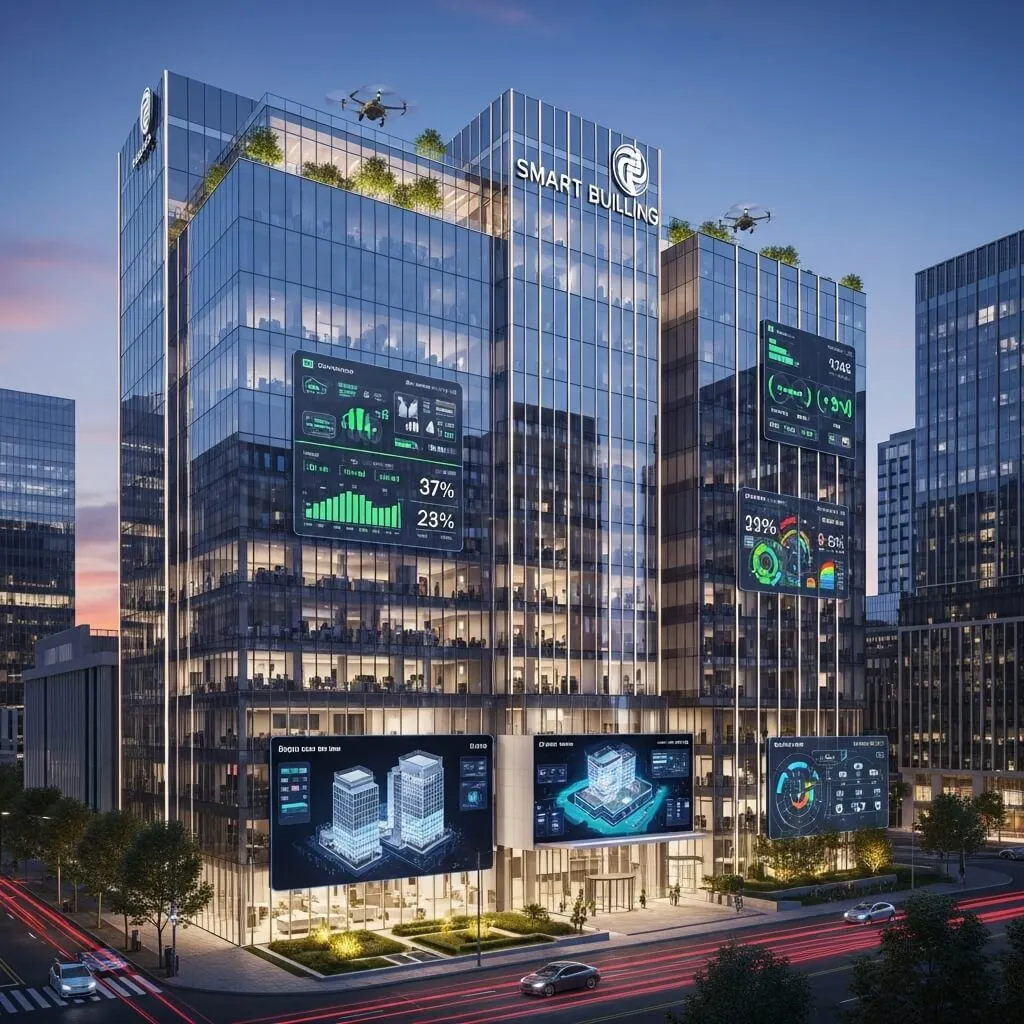
In hot climates, adaptive facades adjust to sunlight intensity, while in colder regions, smart heating systems improve efficiency. These technologies complement traditional design ideas by enhancing building responsiveness.
Successful integration respects architectural aesthetics and user experience, ensuring technology supports rather than dominates.
This balance reflects a slow, intentional design philosophy.
Prefabrication and Modular Construction Trends
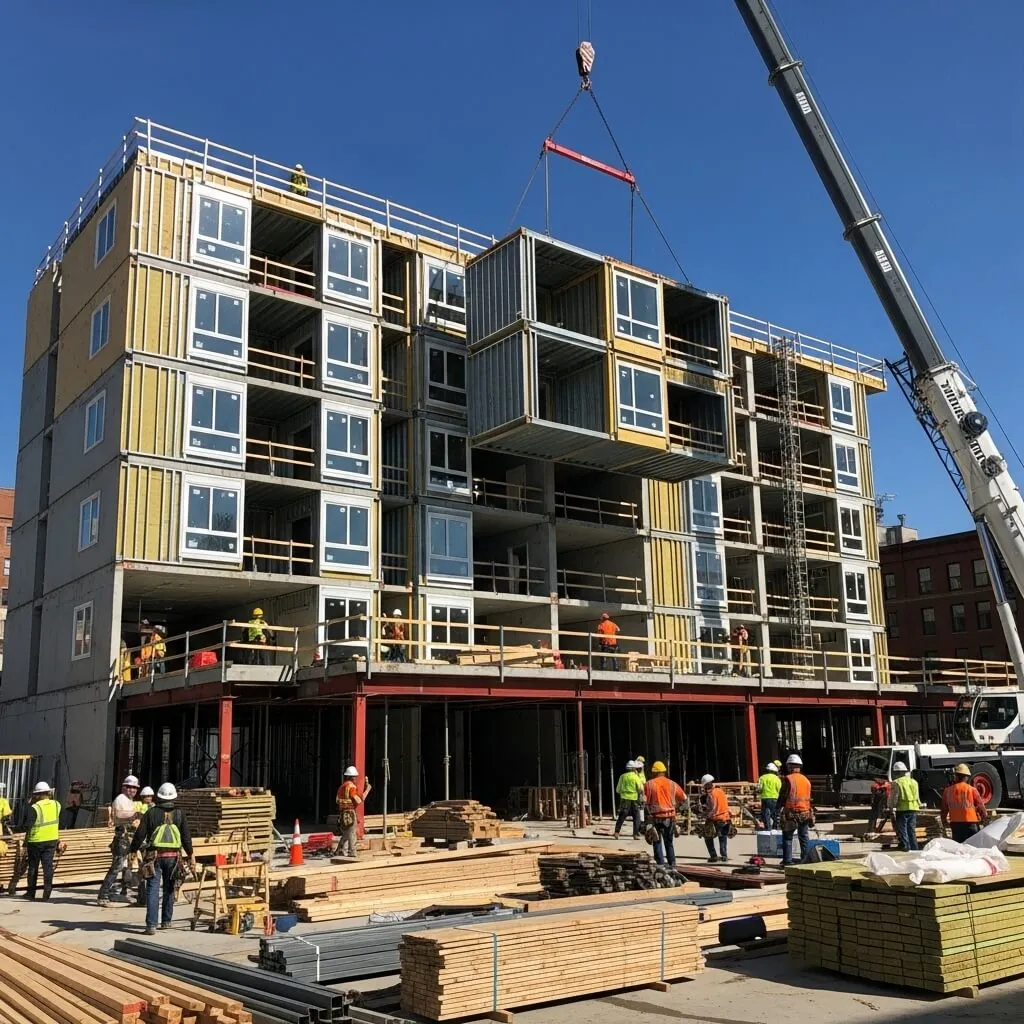
Prefabrication techniques are gaining international traction for their efficiency, cost-effectiveness, and reduced waste. Countries like Sweden and Japan lead in modular construction, enabling rapid assembly without sacrificing quality or design sophistication.
These methods allow architects to experiment with diverse design ideas while ensuring consistent performance.
Prefabrication supports sustainable practices by minimizing site disruption and optimizing material use.
It also aligns with the goal of creating calm, human-centered environments through thoughtful design planning.
Economic and Policy Factors Affecting Design Ideas Globally
Government Incentives for Sustainable Architecture
- Tax credits for green building certifications in the US and Canada encourage eco-friendly design.
- Renewable energy mandates in the EU drive integration of solar and wind in buildings.
- Subsidies for low-income housing in Brazil influence affordable, climate-responsive design.
- Regulations on material sourcing in Australia promote local sustainability.
- Urban development policies in China prioritize high-density, transit-oriented design.
These policies shape how architects approach design ideas with sustainability and social responsibility in mind.
Cost-Benefit Analysis of Design Strategies
| Design Strategy | Initial Cost Impact | Long-Term Benefits |
|---|---|---|
| Passive Solar Design | Moderate | Reduced energy use, improved comfort |
| Green Roofs | High | Stormwater management, insulation |
| Modular Construction | Variable | Faster build time, less waste |
| Local Material Use | Low to moderate | Lower emissions, cultural relevance |
Understanding these economic factors helps prioritize design ideas that balance cost-effectiveness with environmental and social impact.
Impact of Globalization on Architectural Trends
Globalization facilitates the exchange of design ideas across countries, leading to hybrid architectural styles that blend tradition and modernity.
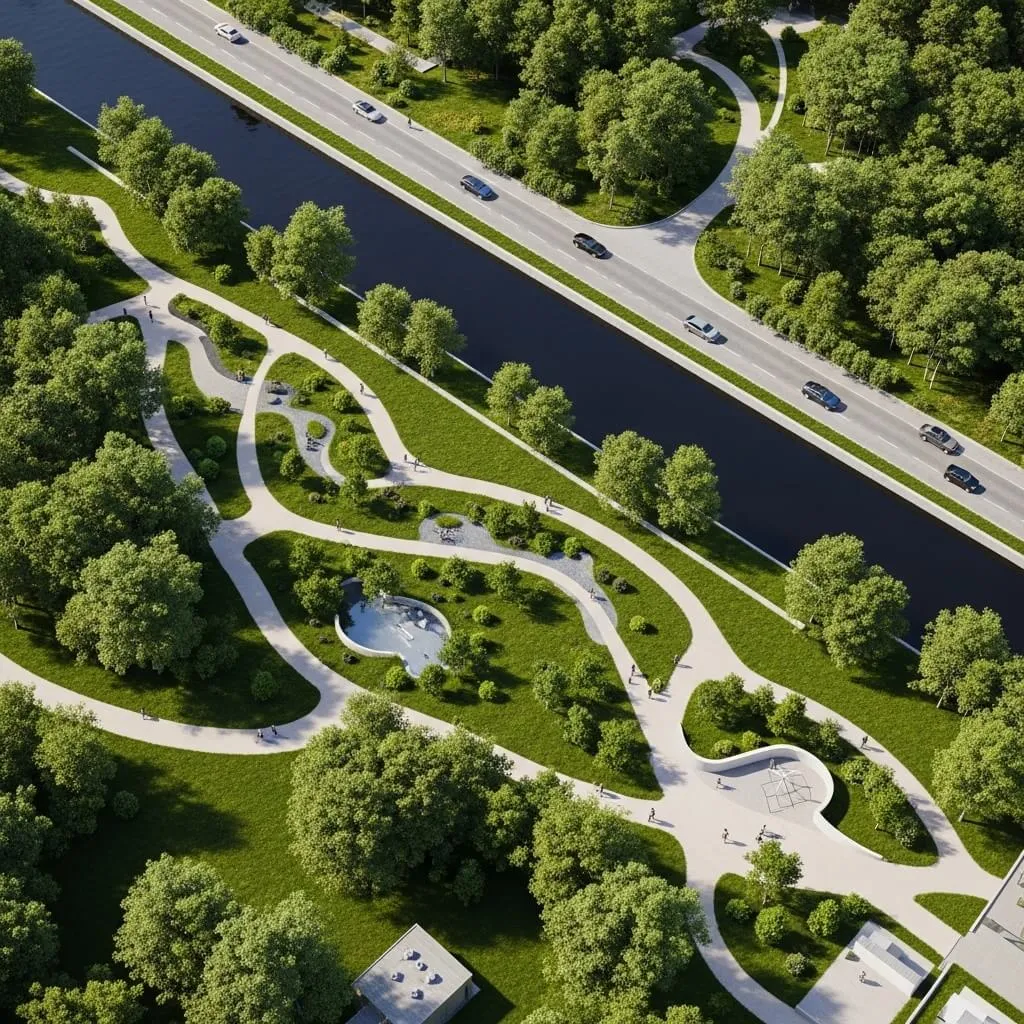
While this can enrich local design vocabularies, it also risks homogenization if not grounded in cultural context. Architects must navigate this tension carefully, ensuring that international influences enhance rather than erase local identity.
Intentional, slow design practices advocate for thoughtful integration that honors human experience and place.
This approach promotes resilient architecture that is both globally informed and locally meaningful.
Design ideas
Comparing different countries, design ideas reveals a rich spectrum of architectural responses shaped by culture, climate, technology, and economics. This global perspective empowers architects to adopt climate-aware, human-centered, and intentional design strategies that respect local context while embracing innovation.
By integrating these insights thoughtfully, professionals can create calm, sustainable environments that foster well-being and reflect the realities of everyday life. Embracing this comparative approach is essential for advancing architectural quality and resilience in an interconnected world.
Frequently Asked Questions (FAQ)
What Are the Main Benefits of Comparing Design Ideas from Different Countries?
Comparing design ideas from different countries broadens architectural understanding by showcasing diverse cultural, climatic, and material approaches. This fosters innovation, sustainability, and human-centered design by adapting successful strategies globally, enriching local practices and improving user experience.
How Does Climate Influence Architectural Design Across Countries?
Climate shapes building orientation, materials, ventilation, and insulation strategies worldwide. Architects design to optimize comfort and energy efficiency, such as passive cooling in tropical zones or maximizing daylight and heat retention in colder regions, reflecting climate-aware practices.
Why is Human-centered Design Important in International Architecture?
Human-centered design prioritizes occupant well-being, accessibility, and social connection, which vary culturally. Understanding these differences ensures that architectural solutions support diverse lifestyles, promote inclusivity, and create meaningful, calm environments globally.
How Do Economic Factors Affect Design Ideas Internationally?
Economic conditions, policies, and incentives influence material choices, construction methods, and sustainability goals. Architects must balance cost constraints with long-term benefits, such as energy savings and durability, to develop feasible and responsible design solutions worldwide.
What Role Does Technology Play in Comparing Design Ideas Globally?
Technology enables architects to collaborate internationally, simulate environmental performance, and integrate smart building systems. These tools enhance the precision and adaptability of design ideas, allowing for climate-responsive, intentional architecture that respects cultural contexts.

Architect with extensive experience in residential and commercial design, including renovations and modular construction. Love to share information about Architecture, home and lifestyle in this blog.