Last updated on September 14th, 2026 at 08:07 pm
Lemongrass is a versatile and fragrant herb widely appreciated for its culinary, medicinal, and aromatic properties. Understanding the different types of lemongrass is essential for warm climate homes, where the plant thrives and contributes to sustainable landscaping and natural pest control. This article explores the diverse varieties of lemongrass, providing insights into their care and uses in residential settings.
Warm climate homes offer an ideal environment for growing lemongrass, but selecting the right type and understanding its specific requirements can significantly impact its health and longevity. From soil preferences to watering routines, each variety demands particular attention to flourish. This knowledge can transform your garden into a resilient, climate-adaptive space.
In the following sections, you will discover detailed information on the types of lemongrass, how to cultivate them effectively, and best practices for integrating this herb into your home landscape. The article is designed to guide homeowners with a focus on climate responsiveness and practical, human-centered design.
Exploring Varieties of Lemongrass for Residential Gardens
Common Types of Lemongrass and Their Characteristics
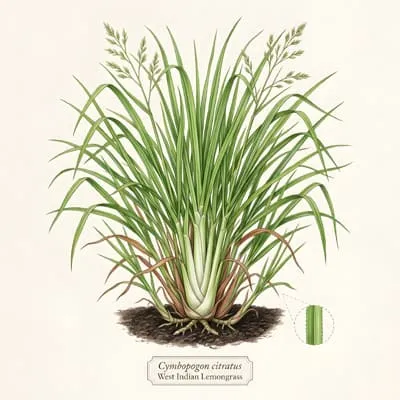
Lemongrass generally falls into two primary categories: East Indian lemongrass (Cymbopogon flexuosus) and West Indian lemongrass (Cymbopogon citratus). The East Indian variety is more fibrous and commonly used in perfumery and industrial applications, while West Indian lemongrass is favored for culinary and medicinal purposes due to its softer, more aromatic leaves. Both types adapt well to warm climates but differ slightly in height, leaf thickness, and essential oil content.
Understanding these differences helps homeowners select the appropriate lemongrass for their intended use, whether for cooking, landscaping, or natural remedies. These varieties can also vary in growth rate and drought tolerance, critical factors in sustainable garden planning.
By choosing the right lemongrass variety, you ensure better integration into your home environment, enhancing the garden’s aesthetic and functional value while contributing to a climate-aware landscape.
Hybrid and Lesser-Known Lemongrass Types
Beyond the two main varieties, hybrid lemongrass types have been developed to combine desirable traits like enhanced aroma, cold tolerance, and pest resistance. These hybrids offer exciting options for gardeners in marginal climates or those seeking specific qualities for commercial or personal use.
Some lesser-known species, such as Cymbopogon schoenanthus, are valued for their potent essential oils and can be cultivated in warm climates with careful attention. While less common, these types provide diversity and resilience to the garden ecosystem.
Incorporating hybrids and rarer species into your garden requires understanding their unique needs, including soil composition and watering frequency, ensuring they complement existing plants harmoniously.
Visual and Aromatic Differences Across Types
Lemongrass varieties differ not only botanically but also visually and aromatically. For example, West Indian lemongrass typically exhibits broader, greener leaves with a strong lemon scent, ideal for culinary applications. East Indian lemongrass may have thinner leaves with a more subtle fragrance, suited for essential oil extraction.
These sensory differences impact how homeowners might use the plants in their daily lives, whether in cooking, teas, or as natural air fresheners. Recognizing these traits allows for intentional planting decisions that align with personal preferences and climate conditions.
Considering the aesthetic and aromatic qualities of each type ensures that your lemongrass serves both functional and sensory roles in your home garden, enriching the living experience.
Optimal Growing Conditions for Different Types of Lemongrass
Soil Preferences for Lemongrass Varieties
- Well-draining sandy loam soil is ideal for most lemongrass types.
- Soil pH should range between 5.0 and 8.4 for optimal growth.
- Amend soil with organic matter to improve moisture retention.
- Avoid heavy clay soils that retain water excessively.
- Ensure soil is fertile to support vigorous leaf growth.
Different types of lemongrass thrive best in soils that balance drainage and nutrient availability. For warm climate homes, sandy loam enriched with compost offers the ideal substrate, promoting healthy root systems and preventing root rot. Adjusting soil composition to meet these conditions supports sustainable growth and long-term plant vigor.
Regular soil testing and amendment help maintain the balance necessary for lemongrass varieties, ensuring they can resist stressors typical of residential gardens, such as inconsistent watering or temperature fluctuations.
Climate Adaptability of Lemongrass Types
Warm climates provide a near-perfect habitat for most lemongrass species, but subtle differences exist in their temperature tolerances. West Indian lemongrass prefers consistently warm, frost-free environments and can tolerate high humidity.

East Indian lemongrass is slightly more drought tolerant and can manage short periods of cooler temperatures.
Understanding these nuances allows homeowners to position their lemongrass beds or containers in microclimates that maximize growth potential. For example, planting near south-facing walls can offer additional warmth during cooler nights.
Climate adaptability also influences pest and disease resistance, making it essential to select the type that aligns with local weather patterns and seasonal variations for optimal performance.
Watering and Humidity Requirements
Lemongrass generally requires regular watering to maintain moist but not waterlogged soil. West Indian lemongrass demands more consistent moisture, especially during hot, dry spells, while East Indian lemongrass tolerates occasional drought better.
High humidity complements lemongrass growth, aiding in leaf turgidity and essential oil production. However, overly wet conditions can promote fungal diseases, necessitating careful irrigation management.
Implementing drip irrigation or soaker hoses can improve watering efficiency and reduce water waste, contributing to climate-smart gardening practices in warm residential environments.
| Type of Lemongrass | Soil Preference | Watering Needs |
|---|---|---|
| West Indian (C. citratus) | Well-draining, fertile, sandy loam | Regular, consistent moisture |
| East Indian (C. flexuosus) | Loamy, slightly drier soils | Moderate, drought tolerant |
| Hybrid Varieties | Varies; often adaptable | Depends on hybrid traits |
Propagation Techniques for Varied Lemongrass Species
Division and Transplanting Methods
- Divide mature clumps in early spring for best results.
- Use sharp, clean tools to separate rhizomes carefully.
- Transplant divisions into well-prepared soil with adequate spacing.
- Water thoroughly after transplanting to reduce shock.
Division remains the most reliable propagation method for lemongrass, especially for home gardeners aiming to expand their plantings. This technique preserves the genetic integrity of the original plant and ensures vigorous new growth. Proper timing and gentle handling minimize transplant stress and promote quick establishment.
Spacing divisions appropriately enhances air circulation and reduces competition, promoting healthier, more resilient plants suited to warm climate gardens.
Seed Propagation and Its Challenges
Lemongrass seeds are generally less viable and slower to establish compared to division. Seed propagation can be useful for developing new varieties or hybrids but requires patience and controlled conditions. Seeds need warm soil and consistent moisture to germinate, often taking several weeks.
Home gardeners may find seed propagation challenging due to these requirements and the risk of low germination rates. However, it offers a way to experiment with genetic diversity and select plants with specific traits.
Combining seed starting with greenhouse or indoor environments can improve success rates before transplanting outdoors.
Layering and Other Propagation Approaches
Layering is an alternative propagation method where a stem is bent to the ground and covered with soil to encourage root formation. While less common for lemongrass, it can be effective for certain hybrids or less vigorous varieties. This method requires time and careful monitoring to ensure root development.
Other techniques, such as tissue culture, are primarily used in commercial settings and are less accessible for residential gardeners. Nonetheless, understanding these options broadens the perspective on lemongrass cultivation and innovation.
Choosing the right propagation technique depends on the gardener’s goals, resources, and the specific lemongrass type.
Maintenance Practices Tailored to Lemongrass Types
Pruning and Harvesting Strategies
- Regularly trim leaves to encourage bushier growth and prevent legginess.
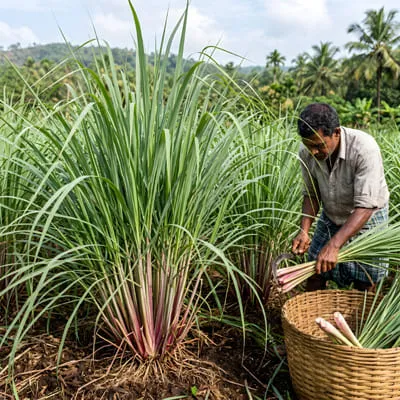
- Harvest leaves by cutting near the base, avoiding overharvesting.
- Prune dead or damaged foliage promptly to maintain plant health.
- Time harvests to maximize oil content and flavor, typically before flowering.
Maintenance revolves around balancing growth and harvesting to sustain healthy plants. Different lemongrass types may require adjusted pruning frequency based on growth rates and leaf toughness. Proper harvesting stimulates renewal and prolongs the plant’s productive lifespan.
In warm climates, pruning also helps manage plant size and airflow, reducing disease incidence and enhancing garden aesthetics.
Fertilization and Nutrient Management
Lemongrass benefits from balanced fertilization, particularly nitrogen-rich formulas that promote lush foliage. Organic options like compost tea or fish emulsion support soil health and reduce chemical inputs, aligning with sustainable gardening principles.
Different types of lemongrass may have varying nutrient uptake rates; monitoring growth and leaf color can guide tailored fertilization schedules. Over-fertilization should be avoided to prevent excessive leaf growth at the expense of essential oil quality.
Integrating mulching practices helps retain soil moisture and slowly release nutrients, complementing fertilization efforts effectively.
Pest and Disease Management Specific to Lemongrass
Lemongrass is generally pest-resistant, but warm climates can expose plants to aphids, spider mites, and fungal diseases such as rust or leaf blight. Each variety may show different sensitivity levels; hybrids often offer improved resistance.
Regular inspection and good cultural practices, including proper spacing and watering, minimize outbreak risks. Introducing beneficial insects like ladybugs can provide natural pest control without chemicals.
Applying organic fungicides or neem oil early at signs of disease can contain spread and preserve plant health, ensuring sustainable maintenance in residential gardens.
| Maintenance Aspect | West Indian Lemongrass | East Indian Lemongrass |
|---|---|---|
| Pruning Frequency | Monthly during growing season | Every 6 weeks |
| Fertilization Type | Organic nitrogen-rich | Balanced NPK |
| Pest Susceptibility | Moderate (aphids, mites) | Low |
Designing Lemongrass Landscapes in Warm Climate Homes
Integrating Lemongrass Into Climate-Responsive Gardens
Lemongrass serves as a functional and aesthetic component in climate-responsive garden design. Its drought tolerance and pest-repellent properties reduce water and chemical usage, supporting environmentally responsible landscaping..
Placing lemongrass in buffer zones or along pathways enhances microclimate regulation through shading and wind reduction.
Designers should consider lemongrass height and spread to create layered plantings that optimize sun exposure and airflow. This integration fosters biodiversity and creates inviting, sustainable outdoor living spaces.
Choosing the appropriate lemongrass type ensures resilience and harmony with other climate-adaptive plants, contributing to a human-centered garden experience

Container Gardening and Indoor Cultivation
- Use large, well-draining containers with ample depth for root development.
- Position containers in sunny, warm spots with protection from harsh winds.
- Ensure regular watering and fertilization given limited soil volume.
- Rotate plants occasionally to encourage even growth.
- Bring indoors during colder months in marginal climates.
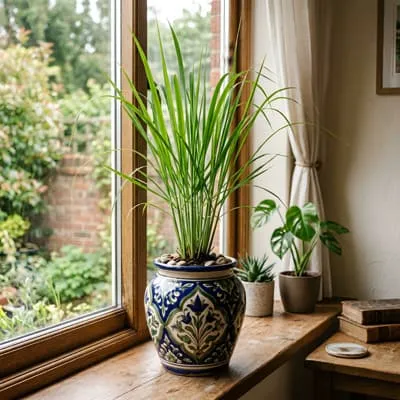
Container gardening is ideal for urban dwellers or those with limited outdoor space. Selecting compact lemongrass varieties or hybrids facilitates indoor cultivation, providing fresh herbs year-round. Proper container maintenance mimics natural conditions and supports plant health.
Indoor lemongrass contributes to air quality and sensory enrichment, aligning with human-centered design principles in residential architecture.
Companion Planting Benefits and Considerations
Lemongrass pairs well with a variety of companion plants, including herbs like basil, mint, and rosemary, which share similar watering and sunlight needs. This pairing enhances garden biodiversity and natural pest control. Additionally, planting lemongrass near vegetables such as tomatoes and peppers can deter harmful insects.
Careful planning avoids overcrowding and competition for nutrients, ensuring balanced growth. Companion planting also supports soil health by promoting diverse microbial communities.
Incorporating lemongrass thoughtfully within plant communities maximizes ecological benefits and garden productivity.
Harvesting and Utilization of Different Lemongrass Types
Culinary Uses Based on Lemongrass Variety
Understanding the culinary strengths of each lemongrass type enhances kitchen creativity and health benefits. Fresh leaves infuse dishes with bright citrus notes, while dried or powdered forms offer convenience. Selecting the appropriate variety ensures culinary success and enjoyment.
- West Indian lemongrass is preferred for teas, soups, and marinades due to its tender leaves.
- East Indian lemongrass is commonly used in essential oil production rather than cooking.
- Hybrids may offer balanced flavor profiles suitable for diverse culinary applications.
- Freshly harvested leaves provide optimal aroma and flavor.
- Dried lemongrass can be stored for extended use but loses some intensity.
Medicinal and Aromatherapy Applications
Lemongrass varieties differ in essential oil composition, influencing their therapeutic properties. West Indian lemongrass is prized for calming effects and digestive benefits, commonly used in teas and topical preparations. East Indian lemongrass contains higher citronella content, effective for insect repellent formulations.
Careful extraction and usage ensure safety and efficacy in aromatherapy. Home growers benefit from cultivating specific types aligned with medicinal goals, enhancing wellness through natural remedies.
Combining cultivation with knowledge of applications maximizes the plant’s value beyond ornamental use.
Preservation and Storage Techniques
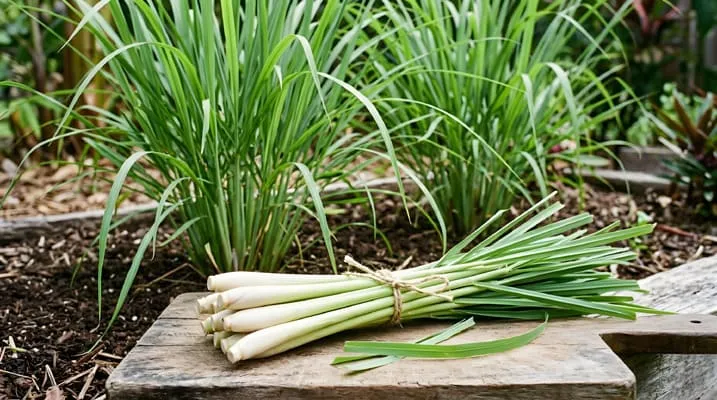
Proper preservation maintains lemongrass quality for long-term use. Fresh stalks can be refrigerated wrapped in damp paper towels for up to two weeks. Drying lemongrass by hanging stalks in a well-ventilated area preserves flavor for months.
Freezing chopped lemongrass in airtight containers is another effective method, retaining much of its aroma and taste. Each preservation method suits different uses, from cooking to essential oil extraction.
Implementing preservation strategies ensures that homeowners can enjoy the benefits of lemongrass year-round, regardless of growing season limitations.
| Use | West Indian Lemongrass | East Indian Lemongrass |
|---|---|---|
| Culinary | Highly suitable, tender leaves | Less common, fibrous leaves |
| Medicinal | Digestive and calming teas | Insect repellent oils |
| Preservation | Refrigeration, drying, freezing | Primarily drying and oil extraction |
Environmental and Sustainability Aspects of Lemongrass Cultivation
Water Efficiency and Drought Resilience
Lemongrass is naturally drought-tolerant, especially East Indian varieties, making it suitable for water-wise gardening. Efficient irrigation techniques like drip systems further conserve water resources. Proper mulching also reduces evaporation, maintaining soil moisture.
In warm climate homes, selecting lemongrass types adapted to local rainfall patterns supports sustainable water management and reduces dependency on supplemental irrigation.
These practices align with broader environmental goals and promote resilient landscapes.
Soil Health and Erosion Control
The dense root systems of lemongrass stabilize soil, preventing erosion on slopes and vulnerable areas. Their organic matter contribution through leaf litter enhances soil structure and fertility. Different types of lemongrass offer varying root depths and biomass, influencing their effectiveness in soil conservation.
Integrating lemongrass into garden designs can thus protect valuable topsoil and improve overall landscape health, critical in climate-sensitive regions.
Maintaining healthy soil supports plant growth and ecosystem services in residential areas.
Carbon Sequestration and Air Quality Benefits
Lemongrass contributes to carbon sequestration through biomass accumulation, capturing atmospheric CO2 in its tissues.
Its aromatic oils can also improve air quality by natural insect repellence, reducing the need for chemical pesticides.
Growing lemongrass in residential gardens enhances urban green spaces, mitigating heat island effects and fostering cleaner air. The choice of variety can influence growth rate and biomass, affecting carbon capture efficiency.
These environmental benefits reinforce lemongrass as a valuable component in sustainable, climate-aware home landscaping.
Types of lemongrass
Understanding the types of lemongrass and their specific growth requirements is crucial for successful cultivation in warm climate homes. From soil preferences to maintenance and utilization, each variety offers unique benefits that can enhance residential gardens both functionally and aesthetically. Integrating lemongrass thoughtfully supports sustainable landscaping practices and enriches everyday living.
By applying expert knowledge on lemongrass care and selection, homeowners can create resilient, climate-responsive environments that harmonize with natural ecosystems. Embrace the diversity of lemongrass types to elevate your garden’s performance and enjoy the rich sensory and practical advantages this remarkable herb provides.
Frequently Asked Questions (FAQ)
What Are the Primary Differences Between East Indian and West Indian Lemongrass?
East Indian lemongrass (Cymbopogon flexuosus) is generally more fibrous and drought-tolerant, often used for oil extraction, while West Indian lemongrass (Cymbopogon citratus) has softer leaves favored for culinary and medicinal uses. Their growth habits and essential oil compositions also differ, impacting care and applications.
Can Lemongrass Grow Indoors in Warm Climates?
Yes, lemongrass can be successfully grown indoors if provided with sufficient sunlight, warmth, and well-draining soil. Container gardening with regular watering and occasional fertilization supports healthy indoor growth, allowing access to fresh lemongrass year-round.
How Often Should I Water Lemongrass in a Warm Climate?
Watering frequency depends on the lemongrass type and local conditions. Generally, keep the soil consistently moist but not waterlogged. West Indian lemongrass requires more regular watering, especially during hot periods, while East Indian lemongrass tolerates short droughts better.
What Pests Commonly Affect Lemongrass, and How Can I Manage Them?
Common pests include aphids and spider mites. Managing them involves regular plant inspection, encouraging beneficial insects like ladybugs, and applying organic treatments such as neem oil. Good airflow and proper watering also reduce pest pressure.
Is It Better to Propagate Lemongrass by Division or Seeds?
Propagation by division is preferred for its reliability and speed, producing genetically identical plants. Seed propagation is less common due to lower germination rates and slower growth, but useful for creating hybrids or experimenting with new varieties.

Architect with extensive experience in residential and commercial design, including renovations and modular construction. Love to share information about Architecture, home and lifestyle in this blog.