Last updated on September 14th, 2026 at 06:46 pm
Lighting automation systems represent a transformative approach to managing interior illumination, seamlessly integrating technology with everyday living spaces. Thes smart solutions systems enhance comfort, energy efficiency, and convenience by allowing users to control lighting through smart devices or pre-set schedules. Understanding what a lighting automation system is, why it matters, and how to implement it can significantly improve the ambiance and functionality of any home.
In residential settings, lighting automation offers not only aesthetic benefits but also practical solutions tailored to lifestyle and climate considerations. By adapting lighting to natural daylight cycles and human activity, these systems promote well-being and reduce energy consumption. The opportunity lies in adopting a human-centered, climate-aware design that complements architectural integrity without resorting to mere decoration.
This article explores various facets of lighting automation systems, from fundamental concepts and installation strategies to advanced features and environmental impacts. It is designed for homeowners and designers seeking intentional, calm, and performance-optimized lighting solutions that harmonize with how people truly live.
Understanding Lighting Automation Systems
Defining Smart Lighting Controls
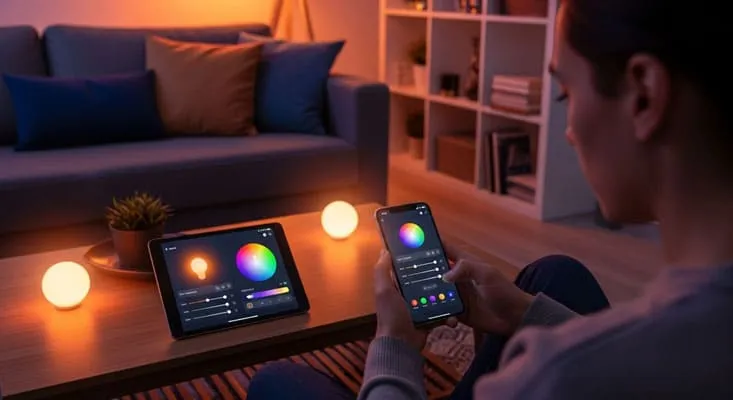
At its core, a lighting automation system comprises smart controls that regulate artificial light sources based on user preferences, occupancy, or ambient conditions. These controls may include sensors, dimmers, timers, and remote access interfaces.
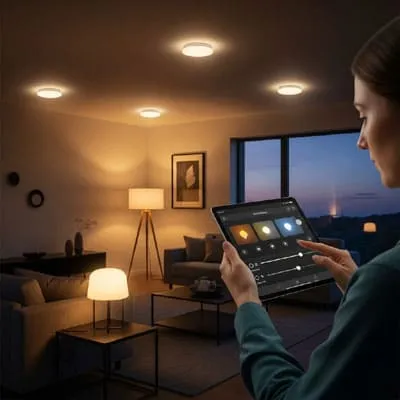
By automating lighting, homeowners can reduce manual operation, enhance comfort, and optimize energy use.
This integration fosters a holistic approach to home environment management. Smart lighting controls often integrate with home automation hubs, enabling centralized management of lights alongside other systems like HVAC or security.
Choosing the right control devices depends on factors such as the home’s layout, user habits, and desired level of automation. Effective systems are intuitive and adaptable to changing needs.
Components of a Lighting Automation System
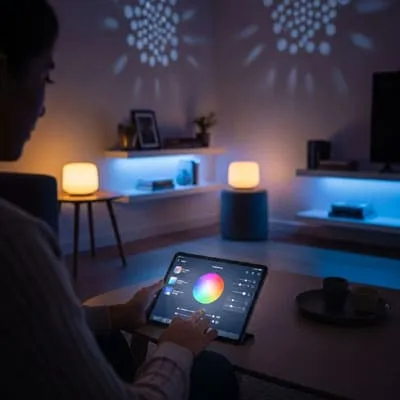
A typical lighting automation system includes sensors that detect motion or daylight levels, smart bulbs or fixtures capable of dimming and color changes, and controllers like switches or mobile apps. These components work together to deliver a responsive lighting experience.
Wireless communication protocols such as Zigbee,Z-Wave, or Wi-Fi enable these devices to interact seamlessly without intrusive wiring.
This flexibility supports retrofitting existing homes with minimal disruption.
Reliability and compatibility among components are critical for smooth operation, often requiring careful planning and professional installation to avoid conflicts and ensure security.
Benefits of Automated Lighting in Residences
Lighting automation offers multiple advantages including energy savings, improved ambiance, enhanced security, and increased convenience. Automated systems adjust lighting intensity and timing to align with daily routines and natural light availability, reducing waste.
Additionally, these systems can simulate occupancy when homeowners are away, deterring potential intruders. For families with children or elderly members, automated lighting improves safety by illuminating pathways automatically.
The cumulative effect is a smarter, more sustainable home environment that supports occupant well-being and reduces environmental impact.
Implementing Residential Lighting Automation Solutions
Choosing the Right System for Your Home
- Assess your home’s layout and lighting needs, including room functions and natural light patterns.
- Determine your preferred level of automation, from simple timers to fully integrated smart home controls.
- Consider compatibility with existing fixtures and infrastructure.
- Evaluate budget and potential energy savings to justify investment.
- Research product reliability and vendor support to ensure long-term performance.
Selecting a lighting automation system tailored to a home’s specific conditions maximizes benefits and user satisfaction. Consulting with an expert can clarify options and avoid costly mistakes.
Ultimately, the chosen solution should enhance daily life without adding complexity or maintenance burden for occupants.
Installation Best Practices
Proper installation is essential for optimal functionality of lighting automation systems. This involves accurate placement of sensors to detect occupancy or daylight without false triggers and ensuring controls are accessible and intuitive.
Wiring should comply with electrical codes while minimizing visual impact to preserve architectural aesthetics. Wireless solutions can reduce installation challenges but require robust signal coverage throughout the home.
Testing and calibration after installation guarantee that system responses align with user expectations and environmental conditions.
Integrating Automation with Existing Infrastructure
Many homes have legacy lighting fixtures that may not immediately support automation.
Integration strategies include retrofitting bulbs with smart LEDs or replacing switches with smart dimmers compatible with current wiring.
Bridging new technology with traditional hardware demands careful compatibility checks and sometimes upgrading circuits to handle additional loads or communication protocols.
Successful integration preserves design intent and avoids unnecessary renovation costs, making lighting automation achievable even in older residences.
Optimizing Energy Efficiency with Lighting Automation
Daylight Harvesting Techniques
Daylight harvesting involves adjusting artificial lighting based on natural light availability to minimize energy consumption. Sensors detect ambient light and dim or switch off lights when sufficient daylight is present.
This method requires precise calibration to maintain consistent illumination levels while preventing over- or under-lighting. It reduces electricity usage significantly without compromising comfort.
Incorporating daylight harvesting into lighting automation systems aligns with sustainable design principles and can contribute to green building certifications.
Scheduling and Scene Control
Automated scheduling allows lighting to follow user-defined patterns, turning lights on or off at specific times or during particular activities.
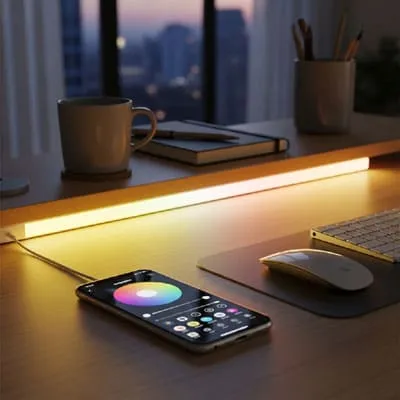
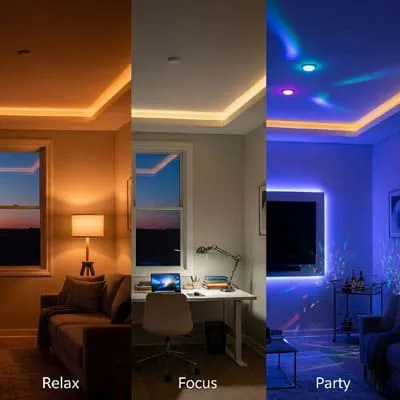
Scene control enables preset configurations that adjust multiple lights simultaneously for different moods or functions.
These features reduce unnecessary lighting and enhance user convenience by eliminating manual adjustments. They are particularly beneficial in spaces with varying use, such as living rooms or home offices.
Advanced systems offer adaptive scheduling that learns occupant behavior, further optimizing energy use without requiring constant input.
Impact on Residential Energy Consumption
Lighting accounts for a significant portion of residential electricity use. Automation can reduce this by 20-60%, depending on system sophistication and user engagement.
Energy savings translate into lower utility bills and reduced environmental footprint. Additionally, automated dimming extends bulb life, decreasing replacement frequency and waste.
Integrating lighting automation with other energy management systems amplifies these benefits, promoting a comprehensive approach to home sustainability.
Enhancing Comfort and Well-being Through Automated Lighting
Circadian Rhythm Support
Human circadian rhythms are influenced by light exposure, affecting sleep quality, mood, and overall health.
Lighting automation can simulate natural light patterns by gradually changing color temperature and intensity throughout the day.
This approach promotes alertness during daytime and relaxation in the evening, supporting better sleep hygiene and mental well-being. Adaptive lighting aligns indoor environments with biological needs.
Implementing circadian-friendly lighting requires selecting tunable fixtures and programming controls accordingly.

Personalized Lighting Scenes
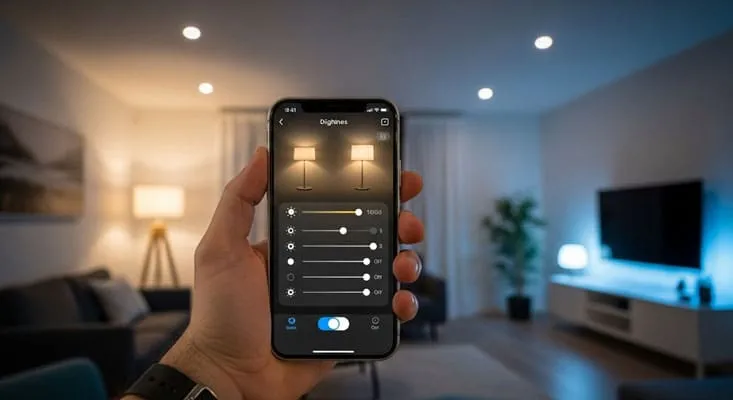
Automated systems enable users to create personalized lighting scenes tailored to activities such as reading, cooking, or entertaining. These scenes adjust brightness, color, and focus to enhance visual comfort and functionality.
Personalization improves user satisfaction by providing intuitive control over the environment, accommodating preferences and changing needs seamlessly.
Scene customization often integrates voice commands or smart device apps for effortless adjustments.
Reducing Glare and Enhancing Visual Comfort
Proper lighting design minimizes glare and harsh contrasts that strain the eyes. Automation can dynamically adjust lighting levels and angles to reduce discomfort, especially in multifunctional spaces.
Motion sensors and ambient light detectors help maintain balanced illumination, preventing sudden brightness changes that disrupt occupant comfort.
These subtle calibrations contribute to a calm, intentional atmosphere aligned with architectural intent.
Architectural Integration of Lighting Automation
Design Principles for Seamless Integration
Effective lighting automation respects architectural features and spatial organization, enhancing without overwhelming. Controls and fixtures should blend with design elements, preserving the home’s character.
Placement of sensors and devices requires thoughtful consideration to maintain aesthetic continuity and avoid visual clutter.
Collaboration between architects and lighting specialists ensures that automation complements structural and interior design goals.
Using Lighting to Emphasize Architectural Features
Automated lighting can highlight textures, materials, and structural details by adjusting intensity and direction. Dynamic control enables shifting focus throughout the day or during events.
This approach adds depth and interest while maintaining a calm, purposeful environment. Emphasis is subtle rather than decorative, supporting architectural narratives.
By integrating automation, lighting becomes a design tool that adapts to occupant experience and spatial function.
Minimizing Visual Distractions
Automation devices should be discreet to avoid detracting from architectural purity. Wireless and compact technologies offer solutions that reduce the need for exposed wiring or bulky controls.
Using neutral finishes and embedding sensors within architectural elements helps maintain a clean, slow design ethos.
Careful integration prevents technology from dominating the space, preserving the calm and intentional atmosphere desired.
| Integration Aspect | Design Consideration | Example Application |
|---|---|---|
| Sensor Placement | Invisible but effective coverage | Recessed ceiling sensors in hallways |
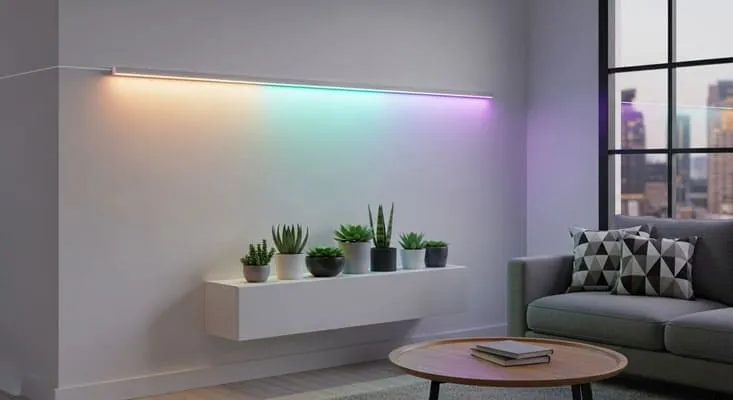
| Fixture Design | Architectural harmony | Linear LED profiles matching moldings |
| Control Interfaces | Minimal visual impact | Touch panels flush with walls |
Climate-Aware Lighting Automation Strategies
Adjusting for Seasonal Variations
Lighting needs fluctuate with changing seasons due to variations in daylight duration and intensity. Automated systems can modify settings accordingly, increasing artificial light in winter months and reducing it during summer.
Seasonal adjustment optimizes energy use and maintains consistent indoor comfort year-round. It also supports circadian health by adapting to natural environmental cues.
Programming seasonal profiles can be manual or automated based on geographic location and sensor input.
Energy Savings in Different Climates
Climate impacts heating and cooling demands, which intersect with lighting energy use. In warmer climates, reducing artificial lighting heat load through automation helps lower air conditioning costs.
Conversely, in colder regions, balancing lighting with heating requirements contributes to overall energy efficiency. Automated dimming and scheduling complement HVAC systems for holistic management.
Understanding local climate patterns guides effective lighting automation configurations that maximize savings and comfort.
Material and Fixture Selection for Climate Resilience
Choosing fixtures and materials that withstand local climate conditions ensures longevity and consistent performance of lighting automation systems. For example, humidity-resistant components are essential in moist environments.
Fixtures with proper ingress protection ratings prevent damage from dust or moisture, maintaining system reliability over time.
Integrating climate-adapted lighting solutions supports sustainable architecture by reducing maintenance and replacement needs.
Advanced Features and Future Trends in Lighting Automation
Artificial Intelligence and Adaptive Learning
Next-generation lighting automation incorporates AI to learn occupant behavior and environmental patterns, adjusting lighting proactively. These systems anticipate needs, creating more comfortable and energy-efficient environments.
Adaptive learning reduces the need for manual programming and enhances responsiveness to subtle changes in usage or daylight.
AI integration positions lighting automation at the forefront of smart home innovation.
Voice and Gesture Controls

Voice assistants and gesture recognition offer hands-free, intuitive control of lighting systems. These interfaces increase accessibility and convenience, especially for people with mobility challenges.
Integration with popular platforms like Alexa, Google Assistant, or Apple HomeKit expands user options and interoperability.
Gesture controls allow quick adjustments without physical interaction with switches, supporting a seamless user experience.
Integration with Renewable Energy Systems
Lighting automation increasingly pairs with home renewable energy sources such as solar panels. Systems can optimize lighting use based on available energy, prioritizing sustainability.
During peak solar production, lighting can brighten to utilize surplus energy, while dimming during grid reliance conserves power.
This synergy enhances energy autonomy and reduces environmental impact, aligning with modern green building goals.
Maintaining and Upgrading Your Lighting Automation System
Routine Maintenance Practices
Regular maintenance ensures lighting automation systems function reliably over time. This includes cleaning sensors and fixtures, checking network connectivity, and updating software or firmware.
Scheduled inspections help detect issues before they affect performance, preserving user experience and safety.
Maintainers should follow manufacturer guidelines to avoid voiding warranties or causing damage.
System Troubleshooting Tips
Common issues such as connectivity drops, unresponsive controls, or sensor malfunctions can often be resolved with basic troubleshooting steps. Restarting devices, verifying power supply, and recalibrating sensors are effective first measures.
Consulting technical support or professional electricians may be necessary for complex problems.
Keeping documentation and system logs facilitates efficient diagnosis and repair.
Planning for Future Upgrades
Technology evolves rapidly; planning for system scalability allows integration of new features without complete overhauls. Modular components and open protocols support upgrades like enhanced sensors or AI capabilities.
Future-proofing investments protect homeowner value and facilitate long-term satisfaction.
Periodic reassessment of needs and market offerings helps identify beneficial enhancements aligned with lifestyle changes.
| Maintenance Task | Frequency | Purpose |
|---|---|---|
| Sensor Cleaning | Every 6 months | Ensure accurate detection |
| Software Updates | As released | Maintain security and functionality |
| System Diagnostics | Annually | Identify issues early |
Smart Lighting
Lighting automation systems offer transformative potential for residential environments by enhancing energy efficiency, comfort, and architectural harmony. Integrating smart lighting solutions thoughtfully supports sustainable living and improves occupant well-being through adaptable, climate-aware design.
Embracing these technologies with intentional planning and expert guidance allows homeowners to create serene, functional spaces that respond gracefully to natural and human rhythms. Invest in lighting automation to elevate your home’s ambiance and performance with calm, purposeful innovation.
Frequently Asked Questions (FAQ)
What is a Lighting Automation System?
A lighting automation system is an integrated setup that controls residential lighting using sensors, timers, and smart devices to optimize energy use, comfort, and security automatically. It replaces manual operation with intelligent, adaptable management tailored to user needs.
How Does Lighting Automation Improve Energy Efficiency?
By adjusting light levels based on occupancy and ambient daylight, lighting automation reduces unnecessary electricity consumption. Features like scheduling, dimming, and daylight harvesting contribute to significant energy savings and lower utility costs.
Can I Install a Lighting Automation System in an Existing Home?
Yes, many systems are designed for retrofit applications using wireless controls and smart bulbs. Installation can be straightforward, but consulting professionals ensures compatibility and optimal performance without major renovations.
Are Lighting Automation Systems Compatible with Voice Assistants?
Most modern lighting automation systems integrate with popular voice assistants such as Amazon Alexa, Google Assistant, and Apple HomeKit, enabling convenient hands-free control and enhancing user experience.
What Maintenance is Required for Lighting Automation Systems?
Routine maintenance includes cleaning sensors, updating software, and periodic system checks to ensure reliable operation. Following manufacturer guidelines and addressing issues promptly extends system lifespan and effectiveness.

Architect with extensive experience in residential and commercial design, including renovations and modular construction. Love to share information about Architecture, home and lifestyle in this blog.