
Last updated on September 14th, 2026 at 07:54 pm
Choosing the right types of countertop and types of backsplashing is essential when remodeling your kitchen. These elements not only define the kitchen’s functionality but also influence its overall aesthetic and durability. Understanding the materials and styles available helps homeowners make informed decisions that balance cost, style, and performance.
With increasing options in surfaces and backsplash designs, selecting the appropriate combination can be overwhelming. The challenge lies in finding solutions that are both cost-effective and aligned with how people actually use their kitchens, especially considering diverse climate conditions and residential needs.
This article explores practical and architectural approaches to the types of countertop and types of backsplashing, offering a comprehensive guide to remodeling your kitchen without overspending. It covers material choices, installation tips, and maintenance considerations to help you create a calm, intentional, and lasting kitchen environment.
Exploring Popular Types of Countertop Materials
Natural Stone Countertops: Timeless Elegance and Durability
Natural stone countertops, including granite, marble, and quartzite, offer a timeless appeal with unique veining and color variations. These materials are highly durable and heat-resistant, making them ideal for active kitchen environments. However, they require periodic sealing to maintain their resistance to stains and moisture.
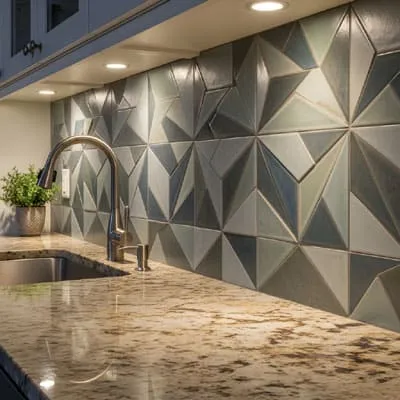
Granite is particularly favored for its robustness and extensive color palette, while marble adds luxury but demands more care.
Quartzite, often confused with quartz, is a natural stone that combines elegance with strength, offering an excellent alternative for those seeking durability and style.
Integrating natural stone countertops enhances the kitchen’s architectural integrity, providing a solid foundation that complements a variety of backsplash styles and kitchen layouts.
Engineered Stone and Solid Surfaces: Modern Versatility
Engineered stone, like quartz countertops, combines crushed natural quartz with resins to create surfaces that are non-porous and low-maintenance. These countertops resist staining, scratching, and bacterial growth, fitting perfectly into residential kitchens with high traffic and demanding use.
Solid surface materials such as Corian offer seamless installation and easy repairability. They come in a wide range of colors and patterns, allowing for versatile design options that align with contemporary kitchen aesthetics while ensuring durability.
The engineered and solid surface countertops provide a balance between aesthetics, hygiene, and ease of upkeep, making them a smart choice for homeowners focused on long-term performance.
Sustainable and Budget-Friendly Countertop Options
For those remodeling on a budget or prioritizing environmental impact, materials like recycled glass, bamboo, and concrete countertops offer attractive alternatives. Recycled glass countertops provide vibrant colors and a unique look while reducing waste.
Bamboo, though less conventional, serves as a renewable resource option, offering a warm, natural texture. Concrete countertops can be customized with pigments and finishes, delivering industrial charm and robustness at a reasonable cost.
These sustainable countertop types contribute to a climate-aware kitchen design, emphasizing slow living and intentional material choices that respect both environment and budget.
Understanding Different Types of Backsplashing
Classic Ceramic and Porcelain Tile Backsplashes
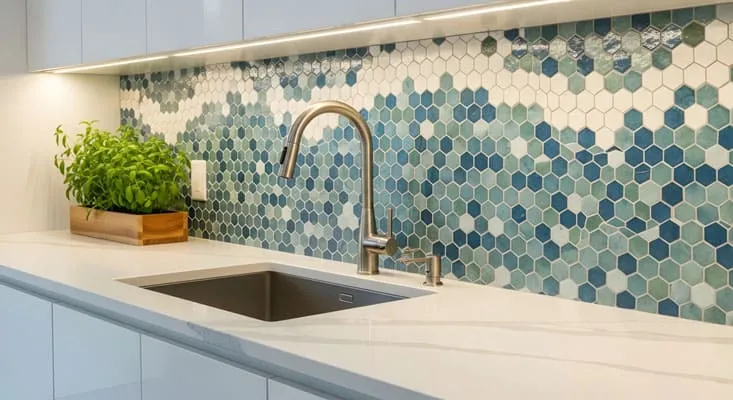
Ceramic and porcelain tile backsplashes remain the most common choice due to their affordability, variety, and ease of installation. These materials are water-resistant and easy to clean, making them practical for kitchen environments prone to splashes and spills.
- Wide range of colors and patterns available
- Durable and resistant to heat and moisture
- Easy to replace or update sections
- Can be arranged in creative patterns like subway or herringbone
- Requires grout maintenance to prevent staining
The versatility of ceramic and porcelain tiles allows homeowners to customize their kitchens while maintaining a clean, structured look that balances form and function.
Glass and Metal Backsplash Options for Modern Kitchens
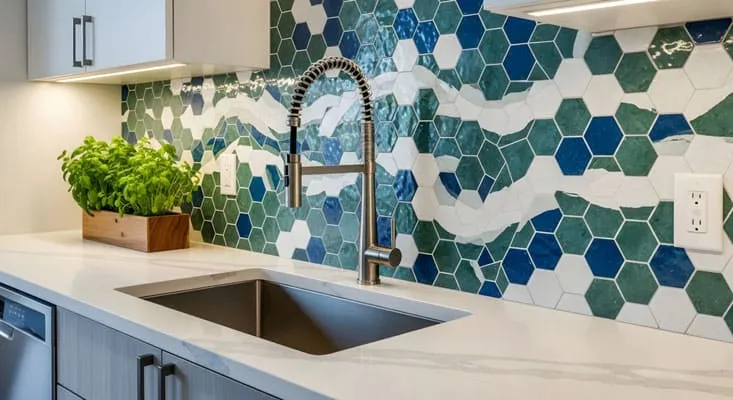
Glass backsplashes offer a sleek, reflective surface that enhances light and creates a sense of spaciousness. They are easy to clean and resistant to stains, making them suitable for contemporary and minimalist kitchen designs.
Metal backsplashes, often made from stainless steel or copper, provide an industrial aesthetic while being highly durable and heat-resistant. These materials can develop a natural patina over time, adding character and depth to the kitchen’s architectural expression.
Both glass and metal backsplashes contribute to a calm, intentional kitchen ambiance through their clean lines and functional benefits.
Natural Stone and Specialty Materials in Backsplash Design
Natural stone backsplashes, such as marble or travertine, add texture and warmth to kitchen spaces. While elegant, they require sealing and careful maintenance to avoid damage from moisture and cooking residues.
Specialty materials like reclaimed wood or decorative concrete can also be used to create unique, climate-aware backsplashes that reflect a slower, more thoughtful approach to kitchen design.
These options blend architectural interest with functional resilience, perfect for homeowners seeking a personalized yet practical backsplash solution.
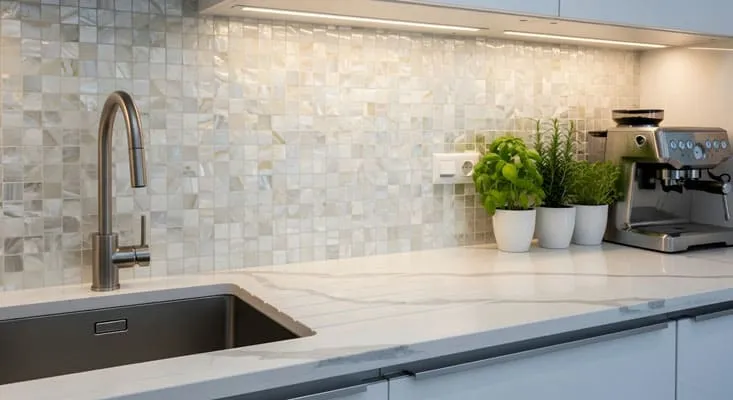
Comparing Countertop Surfaces: Performance and Cost
Durability and Maintenance Considerations
When selecting countertop materials, durability and maintenance are key factors. Natural stones like granite and quartzite excel in wear resistance but need sealing. Engineered quartz offers low maintenance with high durability, while solid surfaces can be easily repaired if damaged.
Budget options like concrete and recycled glass require more frequent upkeep but provide unique design opportunities. Understanding each material’s maintenance needs ensures long-lasting performance aligned with lifestyle demands.
Balancing durability with care requirements helps homeowners choose countertops that remain functional and attractive over years of use.
Cost Analysis of Common Countertop Materials
| Material | Average Cost (per sq. ft.) | Typical Lifespan |
|---|---|---|
| Granite | $40 – $100 | 25+ years |
| Quartz | $50 – $120 | 25+ years |
| Concrete | $65 – $135 | 15 – 20 years |
| Recycled Glass | $50 – $120 | 20+ years |
Cost varies widely depending on material and installation complexity. Budgeting accurately avoids overspending while allowing for quality materials that suit your kitchen’s architectural goals.
Environmental Impact and Sustainability
Many modern countertop materials emphasize sustainability. Recycled glass and bamboo promote waste reduction and renewable sourcing. Engineered quartz often uses low-emission resins, contributing to healthier indoor air quality.
Natural stone mining impacts can be mitigated by choosing responsibly sourced products. Concrete’s carbon footprint varies with production methods, but its longevity reduces replacement frequency.
Considering environmental factors aligns kitchen remodeling with broader climate-aware, human-centered design principles.
Innovative Types of Backsplashing: Trends and Techniques
Texture and Pattern in Modern Backsplash Design
- 3D tile installations adding depth and shadow
- Geometric patterns creating architectural interest
- Mixing materials for layered visual effects
- Using large-format tiles for minimal grout lines
- Incorporation of natural textures like stone and wood
Innovative backsplashes move beyond decoration to become architectural elements that influence the kitchen’s spatial perception and atmosphere.
Mixed Materials and Layering Techniques
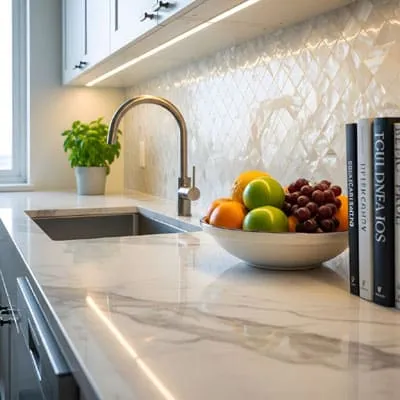
Combining different types of backsplashes can create a balanced and sophisticated look. Glass tiles paired with natural stone or metal sheets layered with ceramic tiles offer textural contrast and resilience.
Strategic layering enhances practical benefits such as easier cleaning in cooking zones and decorative appeal in dining or prep areas.
This approach aligns with the slow, intentional remodeling philosophy by focusing on purposeful material use and longevity.
Installation Methods and Their Impact on Longevity
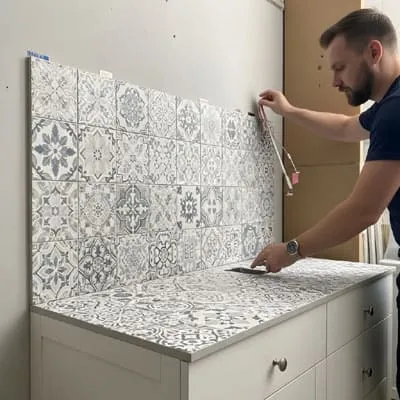
Proper installation is critical to the performance of any backsplash.
Techniques such as waterproof membranes, precise grout application, and quality adhesive use prevent moisture damage and maintain structural integrity.
Professional installation ensures that backsplashes withstand heat, humidity, and daily wear, reducing long-term maintenance needs.
Understanding these methods empowers homeowners to plan remodeling projects that are both beautiful and resilient.
Maintenance Strategies for Countertops and Backsplashes
Daily Care and Cleaning Tips
Effective daily maintenance extends the life of countertops and backsplashes. Use pH-neutral cleaners for natural stone and avoid abrasive materials that can scratch surfaces. Wipe down backsplashes regularly to prevent buildup of grease and grime.
Routine care prevents staining and preserves the original appearance, supporting a calm and intentional kitchen environment.
Incorporating simple cleaning habits fits seamlessly into daily routines without added burden.
Periodic Sealing and Repairs
| Material | Seal Frequency | Repair Complexity |
|---|---|---|
| Granite | Every 1-2 years | Medium |
| Marble | Every 6-12 months | High |
| Quartz | Not required | Low |
| Ceramic Tile | Grout sealing yearly | Low |
Sealing natural stones and grout ensures water resistance and prevents deterioration. Small repairs can be managed promptly to avoid costly replacements.
Long-Term Upkeep and Renovation Considerations
Over time, countertops and backsplashes may need resurfacing or replacement. Selecting materials with easy repair options and durable finishes extends kitchen longevity.
Planning for future updates during initial remodeling ensures that changes can be made gracefully without disrupting the kitchen’s architectural flow.
Adopting a slow, intentional remodeling mindset encourages thoughtful material choice and maintenance planning.
Architectural Approaches to Kitchen Surface Design
Integrating Countertops and Backsplashes Into Overall Design
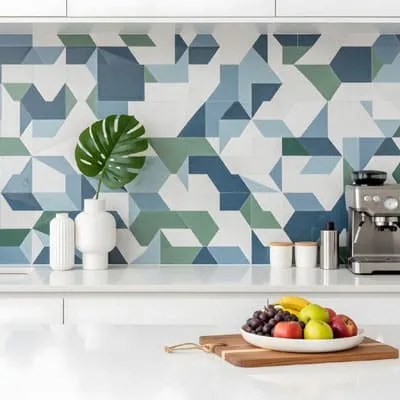
Architectural design emphasizes cohesive material selection that complements spatial layout, lighting, and cabinetry. Countertops and backsplashes should work together to create balance and flow, avoiding purely decorative elements.
Choosing surfaces that respond to how people live in the space ensures functionality and visual harmony.
Designers prioritize materials that age gracefully and contribute to a calm, intentional kitchen environment.
Climate-Aware Material Selection
Climate impacts material performance. Humid regions require moisture-resistant backsplashes and countertops, while colder climates may prioritize materials that tolerate temperature shifts.
Locally sourced materials reduce environmental impact and improve suitability for regional conditions.
Being climate-aware fosters sustainable, resilient kitchen designs that support long-term living comfort.
Human-Centered Design Principles in Surface Choices
Human-centered design focuses on usability, comfort, and health. Smooth, easy-to-clean surfaces reduce allergens and bacteria. Rounded edges and durable textures enhance safety and tactile experience.
Materials are selected not only for aesthetics but for how they support daily kitchen activities and well-being.
This approach cultivates kitchens that feel welcoming, functional, and carefully tailored to residents’ lifestyles.
Cost-Effective Remodeling Tips Using Types of Countertop and Backsplash
Smart Material Combinations for Saving Costs
- Use expensive stone only in high-impact areas
- Combine ceramic tile backsplashes with budget-friendly countertops
- Opt for engineered stone for durability at moderate costs
- Incorporate DIY-friendly backsplashes like peel-and-stick tiles
- Repurpose existing materials where possible to reduce waste
These strategies help achieve a high-end look without the associated price tag, balancing aesthetics with financial responsibility.
Installation and Labor Cost Reduction Strategies
DIY installation of backsplashes or countertops can significantly cut labor expenses. Selecting materials with straightforward installation processes reduces complexity and time.
Consulting with professionals for hybrid approaches ensures quality while managing costs effectively.
Planning ahead and purchasing materials in bulk or during sales further contributes to budget control.
Maintenance Planning to Extend Investment Life
- Regular cleaning schedules to prevent damage
- Timely sealing of natural stones and grout
- Prompt repairs of chips or cracks
Proactive maintenance protects your investment, keeping your kitchen surfaces functional and attractive for years.
Smart budget
Understanding the various types of countertop and types of backsplashing is crucial for a successful, budget-conscious kitchen remodel. From natural stones to innovative materials and classic tiles to modern glass and metal, each choice impacts both aesthetics and performance. This article emphasized architectural, climate-aware, and human-centered design principles that prioritize functionality and longevity.
By integrating these insights with smart budgeting and maintenance strategies, homeowners can create kitchens that are not only beautiful but also resilient and adapted to real-life use. Embrace intentional design choices to ensure your remodeled kitchen remains a calm, purposeful space for years to come.
Frequently Asked Questions (FAQ)
What Are the Most Durable Types of Countertop for Kitchen Use?
Granite and engineered quartz are among the most durable countertop options. Granite offers natural strength and heat resistance, while quartz is non-porous and scratch-resistant, requiring minimal maintenance. Both materials last for decades with proper care.
How Do I Choose the Best Backsplash Material for My Kitchen?
Consider your kitchen’s style, maintenance preferences, and climate. Ceramic tiles are versatile and budget-friendly, glass adds modern sleekness, and natural stone offers texture but needs sealing. Assess your daily use and aesthetic goals before deciding.
Can I Install a Backsplash Myself to Save Money?
Yes, many backsplashes, especially ceramic tiles and peel-and-stick options, are DIY-friendly. However, proper surface preparation and precise installation are important for durability. For complex materials like natural stone, professional installation is recommended.
How Often Should I Seal Natural Stone Countertops and Backsplashes?
Natural stone countertops typically require sealing every 1-2 years, depending on usage. Backsplashes with grout should have grout sealed annually to prevent moisture penetration and staining. Regular sealing maintains appearance and extends material life.
Are Sustainable Countertop Materials a Good Investment?
Sustainable materials like recycled glass, bamboo, and responsibly sourced stone offer environmental benefits and unique aesthetics. While some may require additional upkeep, their durability and eco-friendliness make them valuable long-term investments in climate-aware kitchen design.

Architect with extensive experience in residential and commercial design, including renovations and modular construction. Love to share information about Architecture, home and lifestyle in this blog.