
Caring environments such as nursing homes and rest homes play a crucial role in providing accessible homes with safety and supportive living spaces for older adults. These facilities are designed to meet the evolving needs of residents, combining accessibility, comfort, and a sense of calm to improve quality of life. Understanding the architectural and human-centered aspects of these residences is key to creating spaces that truly support later life.
The challenge lies in balancing functionality with warmth, ensuring that nursing homes and rest homes are not only practical but also inviting and respectful of residents’ dignity. Climate-aware design and intentional planning help address these challenges by creating environments that are sustainable, comfortable, and adaptable to individual needs. This article explores how these principles are applied in residential-focused care homes.
We will delve into the architectural strategies, accessibility features, and community-oriented approaches that define successful nursing homes and rest homes. Each section provides insights grounded in real-world experience and design expertise, focusing on how these spaces support calm and intentional living for older adults.
Design Principles for Nursing Home and REST Home Environments
Human-Centered Architectural Approaches
Designing nursing homes and rest homes requires a deep understanding of how people live and interact in their later years. Human-centered architecture prioritizes residents’ comfort, safety, and independence while fostering social connections. By incorporating natural light, clear wayfinding, and accessible layouts, these spaces help reduce anxiety and promote well-being.
Features such as private rooms with personal storage and communal areas encourage both privacy and social engagement. Attention to sensory needs, like reducing noise and incorporating tactile materials, supports residents with cognitive or physical impairments. This approach ensures that the built environment adapts to diverse resident profiles.
The goal is to create a calm, intentional atmosphere that respects residents’ autonomy while offering support. This balance is fundamental in elevating the quality of life within nursing and rest homes.
Climate-Aware and Sustainable Design Strategies
Climate-aware design in nursing homes and rest homes focuses on sustainability and environmental responsiveness. Passive solar design, natural ventilation, and energy-efficient systems reduce operational costs and environmental impact.
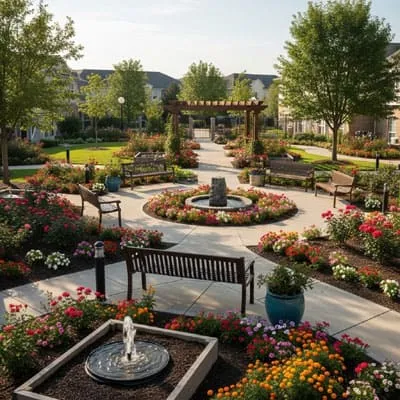
Proper insulation and shading improve indoor comfort year-round.
Using local, eco-friendly materials reduces carbon footprints and enhances indoor air quality. Green spaces and gardens not only contribute to environmental goals but also provide therapeutic benefits to residents. Integrating renewable energy sources, such as solar panels, supports long-term sustainability.
These strategies align with an international commitment to responsible building practices, creating healthier, more resilient care environments.
Key Accessibility Features in Care Homes
- Step-free entrances and wide doorways
- Adjustable-height counters and sinks
- Non-slip flooring materials
- Accessible bathrooms with grab bars and roll-in showers
- Clear signage with high contrast and braille
Accessibility is a cornerstone of nursing home and rest home design. Incorporating universal design principles ensures that all residents, regardless of mobility or sensory ability, can navigate and use the space independently. These features are not only regulatory requirements but essential for dignity and safety.
Properly designed accessibility reduces the risk of falls and injuries, supports caregivers, and fosters a sense of autonomy for residents. This enhances both physical and psychological well-being in residential care settings.
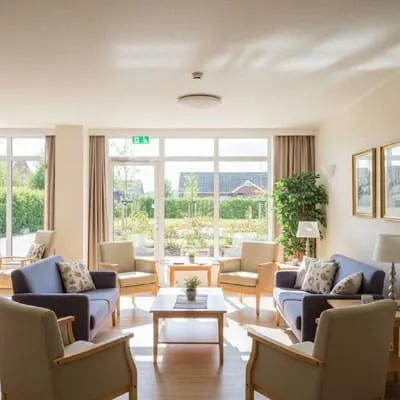
Residential Comfort and Community Integration
Creating a Sense of Home in Institutional Settings
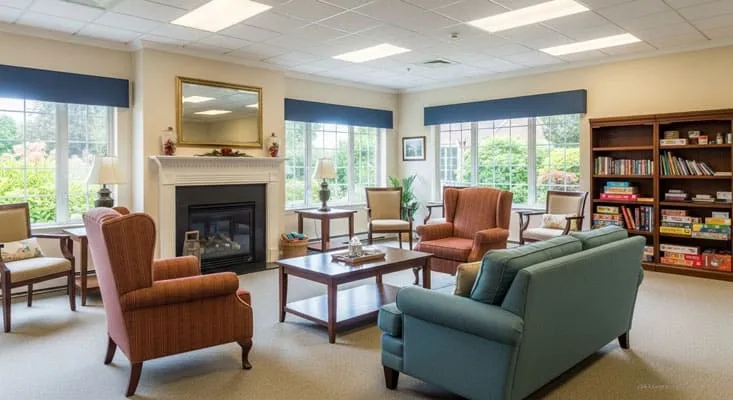
Transforming nursing homes and rest homes into places that feel like home is vital for resident satisfaction. This involves personalized décor, familiar furniture, and spaces that encourage routine and social interaction. Designing smaller, household-style units within larger facilities can foster intimacy and connection.
Attention to acoustics, lighting, and color palettes contributes to a soothing environment. Providing residents with control over their immediate surroundings, such as adjustable lighting or temperature, empowers them and enhances comfort.
This residential focus helps combat feelings of isolation and institutionalization common in care settings.
Community Engagement and Social Spaces
- Multipurpose rooms for events and activities
- Outdoor gardens and walking paths
- Accessible dining areas promoting communal meals
- Spaces for family visits and celebrations
- Areas designed for intergenerational programs
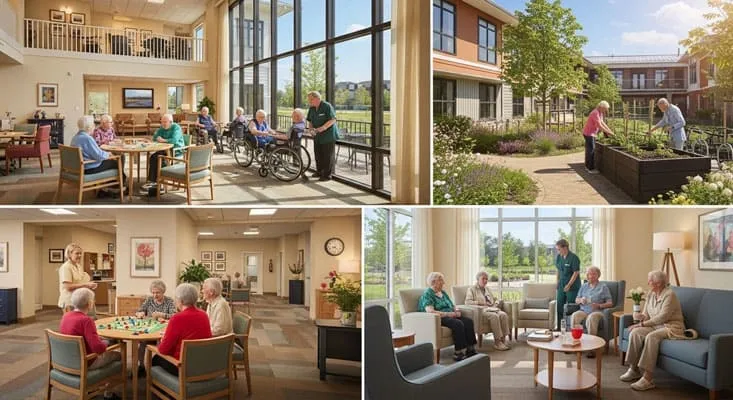
Social interaction is crucial in nursing homes and rest homes to maintain mental health and a sense of belonging. Designing flexible spaces that support group activities, hobbies, and family visits encourages community engagement. Outdoor areas offer opportunities for fresh air and gentle exercise, further enhancing quality of life.
These spaces should be adaptable to diverse cultural and social needs, reflecting an international yet grounded approach to care.
Comparative Features of Residential Vs. Institutional Models
| Feature | Residential Model | Institutional Model |
|---|---|---|
| Scale | Small, home-like units | Large, centralized facilities |
| Privacy | Private or semi-private rooms | Shared rooms common |
| Social Spaces | Flexible, homely lounges | Formal, multipurpose halls |
Safety and Accessibility Innovations
Advanced Monitoring and Emergency Systems
Modern nursing homes and rest homes integrate advanced technologies to enhance resident safety. These include motion sensors, fall detection systems, and emergency call buttons placed within easy reach. Integration with centralized monitoring allows staff to respond quickly to incidents.
Technology is designed to be unobtrusive, maintaining residents’ privacy and dignity while ensuring rapid assistance when needed. This balance supports independence while mitigating risks common in later life.
Implementing these systems requires training staff and regularly updating protocols to maintain effectiveness and resident trust.
Barrier-Free Movement and Mobility Support
Ensuring barrier-free movement within care homes is essential for residents using mobility aids such as walkers, wheelchairs, or scooters.
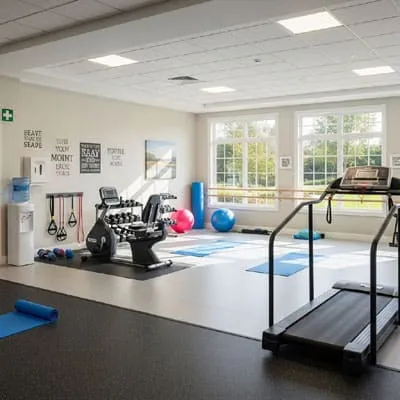
Corridors must be wide and unobstructed, with ramps complementing stairs. Adjustable handrails and resting areas provide additional support.
Outdoor pathways should be smooth and well-lit, encouraging safe exploration and exercise. Dedicated spaces for physical therapy and rehabilitation support ongoing mobility maintenance and improvement.
Designing with mobility in mind enhances autonomy and reduces dependence on caregivers.
Key Safety Features to Prioritize
- Non-slip flooring in all areas
- Emergency lighting and clear evacuation routes
- Accessible bathrooms with support rails
- Fire detection and suppression systems
- Secure entrances and exits
Environmental and Climatic Considerations in Care Homes
Passive Heating and Cooling Techniques
Utilizing passive design principles helps maintain comfortable temperatures in nursing homes and rest homes without excessive energy use.
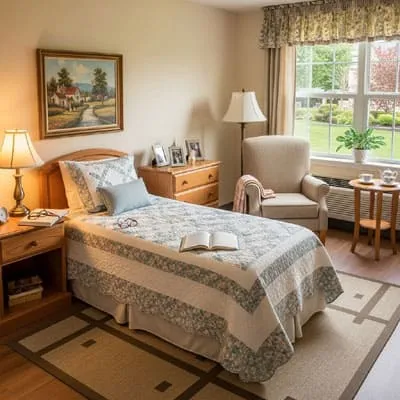
South-facing windows capture winter sun, while shading devices prevent overheating in summer. Cross-ventilation reduces reliance on mechanical cooling.
Thermal mass materials stabilize indoor temperatures, providing consistent comfort. These techniques lower costs and environmental impact, crucial for sustainable care environments.
Properly designed passive solutions contribute to a calm atmosphere, free from disruptive noise or drafts.
Indoor Air Quality and Health
Maintaining high indoor air quality is vital for residents with respiratory sensitivities or compromised immune systems. Ventilation systems with filtration remove pollutants and allergens. Use of low-VOC paints and finishes prevents harmful emissions.
Incorporating plants indoors can enhance air quality and provide psychological benefits. Regular maintenance and monitoring ensure continued healthful conditions.
Healthy indoor environments support overall resident well-being and recovery.
Material Selection for Durability and Comfort
| Material | Benefits | Considerations |
|---|---|---|
| Natural Wood | Warmth, acoustics, durability | Requires maintenance, can be costly |
| Non-slip Vinyl Flooring | Safety, easy cleaning | Less natural feel, limited lifespan |
| Low-VOC Paints | Improves air quality | May have limited color options |
Staff and Operational Design Integration
Efficient Workflow and Layout Planning
Designing nursing homes and rest homes involves creating layouts that support efficient staff workflows without disrupting residents’ privacy. Centralized nurse stations with clear sightlines improve supervision and response times. Dedicated service corridors separate staff and resident traffic.
Storage and supply rooms located strategically reduce unnecessary movement and increase care efficiency. This thoughtful arrangement benefits both staff performance and resident experience.
Balancing operational needs with a residential feel is a key design challenge.
Spaces for Staff Well-being and Training
Supporting staff well-being directly impacts quality of care in nursing and rest homes. Providing comfortable break rooms, quiet areas, and training spaces fosters a positive work environment. These areas help reduce burnout and encourage ongoing professional development.
Designing for staff needs also includes ergonomic workstations and easy access to resources. A well-supported team is integral to a calm, efficient care home.
Investment in staff spaces reflects a human-centered approach beyond resident care.
Communication and Technology Infrastructure
- Reliable Wi-Fi throughout the facility
- Integrated nurse call and alert systems
- Electronic health record access stations
- Video conferencing spaces for telehealth
Modern care homes rely on robust communication systems to coordinate care and maintain safety. Technology infrastructure must be seamlessly integrated into the design, supporting both staff and residents. This includes secure data management and user-friendly interfaces.
Effective communication tools contribute to operational excellence and resident satisfaction.
Technological Innovations Enhancing Resident Experience
Assistive Technologies and Smart Home Features
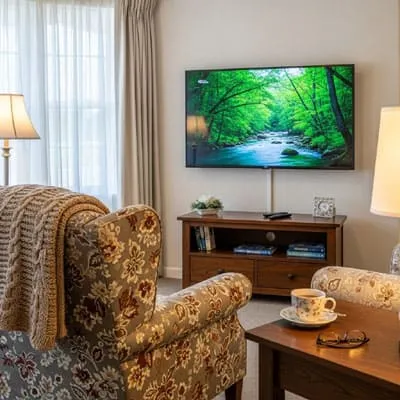
Emerging technologies in nursing homes and rest homes include smart lighting, voice-activated assistants, and adaptive furniture.
These innovations empower residents to control their environment, enhancing independence and comfort. For example, automated blinds adjust to daylight, and sensors monitor movement patterns to alert staff if needed.
Assistive devices tailored to individual needs improve daily living tasks and promote autonomy. Integrating these technologies thoughtfully ensures they enhance rather than disrupt the home-like atmosphere.
Careful selection and training are essential for successful adoption.
Telemedicine and Remote Care Capabilities
Telemedicine enables residents to consult healthcare professionals without leaving the facility, reducing stress and improving access. Dedicated telehealth rooms equipped with video conferencing tools offer privacy and convenience. Remote monitoring devices track vital signs, alerting staff to potential health issues early.
This approach supports proactive care, reduces hospital admissions, and integrates seamlessly with existing medical services. It also connects residents with specialists regardless of geographical location.
Telemedicine enhances both clinical outcomes and resident peace of mind.
Entertainment and Engagement Technologies
- Interactive digital games for cognitive stimulation
- Virtual reality experiences for travel and reminiscence
- Streaming services and personalized media
- Social networking platforms adapted for seniors
Technology also enriches social and recreational activities in nursing homes and rest homes. Interactive and immersive tools combat isolation and promote mental health. These technologies are designed with accessibility in mind to ensure ease of use by residents with varying abilities.
Integrating entertainment tech thoughtfully contributes to a vibrant, engaging living environment.
Legal and Regulatory Frameworks Affecting Nursing and REST Homes
Compliance with Accessibility Standards
Nursing homes and rest homes must adhere to strict accessibility regulations such as the Americans with Disabilities Act (ADA). Compliance ensures that facilities accommodate residents with diverse needs, from physical disabilities to sensory impairments. Regular audits and updates maintain these standards.
Designers and operators must stay informed about evolving legislation to avoid penalties and promote inclusive care. Meeting or exceeding standards demonstrates a commitment to resident dignity and safety.
Proactive compliance supports operational longevity and reputation.
Health and Safety Regulations
Facilities are governed by health codes covering infection control, emergency preparedness, and staff training. These regulations protect residents from harm and ensure quality care delivery. Proper ventilation, sanitation, and waste management are mandated components.
Regular staff certification and facility inspections verify adherence. Design elements such as fire-resistant materials and evacuation routes are integrated to meet safety requirements.
Adhering to these regulations is a foundation of responsible nursing home and rest home management.
Licensing and Accreditation Processes
| Type | Purpose | Typical Requirements |
|---|---|---|
| State Licensing | Legal operation authorization | Facility standards, staffing ratios |
| Accreditation | Quality assurance and benchmarking | Performance metrics, resident satisfaction |
| Certification | Eligibility for government programs | Compliance with federal regulations |
Well-being home in an rest age
Nursing homes and rest homes must harmonize architectural design, accessibility, and operational efficiency to create calm and supportive environments for later life. By prioritizing human-centered, climate-aware, and sustainable strategies, these residences become true homes, fostering dignity, independence, and well-being.
Thoughtful integration of technology, community spaces, and regulatory compliance further elevates care quality. As the population ages, continuing to refine these elements ensures that nursing homes and rest homes meet evolving needs with compassion and expertise.
Frequently Asked Questions
What is the Difference Between a Nursing Home and a REST Home?
Nursing homes provide comprehensive medical care and assistance with daily activities, often for individuals with chronic health conditions. Rest homes generally offer less intensive support, focusing on a comfortable living environment for seniors who need some help but remain more independent.
How Does Climate-aware Design Benefit Nursing Homes?
Climate-aware design enhances comfort by using natural ventilation, insulation, and passive heating or cooling. It reduces energy costs and environmental impact, creating healthier indoor environments that support residents’ well-being year-round.
What Are Key Accessibility Features in REST Homes?
Important accessibility features include step-free entrances, wide doorways, grab bars in bathrooms, non-slip flooring, and clear signage. These elements ensure safety and independence for residents with varying mobility and sensory needs.
How Can Technology Improve Resident Care in Nursing Homes?
Technology such as fall detection, telemedicine, and assistive devices supports timely medical intervention and enhances independence. Entertainment and communication tools reduce isolation and engage residents socially and cognitively.
Why is Human-centered Design Important in Nursing Homes?
Human-centered design focuses on residents’ comfort, autonomy, and social needs. It creates calming, home-like environments that reduce stress and improve quality of life, fostering dignity and a sense of belonging.

Architect with extensive experience in residential and commercial design, including renovations and modular construction. Love to share information about Architecture, home and lifestyle in this blog.