
Incorporating accents from asia, europe, latin america, north america, and oceania into home decor enriches living spaces with cultural depth and global perspective. These regional influences offer a unique blend of materials, textures, and design philosophies that resonate with residential environments seeking calmness and intentionality.
Understanding how to integrate these diverse styles thoughtfully allows homeowners and architects to create spaces that are not only aesthetically pleasing but also climate-aware and human-centered. The challenge lies in balancing international inspiration with local practicality and sustainability.
This article explores the architectural nuances of home decor inspired by travel across asia, europe, latin america, north america, and oceania. It illuminates how these global accents can be adapted intentionally to enhance any residential setting while honoring cultural authenticity and environmental sensitivity.
Global Influences on Residential Design from Asia, Europe, and Beyond
Key Characteristics of Asian, European, and Oceanic Styles
Asian design often emphasizes harmony with nature, using natural materials like bamboo, teak, and stone to create tranquil interiors. European styles, ranging from Scandinavian minimalism to Mediterranean warmth, prioritize craftsmanship and timeless elegance. Oceania, encompassing Australia and the Pacific Islands, blends indigenous motifs with coastal influences, using light, airy spaces and organic textures.
These design philosophies share a common thread of human-centeredness and slow living, focusing on deliberate choices that foster calm and functionality. They inspire a residential aesthetic that is both modern and rooted in tradition.
Embracing these styles involves understanding their cultural contexts and how they adapt to climate realities, ensuring that homes remain comfortable and sustainable across regions.
Adapting Climate-Aware Features Across Continents
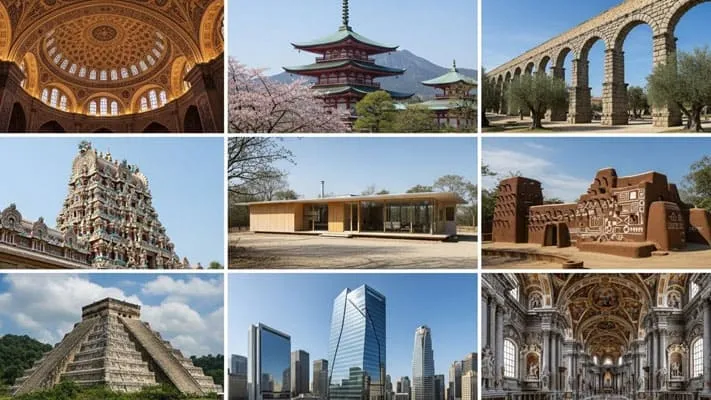
Climate responsiveness is crucial when integrating global design elements. Asia’s tropical regions inspire ventilation techniques and shading devices, while Europe’s colder climates emphasize insulation and thermal mass. North America’s diverse weather demands versatile strategies, and Oceania’s coastal environments influence moisture-resistant materials and indoor-outdoor flow.
Integrating these elements requires careful selection of textures and finishes that align with local climates without sacrificing the global aesthetic. For instance, layering natural fibers from latin america with european stone surfaces can create a balanced environment that respects both form and function.
Such climate-aware adaptations promote energy efficiency and occupant comfort, essential for intentional, slow architecture.
Benefits of International Inspiration in Home Decor
- Enriches spatial experience through cultural storytelling
- Encourages sustainable material usage
- Fosters a calm, intentional lifestyle
- Supports human-centered design principles
- Promotes cross-cultural appreciation and innovation
International inspiration broadens the palette of design options, enabling homes to become reflections of diverse heritage and contemporary needs. This approach enhances not just aesthetics but also occupant well-being and environmental stewardship.
Architectural Elements from Asia, Europe, and Latin America
Structural Forms and Spatial Organization
Asia’s architectural legacy includes open floor plans and sliding partitions that optimize natural light and airflow. European homes often feature defined zones with a focus on symmetry and proportion. Latin American architecture celebrates indoor-outdoor connections with courtyards and verandas that encourage social interaction and climate adaptation.
These spatial strategies can be integrated into residential design to enhance functionality while maintaining a slow and intentional flow. Understanding these elements aids architects in crafting spaces that honor both cultural roots and modern living requirements.
Combining these approaches creates dynamic environments that support varied lifestyles and enhance the human experience.
Materiality and Texture Across Continents
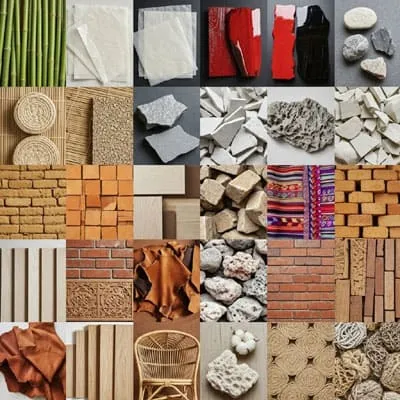
- Asia: Bamboo, rice paper, lacquer
- Europe: Stone, plaster, wrought iron
- Latin America: Terracotta, adobe, vibrant textiles
- North America: Wood, brick, leather
- Oceania: Rattan, coral stone, natural fibers
Each region offers a rich vocabulary of materials that contribute to tactile and visual interest in homes. Selecting these materials with an eye toward durability and local climate compatibility ensures a sustainable and authentic design.
Textural contrast—smooth stone against rough textiles, polished wood with woven fibers—creates depth and invites sensory engagement, key to human-centered residential architecture.
Color Palettes and Cultural Significance

Asian interiors often favor natural hues with strategic use of reds and golds for vitality. European palettes range from muted neutrals in Scandinavian design to warm ochres in Mediterranean homes. Latin American colors are bold and earthy, reflecting local landscapes and festivities.
North America’s colors tend toward soft, nature-inspired shades, while Oceania embraces light blues and sandy tones evocative of coastal life. Integrating these palettes thoughtfully can evoke place and memory without overwhelming the space.
Understanding cultural color meanings enriches the narrative quality of decor, fostering connection and intentionality.
Incorporating North American and Oceanic Inspirations
Design Principles Rooted in Nature
North American design frequently highlights rugged natural beauty through exposed wood beams, stone fireplaces, and expansive windows framing landscapes. Oceanic interiors prioritize seamless indoor-outdoor living, using materials like rattan and linen to evoke breezy, relaxed atmospheres.
Both regions share a commitment to environmental respect and human comfort, grounding international influences in local ecosystems. This duality enables architects to craft spaces that feel both exotic and familiar.
Such designs encourage mindfulness and a slower pace, aligning with the core values of residential architecture focused on well-being.
Furniture and Fixtures: Functional Artistry
- North America: Leather armchairs, reclaimed wood tables, craftsman lighting
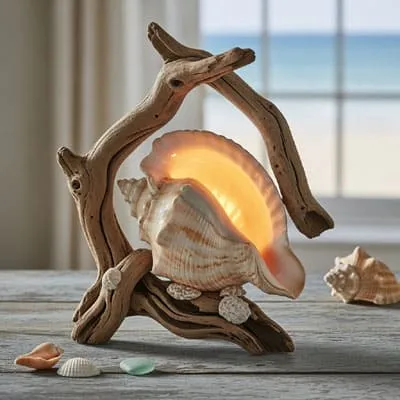
- Oceania: Woven baskets, shell chandeliers, driftwood accents
- Asia: Minimalist low seating, paper lanterns, lacquered cabinets
- Europe: Upholstered sofas, antique mirrors, wrought iron fixtures
Furniture from these regions embodies craftsmanship and cultural identity. Prioritizing functional artistry enhances the residential environment’s usability while celebrating heritage. Thoughtful selection and placement contribute to a calm, intentional atmosphere.
Mixing these elements with respect for scale and proportion supports a balanced, human-centered space.
Lighting Techniques and Ambiance Creation
Natural light manipulation is a hallmark of these regions—skylights in North America, paper lanterns in Asia, and open courtyards in Latin America. Artificial lighting often complements natural sources, using warm tones to create inviting atmospheres.
Integrating layered lighting—ambient, task, and accent—can evoke the serene and slow qualities emblematic of these global traditions. This approach enhances functionality while supporting mood and mental well-being.
Intentional lighting choices transform residential spaces into sanctuaries that reflect both place and purpose
Textile Traditions from Asia, Europe, and Latin America
Woven Narratives and Craftsmanship
- Asia: Silk embroidery, ikat patterns, hand-dyed cotton
- Europe: Tapestries, linen weaves, lace detailing
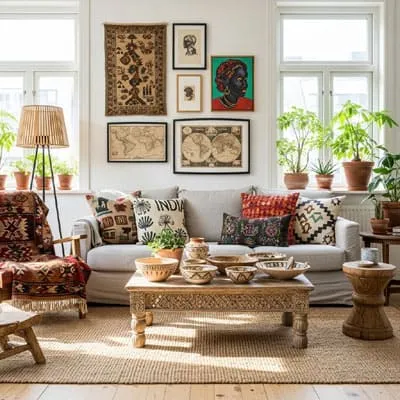
- Latin America: Colorful wool rugs, intricate beadwork, alpaca textiles
Textiles from these regions provide tactile warmth and cultural storytelling. Their craftsmanship reflects centuries-old techniques adapted for modern contexts, contributing to residential spaces that feel personal and grounded.
Incorporating authentic textiles enhances sensory experience and supports artisan communities, aligning with ethical design practices.
Patterns and Symbolism
Patterns often carry symbolic meanings: Asian motifs may represent harmony and luck, European florals evoke nature’s cycles, and Latin American designs celebrate community and identity.
Understanding these meanings allows for decor that respects origin and enriches narrative depth.
Using patterns selectively ensures spaces remain calm and intentional, avoiding visual clutter while honoring cultural significance.
Such informed application encourages slow appreciation and connection.
Textile Sustainability and Longevity
Choosing natural fibers and traditional dyeing techniques promotes sustainability. Asian organic cotton, European flax linen, and Latin American alpaca wool are durable, biodegradable, and often sourced through fair trade.
Prioritizing quality over quantity supports slow design principles, reducing environmental impact and fostering lasting relationships with decor elements.
This approach aligns with climate-aware residential design, ensuring homes are both beautiful and responsible.
| Region | Typical Textile | Material Source |
| Asia | Silk embroidery | Mulberry silkworms |
| Europe | Linen weaves | Flax plants |
| Latin America | Alpaca wool rugs | Alpaca farms |
Sustainable Materials and Practices Across Continents
Eco-Friendly Building Materials
Asia’s bamboo and rammed earth techniques offer renewable, low-impact construction options. Europe promotes recycled stone and sustainably harvested timber. Latin America utilizes adobe and natural plasters. North America balances reclaimed wood with innovative insulation. Oceania embraces cork and recycled glass.
Integrating these materials supports climate responsiveness and reduces carbon footprints. Their natural properties enhance indoor air quality and thermal comfort.
Architects and homeowners can create resilient, healthy spaces by selecting materials native or adapted to their climates.
Energy Efficiency Strategies
- Passive solar design common in Europe and North America
- Natural ventilation techniques from Asia and Oceania
- Green roofs and walls popular in Latin America
- Use of thermal mass to regulate temperature
- Integration of renewable energy sources
These strategies combine traditional wisdom with modern technology to optimize energy consumption and comfort. Their application varies by region but shares a focus on slow, intentional design that respects environmental limits.
Prioritizing energy efficiency aligns with global efforts to mitigate climate change while enhancing residential livability.
Water Conservation and Landscaping
Asian garden design incorporates rainwater harvesting and drought-resistant plants. European homes often use native flora to minimize irrigation. Latin America and Oceania emphasize xeriscaping and greywater recycling. North America integrates smart irrigation systems and permeable landscaping.
These practices contribute to holistic sustainable design, extending the climate-aware approach from interiors to exteriors.
Thoughtful landscaping enhances home performance and connects residents to their environment.
| Region | Key Sustainable Practice | Benefit |
| Asia | Bamboo construction | Rapid renewability and strength |
| Europe | Passive solar design | Reduced heating and cooling needs |
| Latin America | Green roofs | Urban heat island mitigation |
Decorative Accents Reflecting Global Traditions
Handcrafted Ceramics and Pottery
- Asian porcelain and celadon ware
- European earthenware and majolica
- Latin American talavera and barro negro
- North American Native pottery styles
These ceramics serve both functional and aesthetic roles, embodying craftsmanship and regional identity. Their textures and glazes add subtle sophistication to residential interiors.
Selecting pieces with intentionality supports slow living and cultural appreciation.
Wall Art and Textural Layers
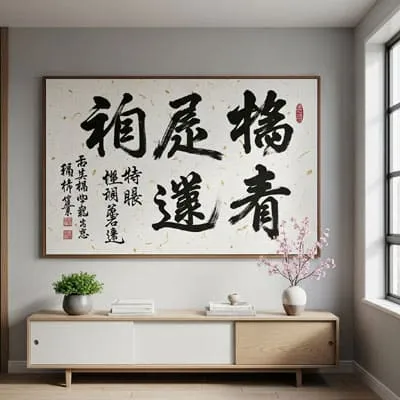
Asian calligraphy and scroll paintings introduce fluidity and mindfulness. European tapestries and frescoes convey history and texture. Latin American murals and woven wall hangings add color and narrative depth.
Layering these elements creates dimension and invites contemplation, essential for calm, human-centered spaces.
Integrating art thoughtfully enhances architectural intent without overwhelming.
Lighting Fixtures as Cultural Statements
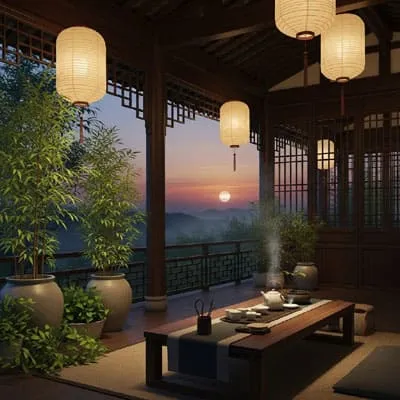
Asian lanterns craft soft, ambient lighting with paper and bamboo. European chandeliers combine crystal and wrought iron for elegance. Oceanic shell and driftwood fixtures evoke coastal simplicity.
Lighting becomes a dialogue between tradition and modernity, supporting atmosphere and function.
Careful fixture choice reinforces the global-local balance in residential design.
Furniture Design Synthesizing Global and Local Elements
Minimalism and Functionality
Asian-inspired furniture favors clean lines, low profiles, and multifunctional pieces. European modernism balances form and function with ergonomic design. Latin American rustic furniture emphasizes solid wood and artisanal joinery.
These principles support intentional living, where every item serves a purpose without excess.
Blending these approaches creates versatile, timeless interiors that adapt to daily life.
Natural Materials and Craft Techniques
- Hand-carved hardwoods in Asia and Latin America
- Woven cane and rattan from Oceania
- Reclaimed wood and metal in North America and Europe
Incorporating natural materials ensures texture and longevity. Craft techniques lend uniqueness and narrative to furniture, enriching the human connection to everyday objects.
This approach aligns with sustainability and slow design values.
Scale and Proportion for Residential Comfort
Respecting human scale is fundamental in global-inspired furniture design. Asian low seating encourages relaxation, European standards ensure balance, and Latin American large communal tables foster social interaction.
Adjusting scale and proportion to occupant needs enhances comfort and usability.
Thoughtful dimensions contribute to calm, inviting spaces that support slow living.
Integrating Outdoor and Indoor Living Styles Worldwide
Seamless Transitions Between Spaces
Latin American patios, Asian verandas, and Oceanic decks exemplify indoor-outdoor flow. These areas use similar materials and colors to create continuity, enhancing spatial openness and connection with nature.
Designing for this fluidity supports climate adaptability and encourages slow, mindful use of space.
Such integration enriches residential life with seasonal and sensory variety.
Landscaping Influences and Plant Selection
- Asia: Bamboo groves and bonsai
- Europe: Formal gardens and native wildflowers
- Latin America: Tropical foliage and succulents
- North America: Native grasses and deciduous trees
- Oceania: Coastal shrubs and ferns
Plant choices reflect not only aesthetics but also environmental conditions and cultural symbolism. Integrating appropriate greenery enhances biophilic design principles, fostering well-being.
Landscaping thus becomes a vital component of climate-aware, human-centered residential architecture.
Outdoor Furnishings and Accessories
Comfortable seating, weather-resistant textiles, and handcrafted accents define outdoor living worldwide. Materials like teak, woven rattan, and stone provide durability and tactile richness.
Accessories such as lanterns, pottery, and cushions add layers of cultural reference and comfort.
Intentional selection supports slow, purposeful outdoor living aligned with global traditions.
Diverse Home Decor
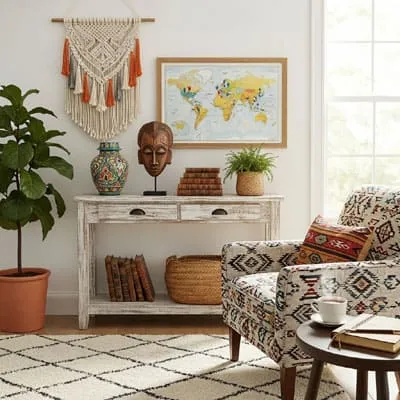
Incorporating asia, europe, latin america, north america, and oceania influences into home decor creates spaces rich with cultural meaning, climate responsiveness, and human-centered design. The integration of diverse materials, architectural elements, and sustainable practices fosters calm, intentional environments that honor both global inspiration and local context.
By thoughtfully blending worldwide accents, homeowners and architects can craft residential spaces that transcend decoration to become meaningful, performance-driven sanctuaries. Embracing this approach invites a slow, reflective lifestyle connected to place, culture, and nature.
Frequently Asked Questions
How Can I Incorporate Global Design Elements Without Overwhelming My Space?
Focus on intentional selection of a few key pieces or materials from different regions that complement your existing decor. Balance bold accents with neutral, calming elements to maintain a cohesive, human-centered environment.
What Are the Best Sustainable Materials from These Regions?
Bamboo from Asia, reclaimed wood from North America and Europe, adobe from Latin America, and rattan from Oceania are excellent sustainable choices. These materials are renewable, durable, and enhance indoor air quality.
How Does Climate Awareness Affect Global-inspired Home Decor?
Design must adapt regional materials and techniques to local climate conditions, ensuring comfort and energy efficiency. For example, ventilation strategies from Asia work well in tropical areas, while thermal mass techniques suit colder climates.
Can Mixing Styles from Multiple Continents Create a Harmonious Look?
Yes, when done thoughtfully. Using complementary colors, textures, and scales helps unify diverse elements. Emphasizing slow design principles and human-centeredness ensures the space feels intentional rather than cluttered.
Where Can I Find Authentic Handcrafted Decor from These Regions?
Look for fair-trade artisan shops, reputable online marketplaces, and cultural institutions supporting traditional crafts. Authentic pieces contribute to ethical sourcing and enrich your home’s cultural narrative.

Architect with extensive experience in residential and commercial design, including renovations and modular construction. Love to share information about Architecture, home and lifestyle in this blog.