
Balanced interiors, neo-minimalist design embody a refined approach to residential architecture that prioritizes harmony, functionality, and intentional simplicity. This style moves beyond mere decoration, embracing calm, slow living and human-centered spaces that resonate with how people truly inhabit their homes. Understanding balanced interiors, neo-minimalist principles is crucial for creating spaces that are both climate-aware and internationally inspired yet grounded in everyday life.
Today’s design landscape challenges architects and homeowners to rethink interior aesthetics through the lens of sustainability and human experience. Balanced interiors, neo-minimalist styles offer a solution by integrating natural materials, subtle textures, and thoughtful spatial arrangements that promote wellbeing while reducing environmental impact. This article explores how to adapt these concepts in your living environment thoughtfully and intentionally.
We will delve into seven critical areas that define balanced interiors, neo-minimalist architecture—covering everything from design philosophy and material choices to climate responsiveness and lifestyle alignment. Each section offers expert guidance and practical insights to help you create a home that feels calm, purposeful, and beautifully restrained.
Understanding Balanced Interiors: The Essence of Neo-Minimalist Design
The Philosophy Behind Balanced Interiors
Balanced interiors focus on equilibrium between form and function, emphasizing simplicity without sacrificing warmth or comfort. Neo-minimalist design rejects unnecessary ornamentation, favoring clean lines and a restrained palette that fosters calmness. This approach is deeply architectural, prioritizing spatial experience and material honesty over transient trends.
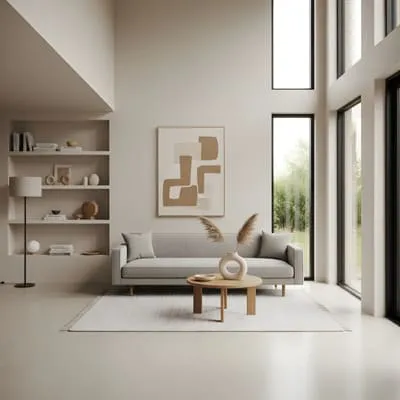
At its core, balanced interiors embrace slow living principles, encouraging inhabitants to engage meaningfully with their surroundings. The style is human-centered, designed to support everyday activities while enhancing mental clarity and physical comfort.
By focusing on essential elements, this philosophy creates spaces that feel intentional and grounded, supporting a lifestyle that values quality over quantity and mindfulness over excess.
Key Characteristics of Neo-Minimalist Interiors
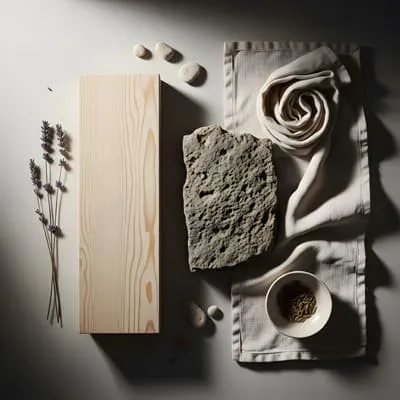
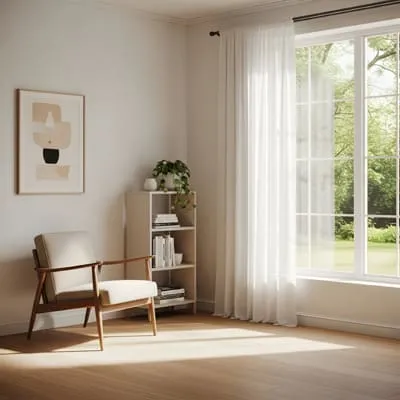
Neo-minimalist interiors are characterized by their understated elegance and attention to detail. Natural light plays a vital role, creating dynamic yet serene atmospheres. Materials such as wood, stone, and neutral textiles are carefully selected for texture and durability, contributing to a tactile richness.
The use of muted color palettes—often off-whites, greys, and earth tones—reinforces a sense of calm. Furniture and fixtures exhibit subtle craftsmanship, often custom-designed to fit the space perfectly, merging architectural precision with comfort.
Unlike stark minimalism, neo-minimalist interiors feel warm and inviting, avoiding coldness by integrating human scale and natural elements.
Benefits of Embracing Balanced Interiors
Adopting balanced interiors leads to spaces that support wellbeing, reduce visual stress, and improve daily functionality. These environments promote sustainability by encouraging the use of long-lasting materials and thoughtful consumption habits.
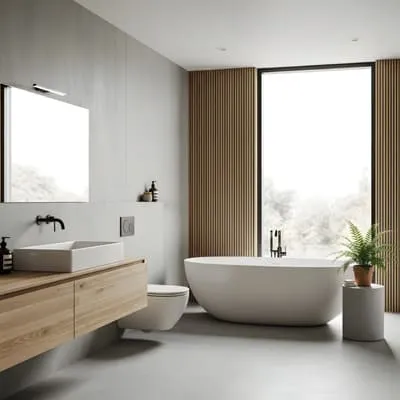
The simplicity inherent in neo-minimalist design allows for easier maintenance and flexibility in adapting spaces over time. Homes designed with balanced interiors foster meaningful connections between inhabitants and their environment, enhancing quality of life.
Ultimately, this approach aligns with contemporary demands for climate awareness and cultural sensitivity, making it a relevant and responsible design choice today.
Elements Defining Balanced Interiors and Neo-Minimalist Aesthetics
Core Components of Neo-Minimalist Design
- Neutral and muted color schemes to enhance calmness
- Natural materials like wood, stone, and linen for texture
- Simple, functional furniture with clean lines
- Maximized natural light through architectural openings
- Limited but impactful decorative elements
The core components aim to create a visually balanced, serene space that supports human activity and environmental harmony. Each element is carefully curated for purpose and longevity, avoiding clutter and noise.
These features collectively contribute to interiors that feel spacious yet intimate, modern yet timeless, and minimal yet deeply textured.
Role of Light and Space in Balanced Interiors
Light is a central design tool in balanced interiors, used to sculpt space and enhance materiality. Large windows, skylights, and subtle artificial lighting work together to create dynamic atmospheres throughout the day.
Spatial organization avoids overcrowding, allowing for smooth circulation and visual breathing room. The interplay of shadows and highlights adds depth and interest without overwhelming simplicity.
This intentional manipulation of light and space supports mental clarity and emotional calm, crucial to neo-minimalist living.
Materiality and Texture Choices
Balanced interiors rely heavily on tactile experiences through natural textures. Wood grains, stone surfaces, woven textiles, and soft matte finishes introduce warmth and variation without visual clutter.
These materials are selected for their durability and sustainable sourcing, reflecting a commitment to climate-aware design. The subtle contrasts between surfaces provide sensory richness, making the space engaging yet restful.
Texture in neo-minimalist interiors compensates for the limited color palette, adding layers of complexity within an understated framework.
| Element | Function | Typical Material |
|---|---|---|
| Flooring | Durability and warmth | Natural hardwood, polished concrete |
| Walls | Neutral backdrop | Matte paint, plaster |
| Furniture | Comfort and style | Solid wood, metal frames |
Applying Balanced Interiors in Residential Spaces
Creating Functional, Calm Living Rooms
- Choose modular furniture with clean lines
- Incorporate soft textiles for comfort
- Maximize daylight and natural ventilation
- Use built-in storage to reduce clutter
- Include a few curated artwork pieces
Living rooms designed with balanced interiors emphasize spatial clarity and purposeful arrangement. Avoiding excessive decoration helps maintain a soothing atmosphere, ideal for relaxation and social interaction.
Incorporating natural elements such as plants and wood accents connects the indoor environment with the outdoors, reinforcing wellbeing.
This method supports human-centered living by balancing aesthetics with everyday usability.
Optimizing Kitchen and Dining Areas
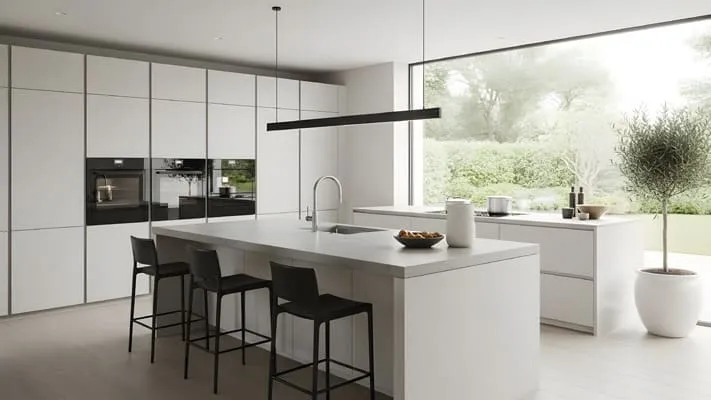
Neo-minimalist kitchens focus on streamlined cabinetry and integrated appliances to reduce visual noise. Materials like stone countertops and matte finishes promote durability and understated elegance.
Open-plan dining areas maintain fluidity between cooking and social spaces, enhancing connection without clutter. Lighting fixtures are chosen for function and sculptural quality.
Attention to ergonomics ensures that kitchens serve both practical needs and aesthetic values, supporting intentional living.
Serene Bedrooms for Restorative Sleep
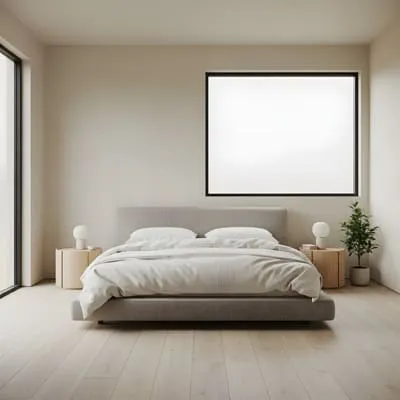
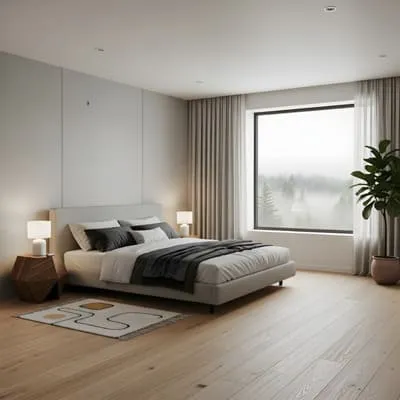
Bedrooms within balanced interiors prioritize comfort and tranquility. Neutral tones and soft textures help create a restful environment, while minimal furniture encourages a clutter-free sanctuary.
Natural ventilation and light control support circadian rhythms, enhancing sleep quality. Thoughtful placement of storage maintains order without sacrificing design integrity.
This approach respects human needs, making bedrooms true retreats within the home.
Neo-Minimalist Design and Climate-Aware Architecture
Integrating Sustainability Into Balanced Interiors
Climate-aware design underpins neo-minimalist interiors by prioritizing sustainable materials and energy efficiency. Using local, renewable resources reduces environmental impact and connects occupants to their geographical context.
Passive design strategies such as natural ventilation, shading, and thermal mass help regulate indoor climate without excessive energy use. This holistic approach balances aesthetics with ecological responsibility.
By embedding sustainability into the core, balanced interiors become a model for future-forward living.
Energy Efficiency and Material Longevity
Long-lasting, non-toxic materials reduce the need for frequent replacements and minimize waste. Energy-efficient lighting and appliances complement the architectural design, lowering operational carbon footprints.
Neo-minimalist homes often incorporate smart technologies that adjust environmental controls automatically, further enhancing comfort and sustainability.
The result is a home that supports both human and planetary health.
Designing for Climate Resilience
Balanced interiors account for local climate conditions to ensure durability and comfort. Features like moisture-resistant finishes and thermally insulated windows protect against weather extremes.
Spatial layouts encourage airflow and shade, mitigating heat gain while maximizing daylight. Materials chosen can adapt to temperature fluctuations without degradation.
This resilience supports long-term habitation and reduces environmental strain.
| Strategy | Benefit | Example |
|---|---|---|
| Passive Ventilation | Reduces energy use | Cross-ventilation windows |
| Thermal Mass | Stabilizes indoor temperature | Concrete floors, stone walls |
| Natural Materials | Low environmental impact | Bamboo flooring, reclaimed wood |
Human-Centered Approaches in Neo-Minimalist Interiors
Designing for Comfort and Wellness
Balanced interiors prioritize human comfort through ergonomic design and sensory balance. Furniture supports healthy posture, while acoustics are managed to reduce noise pollution. Air quality is enhanced with natural ventilation and non-toxic finishes.
This wellness-oriented approach ensures interiors nurture physical and mental health, aligning with the neo-minimalist ethos of slow, intentional living.
Spaces are designed to accommodate diverse activities, recognizing the nuanced ways people inhabit their homes.
Personalization Within Minimalism
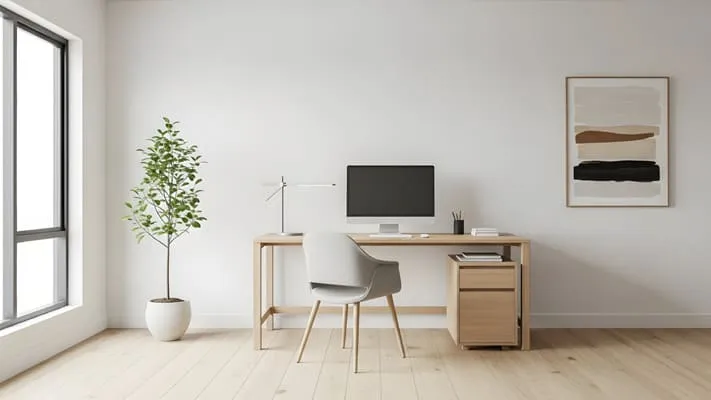
Neo-minimalist design embraces personal expression without clutter. Carefully selected objects or artworks reflect individual identity while maintaining overall spatial harmony. Custom furnishings adapt to specific user needs, ensuring functionality and emotional connection.
This balance allows residents to feel truly “at home” without sacrificing the calm simplicity characteristic of balanced interiors.
Personalization is subtle yet impactful, reinforcing the human-centered philosophy.
Promoting Mindful Living Through Design
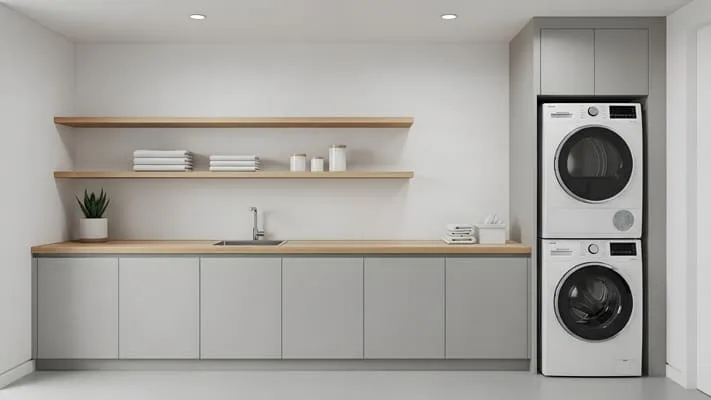
The intentionality behind balanced interiors encourages mindfulness in daily routines. Spaces are arranged to facilitate focus, relaxation, and social connection. Minimal distractions and clear organization support mental clarity and reduce stress.
Design elements like natural light and tactile materials engage occupants’ senses, fostering awareness and presence.
Ultimately, neo-minimalist interiors become environments that inspire thoughtful, deliberate living.
International Perspectives on Balanced Interiors and Neo-Minimalism
Global Influences and Local Adaptations
Balanced interiors draw inspiration from diverse cultural aesthetics, integrating international design principles while respecting local context. This blend creates spaces that feel both universal and rooted, combining global minimalism with regional materials and traditions.
Architects often adapt neo-minimalist concepts to suit climate, lifestyle, and cultural preferences, ensuring relevance and authenticity.
The result is an architectural language that transcends borders but remains grounded in place.
Case Studies of International Neo-Minimalist Homes
- A Scandinavian home emphasizing natural light and wood textures
- A Japanese residence integrating tatami mats and sliding screens
- An Australian coastal retreat using stone and breezy layouts
- A Mediterranean apartment with muted tones and open plans
- A Canadian urban loft featuring concrete and warm textiles
These examples showcase how balanced interiors adapt globally while maintaining core principles of calm, intentional design.
The diversity of applications reflects the versatility and enduring appeal of neo-minimalism.
Challenges in Global Implementation
Adapting balanced interiors internationally faces challenges such as varying climate demands, cultural expectations, and material availability. Designers must navigate these factors carefully to maintain integrity without compromising functionality.
Additionally, global supply chains and sustainability goals require thoughtful sourcing and collaboration with local artisans and manufacturers.
Successfully addressing these challenges results in spaces that are both beautiful and responsible.
Practical Tips for Achieving Balanced Interiors at Home
Steps to Begin Your Neo-Minimalist Journey
- Declutter spaces to identify essential items
- Choose a neutral, cohesive color palette
- Invest in quality, multi-functional furniture
- Maximize natural light and ventilation
- Incorporate natural textures and materials
Starting small with these steps helps cultivate a balanced interior that feels authentic and manageable. Intentional choices create a foundation for long-term satisfaction.
Patience and reflection are key, allowing the space to evolve organically with your lifestyle.
These principles align with the slow, mindful ethos of neo-minimalism.
Maintaining Balance over Time
Regularly reassess possessions and spatial arrangements to prevent clutter from creeping back. Rotate or update decorative elements seasonally to keep interiors fresh without excess.
Maintenance routines should focus on preserving natural materials and finishes to extend lifespan and appearance.
This ongoing care supports the sustainability and emotional connection central to balanced interiors.
Common Pitfalls to Avoid
Over-minimalism can lead to sterile or cold environments lacking warmth. Avoid sacrificing comfort for aesthetics by incorporating soft textures and ergonomic furniture.
Ignoring local climate considerations may result in inefficient, uncomfortable spaces. Ensure design choices respond to environmental context.
Lastly, resist trend-driven designs that may feel transient; focus on timeless quality and personal relevance.
| Tip | Benefit |
|---|---|
| Declutter Regularly | Maintains visual calm |
| Use Natural Materials | Enhances durability and texture |
| Prioritize Comfort | Supports wellbeing |
| Adapt to Climate | Improves energy efficiency |
Neo-minimalist design
Balanced interiors, neo-minimalist design present a compelling framework for residential spaces that are calm, intentional, and deeply human-centered. By focusing on simplicity, natural materials, and climate-aware strategies, these interiors foster environments that support wellbeing and sustainability.
Embracing this approach requires thoughtful curation and ongoing care, but rewards inhabitants with homes that feel timeless, comfortable, and aligned with how people truly live. Consider integrating balanced interiors into your lifestyle to create a meaningful, slow, and intentional living experience.
Frequently Asked Questions
What Defines Balanced Interiors in Neo-minimalist Design?
Balanced interiors in neo-minimalist design emphasize simplicity, harmony, and functionality. They prioritize natural materials, muted color palettes, and thoughtful spatial arrangements to create calm, intentional homes that support wellbeing and sustainability.
How Can I Incorporate Neo-minimalist Principles in a Small Space?
Focus on decluttering, choosing multifunctional furniture, and maximizing natural light. Use neutral colors and natural textures to create a sense of openness and warmth, ensuring every element serves a purpose to maintain balance and calm.
Are Balanced Interiors Suitable for All Climates?
Yes, balanced interiors adapt well to different climates by integrating climate-aware materials and passive design strategies like natural ventilation and shading, ensuring comfort and energy efficiency regardless of location.
What Materials Are Best for Neo-minimalist Interiors?
Natural, durable materials such as wood, stone, linen, and matte finishes are ideal. These materials provide texture and warmth while supporting sustainability and longevity, key aspects of neo-minimalist design.
How Does Balanced Interior Design Support Mental Wellbeing?
By reducing visual clutter and emphasizing natural light, texture, and calm color palettes, balanced interiors create serene environments that promote relaxation, focus, and mindfulness, all beneficial for mental health.

Architect with extensive experience in residential and commercial design, including renovations and modular construction. Love to share information about Architecture, home and lifestyle in this blog.