
Indoor-Oudoor living spaces have evolved beyond traditional room boundaries, blending seamlessly with outdoor environments to create harmonious and functional areas. Understanding how to design these spaces is essential for enhancing residential comfort and promoting a connection with nature. Such designs prioritize human-centric layouts, climate considerations, and architectural integrity over mere decoration.
Integrating indoor-outdoor living spaces presents both opportunities and challenges. Homeowners seek environments that expand usable living areas while adapting to varying climates and lifestyles. Achieving this balance requires thoughtful design strategies that consider flow, materiality, and environmental responsiveness.
This article delves into the principles of seamless indoor-outdoor living rooms, exploring innovative interior living design ideas. It offers a comprehensive perspective grounded in architectural expertise, focusing on how these spaces can be intentionally crafted to support everyday life.
Redefining Indoor Living Spaces for Modern Homes
Understanding the Essence of Indoor Living Spaces
Indoor living spaces refer to the areas within a residence designed for daily activities, comfort, and social interaction. These spaces have shifted from isolated rooms to open, flexible environments that serve multiple functions. Key to this evolution is the integration of natural light, spatial flow, and ergonomic design, all tailored to enhance occupant well-being.
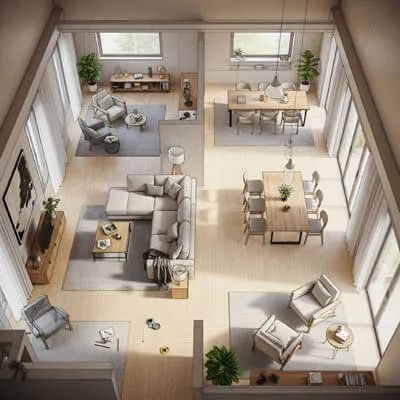
Designers now approach indoor living areas with a focus on adaptability and calmness, creating atmospheres that feel intentional and human-centered. This shift reflects broader trends emphasizing sustainability and psychological comfort.
By rethinking how indoor living spaces operate, architects can foster environments that support diverse lifestyles, blending functionality with aesthetic harmony.
Materials and Finishes That Enhance Comfort and Durability
Choosing appropriate materials for indoor living spaces is critical to balancing durability with comfort. Natural woods, stone, and high-quality composites contribute to a tactile and visual warmth that connects occupants to their environment.
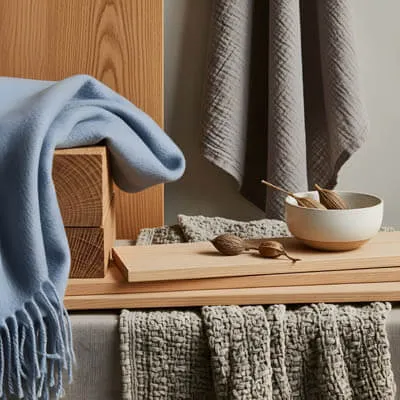
Textured fabrics and matte finishes reduce glare and promote a sense of calm, while sustainable materials align with climate-aware design principles. Selecting finishes that age gracefully ensures longevity and continued appeal.
Incorporating these elements thoughtfully supports indoor spaces that remain inviting and functional over time.
Spatial Planning to Maximize Usability
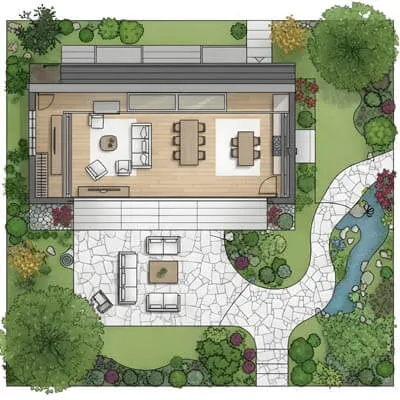
Effective spatial planning in indoor living spaces prioritizes flow and functionality. Open-plan layouts encourage interaction, while zoning techniques provide privacy without compromising openness.
Furniture placement should facilitate movement and social engagement, avoiding cluttered or obstructed pathways. Consideration of natural light and ventilation further enhances the livability of these areas.
Intentional spatial design supports adaptable living environments that evolve with the occupants’ needs.
Strategies for Seamless Indoor-Outdoor Living Spaces
Designing Fluid Transitions Between Inside and Outside
- Utilize large sliding or folding glass doors to eliminate visual barriers
- Employ consistent flooring materials that extend outdoors
- Incorporate covered patios or verandas to provide sheltered outdoor living
- Align indoor and outdoor furniture styles for cohesive aesthetics
- Use landscaping to soften edges and blend boundaries
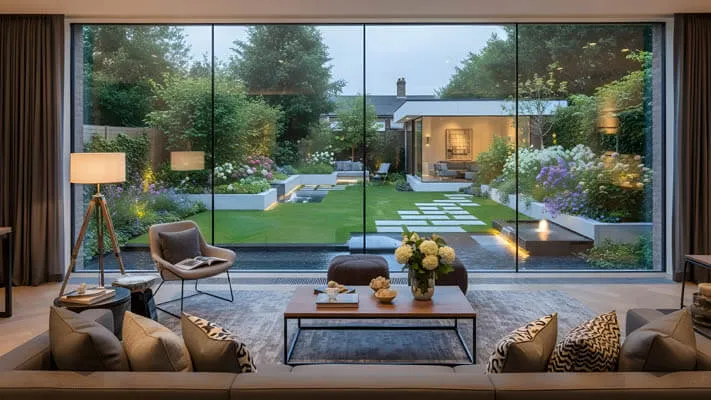
Creating seamless indoor-outdoor living spaces involves crafting transitions that feel natural and inviting. Large openings, like expansive glass doors, dissolve physical separations, enhancing spatial continuity.
Matching flooring materials across thresholds and coordinating design elements help blur the line between interior and exterior, fostering a cohesive living environment.
Climate-Aware Design for Year-Round Use
Climate plays a pivotal role in shaping indoor-outdoor living spaces. Strategies such as shading devices, operable screens, and thermal mass materials help regulate temperature and airflow.
Designers incorporate passive cooling and heating techniques to maintain comfort without excessive energy use. These climate-aware elements ensure spaces are both sustainable and comfortable.
Understanding local weather patterns guides the selection of features that extend usability through seasons and weather variations.
Human-Centered Features That Enhance Experience
Prioritizing human comfort involves ergonomic considerations and sensory engagement. Designing seating heights, sightlines, and tactile surfaces tailored to human scale enriches interaction with the space.
Incorporating natural elements such as greenery and water features promotes relaxation and connection with nature. Thoughtful lighting design, both natural and artificial, supports activities throughout the day.
This human-centered approach ensures that indoor-outdoor living spaces are not only beautiful but also deeply livable.
| Feature | Benefit | Considerations |
|---|---|---|
| Sliding Glass Doors | Maximize natural light and views | Thermal performance and security |
| Consistent Flooring | Enhances spatial continuity | Material durability outdoors |
| Covered Outdoor Areas | Extend usability in various weather | Structural support and drainage |
Innovative Interior Living Design Ideas for Contemporary Spaces
Flexible Layouts for Dynamic Living
Innovative interior design ideas emphasize flexibility, allowing spaces to respond to changing needs. Modular and movable elements create environments that evolve with lifestyle shifts.
This adaptability supports a human-centered approach, fostering spaces that are both practical and inspiring.
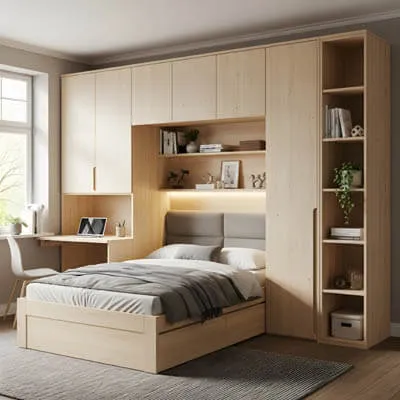
- Modular furniture that adapts to different uses
- Movable partitions to alter room configurations
- Multi-purpose spaces combining work and leisure
- Integrated storage solutions to reduce clutter
- Zones for quiet reflection and active socializing
- Smart home technology integration for comfort
Incorporating Natural Elements Indoors
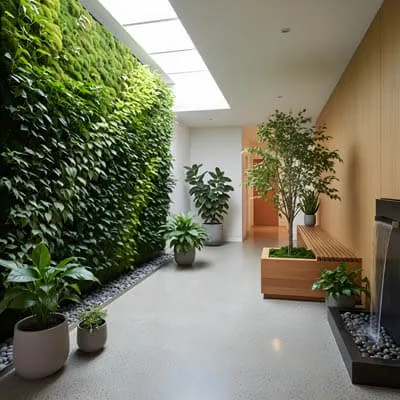
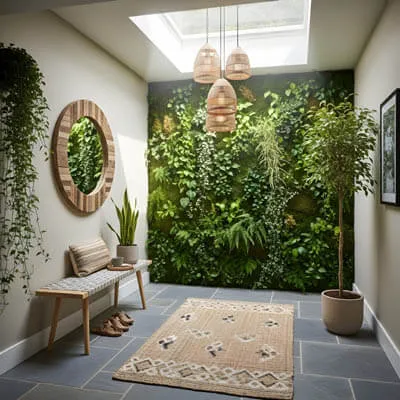
Biophilic design principles encourage integrating plants, natural light, and organic materials within interior living spaces. These features improve air quality and psychological well-being.
Natural textures and colors create calming atmospheres that connect occupants to the outdoors, even when inside. Water elements and natural soundscapes can also enhance sensory experience.
Such design choices contribute to a holistic, climate-aware interior environment.
Color Palettes That Promote Calm and Intentionality
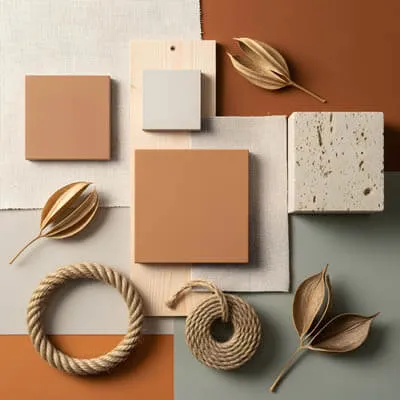
Color selection profoundly affects mood and perception within indoor living spaces. Neutral tones, soft earth colors, and muted shades evoke tranquility and focus.
Accent colors can be used sparingly to add interest without overwhelming the senses. The goal is to create interiors that feel purposeful and restful.
Integrating these palettes supports architectural design rather than decorative excess.
Maximizing Daylight and Ventilation in Indoor-Outdoor Areas
Optimizing Natural Light Penetration
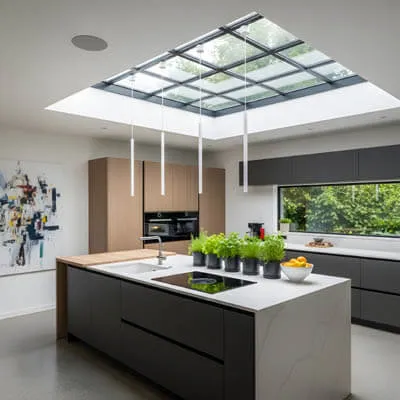
Maximizing daylight within indoor-outdoor living spaces reduces reliance on artificial lighting and enhances occupant well-being. Thoughtful window design shapes how light moves through these areas.
Using architectural elements like clerestory windows and light shelves further distributes natural light effectively.
- Strategic window placement for balanced illumination
- Clerestory and skylights to bring light deep indoors
- Light shelves to reflect daylight further
- Use of translucent materials for privacy and light
- Minimizing obstructions outside windows
Promoting Cross-Ventilation for Comfort
Cross-ventilation relies on positioning openings on opposite or adjacent walls to encourage airflow. This passive cooling strategy is fundamental in climate-aware indoor-outdoor spaces.
Operable windows, vents, and screens facilitate air movement, reducing heat buildup and improving indoor air quality. Landscaping can also influence wind patterns.
Properly designed ventilation systems reduce energy consumption and enhance comfort year-round.
Balancing Solar Gain and Shade
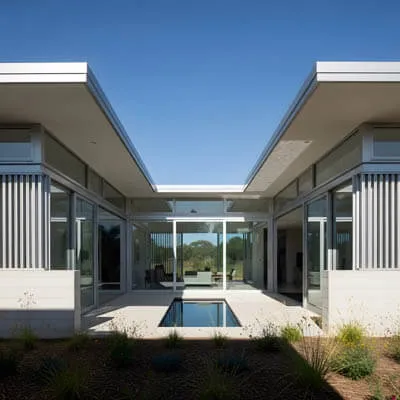
Managing solar gain is essential to maintaining thermal comfort in indoor-outdoor living spaces. Overexposure to the sun can cause overheating, while insufficient light reduces warmth.
Architectural shading devices like overhangs, louvers, and pergolas provide adjustable control over sunlight penetration. Vegetation offers natural shading and cooling benefits.
Balancing these factors aligns with sustainable design goals and occupant comfort.
| Daylight Strategy | Advantages | Implementation Tips |
|---|---|---|
| Clerestory Windows | Enhances light without compromising privacy | Place high on walls with southern exposure |
| Operable Screens | Allows airflow while managing insects | Use durable, weather-resistant materials |
| Overhangs | Protects interior from harsh sun | Size based on sun angles in different seasons |
Furniture and Fixtures Tailored for Indoor-Outdoor Flow
Durable and Comfortable Furniture Choices
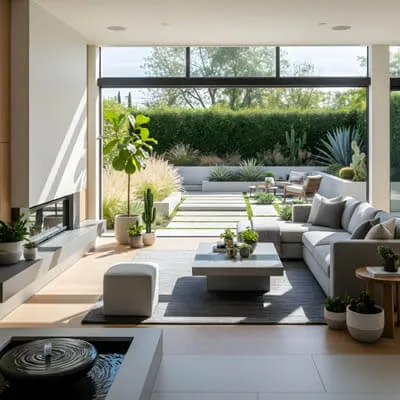
Furniture in indoor-outdoor living spaces must strike a balance between durability and comfort. Selecting materials that withstand exposure while inviting relaxation is crucial.
Comfortable seating encourages extended use of these transitional zones, fostering social interaction and rest.
- Weather-resistant materials like teak and aluminum
- Upholstery with quick-drying, UV-resistant fabrics
- Lightweight pieces for easy rearrangement
- Multi-functional furniture to optimize space
Lighting Solutions That Connect Interior and Exterior
Layered lighting strategies integrate ambient, task, and accent lights that work both indoors and outdoors. Fixtures with dimming capabilities allow customization of mood and functionality.
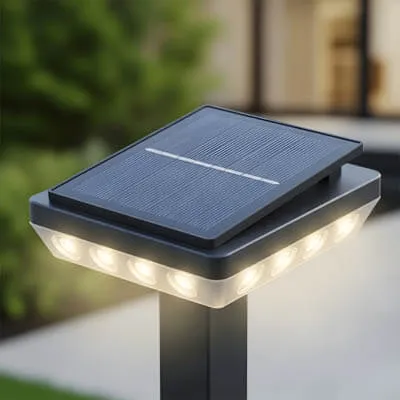
Energy-efficient options like LED and solar-powered lights support sustainability goals. Lighting placement emphasizes architectural features and pathways.
Consistent lighting design enhances the spatial flow and user experience.
Incorporating Technology for Convenience and Ambiance
Smart home technologies enable control over lighting, climate, and security, enhancing indoor-outdoor living space functionality. Automated shading, temperature sensors, and sound systems improve comfort.
Integrating technology discreetly maintains a calm aesthetic while providing modern convenience. Connectivity ensures seamless transitions between indoor and outdoor environments.
Thoughtful technology use supports a human-centered and intentional design ethos.
Sustainable Practices in Interior and Indoor-Outdoor Design
Energy Efficiency Through Design Choices
Incorporating passive solar design, natural ventilation, and high-performance glazing reduces energy consumption in indoor-outdoor living spaces. Such measures minimize reliance on mechanical systems.
Using locally sourced and low-VOC materials contributes to healthier indoor environments and a reduced carbon footprint.
Energy-efficient design aligns with climate-aware principles and enhances long-term sustainability.
Water Management and Landscaping Integration
- Rainwater harvesting systems connected to irrigation
- Permeable paving to reduce runoff
- Drought-tolerant native plant landscaping
- Green roofs and walls to improve insulation
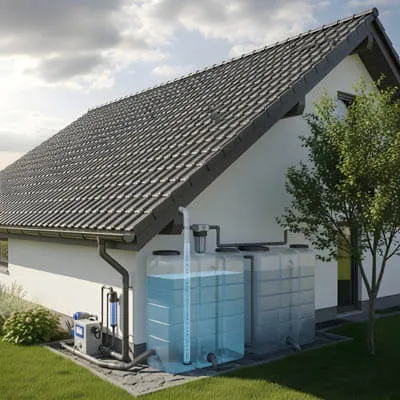
Effective water management is integral to sustainable indoor-outdoor spaces. Integrating landscaping that supports local ecology and conserves water fosters resilience.
Designing with these strategies enhances the environmental performance and aesthetic quality of residential spaces.
Waste Reduction and Material Reuse
Designing for disassembly and reuse promotes circular economy principles. Selecting materials that can be repurposed or recycled reduces construction waste.
Incorporating reclaimed wood, recycled metals, and salvaged fixtures adds unique character while supporting sustainability.
Waste-conscious design reflects intentionality and respect for resources throughout the project lifecycle.
| Sustainable Feature | Impact | Implementation |
|---|---|---|
| Passive Solar Design | Reduces heating and cooling loads | Orient windows and shading devices properly |
| Rainwater Harvesting | Conserves water for irrigation | Install collection tanks and filtration systems |
| Reclaimed Materials | Minimizes waste and adds character | Source from local salvage yards |
Architectural Elements That Define Interior Living Design Ideas
Structural Features Supporting Open Concepts
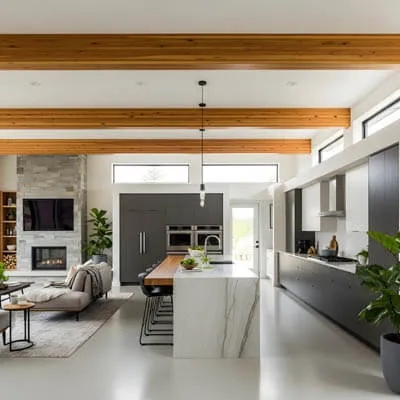
Exposed beams, cantilevers, and column-free spans enable expansive indoor-outdoor areas without visual interruption. These structural choices augment spatial openness and architectural expression.
Material choices for structural elements often double as aesthetic features, creating a sense of intentionality and calm.
Thoughtful engineering ensures these features are both functional and visually compelling.
Integration of Built-In Storage and Niches
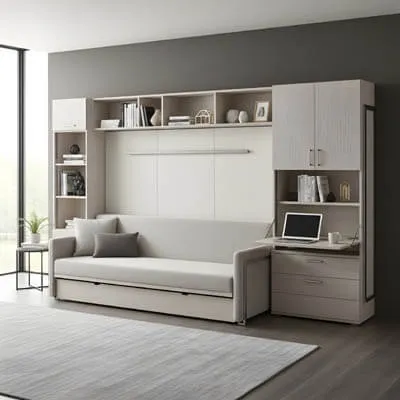
Built-in storage solutions optimize space while maintaining clean lines. Niches and recesses reduce clutter and contribute to a minimalist aesthetic.
This approach supports human-centered design by organizing belongings intuitively and preserving openness.
Custom cabinetry and shelving can be tailored to the unique needs of indoor-outdoor living environments.
Use of Texture and Layering in Architectural Details
Texture in wall treatments, ceiling finishes, and flooring adds depth and interest without overwhelming. Layering materials such as wood, plaster, and stone creates tactile variety.
These details enhance the sensory experience and reinforce the intentional, calm atmosphere desired in interior living design.
Architectural layering complements natural light and shadow play, enlivening spaces subtly.
Enhancing Connectivity Through Interior Living and Outdoor Spaces
Visual Continuity as a Design Principle
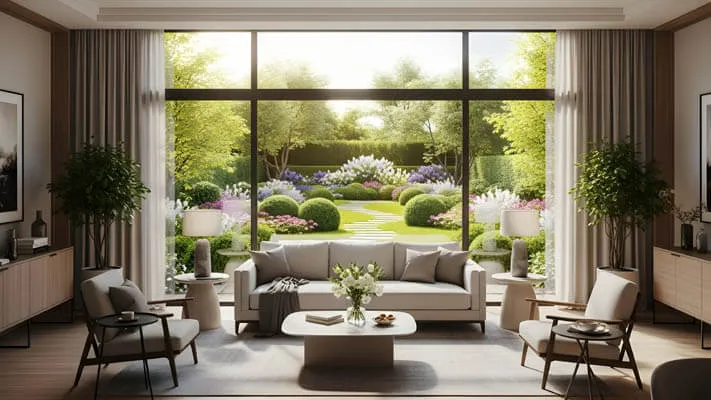
Visual continuity between indoor and outdoor areas is achieved through color, material, and form consistency. Large glazed surfaces provide unobstructed views that extend the perceived living space.
This connection fosters a sense of openness and freedom, aligning with contemporary lifestyle preferences.
Architects use framing techniques to highlight landscape features and integrate them into the interior experience.
Creating Social Hubs That Bridge Inside and Outside
Social hubs designed to traverse indoor and outdoor realms support diverse activities and foster community. These spaces are central to human-centered living.
Designers consider circulation, comfort, and aesthetics to create inviting environments that encourage connection.
- Central gathering spaces that flow outdoors
- Outdoor kitchens and dining areas adjacent to indoor counterparts
- Seating arrangements promoting interaction across boundaries
- Fire pits and heaters to encourage year-round use
- Flexible lighting to set ambiance for different occasions
Technological Integration to Enhance Connectivity
Wireless audio systems, outdoor Wi-Fi coverage, and automated environmental controls link interior and exterior spaces technologically. These systems provide seamless experiences regardless of location.
Technology supports lifestyle needs without detracting from architectural intent or calmness.
Integration is subtle, maintaining the authenticity of the indoor-outdoor living concept.
Architectural Project
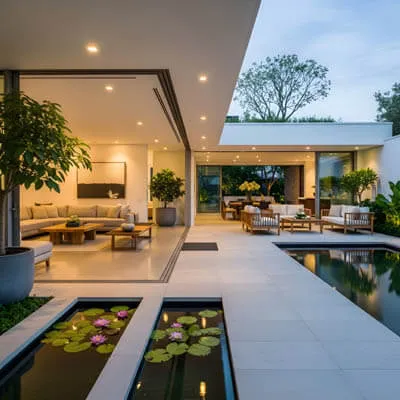
Designing seamless indoor-outdoor living rooms requires a thoughtful blend of architectural expertise, climate awareness, and human-centered principles. Understanding how these elements interact leads to spaces that are both functional and emotionally resonant. Indoor living spaces that merge with outdoor environments expand residential possibilities and support well-being.
By embracing intentional design strategies and sustainable practices, homeowners and architects can craft environments that feel calm, purposeful, and truly connected to their surroundings. Explore these interior living design ideas to inspire your next project and enhance your lifestyle.
Frequently Asked Questions
What Defines an Indoor-outdoor Living Space?
An indoor-outdoor living space is a design approach that seamlessly connects interior rooms with exterior environments. It typically features large openings, consistent materials, and thoughtful transitions to create a unified and functional living area.
How Can I Make My Indoor Living Space Feel More Connected to Nature?
Incorporate natural materials, maximize natural light, and add plants or water features. Using large windows or glass doors that face gardens or outdoor areas also strengthens the connection to nature.
What Are the Main Benefits of Climate-aware Indoor-outdoor Design?
Climate-aware design enhances comfort by using passive heating and cooling, improves energy efficiency, and extends the usability of living spaces throughout the year by adapting to local weather conditions.
How Important is Furniture Choice in Indoor-outdoor Living Spaces?
Furniture is crucial for comfort and durability. Choosing weather-resistant, lightweight, and multi-functional pieces ensures that the space remains inviting and practical for both indoor and outdoor use.
Can Technology Improve the Functionality of Indoor-outdoor Spaces?
Yes, smart home technologies like automated lighting, climate control, and wireless audio enhance convenience and ambiance, allowing users to adapt the environment effortlessly across indoor and outdoor areas.

Architect with extensive experience in residential and commercial design, including renovations and modular construction. Love to share information about Architecture, home and lifestyle in this blog.